Source Custom Cursive Letter Name Pendant for Jewelry, Bags, and Hats
Explore 30 listings for Custom Cursive Letter Name Pendant options featuring various materials like stainless steel and metal, with customization available for jewelry, bags, and hats. Buyers can compare styles, plating colors, and production timelines to find suitable suppliers.
Key considerations
Products List

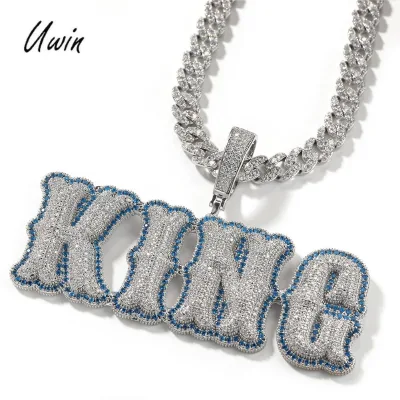
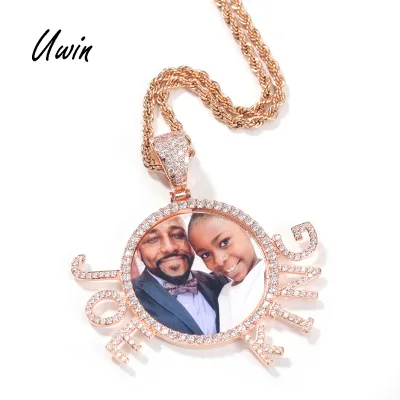
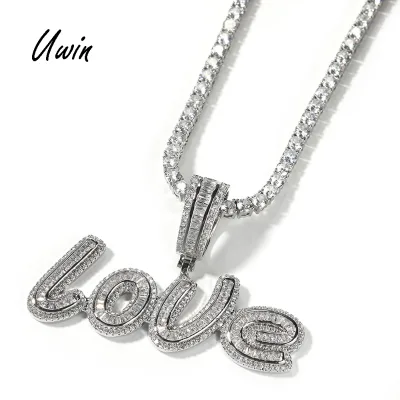


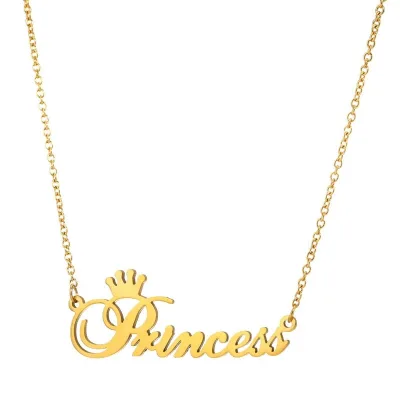
Oval Shape Custom Letter Name Engraved Jewelry Tag for Bracelet Charm Pendant
$0.02 - $0.10
MOQ: 100 Pieces


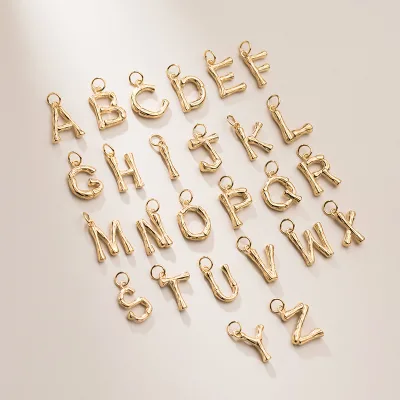
Zinc Alloy Logo Charm Name Pendant Custom Engraved Jewelry Tags Wholesale
$0.05 - $0.15
MOQ: 100 pieces


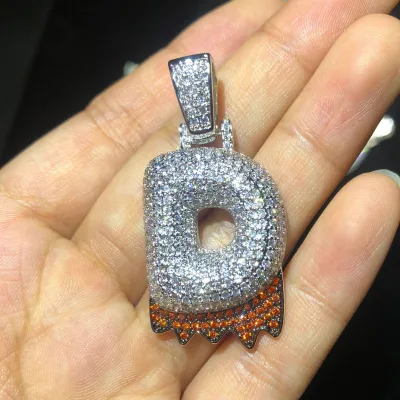


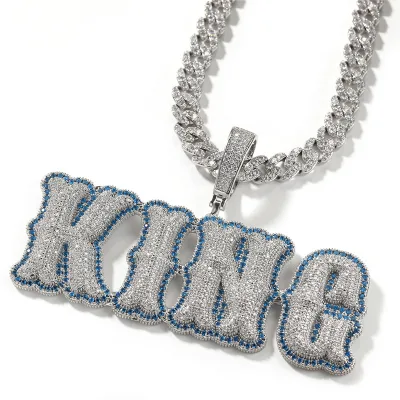
3D Bubble Name Necklace Gold Diamond Name Pendant, Balloon Letter Necklace
$0.78 - $0.88
MOQ: 30 Pieces






Comprehensive Sourcing Guide
Strategic Sourcing Guide for Custom Cursive Letter Name Pendants
The global market for personalized jewelry has seen a sustained surge in demand, driven by consumer desire for unique self-expression and the versatility of custom name pendants. For procurement professionals and business buyers, sourcing "custom cursive letter name pendants" requires a nuanced understanding of technical specifications, supply chain logistics, and quality assurance protocols. This guide synthesizes available market data to provide a disciplined framework for evaluating suppliers and products in this specific category, ensuring that procurement decisions are grounded in verified facts rather than speculative claims.
Technical Specifications and Design Variability
The foundation of a successful procurement strategy for custom cursive letter name pendants lies in a precise definition of technical specifications. Unlike generic jewelry, these items often require specific customization regarding letter count, chain type, and plating. Market observations indicate a diverse range of product models, such as the YJKC20260420016, which suggests that manufacturers offer distinct SKUs tailored to different aesthetic preferences.
Buyers must verify the exact dimensions and material composition of the pendants. Available data points to specific chain lengths ranging from 16 inches to 24 inches, with chain widths typically offered in 3mm and 4mm variations. The chain styles vary between rope chains and tennis chains, each offering a distinct visual texture. Furthermore, the letter count is a critical variable; suppliers have been observed offering configurations for 1 through 9 letters, allowing for names of varying lengths. The color palette is equally extensive, with options including Silver, Gold, Rose Gold, Black, and Gunmetal.
A critical technical aspect is the plating process. The "Plating" technique is frequently cited as a primary manufacturing method, often resulting in finishes like Silver or Gold. Buyers should explicitly request details on the thickness of the plating and the base metal used, as these factors directly influence durability and tarnish resistance. While some listings mention "Stainless Steel" as a material, others refer to generic "Metal," necessitating a clear distinction during the specification phase to ensure the final product meets the intended quality standards.
Compliance, Certification, and Material Standards
In the realm of B2B jewelry procurement, compliance and material safety are paramount. While specific certification documents are not universally listed in general product summaries, buyers must treat material claims as observations requiring verification. The origin of the products is a significant factor in compliance; supply chain data indicates origins in Guangdong and Fujian, China, both of which are major manufacturing hubs for jewelry.
Buyers should verify that the materials used, particularly the "Stainless Steel" or other metals, comply with international safety standards regarding nickel content and heavy metals. Although the provided data does not list specific certification bodies (such as ISO or REACH compliance), the absence of such information in a product listing should not be interpreted as a lack of compliance. Instead, it serves as a trigger for the buyer to request third-party test reports. The "Custom" standard noted in product attributes implies that the manufacturing process is flexible, but this flexibility must not compromise adherence to safety regulations.
Furthermore, the "Quality" attribute is often described as "Depend on Your Request." This phrasing indicates a high degree of customization but also places the burden of quality definition on the buyer. Procurement teams must establish clear quality benchmarks before placing orders, ensuring that the supplier understands the specific tolerance levels and finish requirements. Without explicit certification data in the initial listing, the buyer must mandate pre-shipment testing to validate material safety and plating integrity.
Cost Drivers and Pricing Structures
Understanding the cost drivers for custom cursive letter name pendants is essential for budgeting and margin analysis. The observed price range in the market spans from $0.02 to $60.73 USD, a variance that reflects differences in material quality, production complexity, and order volume. The primary cost driver is the material; stainless steel generally offers a lower cost point compared to solid gold or high-grade silver, but the plating quality significantly impacts the final price.
Order Volume, or Minimum Order Quantity (MOQ), is another critical cost factor. Data indicates a wide range of MOQs, from 1 piece for sample orders to 300 pieces for bulk production, with a specific high-confidence observation of 200 pieces as a standard threshold for certain models. Suppliers often structure pricing tiers based on these volumes, where unit costs decrease as order quantities increase. Buyers should be aware that "Custom Designs" and "OEM/ODM" services often incur additional setup fees or higher unit costs compared to stock items.
Additional cost considerations include packaging and shipping. The standard packaging is often an OPP bag, with bulk cartons containing 100 bags. However, premium packaging options, such as paper covers or one-by-one packing, may increase the unit cost. Shipping terms like EXW (Ex Works) and FOB (Free on Board) are common, meaning the buyer is responsible for freight costs from the factory gate or port. The "Fast Delivery" advantage mentioned in some listings suggests that expedited shipping options may be available, though these likely come at a premium.
Typical Applications and Market Segmentation
Custom cursive letter name pendants serve a broad spectrum of applications, making them versatile for various market segments. The primary application is personal jewelry, including necklaces, bracelets, and leather crafts. The "Pendant" and "Charm" designations confirm their use in wearable accessories. However, the data also highlights applications beyond personal adornment, such as clothing, bags, and hats, where these pendants serve as decorative elements or branding tags.
The "Jewelry Charm" and "Custom Jewelry Tags" attributes suggest a dual market: one for direct-to-consumer fashion and another for corporate gifting or promotional merchandise. The "Washable" feature is particularly relevant for items intended for frequent wear or for use on clothing and bags that may require cleaning. This durability makes the product suitable for a wide range of end-use scenarios.
For B2B buyers, understanding the target demographic is crucial. The availability of various letter counts and colors allows for mass customization, catering to individuals seeking unique gifts or businesses looking for personalized corporate swag. The "Fashion" and "Cheap" advantages noted in product attributes indicate a strong presence in the affordable fashion segment, appealing to price-sensitive consumers who still desire a personalized touch.
Supplier Evaluation and Production Capabilities
Evaluating suppliers for custom cursive letter name pendants requires a focus on their production capabilities and customization services. The "OEM/ODM" service is a key indicator of a supplier's ability to handle custom orders. Buyers should verify the supplier's capacity to handle "Custom Designs" and "Customization" requests, ensuring they have the technical expertise to produce specific cursive fonts and letter arrangements.
Production time is a critical metric for supply chain planning. The observed production time ranges from 15 to 20 days, which is a standard window for custom jewelry manufacturing. However, buyers must confirm if this timeline includes the sample approval phase. The sample time is typically around 8 days, and some suppliers offer "7 Days Sample Order Lead Time" support. This distinction is vital for managing project timelines, especially for time-sensitive launches.
Shipping logistics are another area for evaluation. Suppliers often utilize fast shipping methods like DHL, FedEx, and UPS, with a shipping time of about 7 days. However, buyers should clarify whether this refers to the transit time or the total lead time including production. The "Fast Delivry" advantage suggests a focus on speed, but reliability should be verified through past performance or references.
Quality Control and Long-Term Procurement Considerations
Quality control is the final pillar of a robust sourcing strategy. Given the "Depend on Your Request" quality attribute, buyers must implement a rigorous QC process. This includes verifying the plating thickness, the structural integrity of the chain links, and the accuracy of the letter engraving. The "High Quality" and "Fashion" attributes should be validated through physical inspection of samples before bulk production begins.
For long-term procurement, establishing a consistent relationship with a supplier is beneficial. The "One by One Packing" and "1PCS/OPP Bag, 100bags/ Carton" packaging standards suggest a level of care in handling, but buyers should confirm if these standards are maintained for large orders. The "Sample Freight Prepaid" policy is a common practice, but buyers should clarify who bears the cost for subsequent sample revisions.
Finally, buyers should consider the scalability of the supplier. With an MOQ as low as 1 piece and as high as 300, suppliers appear flexible, but the ability to scale up to larger volumes without compromising quality or lead times is essential. The "Custom" standard and "OEM/ODM" capabilities indicate that the supply chain is adaptable, but continuous communication and clear documentation of specifications are necessary to maintain product consistency over time. By adhering to these disciplined evaluation criteria, buyers can effectively navigate the complex landscape of Custom Cursive Letter Name Pendant sourcing.
FAQs
What customization options are available for custom cursive letter name pendants?
Customization is available for designs, colors, and letter counts ranging from one to nine letters. Buyers can select from various plating finishes like silver or gold and choose specific chain styles such as rope or tennis chains to match their requirements.
How long does production take for a custom order?
Production time typically ranges from 15 to 20 days for standard custom orders. Sample preparation requires about 8 days, and expedited sample orders may be supported within 7 days depending on the supplier's capacity and specific request details.
What is the minimum order quantity for these pendants?
The minimum order quantity varies by supplier, with observed ranges from 1 piece for samples up to 300 pieces for bulk. A specific high-confidence observation notes an MOQ of 200 pieces for certain models, while others accept orders as low as 50 pieces.
Which materials are used to manufacture these pendants?
Materials include stainless steel and generic metal, often featuring silver or gold plating. The products are designed as jewelry charms or pendants and may be used on necklaces, bracelets, or attached to clothing and bags for decorative purposes.
Can I get samples before placing a bulk order?
Yes, samples are available with a typical lead time of 8 days for production. Buyers should note that sample freight is often prepaid, and suppliers may offer 7-day sample order lead time support for urgent requests to verify quality and design.
How are the products packaged for shipping?
Standard packaging involves one piece per OPP bag, with 100 bags packed into a carton. Alternative options include paper covers and one-by-one packing, ensuring the items are protected during transit from origins in Guangdong or Fujian, China.
What payment terms are accepted for these orders?
Common payment terms include EXW and FOB, meaning the buyer handles freight costs from the factory gate or port. These terms are standard for the observed product listings and require clear agreement on shipping responsibilities before production begins.