Source Custom Cosmetics Dropper Bottle Box for Jewelry, Gifts, and Electronics
Find 30 options for Custom Cosmetics Dropper Bottle Box packaging designed for jewelry, gifts, and electronics. Compare cardboard materials, offset printing services, and customized dimensions to find the right fit for your brand.
Key considerations
Products List


Custom Luxury Print Cosmetic Boxes Glass Essential Oil Dropper Bottle Paper Box
$0.11 - $0.19
MOQ: 500 Pieces


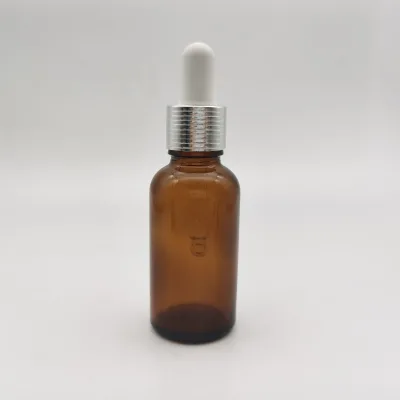


Gift Box Printed Packaging Cosmetic Glass Essential Oil Dropper Paper Box
$0.05 - $0.15
MOQ: 1000 Pieces


Hot Cosmetic Packaging Skin Care Essential Oil Spray and Dropper Bottle
$0.10 - $1.00
MOQ: 10000 Pieces


Customizable Cosmetic Glass Perfume Bottle with Dropper for Personalized Branding
$0.10 - $0.11
MOQ: 5000 Pieces


Comprehensive Sourcing Guide
Custom Cosmetics Dropper Bottle Box Sourcing Guide
Sourcing custom packaging for cosmetics dropper bottles requires a nuanced understanding of both the protective needs of fragile glass components and the aesthetic demands of premium beauty branding. The market offers a wide array of solutions, ranging from simple cardboard mailers to rigid, high-end gift boxes with custom inserts. Buyers must navigate a landscape where material choices, structural integrity, and decorative finishes directly impact the perceived value of the product and its safety during transit. This guide outlines the critical verification steps, technical considerations, and commercial terms necessary to secure reliable packaging suppliers who can meet specific brand requirements.
The procurement process for these specialized boxes involves balancing cost-efficiency with brand differentiation. While standard shipping boxes provide basic protection, custom-designed packaging often serves as a primary marketing tool, requiring precise alignment with the brand’s visual identity. Suppliers typically offer extensive customization options, including logo printing, color matching, and structural design services. However, the complexity of these customizations introduces variables in pricing, lead times, and quality control that buyers must actively manage to ensure consistent product presentation and supply chain reliability.
Product Scope and Observed Listing Signals
The observed product landscape for custom cosmetics dropper bottle boxes reveals a diverse range of materials and structural designs. Listings frequently indicate the use of cardboard as the primary material, with weights often under 0.5 kg, suggesting lightweight yet durable construction suitable for shipping and retail display. The shapes are predominantly rectangular, designed to accommodate standard cylindrical dropper bottles, though custom dimensions are widely available. Buyers should note that while many suppliers offer flat-packed boxes to reduce shipping volume and costs, others provide pre-assembled or rigid structures that offer superior protection for fragile glass items.
Surface handling and printing techniques are critical differentiators in this category. Offset printing is commonly cited for high-quality, multi-color logo application, while screen printing may be used for specific textural effects or metallic inks. The availability of customized colors and two-sided printing allows for comprehensive branding opportunities. Additionally, some suppliers offer design services to assist buyers in creating unique structural solutions, such as internal inserts or dividers that secure multiple bottles within a single package. These signals indicate a mature supply chain capable of supporting both mass-market efficiency and luxury brand positioning.
Technical Specifications to Verify
Verifying the technical specifications of custom boxes is essential to ensure they meet the physical requirements of the dropper bottles and the logistical needs of the supply chain. Buyers must confirm the exact dimensions, including internal clearances, to ensure a snug fit that prevents movement during transit. The thickness of the cardboard or paperboard is a key factor in determining crush resistance and overall durability. Suppliers often offer customized thickness options, but buyers should request specific GSM (grams per square meter) or board grade information to assess structural integrity, especially for heavier glass bottles or those with complex dropper mechanisms.
The sealing and assembly method of the box also requires careful verification. Whether the box is flat-packed for efficient storage or pre-assembled for immediate use, the locking mechanism or adhesive quality must be robust. For high-volume shipments, the ability to stack boxes without deformation is crucial. Additionally, the type of surface finish, such as matte, glossy, or soft-touch coatings, should be specified to match the brand’s tactile expectations. Buyers should also inquire about the compatibility of the box with any internal packaging materials, such as foam inserts or paper dividers, to ensure a cohesive and protective unboxing experience.
Compliance and Safety Documentation
Compliance and safety documentation are paramount when sourcing packaging for cosmetics, as these products often come into direct contact with sensitive skin and are subject to strict regulatory scrutiny. Buyers should verify that suppliers hold relevant certifications, such as ISO 9001 for quality management systems, which indicates a standardized approach to production consistency. Additionally, audits like BSCI, Disney, or FSC may be required depending on the brand’s ethical sourcing policies and target markets. These certifications provide assurance that the manufacturing processes adhere to recognized standards for labor practices, environmental sustainability, and product quality.
The materials used in the construction of the boxes must also be evaluated for safety and regulatory compliance. Buyers should request material safety data sheets (MSDS) or declarations of conformity to ensure that inks, adhesives, and coatings are free from harmful substances such as heavy metals or volatile organic compounds (VOCs). This is particularly important for cosmetics packaging, as any chemical migration from the box to the bottle or its contents could pose health risks. Suppliers should be able to provide evidence that their materials meet the regulatory requirements of the destination market, such as REACH in Europe or FDA guidelines in the United States.
Cost Drivers and Commercial Terms
The cost of custom cosmetics dropper bottle boxes is influenced by several key factors, including material selection, printing complexity, and order volume. The observed price range in the market varies significantly, reflecting differences in quality, customization level, and supplier capabilities. Buyers should expect higher costs for complex designs, such as those involving multiple printing colors, special finishes, or custom structural elements. Additionally, the choice between flat-packed and pre-assembled boxes can impact unit prices, with flat-packed options often being more cost-effective due to reduced shipping and storage costs.
Commercial terms, including minimum order quantities (MOQs) and sample policies, are critical components of the procurement strategy. MOQs typically range from 100 to 10,000 units, allowing for flexibility depending on the buyer’s production scale. Suppliers often offer free samples to allow buyers to evaluate quality and design before committing to a large order, with sample times usually ranging from one to three days. Buyers should also clarify payment terms, shipping responsibilities, and lead times to avoid unexpected delays or costs. Understanding these commercial dynamics helps in negotiating favorable terms and aligning procurement plans with production schedules.
Supplier Qualification and Quality Control
Qualifying suppliers for custom cosmetics packaging requires a thorough assessment of their production capabilities, quality control processes, and customer service responsiveness. Buyers should verify the supplier’s experience in handling similar products, particularly those involving fragile glass items or high-end cosmetic branding. Requesting references or case studies can provide insights into the supplier’s reliability and ability to meet tight deadlines. Additionally, evaluating the supplier’s infrastructure, such as printing equipment and finishing capabilities, ensures they can deliver the desired quality and consistency.
Quality control measures should be clearly defined and agreed upon before production begins. Buyers should establish specific acceptance criteria for dimensions, print quality, color accuracy, and structural integrity. Implementing a pre-production sample approval process is crucial to catch any potential issues early. During mass production, regular inspections or third-party quality audits can help ensure that the final products meet the agreed-upon standards. Clear communication channels and a responsive customer service team are also essential for addressing any issues that may arise during the procurement process.
Long-Term Procurement Checks
Establishing long-term procurement relationships with packaging suppliers involves continuous monitoring and evaluation to ensure sustained quality and value. Buyers should regularly review supplier performance metrics, such as on-time delivery rates, defect rates, and responsiveness to issues. Conducting periodic audits or site visits can provide deeper insights into the supplier’s operational practices and identify areas for improvement. Additionally, staying informed about industry trends and technological advancements can help buyers leverage new materials or processes that enhance product quality or reduce costs.
Flexibility and adaptability are key to navigating changes in market demands and regulatory requirements. Buyers should maintain open communication with suppliers to discuss potential changes in design, material, or volume requirements. Building a diversified supplier base can mitigate risks associated with single-source dependencies and provide options for scaling production up or down as needed. By fostering collaborative relationships and prioritizing transparency, buyers can secure a reliable supply chain that supports their brand’s growth and success in the competitive cosmetics market.
FAQs
Can I get custom logo printing on these boxes?
Yes, logo printing is available for these custom cosmetics dropper bottle boxes. The surface handling supports offset printing, and you can request customized colors to match your brand identity for a professional finish.
What is the sample time for these products?
The sample time is typically 1 to 3 days for these items. This allows for quick evaluation of the design and quality before proceeding with a larger order, ensuring the product meets your specific requirements.
Which certifications do the manufacturers hold?
Manufacturers hold audits including BSCI, Disney, FSC, and ISO9001 standards. These certifications ensure ethical sourcing and quality management, providing assurance for international buyers regarding compliance and production safety standards.
How are the boxes packed for shipping?
The boxes are packed in cartons and can be flat-packed to save space. This packaging method reduces shipping costs and prevents damage during transit, making it ideal for bulk orders of cosmetic packaging.
What is the minimum order quantity for these boxes?
The minimum order quantity ranges from 100 to 10,000 units depending on the specific supplier. This flexible MOQ allows businesses of various sizes to source custom packaging without committing to excessive inventory levels.
Can I customize the thickness of the cardboard?
Yes, the thickness of the cardboard can be customized to suit your needs. This flexibility ensures the box provides adequate protection for your cosmetics while maintaining the desired aesthetic and structural integrity for your products.
What is the origin of these packaging products?
The origin of these products is China. This location is a major hub for manufacturing packaging solutions, offering competitive pricing and a wide range of customization options for global buyers seeking reliable supply chains.