Source Custom Embroidered Unisex Hoodie for Travel, Sport, and Streetwear
Explore 30 options for a Custom Embroidered Unisex Hoodie featuring breathable fleece, regular fit, and various printing techniques. Compare specifications like fabric weight, sleeve style, and collar types to find the right supplier for your brand.
Key considerations
Products List

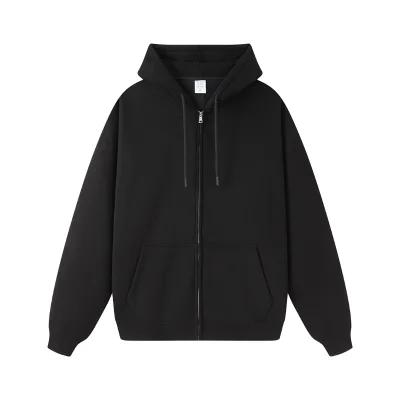


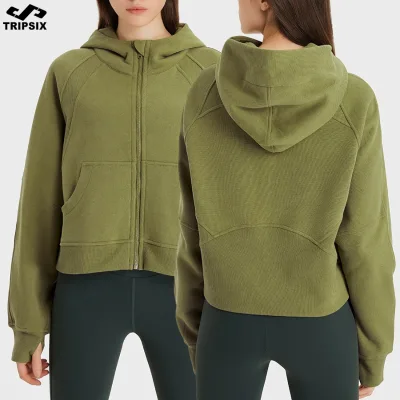


Custom Embroidery Logo Print Unisex Pullover Mens White Hoodies with No String
$5.00 - $13.00
MOQ: 100 Pieces


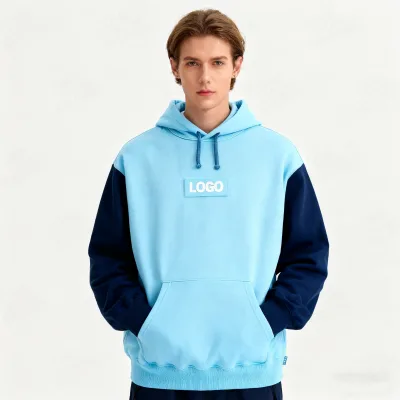


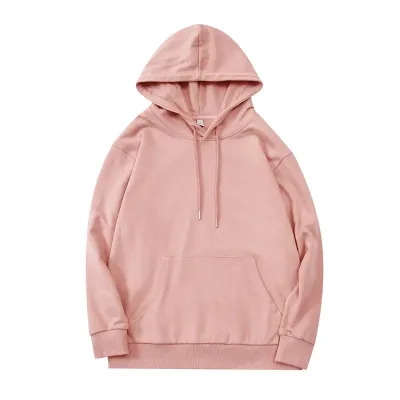
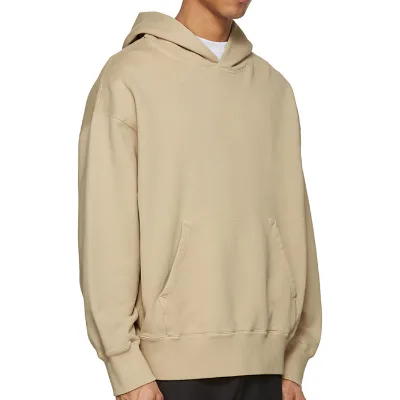
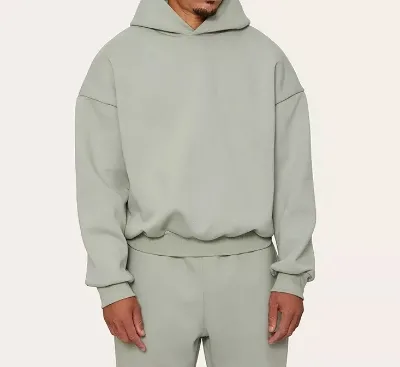
Comprehensive Sourcing Guide
Custom Embroidered Unisex Hoodie Sourcing Guide
Sourcing custom embroidered unisex hoodies requires a strategic balance between aesthetic customization, material performance, and supply chain reliability. The modern apparel market demands garments that serve multiple demographics while maintaining high-quality construction standards. Buyers must navigate a landscape where "unisex" sizing often overlaps with men’s and women’s fits, necessitating precise size chart verification to ensure customer satisfaction. This guide provides a structured approach to evaluating suppliers, verifying technical specifications, and managing commercial risks associated with bulk apparel procurement.
The following sections detail the critical decision points for procurement professionals. By focusing on observable listing signals, technical verification, compliance documentation, cost structures, supplier qualification, and long-term checks, buyers can build a resilient sourcing strategy. Each section is designed to help you ask the right questions and validate supplier claims before committing to large-volume orders, ensuring that the final product aligns with your brand’s quality expectations and market positioning.
Product Scope and Observed Listing Signals
When evaluating product listings, it is essential to distinguish between generic templates and specific, verifiable product attributes. Observed data indicates a wide range of customization options, including various printing and embroidery techniques such as puff print, 3D embroidery, flocking, and hand embroidery. Buyers should verify that the supplier explicitly supports the specific embroidery method required for their design, as techniques like 3D embroidery or towel embroidery require specialized machinery and may impact lead times and unit costs. The presence of multiple style descriptors, such as "oversized," "streetwear," or "Y2K," suggests a flexible manufacturing base, but buyers must confirm that the specific silhouette matches their target demographic’s fit preferences.
Material composition and fabric weight are critical indicators of quality and end-use suitability. Listings often cite blends such as polyester and cotton, with fabric weights around 350 grams, which is typical for mid-to-heavyweight hoodies suitable for spring, autumn, or winter wear. However, buyers must verify if the fabric weight is fixed or customizable, as some suppliers offer adjusted weights based on client needs. Additionally, features like breathability, anti-wrinkle properties, and windproof capabilities should be cross-referenced with the actual fabric type, such as fleece, to ensure the garment performs as advertised in its intended climate conditions.
Technical Specifications to Verify
Accurate technical specifications are the foundation of successful apparel procurement. Buyers must verify the collar type, sleeve style, and fit type to ensure the hoodie aligns with design requirements. Common observations include O-neck or hooded collars, regular sleeves, and fit types ranging from slim to oversized. It is crucial to confirm whether the hood is fixed or adjustable, as this impacts both the aesthetic and the functional durability of the garment. Size ranges typically span from S to 2XL, but buyers should request detailed measurement charts for each size to account for the variance in unisex sizing, which often defaults to men’s cuts.
Packaging and labeling specifications are equally important for retail readiness and brand consistency. Standard packaging often involves OPP bags, but buyers should confirm if custom packaging is available and what the associated costs are. The single package dimensions and gross weight, such as 50x30x5 cm and 1.500 kg respectively, are vital for calculating shipping costs and warehouse storage requirements. Furthermore, buyers must verify the logo placement options, such as front, back, or sleeve, and ensure that the supplier can handle complex logo placements without compromising the integrity of the embroidery or print.
Compliance and Safety Documentation
Compliance and safety are non-negotiable aspects of international apparel trade. Buyers must request documentation that verifies the safety of the materials and the manufacturing process. This includes checking for needle detection results, as the absence of metal fragments is critical for consumer safety, especially in garments with dense embroidery or metal hardware. Suppliers should provide evidence of compliance with relevant safety standards, such as REACH or CPSIA, depending on the target market, to ensure that the fabrics and dyes used are free from harmful substances.
Environmental and ethical certifications may also be required, particularly if the brand positions itself as eco-friendly. Buyers should verify if the supplier holds certifications such as GOTS (Global Organic Textile Standard) or OEKO-TEX, which attest to the sustainable sourcing of materials and safe chemical management. Even if not explicitly listed, buyers should inquire about the supplier’s waste management practices and labor standards to mitigate reputational risks. Ensuring that the supplier can provide these documents before production begins is a key step in maintaining brand integrity and regulatory compliance.
Cost Drivers and Commercial Terms
Understanding the cost drivers behind custom embroidered hoodies is essential for accurate budgeting and pricing strategy. Key factors include the complexity of the embroidery design, the number of colors used, and the fabric weight. More intricate designs, such as 3D embroidery or puff print, typically incur higher costs due to the specialized equipment and time required. Buyers should also consider the impact of customization on unit prices, as options like custom fabric weight, label placement, and unique colorways may increase the base cost.
Commercial terms, including MOQ (Minimum Order Quantity) and lead times, significantly influence procurement planning. Observed MOQs can range from 1 to 1000 pieces, with some suppliers offering lower MOQs for sample orders or initial trials. Lead times for samples are often around 7 days, but bulk production lead times can vary based on order volume and customization complexity. Buyers should negotiate clear terms for sample approval, production timelines, and payment schedules to avoid delays and ensure that the supply chain remains flexible and responsive to market demands.
Supplier Qualification and Quality Control
Supplier qualification is a critical step in mitigating sourcing risks. Buyers should assess the supplier’s production capacity, technical expertise, and quality control processes. A qualified supplier should have a proven track record in producing custom embroidered garments, with evidence of consistent quality across different batches. Buyers should request references or case studies from previous clients to verify the supplier’s reliability and ability to meet deadlines. Additionally, it is important to evaluate the supplier’s communication skills and responsiveness, as these factors are crucial for resolving issues during the production process.
Quality control measures should be implemented at every stage of production, from material sourcing to final inspection. Buyers should establish clear quality standards and inspection criteria, including checks for stitching integrity, embroidery precision, and fabric consistency. Third-party inspection services can be employed to verify that the products meet the agreed-upon specifications before shipment. By implementing robust quality control protocols, buyers can minimize the risk of defects and ensure that the final products meet their brand’s quality expectations.
Long-Term Procurement Checks
Long-term procurement success depends on continuous monitoring and relationship management. Buyers should regularly review supplier performance metrics, such as on-time delivery rates, defect rates, and responsiveness to issues. Establishing a feedback loop with the supplier can help identify areas for improvement and foster a collaborative partnership. Buyers should also stay informed about industry trends and technological advancements in embroidery and apparel manufacturing, as these developments can offer opportunities for innovation and cost savings.
Diversifying the supplier base is a prudent strategy to mitigate risks associated with single-source dependency. By maintaining relationships with multiple qualified suppliers, buyers can ensure continuity of supply in case of disruptions. Regular audits and performance reviews should be conducted to ensure that suppliers continue to meet compliance and quality standards. By adopting a proactive and strategic approach to supplier management, buyers can build a resilient and efficient supply chain that supports long-term business growth.
FAQs
What is the minimum order quantity for custom embroidered unisex hoodies?
The minimum order quantity is 100 pieces. This threshold allows for efficient production scheduling and ensures that the embroidery setup costs are distributed across a sufficient number of units to maintain competitive pricing for bulk buyers.
What fabric weight is available for these custom hoodies?
The standard fabric weight is 350 grams, which provides a balanced feel suitable for spring and autumn wear. However, customized fabric weights are available according to specific buyer needs, allowing for adjustments in thickness and warmth for different seasonal requirements.
Can I customize the logo placement and embroidery style?
Yes, logo customization is available with front placement as the standard option. You can choose from various embroidery techniques including puff print, 3D embroidery, and hand embroidery. This flexibility allows for distinct brand visibility and texture variations on the garment.
What is the lead time for sample orders?
Sample orders are supported with a lead time of 7 days. This quick turnaround allows buyers to verify fabric quality, embroidery precision, and fit before committing to a larger production run, ensuring the final product meets specific design requirements.
What are the available sizes for these unisex hoodies?
The hoodies are available in sizes S, M, L, XL, and 2XL. This range covers most adult body types, supporting the unisex design intent. The fit can be adjusted to slim, normal, or oversized depending on the specific style preference of the target audience.
What packaging options are provided for these hoodies?
The standard packaging uses OPP bags, which are lightweight and cost-effective for bulk shipping. The single package size is 50x30x5 cm with a gross weight of 1.5 kg. This packaging method protects the garments during transit while minimizing shipping volume and costs.
What materials are used in these custom hoodies?
The primary material is a blend of polyester and cotton, which offers durability and comfort. The fabric type is fleece, providing warmth and a soft hand feel. This combination is suitable for sport and casual styles, ensuring the garment remains breathable and durable.