Source Universal Leather Steering Wheel Cover for Cars, Trucks, and SUVs
Compare 30 listings for Universal Leather Steering Wheel Cover options from verified suppliers. Buyers can evaluate materials like PVC and PU, customization features, and pricing to find the best fit for their vehicle needs; compare the available evidence and request quotations based on your requirements.
Key considerations
Products List






Comprehensive Sourcing Guide
Universal Leather Steering Wheel Cover Sourcing Guide
Product Scope and Observed Listing Signals
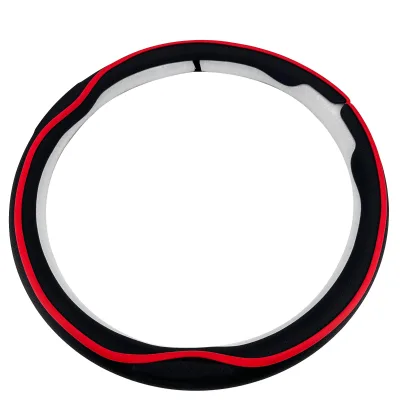
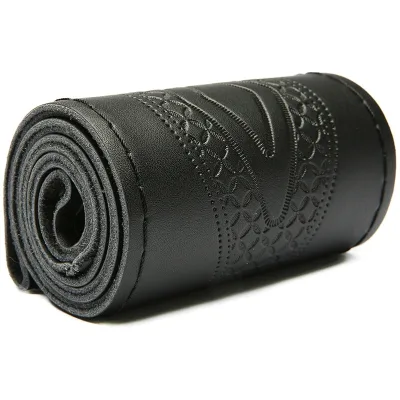
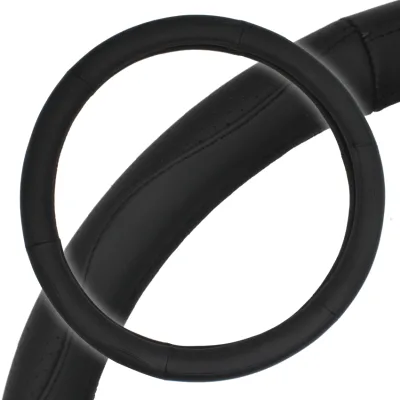
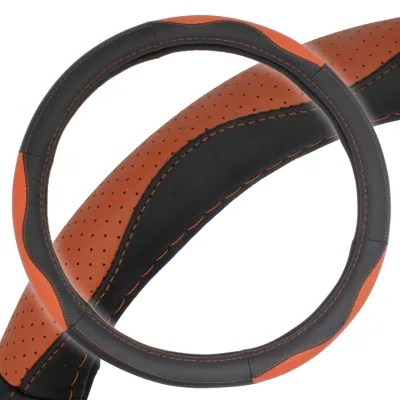
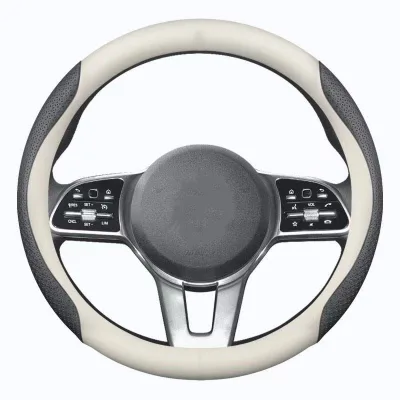
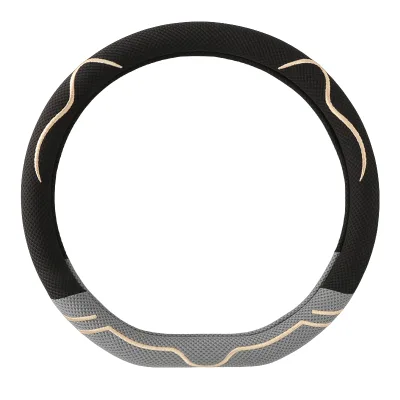
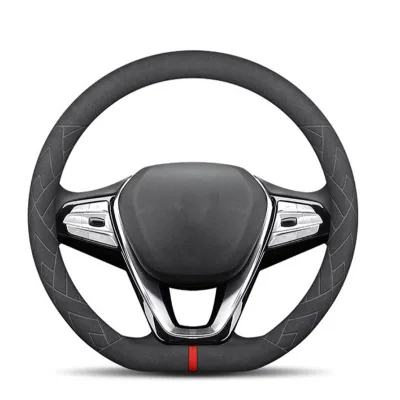
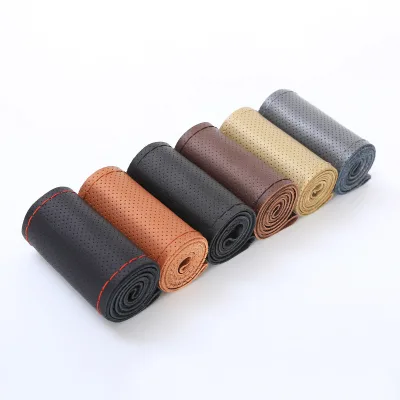
The supplied product pages describe a category of universal leather steering wheel covers positioned as all-match accessories, with listings identifying materials as Leather, PVC, PU, or combinations of these. Observed attributes include customization availability, acceptance of OEM logos, optional colors, and packaging in OPP packs or cartons. Model numbers appearing in the listings include 105015, 105017, 105018, 105019, 105041, 105063, 7615, 7694, LE1405, LE1406, 5702, 5706, and HY86, which signals a broad catalog rather than a single-item offer.
Listing signals also reveal supplier-side commercial framing. One brand name shown is SMARLION, another is HAIYUAN, with origins stated as Zhejiang, China and Guangdong, China. Observed MOQ figures range from 1 to 1000 pieces, including a stated 1000PC MOQ on some listings and 100pcs on another, and observed price points fall within a low single-dollar band of 1–10 USD. One listing states car fitment for Audi, BMW Brilliance, and AACHEN SCHNAZER AC SCHNITZER, while others state universal fitment, so buyers should treat vehicle compatibility claims as listing-level observations requiring confirmation.
Technical Specifications to Verify
Buyers should treat material descriptors such as Leather, PVC, and PU as claims to be tested rather than settled facts. Listings that combine "Leather/PVC/PU" as a major material field leave the actual surface and backing composition ambiguous, so request a bill of materials distinguishing face material, foam or padding layer, stitching thread, and inner grip ring. One listing specifies a 4-spoke configuration and a 430 diameter, while another states size 38*8.2 and size M, illustrating inconsistent sizing conventions across the category.
Because the listings themselves use different dimension systems, require each candidate supplier to provide a sizing chart with grip circumference, wheel diameter tolerance, and elastic or lacing method. Confirm whether a "universal" cover genuinely accommodates the wheel diameters of your target vehicles, and ask for sample fittings on reference wheels. Also verify weight claims such as the stated 1.3kg and 0.550 kg single gross weight figures, the 45X42X8 cm package size, and selling unit definitions, since these affect freight calculations and warehouse handling. Record all confirmed values in a specification sheet before sampling.
Compliance and Safety Documentation
None of the supplied listing attributes establish certification status, and the product pages should not be read as evidence that any listed item satisfies a given standard. Buyers should therefore ask each supplier to state which regulations apply in destination markets for a steering wheel cover that contacts skin and is mounted on a safety-related component. Request material safety declarations for PVC and PU components, including plasticizer and heavy-metal content relevant to your market, without assuming any specific limit value until you confirm the applicable regime.
The stated product standards in the listings — "Unverisal" and "Export Standard" — are not recognizable, verifiable standards, so treat them as marketing fields. Ask for the underlying documentation behind any compliance claim: test reports with report numbers, the laboratory name, and the material batches covered. Confirm flammability and slip-resistance expectations with your own testing if steering-wheel contact safety matters to your channel. Keep copies of reports tied to production lots, and require retesting notification if the supplier changes material suppliers, since leather and PU sourcing changes are common in this category.
Cost Drivers and Commercial Terms
The observed 1–10 USD price band suggests an economy accessory category, but buyers should decompose cost rather than accept a headline figure. Principal drivers are the face material (genuine leather commands a premium over PU and PVC), stitching complexity, embossing or perforation, logo application, and packaging choice between OPP packs and cartons. Customization is listed as available and OEM logos are accepted, so obtain itemized quotations separating unit price from tooling, logo setup, and sample charges.
Commercial terms also vary within the observed data. MOQ figures span 1 to 1000 pieces across listings, with 1000PC and 100pcs both appearing, so align MOQ with your inventory plan and negotiate trial-order quantities where possible. One listing shows a 40-day packing-related field, which may indicate production lead time, but you must confirm actual lead time in writing, including whether it runs from order confirmation or deposit. Clarify Incoterms, payment structure, and whether quoted prices assume specific color assortments, since "color optional" can carry surcharges on low-volume mixed orders.
Supplier Qualification and Quality Control
Begin qualification by verifying that the supplier actually manufactures the listed models rather than trading them. The observed origins — Zhejiang, China and Guangdong, China — are both established accessory manufacturing regions, but origin alone does not indicate capability. Request factory information, production-line photos or video audits, and references from the specific model numbers quoted, such as 105018 or HY86, to confirm the same factory produces what you will receive.
Quality control should be anchored to the risks of the material mix: colorfastness of dyed leather and PU, seam strength at lacing holes, elasticity retention of the inner ring, and odor from PVC compounds. Define an inspection plan covering incoming material checks, in-process stitching audits, and pre-shipment AQL sampling at a level you specify. Require golden samples approved and sealed before mass production, with retained counter-samples on both sides. Given observed multi-color options such as RED BLACK, Amber brown, Shaohua Apricot, Wine Red, and Mocha brown, verify color consistency across production batches under standardized lighting conditions.
Long-Term Procurement Checks
Sustained sourcing from this category depends on monitoring drift in both product and supplier conditions over time. Establish periodic re-verification of materials against your approved specification, because PU and PVC formulations are frequently substituted when raw material costs move. Track defect rates by lot and by model, and require the supplier to report any change in material supplier, stitching subcontractor, or inner-ring sourcing. Revisit sizing and fitment data whenever you add vehicle applications, since universal claims may not hold across wheel geometries.
Commercially, review MOQ, pricing, and lead time at agreed intervals, using your accumulated order history as leverage and documenting any agreed concessions in updated contracts. Maintain at least one qualified alternate supplier for your core models so a single factory disruption does not halt supply, and validate the alternate with the same sampling process. Keep compliance documentation current with periodic retesting, particularly if regulations in your destination markets change. Finally, consolidate feedback from end users on wear, fading, and fit, and feed it into annual specification revisions with your suppliers.
Supplier Qualification and Quality Control
Documentation discipline separates reliable suppliers from opportunistic ones. Beyond the factory audit, verify business licenses, export history, and whether the stated brand names on listings correspond to registered trademarks you are authorized to sell under. Ask how OEM logo acceptance is handled contractually, including artwork approval, logo placement tolerances, and protection of your designs from resale to other buyers. A supplier that accepts custom logos should demonstrate a controlled approval workflow, not just a willingness to print.
Operational capability should be assessed against the observed product attributes. Confirm capacity for the stated MOQ levels — whether 100 or 1000 pieces — without unreasonable lead-time extension, and check whether carton packaging as described is standard or requires extra cost. Evaluate responsiveness during sampling: slow answers on material composition or sizing questions during pre-sale usually predict slower problem resolution after shipment. Score candidate suppliers on documentation completeness, sample accuracy against the specification sheet, and communication clarity before awarding volume.
FAQs
What materials are used in these universal leather steering wheel covers?
The listed universal leather steering wheel covers are made from leather, PU, or PVC, depending on the model. Buyers can confirm the exact material for each product code before ordering, since the category lists multiple material options. Material choice affects grip, texture, durability, and price, so request samples to compare leather, PU, and PVC versions.
Can I order custom colors or an OEM logo on the steering wheel cover?
Yes, customization is available and OEM logos are accepted on these products. Colors are optional, with listed choices including red black, black, amber brown, Shaohua Apricot, wine red, and mocha brown. Discuss logo placement, artwork format, and color matching with the supplier before production, and confirm any additional cost or longer lead time for customized orders.
What is the minimum order quantity for these steering wheel covers?
Minimum order quantities vary by listing: some products show an MOQ of 100 pieces, while others state 1000 pieces per order. Because listings differ, always confirm the specific MOQ for the model you want before placing an order. Small trial orders at the lower MOQ are a practical way to test quality and market demand first.
Which car models fit a Universal Leather Steering Wheel Cover?
These covers are designed as universal or all-match products, so they fit most standard steering wheels, including fitment notes for Audi and BMW Brilliance models in some listings. Measure your steering wheel diameter before ordering, since sizes such as M or 430 mm appear in the specifications. Confirm the size chart with the supplier for a secure, non-slip fit.
How are the steering wheel covers packed and how long does production take?
Packaging options shown on the listings include OPP packs and cartons, with some products quoting a production or packing period of 40 days. Selling units are typically single items, and one listing shows a package size of 45x42x8 cm with a gross weight of 0.55 kg. Confirm packing format, carton quantity, and delivery time in writing before confirming your order.
Where are these universal leather steering wheel covers produced?
The listed products originate from Zhejiang and Guangdong provinces in China, which are common manufacturing regions for automotive accessories. Origin can influence shipping cost, transit time, and supplier capabilities, so compare candidates across both regions. When sourcing, ask each supplier to confirm its exact production location, export experience, and ability to meet your destination market requirements.