Source Custom Leather Executive Planner for School, Gift, Promotion
Compare 30 Custom Leather Executive Planner options with varying sizes, binding types, and cover materials. Buyers can evaluate specifications for school, gift, and promotion uses with MOQs ranging from 50 to 5000 pieces; compare the available evidence and request quotations based on your requirements.
Updated
Key considerations
Products List


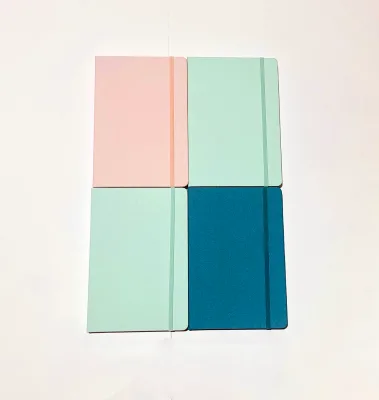

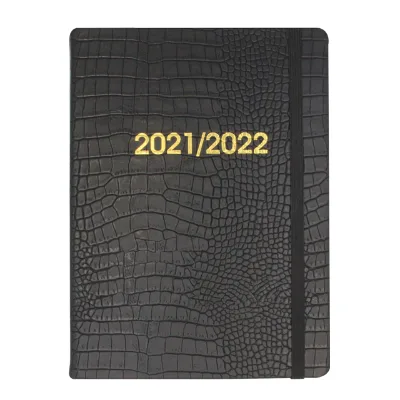
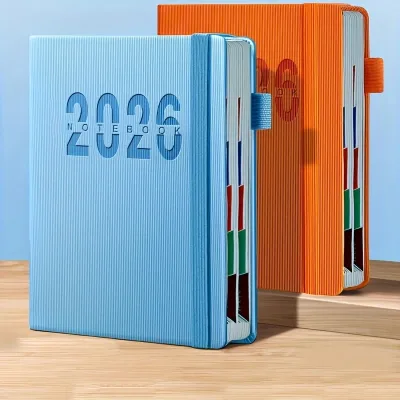


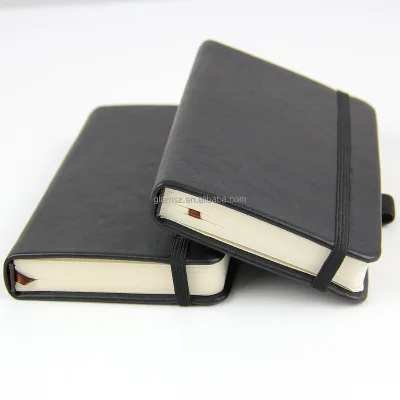


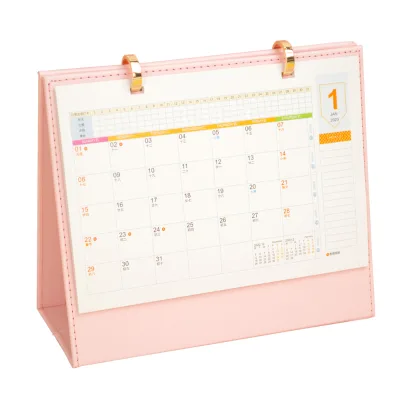
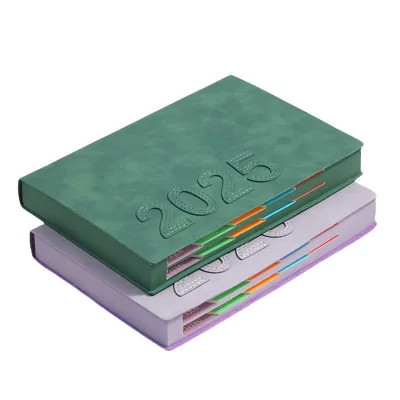
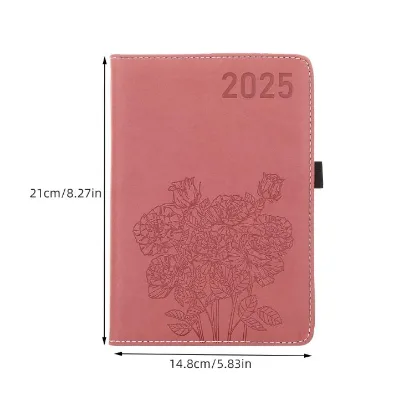
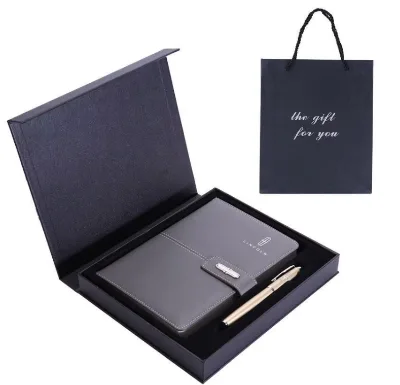

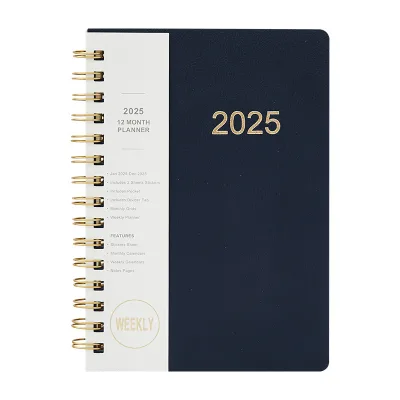
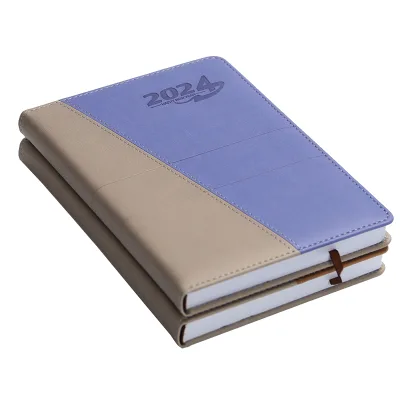


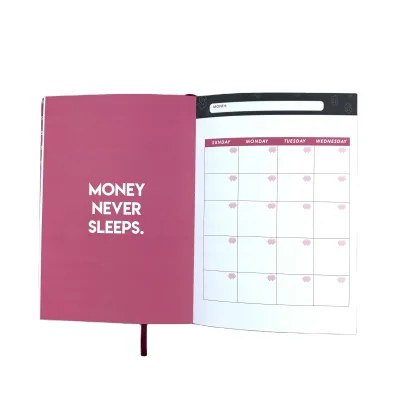
Custom Printing Notebooks Leather Journal Calendar Book Weekly Planner Agendas
$1.68 - $3.32
MOQ: 5000 Pieces
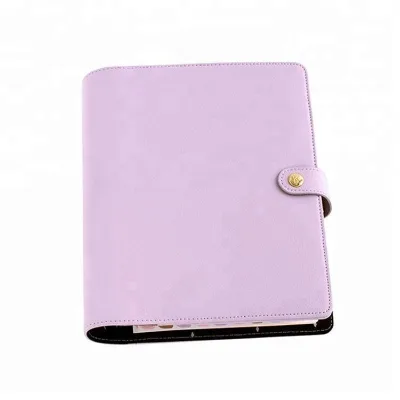
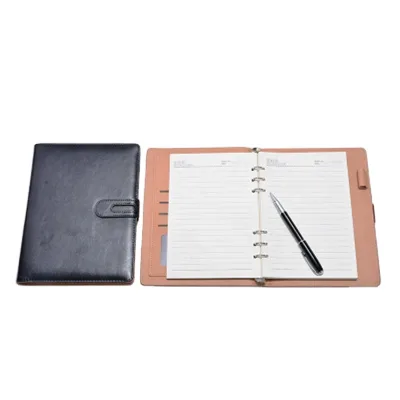
Comprehensive Sourcing Guide
Custom Leather Executive Planner Sourcing Guide
Sourcing custom leather executive planners requires a strategic approach to balancing aesthetic appeal with functional durability. Buyers must first define the specific use case, whether for corporate gifting, promotional campaigns, or internal organizational tools. The market offers a variety of styles, including hardcover designs and loose-leaf options, allowing for tailored solutions that meet distinct professional needs. Understanding these variations is crucial for selecting the right product that aligns with brand identity and user expectations.
The procurement process involves evaluating multiple material and binding options to ensure longevity and usability. Common cover materials include PU leather and genuine leather, each offering different tactile experiences and cost structures. Binding methods range from glue-bound to sewing thread and loose-leaf systems, influencing the planner’s ability to lay flat and withstand frequent use. Buyers should prioritize suppliers who offer customization services, enabling the integration of specific logos, colors, and design elements that reinforce corporate branding.
Product Scope and Observed Listing Signals
The current market landscape for custom leather executive planners reveals a diverse range of product attributes and specifications. Listings frequently highlight features such as horizontal line printing on inside pages, with inner page counts varying between 80 and 120 sheets. Sizes are commonly standardized, with A5 and 32K formats being prevalent, ensuring compatibility with standard desk accessories and bag compartments. These observations indicate a strong focus on practicality and portability, catering to professionals who require organized scheduling tools that are easy to carry and use daily.
Customization is a dominant theme in the observed listings, with many suppliers offering OEM services and tailored design options. Buyers can expect to find products with customizable logos, specific color choices like yellow or blue, and various cover materials including PU leather and hard paper. Some listings also mention additional features such as locks or sublimation printing capabilities, suggesting a broad spectrum of functional and decorative possibilities. These signals help buyers identify suppliers who can accommodate unique branding requirements and specific functional demands.
Technical Specifications to Verify
When evaluating technical specifications, buyers should verify the exact dimensions and page counts to ensure they meet operational needs. Common sizes include 148x210mm, which corresponds to the A5 standard, providing a balanced format for detailed note-taking and scheduling. The number of inner pages typically ranges from 80 to 120 sheets, offering sufficient space for daily planning without excessive bulk. Confirming these details with suppliers is essential to avoid discrepancies between ordered specifications and delivered products, ensuring consistency across large procurement orders.
Binding methods and cover materials significantly impact the planner’s durability and user experience. Options such as glue binding, sewing thread, and loose-leaf systems each have distinct advantages in terms of lay-flat capability and page replacement flexibility. Cover materials like PU leather and hard paper offer different levels of protection and aesthetic appeal. Buyers should request samples to assess the quality of these components, paying close attention to the finish, texture, and overall construction to ensure the product meets professional standards and withstands regular use.
Compliance and Safety Documentation
Compliance and safety documentation are critical components of the procurement process, ensuring that products meet international standards and regulatory requirements. While specific certifications like FSC may be relevant for paper sourcing, buyers should verify the availability of such documentation from suppliers. This includes confirming that the materials used, such as leather and paper, adhere to environmental and safety regulations. Requesting detailed compliance reports helps mitigate risks associated with non-conforming products and ensures that the planners are suitable for global distribution and use.
Buyers should also inquire about the manufacturing standards and quality control processes employed by suppliers. Understanding the standards against which products are tested, such as A5 specifications or customized requirements, provides insight into the supplier’s commitment to quality. Documentation should cover aspects like material safety, printing inks, and binding adhesives, ensuring that all components are safe for end-users. This due diligence is particularly important for corporate gifts and promotional items, where brand reputation is closely tied to product quality and safety.
Cost Drivers and Commercial Terms
Cost drivers for custom leather executive planners include material selection, customization complexity, and order volume. The choice between PU leather and genuine leather, as well as the inclusion of features like locks or sublimation printing, can significantly impact the unit price. Minimum order quantities (MOQs) typically range from 50 to 5000 pieces, influencing the overall cost structure and pricing tiers. Buyers should negotiate based on volume discounts and clearly define the scope of customization to avoid unexpected charges and ensure budget alignment.
Commercial terms such as lead times, payment conditions, and packaging requirements are essential for effective supply chain management. Sample times often range from 7 to 14 days, while delivery times can extend to 15-20 days or more, depending on order size and complexity. Packaging options, including OPP bags and carton boxes, should be specified to protect products during transit. Clear communication of these terms helps in planning inventory levels and managing cash flow, ensuring a smooth procurement process from order placement to final delivery.
Supplier Qualification and Quality Control
Supplier qualification involves assessing the manufacturer’s capabilities, production capacity, and quality control systems. Buyers should verify the supplier’s location, with common origins including Jinan, Zhejiang, and Guangzhou in China, to understand logistical advantages and potential risks. Evaluating the supplier’s experience in OEM services and their ability to handle customized orders is crucial for ensuring that specific branding and design requirements are met. Requesting references and conducting site audits can provide valuable insights into the supplier’s operational efficiency and reliability.
Quality control measures should be established to monitor production processes and final product inspections. This includes defining acceptance criteria for materials, printing quality, and binding integrity. Buyers should implement a robust inspection protocol, potentially involving third-party inspection services, to verify that products meet specified standards before shipment. Regular communication with suppliers regarding quality issues and continuous improvement initiatives helps maintain high standards and ensures that the final products align with buyer expectations and brand values.
Long-Term Procurement Checks
Long-term procurement checks focus on building sustainable relationships with suppliers and ensuring consistent product quality over time. Buyers should establish regular review meetings to discuss performance metrics, feedback, and potential improvements. This includes monitoring delivery times, product defect rates, and responsiveness to issues. By maintaining open lines of communication and fostering a collaborative partnership, buyers can leverage supplier expertise to innovate and enhance product offerings, staying competitive in the market.
Continuous evaluation of market trends and supplier capabilities is essential for adapting to changing business needs. Buyers should stay informed about new materials, technologies, and design trends that can enhance the value of custom leather executive planners. Regularly updating procurement strategies and exploring alternative suppliers can mitigate risks and ensure access to the best resources. This proactive approach helps in maintaining a resilient supply chain and achieving long-term procurement goals, supporting the organization’s broader strategic objectives.
FAQs
What customization options are available for custom leather executive planners?
Customization is available for custom leather executive planners, allowing buyers to tailor designs to specific needs. Options include customized inner pages, logos, and styles. The products support OEM services and can be produced according to client requirements. This flexibility ensures the final item meets unique branding or functional demands effectively.
How many sheets are included in the inner pages of these planners?
The inner pages typically contain between 80 and 120 sheets. Some specific models feature exactly 80 sheets. This range provides sufficient space for daily notes and scheduling. Buyers can select the capacity that best fits their usage requirements for organization and planning purposes.
What binding methods are used for these leather executive planners?
Various binding methods are used, including glue binding, loose-leaf systems, and sewing thread. The choice depends on the specific product model and style. Glue binding offers a clean look, while loose-leaf and sewing thread options provide durability and flexibility for different organizational needs and usage patterns.
Can custom leather executive planners be used as promotional gifts?
Yes, these planners are suitable for use as promotional gifts. They are designed for promotion, school, and gift purposes. The customizable nature allows for branding, making them ideal for corporate giveaways. Their practical utility combined with aesthetic appeal ensures they are well-received by recipients in various professional contexts.
What are the typical lead times for sample and bulk production?
Sample time is generally 7-14 days. Bulk delivery time ranges from 15-20 days. These timelines allow for design approval and manufacturing. Buyers should plan their orders accordingly to ensure timely receipt. The lead times reflect standard production cycles for customized leather goods in the industry.
What packaging is used for shipping these executive planners?
Packaging typically involves placing items in OPP bags, followed by carton boxes. Some variations use just OPP bags or direct carton packing. This method protects the products during transit. The packaging ensures that the leather covers and inner pages remain undamaged upon arrival at the destination.