Source Custom Running Sports Socks for Cycling, Basketball, and Daily Wear
Source Custom Running Sports Socks from 30 verified suppliers. Compare options featuring cotton and bamboo fiber materials, medium to thick thickness, and high elasticity. Find manufacturers offering OEM/ODM services, anti-bacterial functions, and various needle counts for daily wear, cycling, and basketball applications.
Updated
Key considerations
Products List


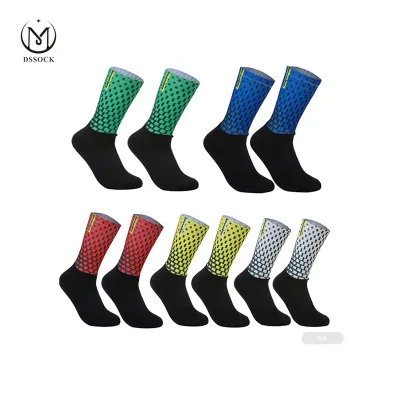
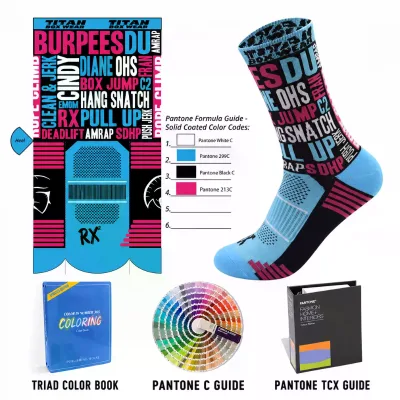
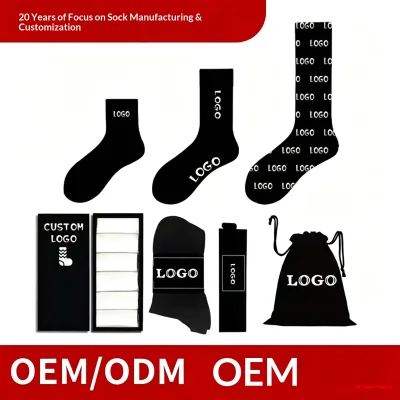
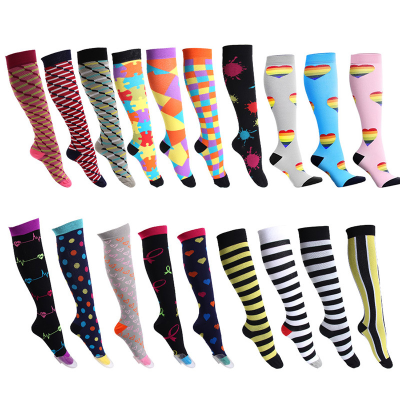
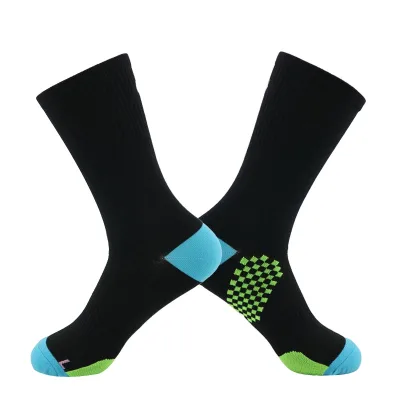
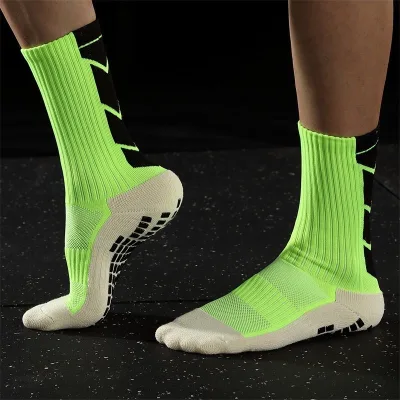
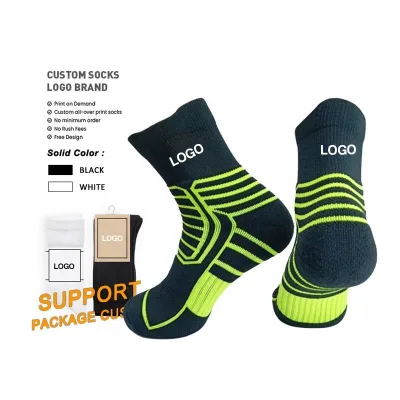
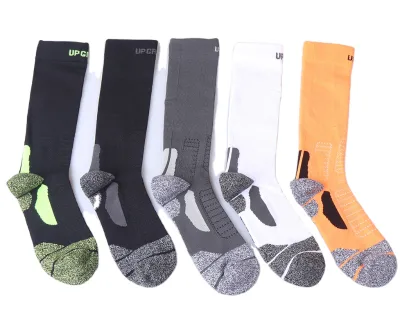
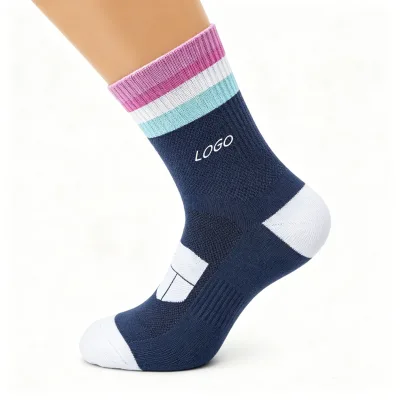
Stocking Running Sport Socks Men Cushion Running and Walking Sports Socks
$1.0278 - $1.5409
MOQ: 100 pairs

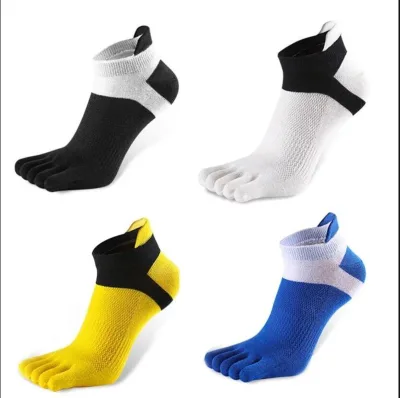
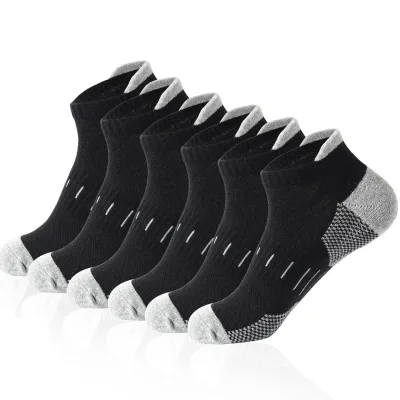
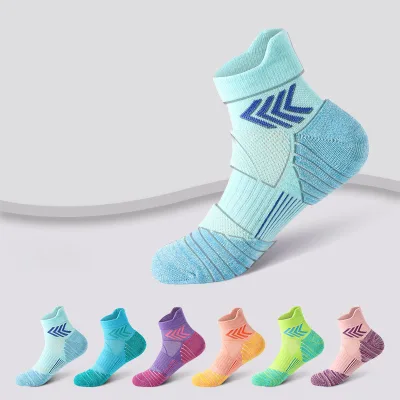
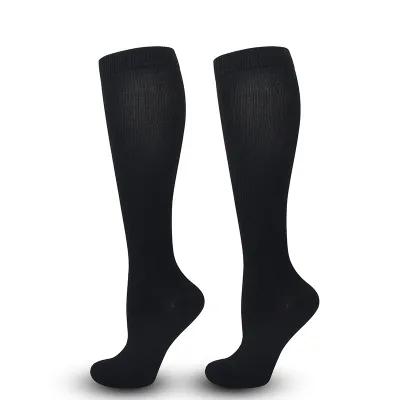
Comprehensive Sourcing Guide
Custom Running Sports Socks Sourcing Guide
Sourcing Custom Running Sports Socks requires a strategic approach that balances performance engineering with brand identity. Buyers must navigate a market where technical specifications directly impact athlete comfort and durability. The following guide outlines the critical verification steps for procurement teams seeking reliable manufacturing partners for high-performance hosiery.
This document focuses on evidence-based decision-making, drawing from observed listing signals and technical attributes. It provides a framework for evaluating suppliers based on tangible capabilities rather than marketing claims, ensuring that every procurement decision is grounded in verifiable data and industry best practices.
Product Scope and Observed Listing Signals
The current market for custom running socks features a diverse range of product models, including specific identifiers like TnfrWncaon3 and Sports Socks-044L. Listings indicate a strong emphasis on versatility, with applications spanning daily wear, cycling, running, basketball, and tennis. This broad applicability suggests that manufacturers are optimizing their production lines for multi-sport utility rather than niche single-use items.
Observed attributes highlight significant customization potential, with options for crew, ankle, and middle-height designs. Buyers should note the presence of various thickness levels, ranging from medium to thick, catering to different seasonal and intensity requirements. The availability of custom packaging and OEM/ODM services further indicates that suppliers are equipped to handle branded retail requirements rather than just generic wholesale distribution.
Technical Specifications to Verify
Technical verification begins with knitting machine capabilities, where needle counts such as 144n, 168n, and 200n are critical for fabric density and durability. Higher needle counts generally produce smoother, more resilient fabrics suitable for high-friction running activities. Buyers must confirm that the supplier’s machinery aligns with the desired fabric quality, as this directly influences the sock’s lifespan and comfort during extended wear.
Material composition and functional treatments are equally important, with cotton and bamboo fiber being common choices for breathability and moisture management. Suppliers offer various techniques including jacquard, embroidery, 3D printing, and non-slip features, which enhance both aesthetic appeal and performance. Procurement teams should verify that the selected material and technique combination meets the specific ergonomic needs of the target athlete demographic.
Compliance and Safety Documentation
Safety and compliance documentation must be rigorously reviewed to ensure that all materials meet international safety standards. While specific certification names are not universally listed, buyers should request evidence of antibacterial properties, which are frequently cited as a key feature in product listings. This verification is crucial for preventing skin irritation and maintaining hygiene, especially for socks designed for high-sweat environments like running and cycling.
Buyers must also ensure that all dyes and finishes used in the production process comply with environmental and health regulations in the destination market. Although standard compliance levels are often described as "custom," this implies that suppliers can tailor their processes to meet specific regulatory requirements. It is essential to obtain written confirmation of these compliance measures before finalizing any large-scale production orders.
Cost Drivers and Commercial Terms
Cost structures for custom running socks are heavily influenced by minimum order quantities (MOQ) and sample development timelines. Observed MOQs typically start at 100 pairs, offering flexibility for small to medium-sized brands, while sample times range from 3 to 7 days. These factors allow buyers to test product quality and fit without committing to excessive inventory, reducing initial financial risk.
Delivery lead times generally span 15 to 25 days, which must be factored into supply chain planning to avoid stockouts during peak selling seasons. Buyers should also consider the cost implications of custom packaging and specialized technical features, as these add layers of complexity to the manufacturing process. Clear communication regarding these commercial terms is vital for maintaining accurate budgeting and realistic delivery expectations.
Supplier Qualification and Quality Control
Supplier qualification requires a thorough assessment of their production capacity and quality control protocols. Buyers should verify the supplier’s ability to handle various needle counts and technical techniques, ensuring they have the expertise to produce high-quality custom designs. The presence of high elasticity and specific size ranges, such as 22-24 cm foot lengths, indicates a focus on fit and comfort, which are critical for customer satisfaction.
Quality control measures should include rigorous testing of material durability, colorfastness, and functional attributes like antibacterial efficacy. Buyers must establish clear acceptance criteria for defects and ensure that the supplier has a robust process for addressing quality issues. Regular audits and sample inspections are recommended to maintain consistency across production batches and uphold brand reputation.
Long-Term Procurement Checks
Long-term procurement success depends on establishing a sustainable partnership with suppliers who can scale with your business. Buyers should monitor supplier performance over time, tracking metrics such as on-time delivery, defect rates, and responsiveness to design changes. This ongoing evaluation helps identify potential risks and ensures that the supply chain remains resilient against market fluctuations.
Continuous innovation in product design and technology is also essential for staying competitive in the running sports market. Buyers should encourage suppliers to stay updated on the latest knitting techniques and material advancements, such as improved moisture-wicking fabrics or enhanced ergonomic designs. By fostering a collaborative relationship, buyers can leverage supplier expertise to develop unique products that meet evolving consumer demands.
FAQs
Can Custom Running Sports Socks be personalized with logos?
Yes, customization is available for these socks. Buyers can choose from various techniques including jacquard, embroidery, and 3D printing to add unique designs. The product supports OEM and ODM services, allowing for tailored branding. Custom packaging options are also accepted to meet specific marketing needs.
What is the minimum order quantity for these socks?
The minimum order quantity is typically 100 pairs. This low MOQ allows buyers to test the market with smaller initial orders. Some listings indicate a range of 2 to 1000 pairs depending on the specific supplier and product model. This flexibility supports both small businesses and larger procurement needs.
How long does it take to receive a sample?
Sample delivery usually takes between 3 to 7 days. The exact time depends on the specific supplier and the complexity of the requested customization. This quick turnaround allows buyers to verify quality and fit before committing to a larger bulk order. Expedited options may be available for urgent requirements.
What materials are used for these sports socks?
Materials include cotton and bamboo fiber for comfort and breathability. These fabrics are selected for their durability and moisture-wicking properties, suitable for daily wear and intense sports. The socks are designed for adults and feature high elasticity to ensure a secure fit during activities like running, cycling, and basketball.
What are the lead times for bulk production?
Production lead time is generally 15 to 25 days after sample approval. This timeframe covers manufacturing, quality control, and preparation for shipment. Buyers should account for this duration when planning inventory. The origin is China, which is a major hub for textile manufacturing with established supply chains.
Which sports applications are these socks designed for?
These socks are designed for daily wear, cycling, running, basketball, and tennis. They feature non-slip properties and antibacterial functions to enhance performance and hygiene. The medium thickness provides cushioning without bulk, making them versatile for various athletic activities and everyday use by unisex consumers.