Source Customizable Length Rear Differential Assembly for Trucks
Find and compare 30 Customizable Length Rear Differential Assembly options for heavy-duty trucks, electric vehicles, and repair applications. Evaluate specifications like drum braking systems, steel construction, and ISO certification to select the right replacement parts for your fleet maintenance needs.
Key considerations
Products List
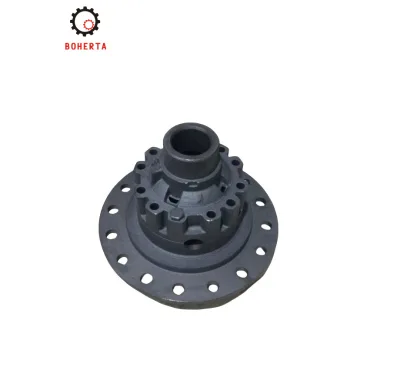


Specialist Manufacturer Prices Differential Full Floating Heavy Duty Rear Axle Assembly
$100.00 - $115.00
MOQ: 10 Pieces


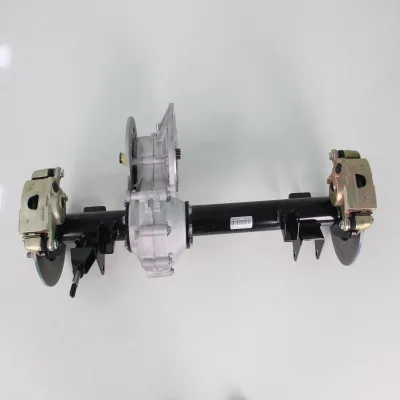


Comprehensive Sourcing Guide
Customizable Length Rear Differential Assembly Sourcing Guide
Sourcing a rear differential assembly with customizable length requires a disciplined approach to aligning mechanical specifications with vehicle architecture. The core challenge lies in ensuring that the physical dimensions of the axle housing, pinion depth, and flange positions match the specific chassis requirements of the target application. Buyers must recognize that "customizable" does not imply infinite flexibility; it typically refers to adjustments in housing length, tube diameter, or mounting bracket configurations within the manufacturer’s engineering capabilities. This guide provides a structured framework for evaluating suppliers, verifying technical data, and mitigating risks associated with non-standard automotive components.
The procurement process for these assemblies involves navigating a complex landscape of material grades, manufacturing processes, and certification standards. Observed market data indicates a wide variance in product attributes, ranging from standard steel constructions to specialized stainless steel variants, with origins primarily concentrated in regions like Shandong and Quanzhou in China. Buyers must distinguish between generic aftermarket replacements and engineered solutions designed for specific heavy-duty or commercial vehicle platforms. Understanding the distinction between a simple replacement part and a custom-engineered assembly is critical for defining the scope of the request and the level of supplier engagement required.
Product Scope and Observed Listing Signals
The market for rear differential assemblies exhibits significant diversity in material composition and structural design. Listings frequently cite materials such as steel, iron, and stainless steel, indicating that buyers must specify the exact metallurgical requirements based on load-bearing needs and corrosion resistance. The observed product range includes one-piece rear axles and differential assemblies, often marketed for applications ranging from electric rickshaws and tricycles to heavy-duty trucks and passenger vehicles. This breadth suggests that suppliers may offer modular solutions, but the buyer must verify that the specific material grade and construction method align with the intended duty cycle and environmental conditions of the end-use vehicle.
Listing signals also reveal variations in branding and model identification, with some products associated with major commercial vehicle brands like HOWO or specific model codes such as Hino 700. However, many listings are generic, identified only by part numbers like AZ9231320271 or descriptive terms like "One-Piece Rear Axle." This inconsistency highlights the importance of relying on precise OEM numbers or detailed engineering drawings rather than brand names alone. Additionally, the presence of customization options for length, such as 33-inch, 35-inch, or 42-inch configurations, underscores the need for clear dimensional specifications. Buyers should treat these listed lengths as starting points for negotiation rather than fixed catalog items, ensuring that the final product meets the exact spatial constraints of the vehicle chassis.
Technical Specifications to Verify
Dimensional accuracy is the most critical technical factor when sourcing a customizable rear differential assembly. The length of the axle housing, often specified in inches or millimeters, must be verified against the vehicle’s track width and suspension geometry. Listings indicate lengths ranging from 33 to 42 inches, with customization available, but buyers must confirm the tolerance levels for these dimensions. Furthermore, the diameter of the axle tubes, observed in listings as 130mm, 160mm, or 180mm, and the wall thickness, noted as above 60mm or ≥φ60mm, directly impact the assembly’s torsional strength and durability. These parameters must be cross-referenced with the vehicle’s payload requirements and expected stress loads to prevent premature failure.
Braking system integration is another vital technical consideration that often dictates the design of the differential assembly. Listings mention compatibility with both drum and disc braking systems, with drum braking diameters specified between 2.75mm and 3.5mm, which likely refers to lining thickness or a specific metric designation requiring clarification. The position of the differential, typically at the rear, must align with the drive shaft length and angle. Buyers should verify the flange bolt patterns, spline counts, and pinion depth specifications to ensure compatibility with existing drivetrain components. Additionally, the gear ratio, observed as 1:8 or 1:10, must be selected based on the desired balance between torque multiplication and top speed, ensuring the assembly meets the performance goals of the vehicle.
Compliance and Safety Documentation
Certification status is a primary indicator of a supplier’s manufacturing maturity and quality management systems. Many listings reference ISO certification, which suggests adherence to international standards for quality management, but buyers must verify the specific ISO standard number and the scope of the certification. Some listings combine certification claims with material specifications, such as "ISOISO/TSMaterial:Stainless Steel," which may indicate a typo or a specific internal standard. Buyers should request valid, up-to-date certification documents and confirm that the supplier’s quality management system covers the specific manufacturing processes used for the differential assembly, including heat treatment and welding procedures.
Standardization and packaging requirements also play a role in ensuring the safe delivery and proper handling of the assembly. Listings mention various packing methods, including wooden crates, ocean freight packaging, and blankets, which can affect the protection of the component during transit. The standard weight of the assembly, observed as 10kg or 150kg, varies significantly based on size and material, impacting shipping costs and handling logistics. Buyers should specify packaging requirements in the purchase order to prevent damage during shipping, especially for large, heavy assemblies. Additionally, any specific industry standards or customer-defined standards, such as "By The Customer Needs," must be clearly documented and agreed upon before production begins to avoid disputes over acceptance criteria.
Cost Drivers and Commercial Terms
The cost of a rear differential assembly is influenced by several key factors, including material costs, manufacturing complexity, and order volume. The use of stainless steel or specialized alloys will increase the base material cost compared to standard carbon steel. Customization, such as adjusting the length or tube diameter, adds engineering and tooling expenses, which may be reflected in higher unit prices or initial setup fees. Buyers should request a detailed cost breakdown to understand how customization affects the final price and to identify opportunities for cost optimization without compromising performance.
Commercial terms, including minimum order quantity (MOQ) and payment conditions, vary widely among suppliers. Observed MOQ ranges from 1 to 200 units, indicating that some suppliers cater to small-scale repairs while others focus on bulk production. Buyers should negotiate MOQs based on their inventory management strategy and cash flow constraints. Additionally, lead times and delivery terms should be clearly defined, as customization can extend production schedules. Buyers should also consider the total cost of ownership, including shipping, insurance, and potential customs duties, to make an informed comparison between different suppliers. Clear communication of these terms in the purchase order is essential to avoid unexpected costs or delays.
Supplier Qualification and Quality Control
Supplier qualification begins with a thorough assessment of their manufacturing capabilities and quality control processes. Buyers should verify the supplier’s experience in producing rear differential assemblies and their ability to handle customization requests. This includes evaluating their engineering team’s capacity to interpret drawings and provide technical support. Suppliers with a history of producing components for reputable brands or specific vehicle models may offer higher reliability, but buyers should not rely solely on brand associations. Instead, they should request evidence of past performance, such as customer references or case studies, to validate the supplier’s claims.
Quality control measures should be integrated into the procurement process to ensure the delivered assembly meets all specified requirements. Buyers should define clear acceptance criteria, including dimensional tolerances, material certifications, and functional tests. Pre-shipment inspections are recommended to verify that the product matches the approved samples and specifications. Additionally, buyers should establish a process for handling non-conforming products, including return policies and warranty terms. Regular communication with the supplier during the production process can help identify and resolve potential issues early, reducing the risk of delays or defects.
Long-Term Procurement Checks
Establishing a long-term relationship with a reliable supplier requires ongoing monitoring and evaluation of performance metrics. Buyers should track key performance indicators such as on-time delivery, product quality, and responsiveness to issues. Regular audits of the supplier’s quality management system can help ensure continued compliance with standards and identify areas for improvement. Additionally, buyers should maintain open lines of communication to discuss any changes in product specifications or market conditions that may affect the procurement process.
Continuous improvement should be a shared goal between the buyer and the supplier. Buyers should provide feedback on product performance in the field and work with the supplier to address any recurring issues. This collaborative approach can lead to product enhancements and cost savings over time. Furthermore, buyers should stay informed about industry trends and technological advancements in differential assembly manufacturing to ensure they remain competitive. By maintaining a proactive and strategic approach to supplier management, buyers can secure a reliable supply of high-quality rear differential assemblies that meet their evolving needs.
FAQs
How can I request custom lengths for a rear differential assembly?
Customizable length rear differential assemblies can be ordered in 33 inch, 35 inch, 42 inch, or customer-defined sizes. Specify the required length, pipe diameter, and brake type when requesting a quotation. Customization is available from the listed suppliers, and final dimensions are typically confirmed against your vehicle or e-rickshaw drawings before production.
What materials are used in these rear differential assemblies?
Listed assemblies are made of metal, with steel and iron commonly used for the axle housing and differential components. Some listings reference stainless steel. Material selection affects strength, corrosion resistance, and weight, so confirm the exact material specification for your application before placing an order.
Which brake system options are available for the rear axle assembly?
Both disc braking and drum braking configurations are available. Drum brake assemblies are offered with drum diameters ranging from 2.75 mm to 3.5 mm. Choose based on your vehicle type, stopping requirements, and local maintenance practices; disc brakes offer stronger heat dissipation while drum brakes are simpler and lower cost.
What pipe diameter and thickness options can I choose?
The one-piece rear axle tube is available in diameters of 130 mm, 160 mm, and 180 mm, with pipe thickness above 60 mm specified in the listings. Thicker pipe walls improve load capacity and fatigue life. Confirm the combination of diameter and wall thickness that suits your vehicle's load rating before ordering.
Can these differential assemblies be used on electric tricycles and e-rickshaws?
Yes, the listed one-piece rear axles are intended for e-rickshaws, electric tricycles, and other electric vehicles. Differential gear ratios of 1:8 and 1:10 are offered. Match the gear ratio to your motor speed and desired top speed, and verify axle length and brake compatibility with your chassis.
How are rear differential assemblies packed for shipping?
Packing options include wooden cases and ocean freight packaging, with some items packed with blanket wrapping. Standard packing weight references include 10 kg and 150 kg depending on the assembly. Wooden cases are recommended for long-distance sea shipments to protect machined surfaces from moisture and impact during transit.
What certifications do the listed differential assembly suppliers hold?
The listings reference ISO certification, and one entry cites ISO and TS together. Certification indicates a documented quality management system, but you should request current certificates and scope from the supplier directly. Ask which specific processes, such as machining or assembly, fall within the certified scope.
Which vehicle brands do the listed assemblies suit?
Listed control arm and rear axle products are stated to suit brands including Geely, Chery, Buick, Ford, Nissan, Toyota, WuLing, and Volkswagen, with OEM service available. Compatibility depends on the specific model and part number, so provide your vehicle brand, model, and original part number for confirmation before purchase.