Source Customizable Length Nail Curtain Track for hospitals, offices, and homes
Compare 30 listings for Customizable Length Nail Curtain Track designed for hospitals, offices, and residential spaces. Buyers can evaluate material options, mounting types, and pricing details across multiple suppliers offering aluminum alloy and plastic variants.
Key considerations
Products List


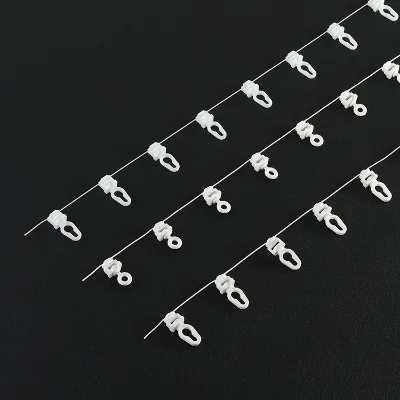
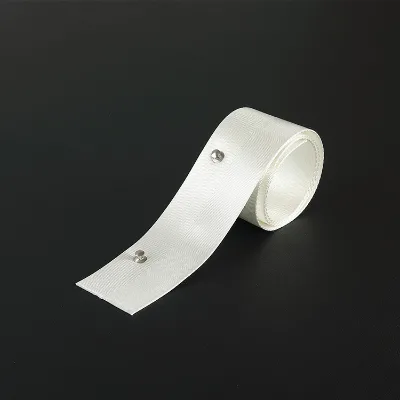

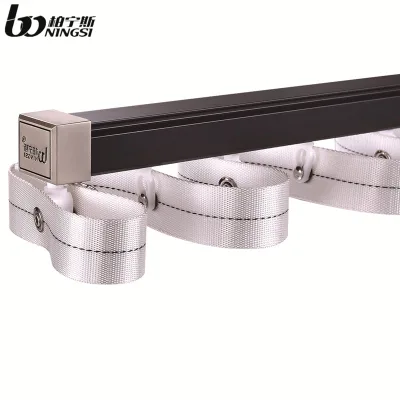
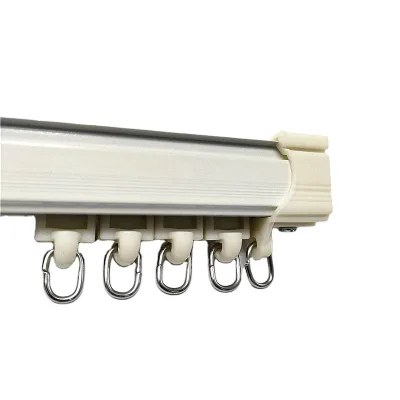
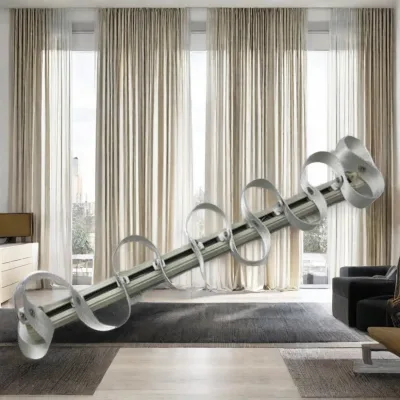
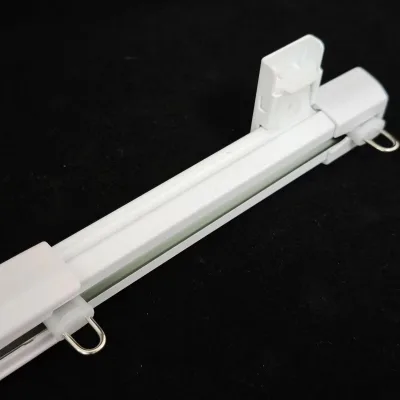
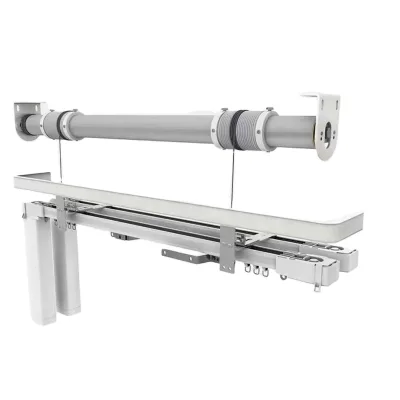
Comprehensive Sourcing Guide
Strategic Sourcing Guide for Customizable Length Nail Curtain Tracks
Understanding Product Definitions and Technical Variations
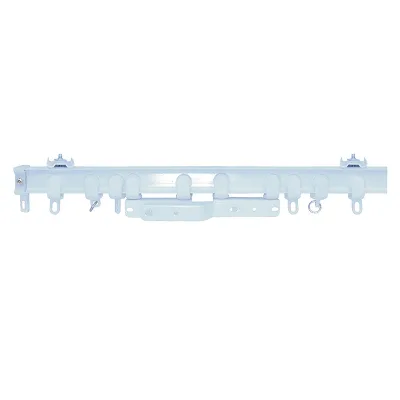
In the B2B procurement landscape, the term "Customizable Length Nail Curtain Track" refers to a specific class of window treatment hardware designed for flexible installation and variable sizing. The supplied product data reveals a diverse ecosystem of curtain tracks, ranging from aluminum alloy constructions to plastic-based systems. A critical distinction for buyers is the mounting mechanism. While the core keyword implies a "nail" or surface-mounted approach, the observed data indicates a spectrum of mounting options including "Top Mounting," "Inside Mount," and "Built-in" configurations. Some products are explicitly described as "Flatted Track" with a "U Shape," while others feature "Vertical" or "Horizontal" structures.
The material composition is a primary differentiator. The market data highlights "Aluminum Alloy" as a premium material offering structural integrity, contrasted with "Plastic" options which may be lighter and cost-effective. The "Aluminum Alloy" variants are often associated with specific models like "WY-CT" and "HKYL-GD-II," suggesting that material choice often dictates the model number and subsequent performance characteristics. Furthermore, the "Customizable Length" aspect is a verified attribute, with specifications noting "Length: Customized" and "Width: Cutomized." This flexibility allows procurement teams to order tracks that fit specific window dimensions without the waste associated with standard fixed lengths. However, buyers must verify if the "nail" installation method is compatible with the specific "Top Mounting" or "Inside Mount" design of the selected model, as some "Built-in" tracks require recessed installation rather than surface nailing.
Compliance, Certification, and Standard Verification
When sourcing curtain tracks, verifying compliance with international and local standards is essential for risk mitigation. The supplied facts indicate that certain products carry "SGS" certification, a globally recognized third-party inspection, testing, and verification company. This suggests that buyers should actively request SGS reports or equivalent third-party validation for any batch of curtain tracks, particularly those intended for commercial or high-traffic environments like hospitals. The data also references specific dimensional standards, such as "3.55/5.55cm" and "1.2mm thickness." These are not universal standards but rather specific product specifications that must be matched against the buyer's engineering requirements.
Buyers must treat these numerical values as observations of specific listings rather than industry-wide mandates. For instance, a "1.2mm thickness" standard applies to a specific plastic model, while an aluminum alloy track might have a different gauge. The "prod_standard" field also lists "50 ste," which likely refers to a specific manufacturing or packaging standard, though its full definition requires supplier clarification. In the absence of explicit ISO or ASTM citations in the provided data, procurement teams should verify that the supplier can provide test results for load-bearing capacity, especially given the "High Load" feature claimed for some "Smoother, Noiseless" tracks. The "After-sales Service" duration varies significantly, with options ranging from "1 Year" to "5 Year," which serves as a proxy for the manufacturer's confidence in their product's durability and compliance with quality expectations.
Cost Drivers and Pricing Dynamics
The pricing structure for customizable curtain tracks is influenced by several volatile factors, including material selection, customization complexity, and order volume. The observed price range in the market spans from $0.01 to $3800 USD. This wide disparity is not indicative of a single product type but rather reflects the difference between a single plastic component and a complete, heavy-duty aluminum system with extensive customization. The "MOQ" (Minimum Order Quantity) is another critical cost driver, with observed ranges from 1 to 10,000 units. Specific listings indicate an MOQ of "5 Meters," which suggests that pricing may be calculated per linear meter rather than per unit, particularly for tracks requiring custom cutting.
Material costs are a primary determinant of the final price. "Aluminum Alloy" tracks generally command a higher price point than "Plastic" alternatives due to raw material costs and manufacturing complexity. Additionally, the "Customized" attribute adds a layer of cost complexity. While the ability to cut tracks to specific lengths is a value-add, it may incur setup fees or higher per-unit costs compared to standard stock lengths. The "Packing" method also influences logistics costs; options like "Packed in PVC Belt and in Carton Box" or "Export Cartons" suggest varying levels of protection, which can impact shipping damage rates and insurance premiums. Buyers should analyze the total landed cost, including packaging and potential customs duties, rather than focusing solely on the unit price. The "5.8M" standard length mentioned for some models may serve as a baseline for pricing, with custom lengths priced proportionally or with a surcharge for non-standard cuts.
Typical Applications and Functional Requirements
The versatility of curtain tracks allows them to serve a wide array of applications, from residential to specialized institutional settings. The data explicitly lists "Hospital Ward" as a primary application, indicating that these tracks must meet specific hygiene and durability standards suitable for healthcare environments. In these settings, the "High Load" and "Long-Life" features are critical, as tracks must support heavy drapes and withstand frequent operation without failure. Other common applications include "Living Room," "Bedding Room," "Bathroom," "Office," and "Kitchen," suggesting that the product line must accommodate varying aesthetic and functional needs.
Functional requirements vary significantly by application. For residential use, features like "Sound Insulation," "Heat Insulation," and "Insect Resistant" capabilities are highly valued. Some advanced models offer "Anti-theft" and "Invisibility" functions, which are crucial for security-conscious applications. The "Automation Features" are predominantly "Manual" with "Chain Control," though the "Built-in" installation type often pairs with motorization options in broader market contexts. The "Pattern" is noted as "Plain," which implies a neutral aesthetic suitable for various interior designs, while color options like "White" and "Black" allow for customization to match window frames or wall colors. The "Kind: Slat" and "Structure: Vertical" or "Horizontal" configurations further define the track's suitability for specific curtain types, such as vertical blinds or standard drapes. Buyers must align the track's functional attributes, such as "Windproof" capabilities, with the environmental conditions of the installation site.
Supplier Evaluation and Quality Control Protocols
Evaluating suppliers for curtain track procurement requires a rigorous assessment of their manufacturing capabilities and quality control systems. The "prod_origin" is consistently listed as "China," which is a major manufacturing hub for this category. However, the origin alone does not guarantee quality. Buyers should verify the supplier's adherence to the "SGS" certification mentioned in the data and request evidence of their internal quality control processes. The "After-sales Service" duration, ranging from one to five years, is a strong indicator of supplier confidence and their willingness to stand behind their products. A supplier offering a "5 Year" warranty is likely more reliable than one offering only "1 Year," assuming the terms are clearly defined.
Quality control should focus on the physical attributes of the track. The "Structure" (Vertical or Horizontal) and "Mounting" (Top Mounting, Inside Mount, etc.) must be verified against the design specifications. The "prod_packing" methods, such as "Carton+Plastic Bag" or "OPP Bag," should be inspected to ensure they prevent damage during transit. The "Customization" capability must be validated; suppliers should demonstrate their ability to cut tracks to precise "Customized" lengths without compromising the structural integrity of the "U Shape" or "Flatted Track" design. Buyers should also check the consistency of the "Material," ensuring that "Aluminum Alloy" tracks are not mixed with lower-grade plastics in the same batch unless specified. The "Features" listed, such as "Smoother" and "Noiseless," should be tested in a sample batch to confirm that the manufacturing process delivers on these performance claims.
Long-Term Procurement and Lifecycle Management
Sourcing curtain tracks is not merely a transactional purchase but a long-term investment in facility management and operational efficiency. The "Warranty" period is a key metric for lifecycle management. A "1 Year" warranty may be sufficient for low-traffic residential projects, but commercial or healthcare facilities should prioritize suppliers offering extended warranties, such as the "5 Year" option observed in the data. This extended coverage reduces the total cost of ownership by minimizing replacement costs and downtime. The "After-sales Service" availability is equally important; suppliers must provide responsive support for installation issues, spare parts, and potential repairs.
The "Customized" nature of the product means that inventory management can be complex. Unlike standard off-the-shelf items, custom tracks require precise ordering and lead time management. Buyers should establish a clear communication channel with suppliers to manage the "Length" and "Width" specifications for future orders. The "Packing" standards, such as "Export Cartons," should be maintained to ensure that replacement parts or additional tracks can be stored and transported without damage. Furthermore, the "Standard" dimensions, such as "3.55/5.55cm" or "1.2mm thickness," should be documented in the procurement database to ensure consistency across different batches and suppliers. As the market evolves, buyers should remain vigilant for new certifications or standards that may impact the compliance of their existing inventory. The "Location" of the product, often "Window," implies that environmental factors like humidity and temperature fluctuations must be considered in the long-term durability of the track, especially for "Plastic" materials which may degrade faster than "Aluminum Alloy" in extreme conditions.
Comparative Analysis of Product Attributes
To facilitate informed decision-making, the following table summarizes the key attributes observed in the market data, highlighting the trade-offs between different product configurations.
| Attribute | Option A (Aluminum Alloy) | Option B (Plastic) | Option C (Specialized) |
|---|---|---|---|
| Material | Aluminum Alloy | Plastic | Mixed/Composite |
| Model Example | WY-CT, HKYL-GD-II | B28/C19, 02060061 | Curtain Track |
| Mounting | Top Mounting, Inside Mount | Top Mounting | Built-in, Exterior |
| Structure | U Shape, Flatted Track | Vertical, Horizontal | Vertical |
| Standard | 1.2mm thickness | 3.55/5.55cm | 5.8M Length |
| Certification | SGS (Available) | SGS (Available) | SGS (Available) |
| Warranty | 1 Year to 5 Year | 1 Year to 5 Year | 1 Year to 5 Year |
| Application | Hospital, Office | Living Room, Bedroom | All Environments |
| MOQ | 5 Meters | 1 Unit | 1 Unit |
This comparison underscores that while the core function remains the same, the specific attributes like material and mounting type dictate the suitability for different applications. Buyers should use this matrix to filter suppliers based on their specific project requirements, ensuring that the selected track meets both the technical and operational needs of the end-user. The "Customized" length remains a universal feature across all options, providing the flexibility necessary for diverse window sizes. By carefully evaluating these attributes, procurement teams can optimize their sourcing strategy to achieve the best balance of cost, quality, and performance.
FAQs
What materials are available for customizable length nail curtain tracks?
Aluminum alloy and plastic are the primary materials available for these tracks. Aluminum alloy models like WY-CT offer high load capacity, while plastic options provide cost-effective solutions for standard residential applications.
Can I order curtain tracks with customized length and width?
Yes, customization for both length and width is a verified feature for these products. Buyers can specify exact dimensions to fit unique window sizes, ensuring a precise fit without the waste of standard fixed lengths.
Which mounting options are supported for these curtain tracks?
Top mounting, inside mounting, and built-in installation are the supported options. The specific mounting type depends on the model, such as the flatted U-shape tracks or vertical structures designed for different window configurations.
What certifications do the curtain track manufacturers typically hold?
SGS certification is a documented standard for some of the available curtain track models. This third-party verification ensures the product meets specific quality and safety requirements, particularly for commercial or healthcare environments like hospital wards.
How is the minimum order quantity determined for these tracks?
Minimum order quantities vary significantly, ranging from 1 unit up to 10,000 units depending on the supplier. Some listings specify a minimum of 5 meters, indicating that pricing and ordering may be calculated based on linear length rather than per unit.
What warranty periods are offered for these curtain track systems?
Warranty periods range from 1 year to 5 years depending on the specific product and supplier. Extended warranties often correlate with higher durability features like high load capacity and long-life mechanisms found in aluminum alloy models.
Where are these customizable curtain tracks primarily manufactured?
The primary manufacturing origin for these products is China. This location serves as a major hub for producing both aluminum alloy and plastic curtain tracks with various customization capabilities and export packaging standards.