Source Customizable Vintage Fountain Pen for business gifts, office, and school
Compare 30 listings for Customizable Vintage Fountain Pen options made from bamboo, plastic, or metal. Buyers can review specifications like ink color, point diameter, and customization features for promotional pens, office supplies, and business gifts.
Key considerations
Products List
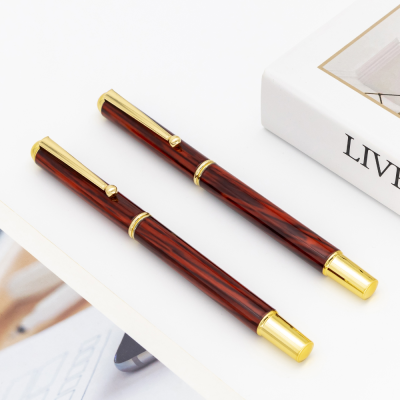
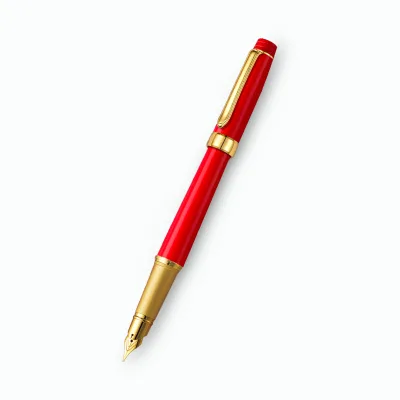
Customized Logo Metal Fountain Pen with Chinese Writing Replaceable Ink Cartridges
$0.45 - $0.65
MOQ: 500 Minimum
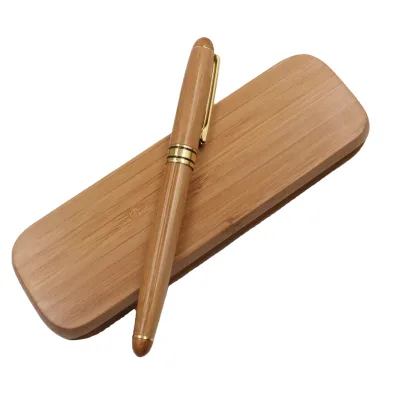


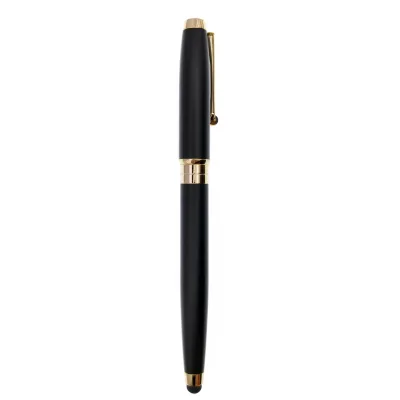
Luxury Gray Fountain Pen High-Quality Customizable Logo Metal Writing Pen Gift
$0.86 - $0.89
MOQ: 500 Pieces


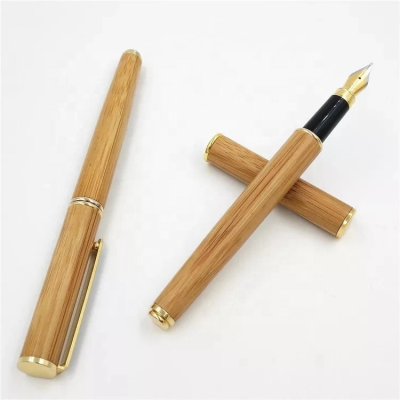
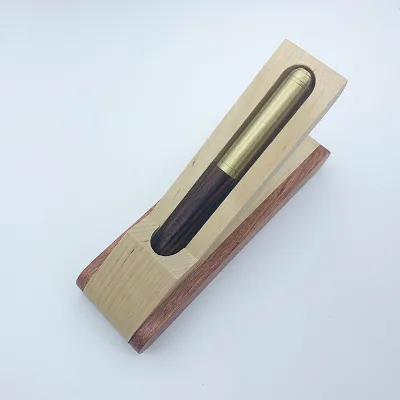


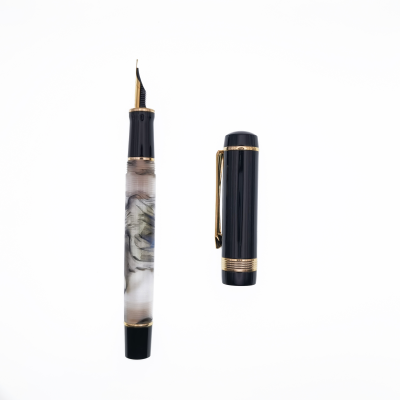
Luxury Metal Fountain Pen with Custom Logo Smooth Writing Carved Fountain Pen
$0.95 - $1.25
MOQ: 1000 Pieces


Comprehensive Sourcing Guide
Strategic Sourcing Guide for Customizable Vintage Fountain Pens
Understanding Product Variants and Material Composition
When sourcing customizable vintage fountain pens, buyers must first navigate the diverse landscape of materials and construction styles that define the "vintage" aesthetic in modern manufacturing. The core keyword implies a specific blend of retro design elements and contemporary customization capabilities. Based on available product data, the market offers distinct material profiles that significantly influence the final product's character and durability. A primary observation in this sector is the prevalence of bamboo as a construction material. Bamboo fountain pens are frequently highlighted for their unique grain patterns and eco-friendly appeal, aligning well with the "handmade" and "recyclable" features often associated with vintage-inspired stationery. These products often feature a specific model designation, such as the JD Fountain pen 541, which utilizes bamboo to create a natural, warm aesthetic that differs sharply from mass-produced plastic alternatives.
In contrast, other segments of the market offer pens constructed from metal or plastic, each serving different functional and stylistic needs. Metal construction, often utilizing stainless steel for the nib or point material, provides a sleek, durable option suitable for business applications. The data indicates that point materials are frequently specified as stainless steel, ensuring corrosion resistance and a consistent writing experience. Conversely, plastic variants, sometimes categorized under "Oil Ball Pen" types or general "Other" classifications, offer a lighter weight and potentially lower cost point, though they may lack the tactile premium feel of metal or bamboo. The "Click" open style is another specific attribute observed, suggesting a mechanism that mimics the clicker pens of the mid-20th century, adding to the vintage narrative.
Buyers must carefully distinguish between these material categories during the initial research phase. The choice between bamboo, metal, and plastic dictates not only the visual appeal but also the customization methods available. For instance, bamboo and metal surfaces often require different printing techniques compared to plastic. The availability of "Silk Screen" and "Laser" printing is noted in the supply data, indicating that customization is a central feature of these products. However, the specific application of these printing methods depends heavily on the substrate. A bamboo pen may require laser engraving to achieve a high-contrast vintage look, whereas a metal pen might utilize silk screening for bold logos or laser etching for fine details. Understanding these material distinctions is the first step in aligning supplier capabilities with the desired aesthetic outcome.
Technical Specifications and Customization Parameters
The technical specifications of a Customizable Vintage Fountain Pen are critical for ensuring the product meets both functional and branding requirements. The writing width and nib size are primary determinants of the pen's performance. Data observations indicate a range of writing widths, with specific models featuring a 0.7 mm writing width and others specifying a point diameter of 1.0 mm. These variations allow buyers to target different user preferences; a 0.7 mm point is often preferred for general office and school use, offering a balance between line thickness and ink flow, while a 1.0 mm point provides a bolder, more expressive stroke suitable for calligraphy or signature applications. The hardness of the nib is another crucial specification, with "Medium Soft" hardness being a noted attribute. This characteristic affects the flexibility of the nib, allowing for slight line variation under pressure, which is a hallmark of many vintage fountain pen designs.
Customization is a defining feature of this product category, with "Available" customization explicitly listed as a standard attribute. This flexibility extends to branding elements, where "With Logo Printing" is a common requirement. The specific printing methods available, such as silk screen and laser, offer different aesthetic results. Laser printing is often preferred for its permanence and ability to handle complex graphics on materials like bamboo and metal, while silk screening is effective for solid color logos on various surfaces. Furthermore, the physical dimensions of the pen are subject to customization, with "Acceptable" custom sizes noted in the product specifications. This allows buyers to adjust the length and diameter to match specific ergonomic needs or to create a unique product profile that stands out in the promotional market.
The packaging and accessory requirements also play a role in the technical definition of the product. The data mentions "Ink" as a standard accessory, ensuring the pen is ready for immediate use upon delivery. Additionally, specific packaging styles, such as the "Carpoule Style" pen pouch, contribute to the vintage presentation. The standard dimensions provided in the data, such as 1469mm or 260mm115mm for larger sets, serve as reference points for buyers to verify if a supplier's standard offerings align with their spatial constraints. However, since "Custom Size" is acceptable, buyers should not be limited to these standard figures. It is essential to verify the exact dimensions of the custom order to ensure compatibility with existing inventory or gift sets. The "Single Color" attribute for color quantity suggests that while the pen body might be customizable, the ink color is often standardized, typically black, though "Colors as Picture" indicates that variations may exist based on the specific supplier's inventory.
Cost Drivers and Minimum Order Quantity Analysis
The financial structure of sourcing customizable vintage fountain pens is influenced by several key variables, with material composition, customization complexity, and order volume being the most significant cost drivers. The observed Minimum Order Quantity (MOQ) ranges widely, from as low as 1 unit to as high as 5000 units. This broad spectrum indicates that the market accommodates both small-batch, high-customization projects and large-scale promotional campaigns. For instance, specific product listings show an MOQ of 1000 pieces for certain pen types, while others, particularly those categorized as "Feather Dip Fountain Pens" or "quill feather pen" styles, may have an MOQ of 50 sets. This variance suggests that the complexity of the manufacturing process and the material sourcing directly impact the minimum viable order size.
Material costs are a primary determinant of the unit price. Bamboo pens, often marketed as "handmade" and "recyclable," may command a different price point compared to plastic or metal alternatives. The labor intensity required to process bamboo, which involves shaping, sanding, and finishing to achieve a smooth surface for printing, can increase the base cost. Similarly, metal pens utilizing stainless steel points involve machining processes that add to the manufacturing expense. The "Promotional Pen" and "Business Gift" usage categories suggest that these products are often priced to allow for branding margins, meaning the cost per unit must be low enough to support bulk distribution while maintaining perceived value.
The customization level also significantly affects the final cost. Orders requiring laser engraving or complex silk-screening setups may incur higher setup fees or per-unit costs compared to standard, unbranded items. The "Logo Printing" attribute implies that the inclusion of a brand logo is a standard expectation, but the complexity of the logo design can influence the printing method chosen and the associated costs. Additionally, packaging requirements, such as the inclusion of a "Carpoule Style" pouch or custom cartons, add to the overall cost structure. Buyers should be aware that while the observed price range in the market spans from 0.1 to 8.8 USD, this wide range likely reflects the difference between basic plastic ballpoints and premium bamboo or metal fountain pens with extensive customization.
When evaluating suppliers, buyers must look beyond the unit price and consider the total cost of ownership, including shipping, tooling, and potential rework costs. The "Selling Units" attribute indicates that some products are sold as single items, which might be suitable for sampling but less efficient for bulk orders. Conversely, products sold in "Carton" packing are designed for efficient logistics. Understanding these cost drivers allows buyers to negotiate more effectively and select the right supplier tier for their specific budget and volume requirements. It is crucial to verify if the quoted price includes all customization fees and if the MOQ is flexible based on the complexity of the order.
Compliance, Certification, and Quality Verification
Ensuring compliance and verifying quality are paramount when sourcing customizable vintage fountain pens, particularly for business gifts and promotional use. While the provided data does not list specific certification numbers or third-party test results, buyers must actively verify that products meet relevant safety and environmental standards. The "Recyclable & Handmade" feature of bamboo pens suggests an alignment with sustainability goals, but this claim should be substantiated through supplier documentation. Buyers should request proof of material sourcing, such as FSC certification for bamboo, to ensure the supply chain adheres to responsible forestry practices. Similarly, for metal pens, verifying that the stainless steel used is food-grade or non-toxic is essential, especially if the pens are intended for children or general office use.
Quality control checks should focus on the integrity of the nib and the smoothness of the writing experience. The "Medium Soft" hardness and "Standard" point type are specifications that require physical verification. Buyers should test samples to ensure the nib does not leak, scratch, or fail to deliver ink consistently. The "Non-Disposable" attribute indicates that these pens are designed for long-term use, which necessitates a robust build quality. Inspection of the "Click" mechanism is also vital to ensure it operates smoothly and does not become loose over time. For pens with "Silk Screen" or "Laser" printing, the durability of the logo is a key quality metric. The print should not fade, peel, or rub off after normal handling, which is a common failure point in promotional items.
Compliance with international standards is another critical consideration. Although specific standard numbers like "1469mm" or "260mm115mm" are provided as product dimensions, they do not constitute safety standards. Buyers must ensure that the products comply with the regulations of the destination market, such as REACH in Europe or CPSIA in the United States, particularly regarding the inks and materials used. The "Ink Color" being specified as "Black" is a common standard, but buyers should verify that the ink formulation is non-toxic and safe for general use. Additionally, the "Standard Colors" attribute, which states "Colors as Picture," implies that visual consistency is important. Buyers should request color swatches or digital proofs to ensure the final product matches the approved design, minimizing the risk of color discrepancies in the final batch.
Supplier Evaluation and Selection Criteria
Selecting the right supplier for customizable vintage fountain pens requires a rigorous evaluation process that goes beyond price comparison. The supplier's ability to handle customization is a primary criterion. Given the "Available" customization status, buyers should assess the supplier's technical capabilities in laser engraving and silk screening. A supplier with in-house printing facilities often offers better quality control and faster turnaround times compared to those who outsource these processes. The "Brand Name" and "Model Number" details, such as "Jingda" and "JDMP25069," indicate that some suppliers have established product lines, which can be a sign of reliability and experience. However, buyers should not rely solely on brand reputation; they must verify the supplier's track record in delivering custom orders on time and to specification.
Communication and responsiveness are also critical factors. The "Custom Size" and "Acceptable" customization options suggest a high degree of flexibility, which requires clear and frequent communication between the buyer and the supplier. A reliable supplier should be willing to provide detailed technical drawings, material samples, and production timelines. The "Place of Origin" being listed as "Jiangxi, China" for some products and "Cn" for others indicates that buyers may encounter suppliers from different regions within China. Each region may have different specializations; for example, some areas might be more focused on bamboo processing, while others excel in metal fabrication. Buyers should investigate the specific expertise of the supplier to ensure they are partnering with a manufacturer that specializes in the desired material and style.
Furthermore, the supplier's capacity to handle the required MOQ is essential. With MOQs ranging from 1 to 5000, buyers must ensure the supplier can accommodate their order volume without compromising quality or delivery schedules. For smaller orders, suppliers with flexible production lines are preferable, while larger orders require suppliers with significant manufacturing capacity. The "Selling Units" and "prod_packing" attributes provide insight into the supplier's packaging capabilities. A supplier that offers "Carton" packing and "Carpoule Style" pouches demonstrates an understanding of the end-user experience and the need for professional presentation. Finally, buyers should request references or case studies from previous clients, particularly those in the "Promotional Pen" and "Business Gift" sectors, to validate the supplier's ability to deliver high-quality, customized products consistently.
Long-Term Procurement and Market Trends
Sourcing customizable vintage fountain pens is not merely a one-time transaction but a strategic initiative that can yield long-term benefits for a business. The "Promotional Pen" and "Business Gift" usage categories highlight the product's role in brand building and client retention. As the market increasingly values sustainability and unique design, vintage-style pens made from bamboo or metal offer a distinct advantage over generic plastic pens. The "Recyclable & Handmade" features align with growing consumer and corporate demands for eco-friendly products, making these pens an excellent choice for companies aiming to enhance their corporate social responsibility profile. By investing in high-quality, customizable vintage pens, businesses can create a lasting impression on recipients, fostering stronger relationships and brand loyalty.
Looking ahead, the trend towards personalization and customization is expected to continue. The "Custom Size" and "Logo Printing" capabilities observed in the current market suggest that buyers will increasingly demand unique, tailored products. This trend presents an opportunity for businesses to differentiate themselves by offering pens that reflect their specific brand identity and values. However, it also requires a proactive approach to supplier management. Buyers should establish long-term partnerships with suppliers who can adapt to changing design trends and maintain consistent quality over time. Regular quality audits and performance reviews are essential to ensure that the supplier continues to meet the evolving needs of the business.
Additionally, the "Function" of these pens as "Writing / Gift / Gift Set" indicates their versatility. As a gift set, they can be bundled with other items to create a more comprehensive promotional package, increasing their perceived value. The "Single Color" attribute for color quantity suggests that while the pen body might be customizable, the ink color remains a standard element. Buyers should consider whether offering a variety of ink colors could further enhance the product's appeal, depending on the target audience. Finally, staying informed about market developments and technological advancements in printing and material processing will enable buyers to make informed decisions and maintain a competitive edge in the promotional products market. By focusing on quality, customization, and sustainability, businesses can leverage the power of vintage fountain pens to achieve their long-term procurement and branding objectives.
FAQs
What materials are used for customizable vintage fountain pens?
Bamboo is a primary material used for these pens, offering a natural aesthetic and eco-friendly profile. Metal and plastic are also common options, with stainless steel often used for the nib to ensure durability and corrosion resistance during business use.
How can I customize the logo on these pens?
Logo printing is available using silk screen or laser methods depending on the material. Laser engraving works well for bamboo and metal surfaces, while silk screening is effective for solid color logos on various pen bodies to ensure brand visibility.
What are the typical writing widths available for these pens?
Writing widths vary by model, with options including 0.7 mm for general office use and 1.0 mm for bolder strokes. The nib hardness is often medium soft, providing a flexible writing experience suitable for calligraphy or signature applications.
Can I order these pens with custom sizes?
Yes, custom sizes are acceptable for these products, allowing adjustments to length and diameter. Standard dimensions like 146*9mm or 260mm*115mm serve as references, but buyers can specify unique profiles to match ergonomic needs or specific gift set requirements.
What is the minimum order quantity for these pens?
Minimum order quantities range widely from 1 unit to 5000 units depending on the specific model and customization level. Some listings require 1000 pieces for standard pens, while specialized feather dip styles may have an MOQ of 50 sets.
Are these pens suitable for promotional business gifts?
Yes, these pens are explicitly designed for promotional use, office, and business gifts. They often come with ink accessories and can be packaged in cartons or carpoule style pouches to enhance their presentation as professional corporate items.