Source Customized 6000 Series Aluminum Profiles for Windows, Doors, and Building Use
Find 30 listings for Customized 6000 Series Aluminum Profiles suitable for windows, doors, and building applications. Compare options from suppliers in Guangdong and Jiangsu, China, featuring 6063-T5 grades with various surface treatments like powder coating and anodizing to meet specific project requirements.
Updated
Key considerations
Products List


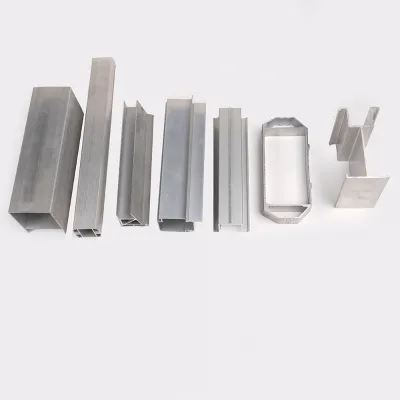
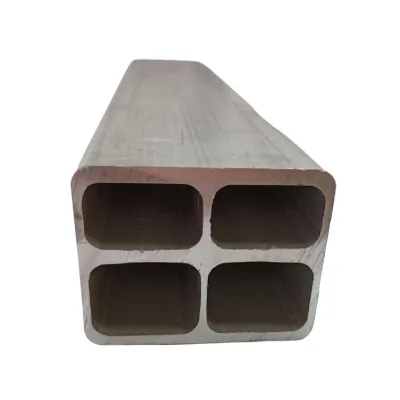
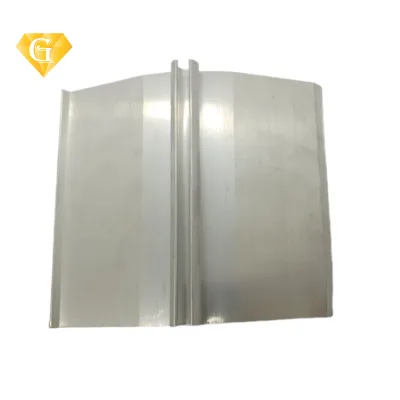
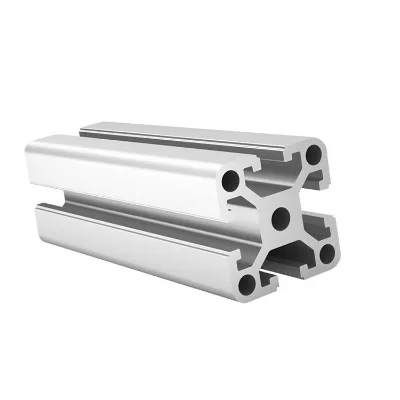
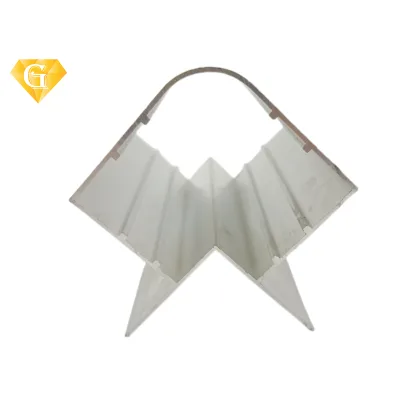
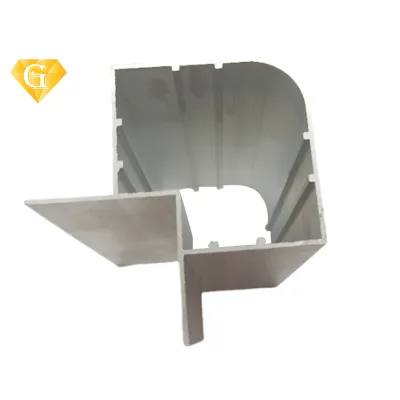
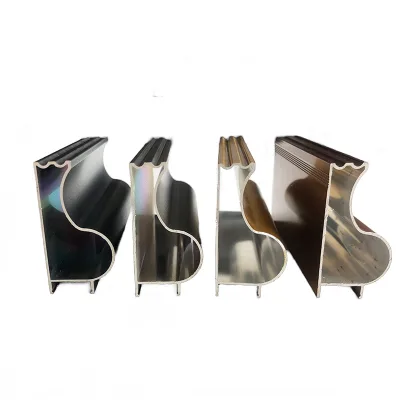


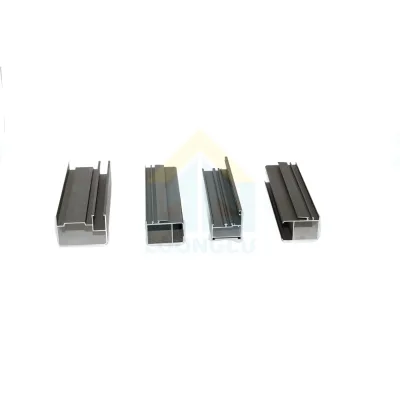
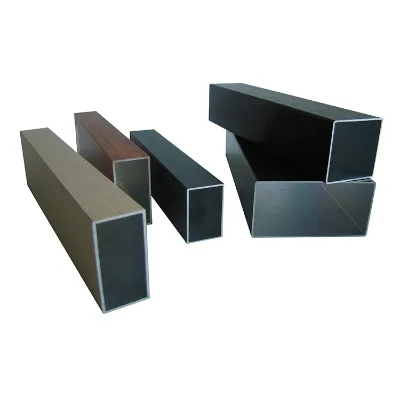
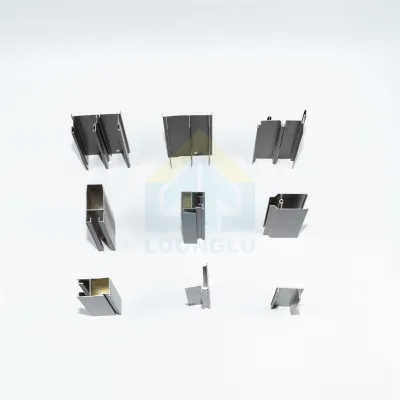
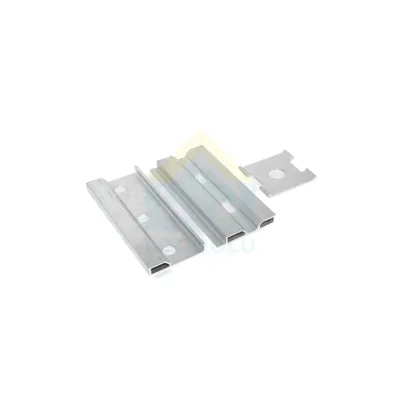
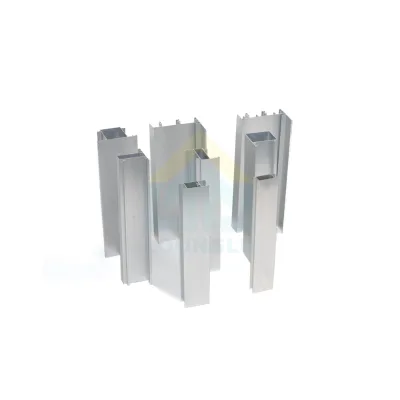
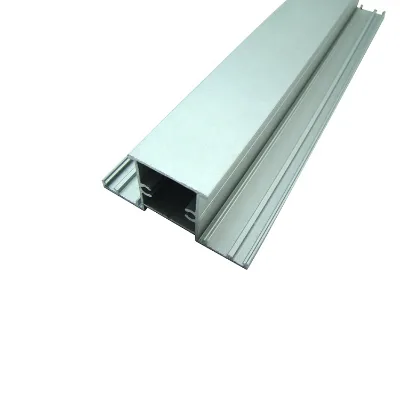


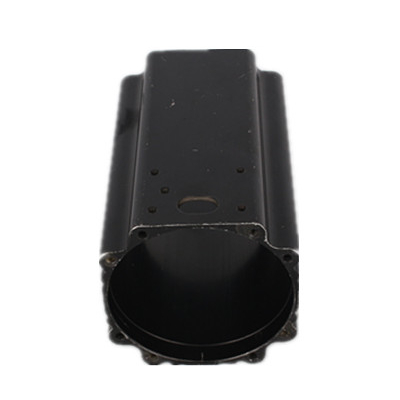
Good Price Black Powder Coated Aluminum Profile 6000 Series Aluminium Extrusion
$2.28 - $2.47
MOQ: 100 kilograms
Comprehensive Sourcing Guide
Customized 6000 Series Aluminum Profiles Sourcing Guide
Sourcing Customized 6000 Series Aluminum Profiles requires a strategic approach that balances technical precision with commercial flexibility. Buyers must first define the specific alloy grade, typically from the 6000 series, and the desired temper, which can range from T3 to T8 depending on the structural demands of the final assembly. The observed market offers significant customization options, including irregular shapes and specific series designs like 80 or 90 series for window and door applications. Understanding these baseline variables is crucial before engaging with suppliers, as they directly influence the extrusion process and the final mechanical properties of the material.
The procurement landscape for these profiles is characterized by a wide variety of surface treatments and finishing options. Common processes include powder spraying, anodizing, and wooden finishes, each offering distinct aesthetic and protective qualities. Buyers should verify the specific surface treatment requirements against their environmental exposure needs, noting that powder coating thickness typically ranges from 50 to 120 micrometers. Additionally, the availability of mill finish or electrophoresis provides alternative options for different aesthetic preferences. Selecting the right finish early in the sourcing process helps prevent costly rework and ensures the profiles meet both functional and visual standards.
Product Scope and Observed Listing Signals
The product scope for Customized 6000 Series Aluminum Profiles encompasses a broad range of industrial and architectural applications. Listings frequently highlight usage in windows, doors, building structures, cabinets, and heat sinks, indicating versatility across sectors. The observed market signals include profiles with wall thicknesses ranging from 0.3mm to 2.0mm and lengths customizable from 1.0 to 7.2 meters. These dimensions allow for tailored solutions that minimize waste during fabrication. Buyers should pay close attention to the specific series designations, such as 80 or 90 series, which often dictate the profile’s structural capacity and compatibility with standard hardware systems.
Commercial signals also reveal significant variations in production capabilities and lead times. Some suppliers report monthly production capacities of up to 4000 tons, suggesting robust infrastructure for large-scale orders. Lead times vary, with some sources indicating approximately 20 days after deposit receipt, while others cite ranges of 15 to 45 days. These discrepancies highlight the importance of clarifying delivery schedules during the initial inquiry phase. Furthermore, the presence of customization options for color and shape underscores the flexibility available to buyers, allowing for unique design requirements to be met without compromising on material integrity or structural performance.
Technical Specifications to Verify
Verifying technical specifications is paramount to ensuring the aluminum profiles meet engineering requirements. Buyers must confirm the alloy composition, specifically that the material is indeed an alloy from the 6000 series, such as 6063-T5, which is commonly cited in listings. The temper designation, whether T3, T5, or T6, significantly affects the material’s strength and formability. It is essential to request detailed material test reports that validate these properties. Additionally, the tolerance levels should be explicitly stated, with observed standards often citing a tolerance of +/- 1%. This precision is critical for applications requiring tight fitments and seamless assembly in complex structures.
Surface treatment specifications also require rigorous verification to ensure durability and aesthetic consistency. Buyers should inquire about the specific surface finishing processes, such as anodic oxidation or powder coating, and request data on coating thickness and adhesion strength. The regular processing options, including cutting, bending, welding, and punching, should be confirmed to ensure the supplier can provide value-added services. Furthermore, the model number and shape of the profile, whether regular or irregular, must match the design drawings precisely. Confirming these details prevents mismatches during installation and ensures the final product performs as intended in its specific application scenario.
Compliance and Safety Documentation
Compliance with quality standards is a non-negotiable aspect of sourcing aluminum profiles. Buyers should verify that the supplier adheres to recognized quality standards, such as GB5237-2008, which governs the technical specifications for aluminum alloy building profiles. Additionally, third-party certifications like SGS may be referenced to validate material quality and manufacturing processes. It is crucial to request copies of these certifications and ensure they are current and applicable to the specific product line being ordered. This documentation provides assurance that the profiles meet regulatory requirements and industry best practices for safety and performance.
Safety documentation extends beyond material compliance to include proper handling and packaging guidelines. Buyers should confirm that the supplier uses appropriate packaging methods, such as PE film, PVC film, PE foam, and carton boxes, to protect the profiles during transit. This is particularly important for customized profiles with delicate surface finishes. Furthermore, suppliers should provide material safety data sheets (MSDS) if required by the buyer’s internal safety protocols. Ensuring that all compliance and safety documentation is in place before shipment helps mitigate risks associated with non-conforming materials and potential logistical damages.
Cost Drivers and Commercial Terms
Several factors drive the cost of Customized 6000 Series Aluminum Profiles, with alloy composition and surface treatment being primary contributors. The choice of temper and specific alloy grade affects the raw material cost, while complex surface finishes like wooden finishes or multi-layer powder coatings can increase processing expenses. Buyers should request detailed quotations that break down these costs to understand the price structure. Additionally, the complexity of the profile shape, especially for irregular designs, can impact extrusion costs. Understanding these drivers allows buyers to make informed decisions about where to prioritize quality and where cost-saving measures might be feasible without compromising performance.
Commercial terms, including payment conditions and lead times, significantly impact the overall procurement strategy. Suppliers typically require a deposit before production begins, with lead times ranging from 20 to 45 days depending on order volume and customization complexity. Buyers should negotiate clear terms regarding payment milestones and delivery schedules to manage cash flow effectively. It is also important to clarify the minimum order quantity (MOQ) requirements, which can vary from 1 to 1000 units. Establishing these terms early in the negotiation process helps avoid misunderstandings and ensures a smooth transaction from order placement to final delivery.
Supplier Qualification and Quality Control
Evaluating supplier qualification is essential for securing a reliable supply chain for aluminum profiles. Buyers should assess the supplier’s production capabilities, including monthly output and equipment sophistication, to ensure they can meet demand. Suppliers located in key manufacturing hubs like Guangdong or Jiangsu in China often have established ecosystems for aluminum extrusion. It is advisable to request references or case studies from previous clients to gauge the supplier’s reliability and consistency. Additionally, verifying the supplier’s brand reputation, such as Tengyu or JInmeicheng, can provide insights into their market standing and customer satisfaction levels.
Quality control processes must be robust to ensure consistent product quality. Buyers should inquire about the supplier’s internal quality control measures, including in-process inspections and final product testing. Requesting samples before placing a large order allows for physical verification of dimensions, surface finish, and mechanical properties. Furthermore, establishing a clear protocol for handling non-conforming products is crucial. This should include procedures for rejection, replacement, or credit. By prioritizing suppliers with strong quality control systems, buyers can minimize the risk of receiving defective materials and ensure the long-term success of their projects.
Long-Term Procurement Checks
Long-term procurement success depends on establishing ongoing performance metrics for aluminum profile suppliers. Buyers should regularly review key performance indicators such as on-time delivery rates, defect rates, and responsiveness to issues. These metrics provide objective data on supplier reliability and help identify areas for improvement. It is also important to conduct periodic audits of the supplier’s quality management systems to ensure they remain compliant with agreed-upon standards. Continuous monitoring allows buyers to proactively address potential issues before they escalate, maintaining a stable and efficient supply chain.
Relationship management plays a critical role in securing favorable terms and priority service over time. Building a collaborative partnership with suppliers can lead to better pricing, flexible lead times, and access to new product innovations. Buyers should maintain open communication channels and provide regular feedback on product performance. Additionally, staying informed about market trends and technological advancements in aluminum extrusion can help buyers make strategic decisions about their sourcing strategy. By investing in long-term supplier relationships, buyers can enhance their competitive advantage and ensure a consistent supply of high-quality customized aluminum profiles.
FAQs
What customization options are available for 6000 series aluminum profiles?
Customization is available for these profiles, allowing buyers to specify dimensions and shapes. The standard length ranges from 1.0 to 7.2 meters, but customized lengths are supported. Wall thickness can be adjusted between 0.3mm and 2.0mm. Irregular shapes are also possible for industrial applications, ensuring the product fits specific project requirements precisely.
Which surface treatments can be applied to these aluminum profiles?
Multiple surface treatments are offered, including powder coating, anodizing, and mill finish. Powder coating thickness typically ranges from 50 to 120 micrometers. Other options include wooden finishes and electrophoresis. These treatments enhance durability and aesthetic appeal, making the profiles suitable for windows, doors, and decorative building applications with varying environmental demands.
What is the typical lead time for ordering these profiles?
The lead time is approximately 20 days after the deposit is received for standard orders. Some suppliers indicate a delivery window of 15 to 21 days or up to 45 days depending on complexity. This timeframe allows for processing services like cutting, bending, and welding. Buyers should confirm specific schedules with manufacturers to align with project deadlines effectively.
Can these profiles be used for window and door applications?
Yes, these profiles are specifically designed for window and door applications. They are available in 80 Series and 90 Series configurations. The usage covers building use, including cabinets and glass walls. The 6000 series alloy provides excellent extrudability and corrosion resistance, making it a reliable choice for architectural framing and structural components in construction projects.
What quality standards and certifications apply to these aluminum profiles?
The profiles adhere to the GB5237-2008 quality standard. Certifications such as ISO and SGS are associated with the manufacturing process. The material is an aluminum alloy, specifically from the 6000 series, ensuring consistent mechanical properties. These standards guarantee the structural integrity and surface quality required for industrial and architectural applications, providing buyers with verified product reliability.
What is the monthly production capacity for these aluminum profiles?
The monthly production capability is 4000 tons. This capacity supports large-scale orders for industrial and building projects. Suppliers are located in regions like Guangdong and Jiangsu, China. The high output ensures timely delivery for bulk purchases. Buyers requiring significant volumes can rely on this production scale to meet their supply chain demands without excessive delays.