Source Customized Color Drawstring Jewelry Pouch for gifts, cosmetics, and shoes
Compare 30 listings for Customized Color Drawstring Jewelry Pouch options made from cotton linen or canvas. Buyers can evaluate sizes, printing methods, and MOQs to find suitable suppliers for jewelry, cosmetics, and shoe packaging needs.
Key considerations
Products List
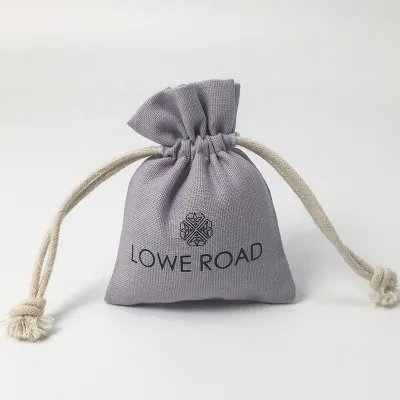
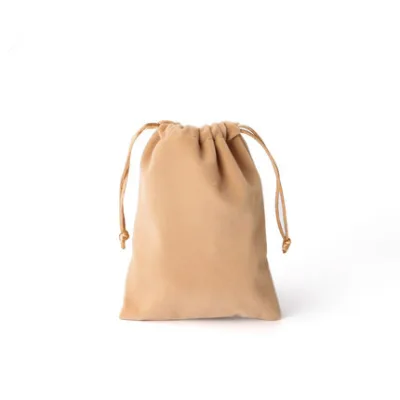


Hot Selling Drawstring Jewelry Cotton Pouch Creative White Leaves Gift Bag
$0.48 - $0.65
MOQ: 100 Pieces


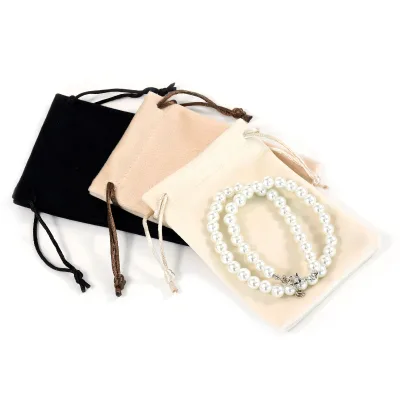


Durable Custom Logo Printed Organic Cotton Canvas Drawstring Bag Jewelry Pouch
$0.50 - $0.90
MOQ: 100 Pieces


High Quality Colorful Lady Jewelry Pouch Drawstring Satin Silk Bags for Hai
$0.25 - $0.40
MOQ: 500 Pieces


Customized Logo Printing Handmade Drawstring 100% Recycled Cotton Canvas Jewelry Pouch Bag
$0.15 - $0.25
MOQ: 2000 Pieces


Black Velvet Drawstring Bag /Velvet Pouch for Jewelry with White Printing
$0.15 - $0.20
MOQ: 2000 Pieces

Comprehensive Sourcing Guide
Customized Color Drawstring Jewelry Pouch Sourcing Guide
Sourcing customized color drawstring jewelry pouches requires a careful balance between aesthetic flexibility and functional durability. These pouches serve as essential packaging for high-value items such as rings, earrings, and necklaces, offering both protection and brand presentation. Buyers must navigate a market where material composition, printing techniques, and color consistency vary significantly across suppliers. The core challenge lies in ensuring that the final product meets specific branding requirements while maintaining the structural integrity needed to protect delicate jewelry items during transit and storage.
The procurement process involves selecting from a variety of materials, including cotton linen, canvas, and cotton fabric, each offering distinct tactile and visual properties. Suppliers often provide a wide spectrum of color options, ranging from standard shades like red, black, and blue to custom Pantone matches. Understanding the limitations and capabilities of different printing methods, such as screen printing, embroidery, and heat transfer, is crucial for achieving the desired logo placement and finish. This guide outlines the key considerations for sourcing these products effectively, ensuring that buyers can make informed decisions based on verified specifications and commercial realities.
Product Scope and Observed Listing Signals
The market for jewelry pouches is characterized by a diverse range of product attributes, with observed listings indicating a price range of $0.04 to $0.90 USD per unit. This wide variance often reflects differences in material quality, order volume, and customization complexity. Minimum Order Quantities (MOQs) typically range from 100 to 10,000 units, allowing for flexibility in initial trial orders versus large-scale production runs. Buyers should note that lower prices are frequently associated with higher MOQs and standard color options, while custom colors and intricate logo applications may incur additional costs and higher minimums.
Observed product specifications reveal a strong emphasis on drawstring sealing mechanisms, which provide secure closure for small items. Common dimensions include sizes such as 8x10 cm, 9x15+3 cm, and various standard sizes like 7x9 cm up to 20x30 cm. The material thickness is often specified in GSM, with ranges like 120GSM to 250GSM indicating the density and durability of the fabric. Shapes are predominantly rectangular or square, designed to maximize interior space for jewelry display. These signals suggest that buyers should clearly define their size and material requirements early in the sourcing process to avoid mismatches between expectations and supplier capabilities.
Technical Specifications to Verify
Material composition is a primary technical specification that directly impacts the feel and longevity of the pouch. Suppliers may offer cotton linen, canvas, or pure cotton fabric, each with different texture and durability profiles. Buyers should verify the exact material blend and weight, as thicker fabrics (higher GSM) generally offer better protection but may be less flexible. The drawstring mechanism must be robust enough to withstand repeated opening and closing without fraying or breaking. It is essential to confirm whether the drawstring is integrated seamlessly into the pouch design or if it is a separate component that could potentially detach.
Printing and logo application methods vary significantly in terms of cost, durability, and visual impact. Common techniques include screen printing, silkscreen printing, embroidery, gold foil stamping, and heat transfer. Each method has specific requirements regarding logo size, color complexity, and placement. For instance, screen printing is cost-effective for large, solid-color logos, while embroidery offers a premium, textured finish. Buyers should request physical samples to evaluate the print quality, color accuracy, and adhesion of the logo to the fabric. Additionally, verifying the single package size and gross weight is crucial for calculating shipping costs and storage requirements.
Compliance and Safety Documentation
While specific certification statuses are not universally mandated for all jewelry pouches, buyers should inquire about compliance with relevant safety and environmental standards. Given that these pouches may come into direct contact with jewelry, which can include precious metals and gemstones, it is important to ensure that the materials are free from harmful substances. Buyers should verify that the fabric and dyes used are non-toxic and do not contain heavy metals or allergens that could react with the jewelry or cause skin irritation.
Environmental considerations are increasingly important in the packaging industry. Many suppliers highlight features such as recyclability, which aligns with sustainable sourcing goals. Buyers should ask for documentation regarding the recyclability of the materials and the manufacturing processes used. This may include information on the source of the cotton or linen, the dyeing process, and the end-of-life disposal options for the pouches. Ensuring that the supplier adheres to ethical labor practices and environmental regulations can also enhance brand reputation and meet the expectations of environmentally conscious consumers.
Cost Drivers and Commercial Terms
Several factors influence the final cost of customized jewelry pouches, with material selection and printing complexity being the most significant. Premium materials like high-GSM cotton linen or canvas will cost more than standard cotton fabric. Similarly, complex logo designs requiring multiple colors or specialized techniques like gold foil or embroidery will increase production costs. Buyers should also consider the impact of order volume on pricing, as larger orders typically benefit from economies of scale. Understanding these cost drivers allows for more accurate budgeting and negotiation with suppliers.
Commercial terms such as payment methods, lead times, and shipping arrangements also play a crucial role in the total cost of ownership. Suppliers often offer terms like EXW, FOB, or Door to Door, each with different implications for risk and cost responsibility. Lead times can vary based on customization requirements, with stock colors potentially offering faster delivery times of around seven days. Buyers should clarify these terms upfront to avoid unexpected delays or costs. Additionally, understanding the sample availability and cost is important for validating quality before committing to a large order.
Supplier Qualification and Quality Control
Evaluating supplier qualifications is essential to ensure consistent quality and reliable service. Buyers should look for suppliers with a proven track record in producing customized packaging solutions, particularly for the jewelry industry. Checking for relevant business licenses, export capabilities, and customer reviews can provide insights into the supplier's reliability and professionalism. Suppliers that accept custom orders and offer logo customization services are likely to be more flexible and responsive to specific buyer requirements.
Quality control measures should be clearly defined and agreed upon before production begins. Buyers should request detailed quality control plans that outline inspection points, acceptable defect rates, and testing procedures. This may include visual inspections for print quality and color consistency, as well as physical tests for durability and seam strength. Establishing a clear communication channel for addressing quality issues and requesting reworks or refunds is crucial for maintaining product standards. Regular communication and periodic audits can help ensure that the supplier maintains consistent quality throughout the production process.
Long-Term Procurement Checks
Building a long-term relationship with a reliable supplier requires ongoing monitoring and evaluation. Buyers should regularly review supplier performance metrics, such as on-time delivery rates, product quality consistency, and responsiveness to issues. Establishing a structured feedback loop allows for continuous improvement and helps identify potential problems before they escalate. Regularly updating specifications and requirements based on market trends and customer feedback ensures that the products remain relevant and competitive.
Sustainability and ethical sourcing practices should be continuously assessed and improved over time. Buyers should encourage suppliers to adopt more eco-friendly materials and processes, such as using organic cotton or water-based dyes. Regularly reviewing the supplier's compliance with environmental and labor standards helps mitigate risks and enhances brand value. By prioritizing long-term partnerships based on mutual trust and shared values, buyers can secure a stable supply chain that supports their business growth and sustainability goals.
FAQs
Can I customize the logo on these jewelry pouches?
Yes, you can customize the logo using screen printing, gold foil, embroidery, or embossing. The supplier accepts custom orders and offers various printing crafts like heat transfer and silk printing to meet your branding needs.
What materials are used for these drawstring bags?
The bags are made from cotton linen or canvas fabric with a thickness ranging from 120GSM to 250GSM. These materials ensure durability while remaining recyclable and suitable for jewelry, shoes, and gift packaging applications.
What is the minimum order quantity for these pouches?
The minimum order quantity varies between 100 and 500 pieces depending on the specific model and customization requirements. Some standard stock items may be available with a lower MOQ of 100 pieces for faster delivery.
How long does it take to receive stock color items?
Fast delivery is available within 7 days for stock colors. This quick turnaround applies to standard items without custom printing, allowing you to receive your order promptly for immediate use in promotions or gifts.
Which sizes are available for these jewelry pouches?
Available sizes include 8x10cm, 9x12cm, and various standard dimensions up to 20x30cm. You can choose from small, rectangle, or square shapes to fit rings, earrings, necklaces, or other small items effectively.
Can I get samples before placing a bulk order?
Yes, samples are available for evaluation before committing to a large purchase. This allows you to verify the material quality, printing details, and overall finish of the cotton linen or canvas pouches.