Source Customized NBR Automotive Rubber Parts for Vehicle, Medical, and Industrial
Find 30 listings for Customized NBR Automotive Rubber Parts suitable for vehicle, medical, and industrial applications. Buyers can compare material options like EPDM and NBR, customization levels, and certifications including ISO and RoHS from verified Chinese manufacturers.
Key considerations
Products List


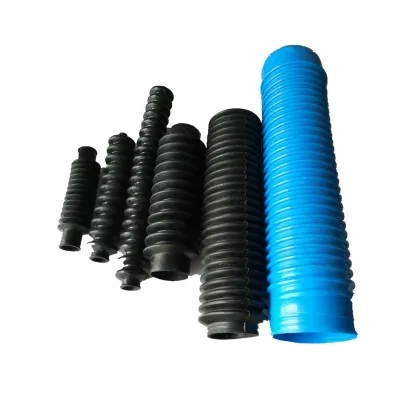


Factory Direct Sales Support Customization of Various Rubber Parts NBR/FKM
$0.01 - $0.50
MOQ: 100 Pieces


Comprehensive Sourcing Guide
Strategic Sourcing Guide for Customized NBR Automotive Rubber Parts
Understanding Material Properties and Technical Specifications
When sourcing customized NBR (Nitrile Butadiene Rubber) automotive rubber parts, the primary focus must be on the material's inherent chemical and physical characteristics. NBR is widely recognized for its exceptional resistance to oils, fuels, and other hydrocarbons, making it a critical choice for under-the-hood and powertrain applications. Based on observed market data, suppliers often list NBR alongside other elastomers such as EPDM, CR, and Silicone Rubber, indicating that the specific selection depends heavily on the environmental stressors the part will face. For automotive contexts, the material must demonstrate high resistance to temperature fluctuations, with documented attributes including both high-temperature and low-temperature resistance capabilities.
The technical specifications for these parts are rarely off-the-shelf. The core requirement is "Customized Product" design, where the final geometry is dictated by the buyer's engineering drawings. The production process typically utilizes Injection Molding, though some suppliers may offer Compression Molding or CNC Machining for specific prototyping or low-volume needs. The molding method selected directly influences the precision of the final part, particularly for complex geometries like dust seals or O-rings. Buyers should verify that the supplier's technology stack includes the specific molding methods required for their design complexity. Furthermore, the color of the rubber is often customizable to Pantone or RAL standards, which can be essential for color-coding different fluid lines or assembly zones within a vehicle. The size and shape are strictly defined by the customer's requirements, with no standard dimensions assumed unless explicitly stated in the product model, such as specific indicator models for wheel nuts.
Compliance, Certification, and Regulatory Standards
Navigating the compliance landscape for automotive rubber components requires rigorous verification of supplier certifications. The automotive industry demands high levels of quality assurance, and suppliers operating in this space typically hold ISO certifications. Observed data indicates that many manufacturers possess ISO, RoHS, and CE certifications, with some specifically listing ISO 9001:2000. While ISO 9001 is a general quality management standard, its presence suggests a baseline commitment to consistent manufacturing processes. Additionally, certifications like SGS and CCC (China Compulsory Certification) may be relevant depending on the specific export destination and application safety requirements.
Buyers must understand that certification status is not a universal guarantee for every listed product. Instead, it is a supplier-level attribute that should be verified against the specific batch or project. For automotive applications, the "Nonstandard" nature of the products means that compliance often extends beyond general certifications to specific industry standards regarding flammability, toxicity, and environmental impact. The "Customized Product" standard implies that the final part must meet the buyer's specific technical specifications, which may include additional testing protocols not covered by the supplier's general certifications. It is crucial to request evidence of compliance for the specific NBR compound used, ensuring it meets the necessary automotive industry regulations for oil and fuel resistance without degrading over time.
Cost Drivers and Economic Factors in Procurement
The cost of customized NBR automotive parts is influenced by a complex interplay of material selection, production volume, and design complexity. The observed price range in the market is quite broad, spanning from $0 to $10 per unit, which suggests that unit pricing is highly dependent on the order quantity and the intricacy of the mold. The Minimum Order Quantity (MOQ) typically ranges from 10 to 1000 units, providing flexibility for both prototyping and mass production. However, lower MOQs often come with a higher per-unit cost due to the setup costs associated with custom tooling and mold creation.
Material costs are a significant driver, as NBR is often sourced alongside other rubbers like EPDM and CR. The specific grade of NBR, whether it is standard or formulated for extreme temperature resistance, will impact the base material cost. Additionally, the "Customized Packaging" requirement can add to the overall expense, as specialized packaging solutions are often necessary to protect parts during transit and prevent contamination. The lead time, which is generally "According to Request," is another variable cost factor. Longer lead times may allow for more efficient production scheduling, while expedited requests often incur premium charges. Buyers should also consider the cost of quality control; suppliers with dedicated QA/QC inspectors (such as the 4 inspectors noted in some profiles) and a high number of production machines (up to 86) may command higher prices but offer greater reliability and consistency.
Typical Applications and Performance Requirements
Customized NBR rubber parts serve a multitude of critical functions within the automotive sector. The primary application areas include Vehicle, Automotive, and Electronic systems. Specific product types identified in the market include Dust Seals, which are essential for protecting bearings and shafts from contaminants, and various indicator parts, such as plastic wheel nut indicators that may incorporate rubber elements. The performance requirements for these parts are stringent, with a primary focus on Corrosion Resistance and Wear-Resistant properties. These attributes ensure that the parts can withstand the harsh environments found in engine bays and undercarriages, where exposure to road salts, oils, and mechanical abrasion is constant.
The versatility of NBR allows it to be used in a wide range of applications, from Household and Agricultural machinery to Industrial and Medical devices, though the automotive focus remains paramount for this keyword. The material's ability to resist oil and fuel makes it indispensable for seals, gaskets, and hoses. Furthermore, the "High Temperature Resistance" and "Low Temperature Resistance" attributes highlight the part's ability to function across the wide thermal spectrum experienced by vehicles, from freezing winter mornings to scorching engine heat. Buyers should ensure that the specific NBR compound selected matches the exact performance profile required for their application, as a standard compound may not suffice for extreme conditions.
Supplier Evaluation and Operational Capabilities
Evaluating a potential supplier for customized NBR automotive parts requires a deep dive into their operational capabilities and production infrastructure. Key metrics to consider include the number of production machines and the presence of dedicated quality control personnel. A supplier with a robust fleet of 86 production machines and a team of 4 QA/QC inspectors demonstrates a capacity for high-volume, consistent production. This scale is particularly important for automotive clients who often require large batches of parts with tight tolerances.
The location of the supplier is another critical factor. Most observed suppliers are based in China, with specific manufacturing hubs in Xiamen, Hengshui, and other regions. The loading ports, such as Qingdao and Tianjin, are standard for export, but buyers should verify if the supplier can accommodate specific shipping requests. The "Service" attribute, often listed as OEM/ODM, indicates that the supplier is capable of handling both original equipment manufacturing and design services. This flexibility is essential for custom projects where the buyer may need assistance with design optimization or mold creation. Additionally, the availability of "24h Service" for after-sales support can be a significant differentiator, ensuring that any production issues or logistical challenges are addressed promptly.
Quality Control and Long-Term Procurement Considerations
Maintaining quality in the procurement of customized rubber parts requires a proactive approach to quality control (QC) and long-term supplier relationship management. The presence of dedicated QA/QC inspectors is a positive indicator, but buyers should also establish their own inspection protocols. This includes verifying the "Customized Packaging" to ensure parts are protected from damage and contamination during transit. The "Standard or According to Your Requirement" packing options allow for flexibility, but the buyer must specify the exact requirements to prevent quality degradation.
Long-term procurement considerations involve assessing the supplier's ability to maintain consistency over time. The "Lead Time" being "According to Request" suggests that production schedules can be flexible, but buyers should establish clear timelines to avoid delays. The "Customized Product" nature of the items means that any changes in design or material specification require re-qualification, making a stable supplier relationship vital. Buyers should also consider the supplier's experience with "Injection Molding" and "CNC Machining" to ensure they have the technical expertise to handle complex designs. Finally, the "After-Sales Service" commitment, such as 24-hour response times, should be formalized in contracts to ensure rapid resolution of any quality or delivery issues that may arise during the product lifecycle.
Summary of Key Sourcing Parameters
To facilitate a streamlined sourcing process, the following table summarizes the critical parameters buyers should verify when evaluating suppliers for Customized NBR Automotive Rubber Parts. This comparison highlights the essential attributes derived from market observations and industry standards.
| Parameter | Key Considerations | Verification Method |
|---|---|---|
| Material | NBR, EPDM, CR, Silicone; Check for Oil/Fuel resistance. | Request Material Safety Data Sheets (MSDS) and test reports. |
| Certifications | ISO, RoHS, CE, SGS, CCC; Verify specific project compliance. | Ask for valid certificates and audit reports. |
| Production | Injection Molding, CNC, Compression; Check machine count. | Review factory tour videos or on-site audits. |
| Customization | Drawing-based design, Pantone/RAL colors, Custom sizes. | Submit technical drawings and confirm mold capability. |
| Quality | QA/QC inspectors, 24h service, Corrosion/Wear resistance. | Request sample inspection reports and defect rates. |
| Logistics | Origin: China; Ports: Qingdao, Tianjin; MOQ: 10-1000. | Confirm shipping terms and lead time estimates. |
By adhering to these guidelines and verifying the specific attributes of each supplier, buyers can effectively navigate the complex landscape of Customized NBR Automotive Rubber Parts procurement. The focus must remain on technical fit, regulatory compliance, and the supplier's capacity to deliver consistent, high-quality results over the long term.
FAQs
What materials are used for customized automotive rubber parts?
Suppliers typically use NBR, EPDM, CR, and Silicone Rubber for these parts. The specific material is selected based on requirements for oil resistance, temperature tolerance, and corrosion protection in automotive environments.
Which certifications do manufacturers usually hold for these parts?
Common certifications include ISO, RoHS, CE, and SGS. Some suppliers also list CCC and ISO9001:2000, though buyers must verify specific compliance for their project rather than assuming universal coverage.
How is customization handled for shape and color specifications?
Shapes and sizes are fully customized according to customer drawings or designs. Colors can be matched to Pantone or RAL standards, allowing for specific color-coding needs in vehicle assembly zones.
What is the typical minimum order quantity for these parts?
The minimum order quantity ranges from 10 to 1000 units depending on the supplier. Lower quantities often involve higher per-unit costs due to mold setup, while larger orders benefit from economies of scale.
Can suppliers provide OEM and ODM services for these parts?
Yes, most suppliers offer both OEM and ODM services to accommodate custom designs. They utilize injection molding and compression molding technologies to produce parts strictly following buyer engineering drawings and requirements.
Where are these manufacturers located and what are their ports?
Manufacturers are primarily located in China, with hubs in Xiamen and Hengshui. Goods are typically shipped from loading ports such as Qingdao or Tianjin, though specific port requests can often be accommodated.