Source Customized Rice Length Grader for Wheat, Beans, and Flour
Compare 30 listings for a Customized Rice Length Grader designed for processing white rice, wheat, beans, and flour. Buyers can review specifications like capacity, power, and sorting accuracy to find the right grain cleaning equipment.
Key considerations
Products List


Rice Length Sorting Grading Equipment Length Grader for Rice Mill Plant
$5000.00 - $6500.00
MOQ: 1 set


Rice Indented Cylinder Rice Length Grader Price Rice Length Classifier Length Sorter
$5000.00 - $20000.00
MOQ: 1 set


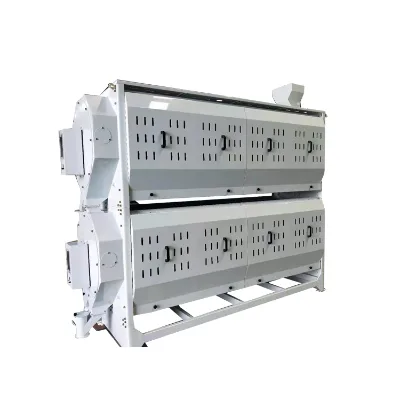
Cheaper Price Rice Grader Lengthrice Indented Cylinder Drum Rice Length Grader
$2475.00 - $5940.00
MOQ: 1 Minimum


Widely Use Motor Rice Grader Price with Muti-Function of Motor Grader Sem921
$59000.00 - $69000.00
MOQ: 1 Pieces
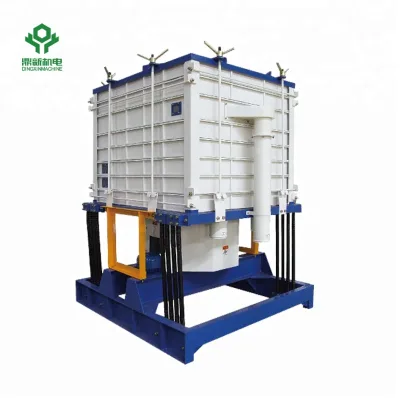
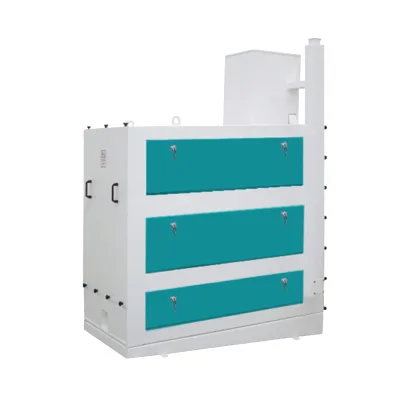
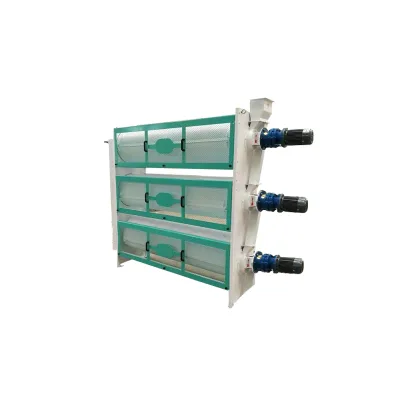
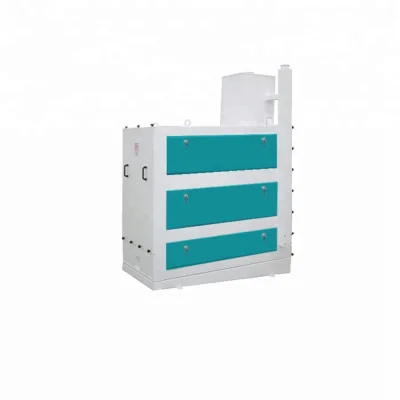

Widely Used Motor Rice Grader Price with Muti-Function of Motor Grader 919f
$29500.00 - $35000.00
MOQ: 1 Pieces


$5000.00 - $9000.00
MOQ: 1 Sets


Comprehensive Sourcing Guide
Strategic Sourcing Guide for Customized Rice Length Graders
Understanding the Technical Landscape of Indented Cylinder Separators
When sourcing a Customized Rice Length Grader, buyers must first distinguish between general grain processing equipment and specialized length-sorting machinery. The core technology often relies on the indented cylinder principle, where the physical dimensions of the grain determine separation efficiency. In the current market, these units are frequently categorized under names such as "Indented Cylinder Separator," "Length Grader," or "Rice Shape Selected Grader." The operational mechanism typically involves a rotating drum with specific indentations that capture longer grains while allowing shorter fragments or impurities to pass through or be ejected.
Technical specifications vary significantly between models, necessitating a careful review of dimensional and capacity data. For instance, observed models in the sector include configurations with a drum diameter of 710mm by 2500mm, designed to handle specific throughput requirements. Capacity ratings are a critical metric; some units are engineered for a throughput of 3 tons per hour (T/H), while others may operate at 1.2 tons per hour. The physical footprint of the machine is equally important for facility planning. Standardized dimensions for larger units have been observed around 3500mm in length, 1040mm in width, and 2100mm in height, whereas more compact or specific models might measure approximately 1.6 meters by 1.0 meter by 1.3 meters.
The orientation of the equipment is another vital technical consideration. The market presents both horizontal and vertical configurations. Horizontal units, often associated with the 5xw-3 model, may offer different maintenance access points compared to vertical variants. The power requirements also fluctuate based on the motor configuration. Some units operate with a single 3kW motor, while others utilize dual 1.1kW motors, totaling 2.2kW, or specific configurations like 1100W. Buyers must verify the voltage compatibility of their facility, as standard industrial units often operate on 380V. The automatic grade of these machines is typically "Automatic," ensuring consistent operation without manual intervention, which is essential for high-volume processing lines.
Compliance Verification and Certification Standards
In the international B2B market for agricultural machinery, certification serves as a primary indicator of manufacturing quality and safety compliance. When evaluating a Customized Rice Length Grader, buyers should prioritize suppliers who can provide valid documentation for recognized international standards. The most frequently observed certifications in this sector include ISO9001:2008 and CE marking. The ISO9001:2008 standard indicates that the manufacturer has established a quality management system, ensuring consistent production processes. The CE mark is a mandatory conformity mark for products sold within the European Economic Area, signifying that the machinery meets EU safety, health, and environmental protection requirements.
It is crucial to note that certification claims must be verified against the specific batch or model being purchased. While some listings mention "ISOCE" as a combined attribute, buyers should request separate, verifiable certificates for ISO9001 and CE to ensure they are not dealing with ambiguous or non-standard claims. Additionally, the origin of the product plays a role in regulatory compliance. Many units are manufactured in Kaifeng, China, a known hub for grain processing equipment. Buyers importing from this region must ensure that the supplier's certification documents are current and that the machinery complies with the specific import regulations of the destination country, particularly regarding electrical safety and mechanical guarding.
The "OEM Service" attribute is also a significant compliance factor. This indicates that the supplier offers customized manufacturing, which may involve altering the standard design to meet specific local regulatory requirements or facility constraints. When OEM services are utilized, the certification status of the final customized product must be re-validated, as modifications can impact the original compliance status. Buyers should explicitly request that the supplier confirms the certification validity for the customized configuration before finalizing the order.
Cost Drivers and Pricing Structure Analysis
The pricing of customized rice length graders is influenced by a complex interplay of factors, including capacity, customization level, and material specifications. The observed market price range for these units spans from approximately 220 USD to 69,000 USD. This vast disparity suggests that the market includes both small-scale, entry-level units and large-scale, fully automated industrial systems. The lower end of the spectrum likely corresponds to smaller capacity units or those with minimal customization, while the higher end reflects heavy-duty models with advanced automation, larger capacities, and extensive OEM modifications.
Capacity is a primary driver of cost. A unit rated at 3 T/H will generally command a higher price than a 1.2 T/H model due to the increased material usage, larger motor power, and more robust structural components required to handle the higher throughput. The weight of the machine is another indicator of cost drivers; heavier units, such as those weighing 1300 kg, typically involve more steel and heavier-duty components compared to lighter models weighing 380 kg. The material composition, described as "Special Agricultural Products" or specific steel alloys, also affects the final price, as does the complexity of the drum design.
Customization is a significant variable in the cost structure. The availability of "Customized" options allows buyers to tailor the machine to specific grain types, such as white rice, beans, or wheat. However, this flexibility comes with a cost premium. The "OEM Service" for grain cleaning screens and other components adds to the manufacturing complexity and time. Furthermore, the packaging method, whether plastic or wooden case, can influence shipping costs and the overall landed price. Buyers should be aware that the Minimum Order Quantity (MOQ) typically ranges from 1 to 5 units, which may affect the per-unit cost depending on the volume ordered. Understanding these drivers allows buyers to budget effectively and negotiate based on the specific value they require rather than just the base price.
Typical Applications and Grain Processing Versatility
Customized rice length graders are designed to handle a diverse range of agricultural products, making them versatile assets for various processing facilities. The primary application is the sorting of rice, specifically targeting the separation of whole grains from broken fragments. The functional goal is often to "pick out super quality whole rice," ensuring that the final product meets high market standards for appearance and texture. The grading accuracy for these machines is reported to be between 98% and 99%, a critical metric for premium rice producers who need to minimize waste and maximize yield.
Beyond rice, the application scope extends to other grains and legumes. The equipment is explicitly listed for use with flour, rice flour, beans, and wheat. This versatility allows a single facility to process multiple crop types without investing in entirely different machinery. For example, the indented cylinder separator can be adapted to sort beans or wheat based on their specific length and diameter characteristics. The "Fragment in The Whole" metric, noted as less than 2 in some contexts, highlights the machine's ability to minimize the presence of broken pieces in the final output, which is essential for premium grain markets.
The operational convenience of these machines is another key application factor. They are designed to be integrated into existing processing lines, serving as a critical step in the cleaning and grading sequence. The "High-Accuracy" key selling point ensures that the sorting process is reliable, reducing the need for manual re-sorting or secondary processing steps. Whether the application is for a small-scale mill or a large industrial plant, the ability to customize the machine for specific grain types ensures that the equipment delivers optimal performance across different operational scenarios.
Supplier Evaluation and Quality Control Protocols
Evaluating a supplier for a Customized Rice Length Grader requires a rigorous assessment of their technical capabilities and quality control measures. Buyers should verify the supplier's ability to deliver on the "Customization" promise, ensuring they have the engineering resources to modify standard designs to meet specific client needs. The "Key Selling Points" such as "High-Accuracy" should be backed by tangible evidence, such as test results or case studies, rather than mere marketing claims.
Quality control should be a central part of the supplier evaluation. The presence of ISO9001:2008 certification suggests a structured approach to quality management, but buyers must go further by requesting detailed quality assurance protocols. This includes inspection of raw materials, in-process checks during assembly, and final testing of the machine's performance. The "Condition" of the product is typically listed as "New," but buyers should confirm the manufacturing date and ensure that the unit has not been stored for extended periods, which could affect the integrity of electrical components.
The "Main Market" of the supplier, often listed as America or Africa, can provide insight into their experience with international standards and logistics. A supplier with a strong presence in these regions is likely more experienced in handling export documentation, shipping, and after-sales support. Buyers should also inquire about the "Operational Convenience" features, ensuring that the machine is user-friendly and easy to maintain. The "Advantage" of the machine, such as being an "Indented Cylinder Length Sorting Machine," should be validated through technical discussions with the supplier's engineering team.
Long-Term Procurement and Maintenance Considerations
Procuring a Customized Rice Length Grader is not a one-time transaction but the beginning of a long-term operational relationship. Buyers must consider the long-term implications of their choice, including maintenance requirements, spare parts availability, and the potential for future upgrades. The "Power Source" being electric implies a need for reliable electrical infrastructure and ongoing energy cost management. The specific power rating, whether 3kW or dual 1.1kW systems, will influence the operational expenses over the lifespan of the machine.
Maintenance is critical for sustaining the high accuracy and efficiency of the grader. The "Indented Cylinder" mechanism requires regular inspection and cleaning to prevent clogging and ensure consistent performance. Buyers should negotiate with the supplier for a comprehensive maintenance plan that includes regular service visits, training for local operators, and a supply chain for spare parts. The "Product Name" and "Model" should be clearly documented to ensure that any future replacements or upgrades are compatible with the existing system.
The "Weight" and "Dimensions" of the machine also impact long-term logistics. A unit weighing 1300 kg requires a robust foundation and potentially specialized lifting equipment for installation and maintenance. The "Packing" method, whether wooden case or plastic, should be durable enough to protect the machine during transit but also easy to dismantle for installation. Finally, buyers should consider the "Standard" dimensions and specifications when planning their facility layout to ensure the machine fits seamlessly into the production line without requiring costly structural modifications. By addressing these long-term considerations, buyers can ensure that their investment in a Customized Rice Length Grader delivers sustained value and operational efficiency.
FAQs
What certifications do customized rice length graders typically have?
These machines typically hold ISO9001:2008 and CE certifications to ensure quality and safety compliance. Some listings may mention combined ISOCE attributes, but buyers should verify separate valid certificates for each standard before purchasing.
How is the capacity of a Customized Rice Length Grader determined?
Capacity varies by model, with observed units ranging from 1.2 tons per hour to 3 tons per hour. The specific throughput depends on the machine's design, such as the drum diameter and motor power configuration used in the unit.
Can buyers request customization for specific grain types like beans or wheat?
Yes, customization is available for various grains including beans, wheat, and rice flour. The equipment can be tailored to sort different agricultural products based on their specific length and size characteristics using indented cylinder technology.
What is the typical voltage requirement for these industrial machines?
Standard industrial units typically operate on 380V voltage to ensure compatibility with factory power supplies. Buyers must verify this requirement against their facility's electrical infrastructure before installation to prevent operational issues.
Which dimensions are common for larger Customized Rice Length Grader models?
Larger units often measure approximately 3500mm in length, 1040mm in width, and 2100mm in height. Smaller or specific models may have different footprints, such as 1.6 meters by 1.0 meter by 1.3 meters.
How does the grading accuracy impact the final rice quality?
High-accuracy machines achieve a grading rate between 98% and 99% to ensure premium quality output. This precision helps pick out super quality whole rice while minimizing fragments in the final product for better market value.