Source Customized Sponge Rugby Tackle Shield for drills, training, and practice
Find 30 listings for Customized Sponge Rugby Tackle Shield options featuring PVC and foam materials. Buyers can compare sizes, colors, and customization features from verified suppliers.
Key considerations
Products List
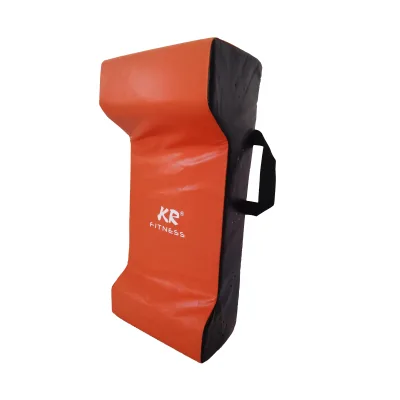
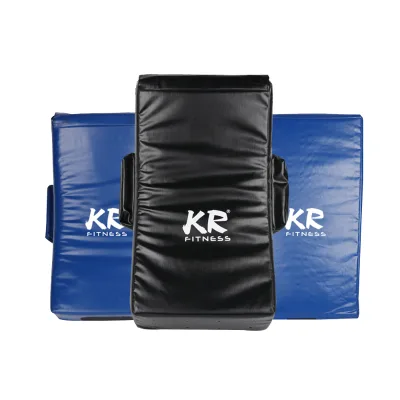
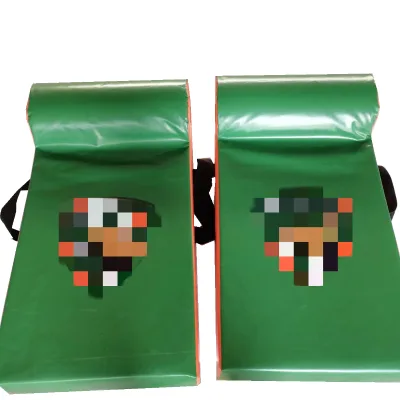
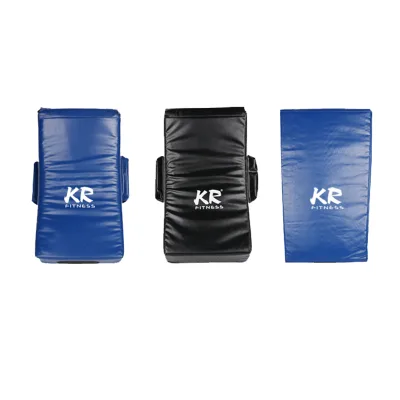




Comprehensive Sourcing Guide
Strategic Sourcing Guide for Customized Sponge Rugby Tackle Shields
Understanding Product Specifications and Variability
When sourcing customized sponge rugby tackle shields, buyers must first navigate a landscape of significant product variability. The core keyword implies a specific construction method involving sponge or foam padding encased in a durable outer shell, yet the exact technical implementation varies widely across suppliers. Based on observed market data, the primary material composition typically involves a combination of PVC (polyvinyl chloride) or tarpaulin paired with sponge or PU foam. This dual-material approach is critical for balancing impact absorption with structural integrity. The outer shell, often described as PVC tarpaulin or standard PVC, provides resistance to abrasion and moisture, while the inner core, identified variously as sponge, foam, or PU foam, dictates the cushioning properties essential for player safety.
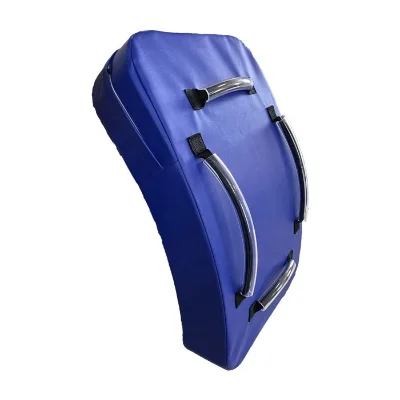
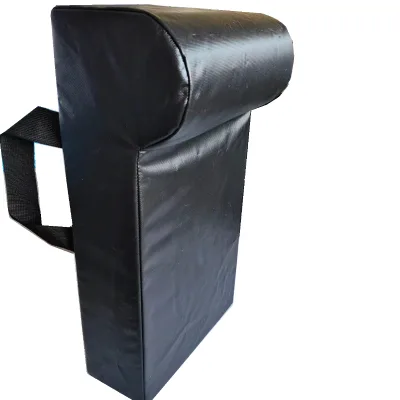
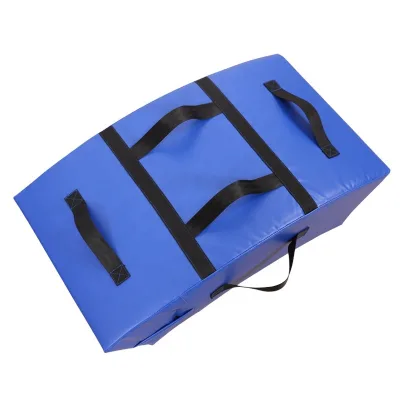
Dimensions are another area of high variability that requires precise definition before placing an order. Observed listings reveal a wide spectrum of sizes, ranging from compact training aids measuring approximately 5010 cm to large, full-body shields reaching up to 944030 cm. Some suppliers offer standard sizes such as 6241*13 cm, while others emphasize a "custom mat size" capability to meet specific team requirements. The shape is equally diverse, with products appearing in curved, trapezoid, and square configurations. The "curved" shape is particularly prevalent in rugby contexts, designed to mimic the angle of a tackle and provide a realistic training surface. Buyers must explicitly specify whether they require a "top wedge" feature, a design element noted in several product descriptions that adds structural height to the upper portion of the shield.
The following table summarizes the observed specification ranges to assist in defining procurement requirements:
| Specification Category | Observed Variations | Procurement Consideration |
|---|---|---|
| Primary Material | PVC + Sponge, PVC + Foam, Tarpaulin PVC + PU Foam | Verify foam density and PVC thickness for durability. |
| Dimensions | 5010 cm to 9440*30 cm; Custom options available | Define exact length, width, and depth based on user age/size. |
| Shape | Curved, Trapezoid, Square, Arch | Curved shapes are standard for tackle simulation; square for static drills. |
| Color Options | Blue, Black, Red, Yellow, Customized | Ensure color fastness and team branding alignment. |
| Model Numbers | KR, KR014, KR015, KR CUSTOMIZED | Use model numbers as reference points but verify against physical samples. |
Compliance, Certification, and Safety Verification
In the realm of sports equipment, safety is paramount, yet the supplied data does not explicitly list specific international safety certifications or test results for these tackle shields. Buyers should not assume that a product listing automatically implies compliance with rigorous standards such as ISO or ASTM. Instead, the procurement process must include a proactive verification step where the buyer requests documentation regarding material safety and impact resistance.
The materials used, specifically PVC and various foams, are subject to regulations regarding chemical content, such as restrictions on phthalates or heavy metals, depending on the destination market. Since the product origin is frequently identified as Hebei, China, buyers should be aware that local manufacturing standards may differ from those in North America or the European Union. It is essential to request a Material Safety Data Sheet (MSDS) or a declaration of conformity from the supplier. This document should confirm that the sponge or foam does not off-gas harmful volatile organic compounds (VOCs) and that the PVC material meets relevant environmental and safety standards for sports equipment.
Furthermore, the durability of the product is a critical compliance factor. The "Durable" attribute is frequently listed, but this is a qualitative claim rather than a quantifiable standard. Buyers should inquire about the specific testing protocols used to validate durability claims, such as abrasion resistance tests or tensile strength measurements. Without explicit certification data in the product listing, the buyer must treat the "Durable" label as a marketing observation and verify it through physical sample testing or third-party laboratory reports before committing to a bulk order.
Cost Drivers and Pricing Structure Analysis
The pricing for customized sponge rugby tackle shields is influenced by several dynamic factors, with the most significant being the level of customization and the volume of the order. The observed price range in the market spans from approximately $0.20 to $63.00 USD. This wide disparity is not indicative of a single product tier but rather reflects the difference between basic, off-the-shelf items and highly customized, premium units.
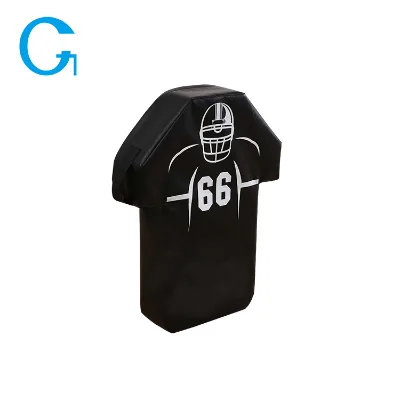
The primary cost driver is the customization of the product. Suppliers offering "Customized Logo," "Customized Color," and "Customized Size" capabilities typically charge a premium over standard inventory. The inclusion of a "top wedge" or specific arch designs also adds to the manufacturing complexity and cost. Additionally, the type of foam used plays a role; PU foam generally offers superior rebound and durability compared to standard sponge, potentially increasing the unit cost.
Minimum Order Quantity (MOQ) is another critical component of the cost structure. The observed MOQ ranges from a single piece to 2,000 pieces. While some suppliers offer an MOQ of just one piece, this is often associated with a significantly higher unit price to cover setup and handling costs. Conversely, orders placed at the higher end of the MOQ spectrum, such as 20 or 100 pieces, usually benefit from economies of scale. Buyers must balance their budget constraints with their need for customization. If a team requires a specific color scheme and logo, they may need to meet a higher MOQ to achieve a viable unit price. The packing method, described as "Poly Bag + Carton" or "as your requirements," also impacts the final landed cost, as specialized packaging for fragile items or custom branding adds to the expense.
Typical Applications and Usage Scenarios
Customized sponge rugby tackle shields are versatile tools designed for a variety of training environments. The primary application is in rugby union and rugby league training, where they are used to simulate the impact of a tackle. The curved shape is specifically engineered to allow players to practice tackling techniques with a realistic angle, reducing the risk of injury compared to tackling a stationary human partner. These shields are essential for developing proper body positioning, head placement, and driving power in contact drills.
Beyond professional rugby, these products are widely utilized in youth sports programs, school physical education classes, and amateur clubs. The availability of different sizes, from small 50 cm units to larger 94 cm models, allows coaches to select equipment appropriate for the age and size of the athletes. Smaller shields are ideal for younger children or for teaching basic hand placement, while larger shields are necessary for older, more powerful players to absorb high-impact collisions.
The "Rugby FOOTBALL profile curved TACKLE SHIELD PAD WITH TOP WEDGE" design suggests a specialized application for high-intensity drills where the top wedge provides an additional target area for the tackler's shoulder or head. This feature helps in training players to drive through the tackle rather than stopping at the surface. Additionally, the durable construction makes these shields suitable for use in outdoor facilities, where they may be exposed to varying weather conditions, provided the PVC material is of sufficient quality to resist UV degradation and moisture.
Supplier Evaluation and Selection Criteria
Selecting the right supplier for customized rugby tackle shields requires a rigorous evaluation process that goes beyond the initial product listing. Since the market contains multiple suppliers with varying capabilities, buyers must assess several key criteria to ensure a reliable partnership.
First, verify the supplier's ability to handle customization. The product listings frequently mention "Customized Logo" and "Customized Color," but the execution of these requests varies. A reliable supplier should provide clear examples of previous custom work, including high-resolution images of logos printed on the PVC surface and color accuracy samples. Buyers should also confirm the supplier's flexibility regarding size modifications, as some listings indicate "Standard Size" while others offer "can custom mat size as your requirements."
Second, evaluate the supplier's sample policy. Most observed listings indicate that samples are provided, which is a positive indicator of transparency. Buyers should request a physical sample before placing a bulk order to personally inspect the quality of the foam density, the stitching or welding of the PVC seams, and the overall finish. The sample should be tested for durability by simulating a tackle to ensure the padding does not compress too quickly or the outer shell does not tear.
Third, consider the supplier's location and logistics capabilities. With the primary origin identified as Hebei, China, buyers should be prepared for international shipping logistics. While the exact lead times are not specified in the data, buyers must confirm the production timeline, especially for custom orders which may require additional time for mold creation or color matching. The packing method, whether standard poly bags or reinforced cartons, should be discussed to ensure the product arrives in perfect condition.
Quality Control and Long-Term Procurement Considerations
Ensuring consistent quality is a continuous process that extends beyond the initial sample approval. For long-term procurement, buyers should establish clear quality control (QC) checkpoints. This includes defining acceptable tolerances for dimensions, color matching, and material thickness. Since the material is PVC and foam, buyers should pay close attention to the bonding process. Poor adhesion between the foam core and the PVC shell can lead to delamination over time, rendering the shield useless.
For ongoing orders, buyers should consider implementing a pre-shipment inspection. This involves checking a random sample of the production batch against the approved sample to ensure consistency. Key inspection points include the integrity of the handles (if present), the strength of the seams, and the absence of defects such as bubbles in the foam or tears in the PVC.
Long-term procurement also involves planning for product lifecycle and replacement. Rugby tackle shields are subject to heavy wear and tear. Buyers should inquire about the expected lifespan of the product under regular training conditions and establish a reorder schedule. Customized items with specific logos may have a longer lead time for reordering, so maintaining a stock of essential spares or planning bulk orders well in advance is advisable. Additionally, buyers should consider the environmental impact of the materials. PVC and foam are not always easily recyclable, so exploring suppliers who offer eco-friendly alternatives or take-back programs could be a strategic differentiator for organizations with sustainability goals.
In conclusion, sourcing customized sponge rugby tackle shields requires a detailed understanding of the product's technical specifications, a proactive approach to compliance verification, and a strategic evaluation of suppliers. By carefully navigating the variability in materials, sizes, and customization options, buyers can secure high-quality equipment that meets the specific needs of their rugby teams while ensuring safety and durability.
FAQs
What materials are used for the shield padding?
The shields typically use PVC combined with sponge or foam for the core. Some premium versions utilize tarpaulin PVC paired with PU foam to enhance durability and impact absorption for rigorous training sessions.
Can I request a customized logo on the product?
Yes, suppliers accept customized logos on the shield surface. This customization is available alongside options for tailored colors and specific model numbers like KR014 or KR015 to match team branding requirements.
What is the minimum order quantity for these shields?
The minimum order quantity varies by supplier, ranging from one piece to 2,000 pieces. Some vendors list an MOQ of 10 or 20 pieces, while others may require higher volumes for custom pricing tiers.
Which dimensions are available for the tackle shields?
Available sizes range from compact 50*10 cm units to large 94*40*30 cm models. Many suppliers offer standard sizes like 62*41*13 cm or allow fully custom mat dimensions to fit specific training needs.
How are the products packaged for shipping?
Standard packaging typically involves a poly bag combined with a carton for protection. Some suppliers offer flexible packing solutions that can be customized according to specific buyer requirements or shipping constraints.
Where are these rugby shields manufactured?
The primary place of origin for these products is Hebei, China. Buyers should verify specific factory locations and production capabilities when sourcing to ensure alignment with logistics and quality expectations.