Source Cute Animal Doll Egg Toy for gifts, decor, and play
Compare 30 listings for the Cute Animal Doll Egg Toy, featuring plush rabbits and egg-shaped designs. Buyers can review materials, sizes, and customization options from verified Chinese manufacturers to find the perfect soft toy for gifting or decoration purposes today.
Updated
Key considerations
Products List


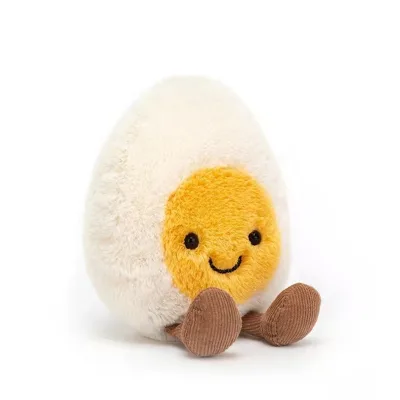
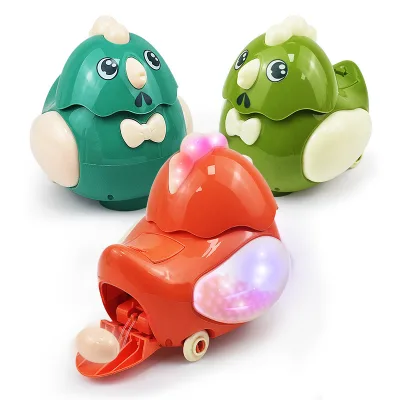
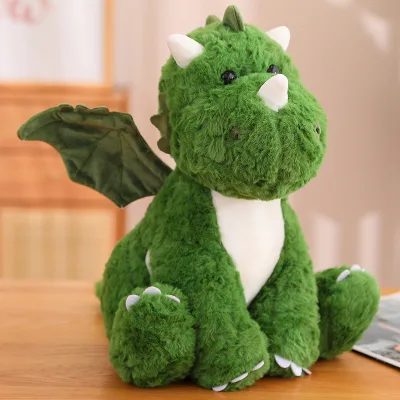
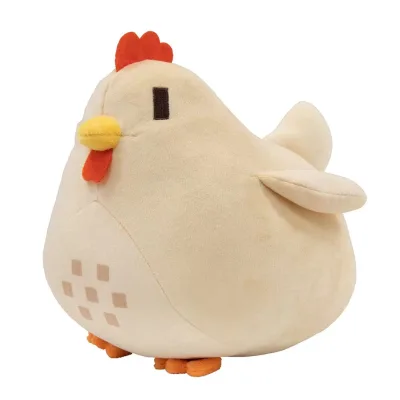
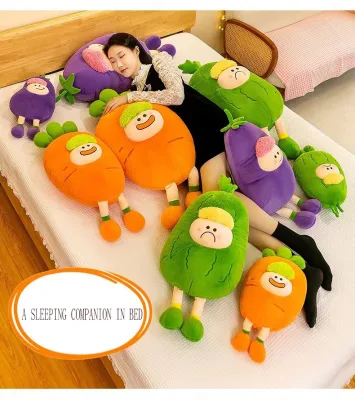
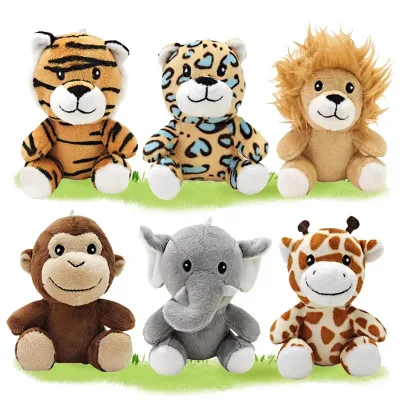
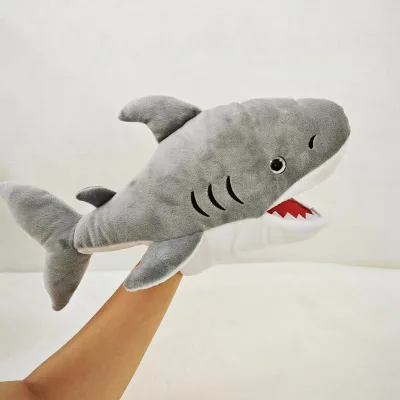
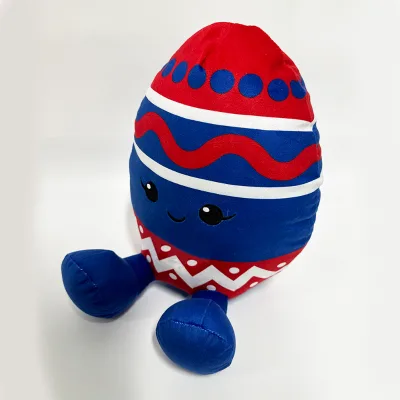


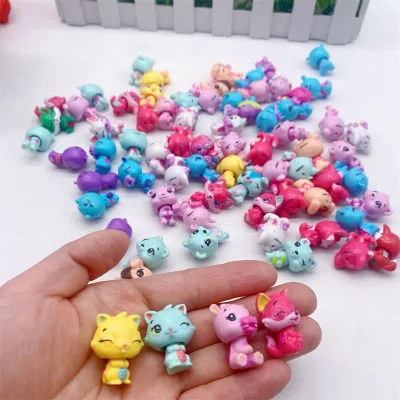
Cute Colorful Rabbit Doll Plush Stuffed Toy Simulation Little Rabbit Toy
$0.80 - $3.00
MOQ: 500 Pieces


Comprehensive Sourcing Guide
Cute Animal Doll Egg Toy Sourcing Guide
Procuring cute animal doll egg toys requires a nuanced understanding of the intersection between plush aesthetics and novelty item functionality. Buyers must distinguish between standard plush animals and those with specific egg-shaped or fantasy designs, as the manufacturing processes and material requirements differ significantly. The observed market data indicates a diverse range of products, from traditional polyester bunnies to ABS plastic novelty items, each serving distinct gifting and decorative purposes. Understanding these variations is critical for aligning supplier capabilities with your specific product vision and target demographic expectations.
This guide focuses on evidence-based sourcing strategies for these unique toy categories, leveraging observed listing signals to inform technical and commercial decisions. By examining the specific attributes such as customization options, material compositions, and safety certifications, buyers can mitigate risks associated with quality inconsistencies and regulatory non-compliance. The following sections provide a structured approach to evaluating suppliers, verifying specifications, and establishing robust quality control measures for this specialized segment of the toy industry.
Product Scope and Observed Listing Signals
The current market landscape for cute animal doll egg toys reveals a wide spectrum of product types, including soft dragon plush toys, bunny plush toys, and ABS plastic novelty items. Observed listings highlight specific design elements such as green and red wings for fantasy dragons, mixed-color options for general appeal, and specific sizes ranging from 15cm to 50cm. These variations suggest that buyers should carefully define their aesthetic requirements, as the visual identity of the product, whether it be a cartoon-style rabbit or a fantasy dragon, directly impacts supplier selection and production complexity.
Customization is a prevalent feature across many observed listings, with suppliers offering options for logo printing, simple color imprints, and tailored packaging solutions. This flexibility allows buyers to create branded merchandise or unique gift items that stand out in competitive markets. However, the availability of customization does not guarantee uniformity in execution; buyers must verify the specific customization capabilities of each supplier, including the minimum order quantities for custom designs and the lead times required for producing personalized items, to ensure alignment with their launch schedules.
Technical Specifications to Verify
Technical verification begins with confirming the material composition, as observed listings indicate the use of polyester for outer fabrics and various fillings such as cotton or PP cotton for plush items, while ABS plastic is used for novelty egg toys. Buyers must ensure that the specified materials meet their desired tactile and durability standards, particularly for products intended for children. The distinction between soft plush materials and rigid plastic components is crucial, as it affects the manufacturing process, packaging requirements, and final product feel, necessitating clear communication with suppliers regarding material grades and sourcing origins.
Size and dimensional specifications are equally critical, with observed standards ranging from 15cm to 50cm for plush toys and specific seat heights for plastic items. Buyers should request detailed technical drawings or physical samples to verify that the product dimensions match their design requirements precisely. Additionally, the weight of the product, described as light-weight in some listings, should be confirmed to ensure it meets shipping cost expectations and handling requirements. Accurate specification verification prevents costly rework and ensures that the final product aligns with the intended use case, whether for decoration, gifting, or play.
Compliance and Safety Documentation
Safety compliance is paramount when sourcing toys, particularly those marketed towards children. Observed listings mention certifications such as ENASTM and CE, which are essential for ensuring that products meet international safety standards. Buyers must verify the validity and scope of these certifications, ensuring that they cover the specific product types and materials being procured. It is crucial to request up-to-date test reports from accredited laboratories to confirm that the toys are free from harmful substances and meet mechanical and physical safety requirements, thereby protecting both the end-user and the brand from potential liability issues.
In addition to formal certifications, buyers should inquire about additional safety instructions and features, such as non-toxic materials, smooth edges, and odorless properties, which are highlighted in several observed listings. These attributes contribute to the overall safety profile of the product and enhance consumer trust. Buyers should also verify that the suppliers adhere to strict quality control processes during production to maintain consistency in safety standards. Clear documentation of safety compliance not only facilitates smoother customs clearance but also reinforces the brand’s commitment to product safety and quality.
Cost Drivers and Commercial Terms
Cost structures for cute animal doll egg toys are influenced by several factors, including material costs, customization complexity, and order volume. Observed price ranges vary significantly, reflecting differences in product type, size, and material quality. Buyers should analyze these price ranges in the context of their budget constraints and target margins, recognizing that higher customization levels or specific material requirements may incur additional costs. Understanding the breakdown of these costs allows buyers to negotiate more effectively and identify areas where cost savings can be achieved without compromising quality.
Minimum order quantities (MOQs) and lead times are critical commercial terms that impact inventory management and cash flow. Observed MOQs range from small quantities suitable for testing to larger volumes for mass production, allowing buyers to scale their orders based on demand forecasts. Buyers should negotiate flexible MOQs where possible, especially for initial orders or customized products, to reduce inventory risk. Additionally, clear agreement on lead times is essential to ensure timely delivery, particularly for seasonal products or time-sensitive marketing campaigns, enabling better planning and coordination with downstream distribution channels.
Supplier Qualification and Quality Control
Supplier qualification involves a thorough assessment of manufacturing capabilities, quality management systems, and past performance. Buyers should verify that suppliers have experience in producing the specific types of cute animal doll egg toys they intend to procure, as specialized knowledge can significantly impact product quality and consistency. Requesting references or case studies from previous clients can provide valuable insights into the supplier’s reliability and ability to meet specific requirements. Additionally, conducting on-site audits or third-party inspections can help assess the supplier’s production environment and adherence to quality standards.
Quality control measures should be established early in the procurement process to ensure that products meet the agreed-upon specifications. Buyers should define clear acceptance criteria for materials, dimensions, and aesthetics, and implement regular inspection points during production. Sampling is a critical step, allowing buyers to evaluate the final product before committing to large orders. Establishing a robust quality control framework, including pre-shipment inspections and defect resolution protocols, helps minimize the risk of receiving substandard products and ensures that the final output aligns with brand expectations and customer satisfaction goals.
Long-Term Procurement Checks
Long-term procurement success depends on continuous monitoring of supplier performance and market trends. Buyers should establish key performance indicators (KPIs) to track supplier reliability, including on-time delivery rates, product quality consistency, and responsiveness to issues. Regular performance reviews enable buyers to identify areas for improvement and address any emerging challenges proactively. Building a strong partnership with suppliers based on transparency and mutual benefit fosters collaboration and encourages suppliers to prioritize the buyer’s needs, leading to better service and product outcomes over time.
Staying informed about regulatory changes and market dynamics is essential for maintaining compliance and competitiveness. Buyers should regularly review safety standards and certification requirements to ensure that their products remain compliant with evolving regulations. Additionally, monitoring consumer preferences and design trends can help buyers adapt their product offerings to meet changing demands. By maintaining a proactive approach to procurement management, buyers can mitigate risks, optimize costs, and sustain a competitive edge in the dynamic market for cute animal doll egg toys.
FAQs
What materials are used in these plush toys?
The plush toys are primarily made from polyester fabric with cotton or PP cotton filling. This combination ensures a soft, smooth texture that is safe for children. The materials are certified as non-toxic, odorless, and durable for regular use. Some variants also include ABS plastic components for specific structural parts, providing a sturdy yet gentle feel for handling.
Can these toys be customized for branding?
Yes, customization is available for these plush toys. Buyers can request specific logo prints, simple color variations, or custom packaging options. The products support both standard and bespoke designs, allowing for unique branding. This flexibility makes them suitable for promotional gifts or personalized retail items, ensuring the final product aligns with specific marketing or aesthetic requirements.
What certifications do these products hold?
These products hold ENASTM and CE certifications, ensuring they meet international safety standards. They are explicitly labeled as safe for children and non-toxic. The manufacturing process adheres to strict quality controls, making them suitable for export to regions requiring rigorous toy safety compliance. These certifications provide assurance regarding material safety and structural integrity for young users.
What are the typical sizes and specifications?
The toys come in various sizes, ranging from 15cm to 50cm, with specific models like 23cm or 25cm options. Standard specifications include a 40cm eggplant shape or 50cm bunny designs. Sizes are clearly defined by model numbers such as qz40001 or ll001. This variety allows buyers to select the appropriate scale for different usage scenarios, from pocket-sized gifts to larger decorative items.
How should these plush toys be cared for?
Care instructions recommend hand washing to maintain the toy's shape and material quality. The polyester fabric and cotton filling require gentle cleaning to prevent damage. Avoid machine washing or harsh detergents. Proper care ensures the toy remains smooth, odorless, and visually appealing over time. Following these simple maintenance steps helps preserve the product's integrity and extends its usable life for gifting or decoration.