Source Handmade Woven Polyester Wristband Bracelet for Gifts
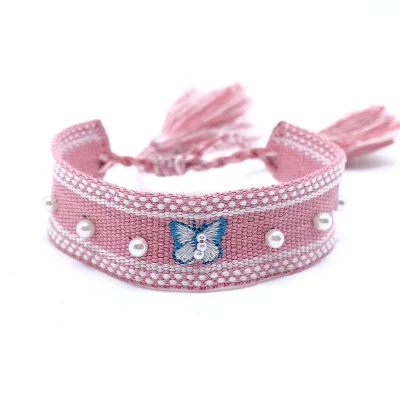
Find 30 Handmade Woven Polyester Wristband Bracelet options from Guangdong suppliers. Compare sizes, colors, and customization features for advertising, health, and gift applications. These durable bands are available in various colors and styles, suitable for promotional events and daily wear. Buyers can request samples and compare specifications to find the best fit for their needs.
Updated
Key considerations
Products List
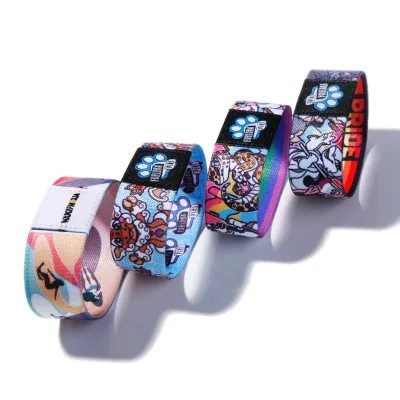
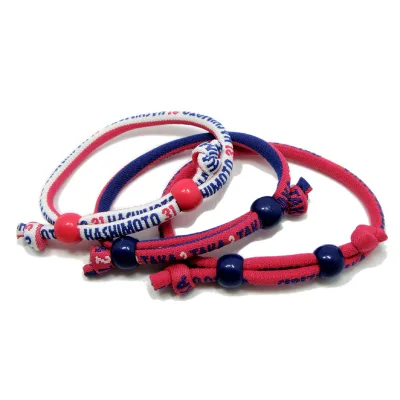
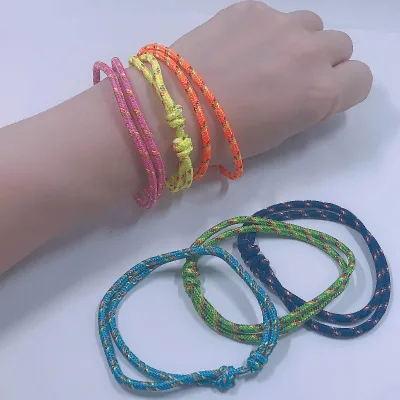
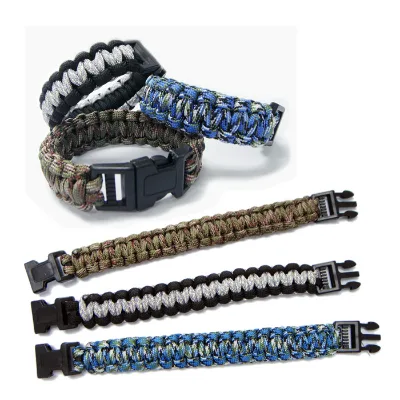
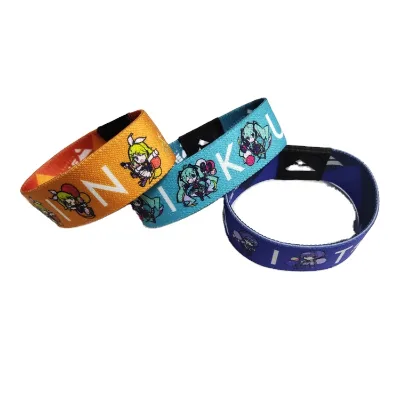

Basic Multicolor Hand-Woven Polyester Braided Bracelet for Bracelet Jewelry
$0.23 - $0.56
MOQ: 100 Pieces

Polyester Handmade Fabric Woven Cloth Wristband Wrist Band for Festival Event Fabric Bracelets
$0.15 - $0.20
MOQ: 1000 Pieces

High Quality Adjustable Woven Elastic Wrist Bands Polyester Fabric Recycled Stretchy Bracelet
$0.15 - $0.20
MOQ: 1000 Pieces
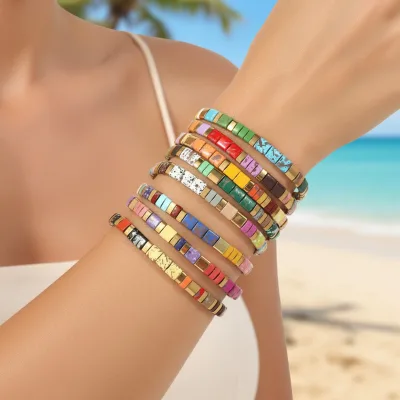
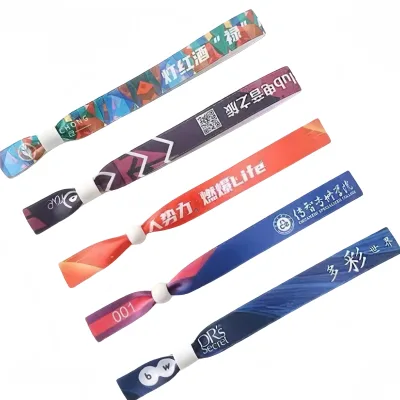

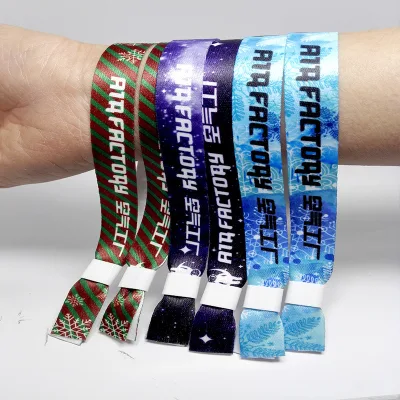

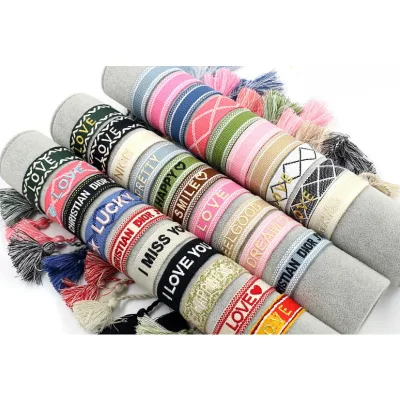


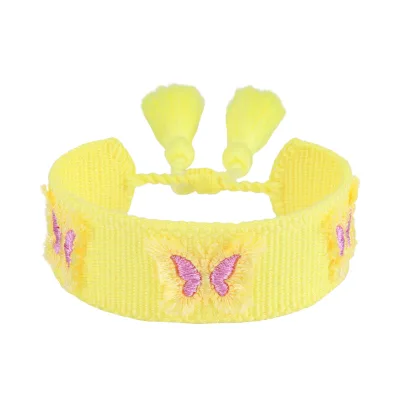
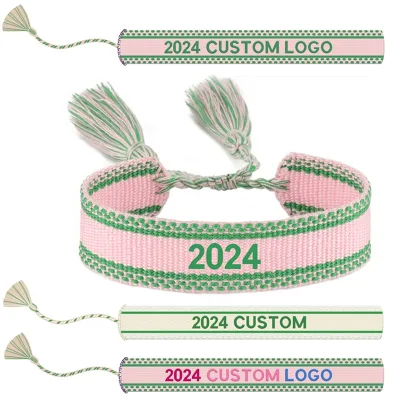
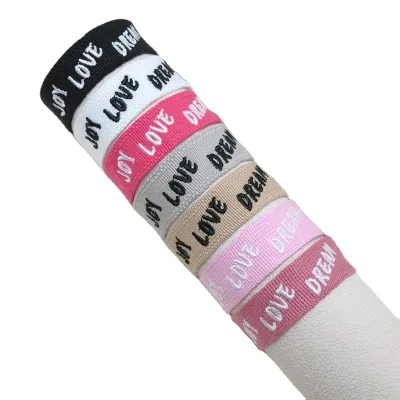
OEM Free Sample Customize Logo Sport Bracelet Fabric Festival Woven Wristband
$0.05 - $0.50
MOQ: 200 Pieces




Comprehensive Sourcing Guide
Handmade Woven Polyester Wristband Bracelet Sourcing Guide
Sourcing handmade woven polyester wristband bracelets requires a careful balance between aesthetic customization and functional durability. Buyers must recognize that these items serve primarily as promotional tools or fashion accessories, where visual appeal and brand visibility are paramount. The market offers a wide variety of color options, including blue, red, white, and multicolour combinations, allowing for precise alignment with corporate branding or event themes. Understanding the material properties of polyester is essential, as it provides the necessary strength and flexibility for woven designs while remaining cost-effective for high-volume orders.
Procurement teams should also consider the versatility of these wristbands across different occasions, from informal gatherings to wedding favors. The handmade aspect adds a perceived value that mass-produced synthetic bands often lack, making them suitable for eco-conscious marketing campaigns. However, the term "handmade" can vary in meaning across suppliers, so clear definitions of production methods are necessary. Buyers need to ensure that the weaving technique meets their quality expectations, particularly regarding edge finishing and colorfastness, to prevent issues during distribution or wear.
Product Scope and Observed Listing Signals
The observed product listings indicate a diverse range of specifications, with sizes varying from compact 0.5 cm by 36 cm bands to more substantial 202 by 12 by 2 mm formats. This variation suggests that buyers can source both thin, delicate bands for fashion purposes and wider, sturdier bands for event identification or health tracking applications. The presence of single package sizes like 20 by 0.3 by 0.03 cm highlights the potential for efficient bulk shipping and storage, which is a critical factor for logistics planning. Buyers should verify the exact dimensions required for their specific use case, as mismatched sizes can lead to usability issues or customer dissatisfaction.
Color customization is a significant feature, with options ranging from standard Pantone colors to fully bespoke designs. This flexibility allows for intricate branding opportunities, such as incorporating specific logos or patterns into the weave itself. Some listings mention the use of PVC or other plates for logos, indicating that additional embellishments can be integrated into the design. Buyers must clarify whether the logo is woven into the band or attached as a separate element, as this affects both the aesthetic outcome and the production timeline. Understanding these visual and structural details is crucial for selecting the right product variant.
Technical Specifications to Verify
Technical verification should begin with the material composition, as listings mention both polyester and PP or nylon blends. Each material offers distinct advantages, with polyester providing a soft texture and nylon offering higher tensile strength. Buyers must confirm the exact material mix to ensure the wristband meets durability requirements, especially if the product will be subjected to frequent wear or washing. The band width is another critical specification, with options typically under 10 mm, which influences comfort and visibility. Confirming the width ensures the product aligns with ergonomic expectations and branding visibility needs.
The weaving technique is a key differentiator, with "woven" being a common attribute that implies a specific structural integrity. Buyers should request samples to assess the tightness of the weave and the consistency of the pattern. Additionally, the single gross weight of items like 0.005 kg or 0.5 kg can vary significantly, affecting shipping costs and perceived value. It is essential to clarify whether the weight includes packaging or refers to the bare product. Verifying these technical details helps prevent discrepancies between the ordered product and the final delivery, ensuring that the procurement meets quality standards.
Compliance and Safety Documentation
Compliance documentation is vital for wristbands intended for children or sensitive skin applications, even if the primary use is advertising. Buyers should inquire about the presence of restricted substances, such as lead or phthalates, which are common concerns in textile and plastic accessories. Although specific certification statuses are not provided in the listings, requesting test reports from accredited laboratories is a prudent step. These reports should cover safety standards relevant to the destination market, ensuring that the products meet local regulatory requirements for consumer goods.
Eco-friendly claims are mentioned in some listings, which may appeal to sustainability-focused brands. Buyers should verify what specific eco-friendly attributes are being claimed, such as the use of recycled polyester or non-toxic dyes. Documentation supporting these claims, such as material safety data sheets or environmental certifications, should be requested to substantiate the marketing messages. Without proper verification, eco-friendly claims can lead to greenwashing accusations. Ensuring that the supplier can provide transparent and verifiable compliance documentation protects the buyer from reputational and legal risks.
Cost Drivers and Commercial Terms
Cost drivers for handmade woven wristbands include the complexity of the design, the quantity of colors used, and the customization level. Custom Pantone colors and intricate woven patterns typically incur higher setup costs and longer production times. Buyers should negotiate clear pricing structures that account for these variables, especially when ordering large volumes. The observed price range of 0.05 to 3.19 USD suggests significant variation based on these factors. Understanding the cost breakdown helps buyers make informed decisions about design simplification to achieve budget targets without compromising quality.
Minimum Order Quantities (MOQs) vary, with some listings indicating MOQs as low as 100 pieces, while others may require up to 1000. This flexibility allows buyers to test the market with smaller orders before committing to larger productions. Sample times of 3 to 7 days are typical, but buyers should confirm if rush orders are available and at what additional cost. Payment terms and shipping methods also impact the total cost of ownership. Buyers should clarify these commercial terms early in the negotiation process to avoid unexpected expenses and ensure smooth transaction execution.
Supplier Qualification and Quality Control
Supplier qualification involves verifying the manufacturer's capability to produce consistent quality across large batches. Buyers should request evidence of previous experience with similar products, such as case studies or client references. The "Factory: Yes" attribute suggests direct manufacturing, which can offer better control over quality and pricing. However, buyers must still conduct due diligence to ensure that the supplier has robust quality control processes in place. This includes checking for standardized production procedures and regular quality audits to maintain consistency.
Quality control checks should focus on critical aspects such as color consistency, weave tightness, and logo placement accuracy. Buyers should establish clear acceptance criteria for these attributes and communicate them to the supplier before production begins. Requesting pre-shipment samples is a standard practice to verify that the final product matches the approved prototype. Additionally, buyers should inquire about the supplier's policy for handling defective items or quality issues. A clear quality assurance framework helps mitigate risks and ensures that the delivered products meet the buyer's expectations.
Long-Term Procurement Checks
Long-term procurement success depends on establishing a reliable supply chain that can scale with business growth. Buyers should monitor supplier performance over time, tracking metrics such as on-time delivery rates, defect rates, and responsiveness to issues. Regular communication and feedback loops help maintain a strong partnership and address any emerging challenges promptly. Building a relationship with a trusted supplier can lead to better pricing, priority production slots, and improved service levels over time.
Continuous improvement initiatives should be encouraged, such as exploring new materials or design techniques that enhance product value. Buyers should stay informed about market trends and regulatory changes that may impact product requirements. Periodic reviews of the supply chain can identify opportunities for cost savings or efficiency improvements. By maintaining a proactive approach to supplier management, buyers can ensure a steady supply of high-quality handmade woven polyester wristbands that support their brand and business objectives effectively.
FAQs
What materials are used for these handmade woven bracelets?
The bracelets are primarily crafted from polyester, with some variants utilizing PP and nylon materials. These durable fabrics ensure the wristbands remain eco-friendly and suitable for daily wear. The woven technique provides strength, making them ideal for promotional use or casual accessories without compromising on comfort or longevity.
Can I customize the color of the woven wristbands?
Yes, customization is available for any Pantone color or specific custom shades. Buyers can select from standard options like blue, red, white, or multicolour designs. This flexibility allows for precise branding alignment, ensuring the final product matches your marketing campaign or event theme perfectly while maintaining high-quality woven standards.
What is the typical sample time for these bracelets?
The sample preparation time generally ranges from 3 to 7 days depending on the complexity of the customization. For standard orders, samples may be ready within 3 to 5 days. This lead time allows buyers to verify quality, color accuracy, and fit before committing to larger bulk production runs for advertising or gift purposes.
What are the size specifications for the woven bracelets?
Sizes vary by product model, with common dimensions including 0.5 cm by 36 cm or 202 mm by 12 mm by 2 mm. Some variants measure 2.5 cm by 10 cm or offer 2 mm and 4 mm widths. These specifications cater to different wrist sizes and style preferences, ensuring a comfortable fit for female or general audiences.
What is the minimum order quantity for these items?
The minimum order quantity typically starts at 100 pieces, though ranges can extend up to 1000 units depending on the supplier. This MOQ structure supports both small promotional batches and larger distribution needs. Buyers should confirm specific MOQ requirements with manufacturers to ensure alignment with their budget and inventory planning for advertising gifts or events.
Where are these handmade bracelets manufactured?
These products are manufactured in Guangdong, China, leveraging local expertise in textile weaving and production. The region is known for efficient manufacturing capabilities, allowing for competitive pricing and reliable supply chains. Buyers sourcing from this location benefit from established industrial infrastructure that supports high-volume production of durable, fashion-forward woven accessories.