eco-friendly anti-theft document wallet Suppliers and Manufacturers
Compare 31 verified suppliers offering eco-friendly anti-theft document wallet options with varying lead times, MOQs, and certifications. Review response times and product attributes like waterproofing and material before requesting quotes; review the available evidence before requesting comparable quotations from suitable candidates.
Updated
Suppliers List

Chengdu MIND IOT Technology Co., Ltd.
- Verified by SGS
- Manufacturer/Factory
- China Sichuan
- Lead time23 days
- Avg. response≤ 7h
Main productsSmart Card, IC Card, PVC Card, Paper Card, Prepaid Scratch Card, Magnetic Card, IC Solutions
Main marketsSouth America,Eastern Europe,Mid East,North America,Southeast Asia,Eastern Asia,Oceania,Western Europe,Africa

Guangzhou Yujia Industrial Co., Ltd.
- Verified by SGS
- Combined
- China Guangdong
- Lead time15 days
- Avg. response≤ 2h
Main productsPU Leather, PVC Bar Mat, Mouse Pad, Wallets, Rubber Muse Pad, Men's Wallet, Passport Holder, Handbags, Wrist Keyboard Mat
Main marketsDomestic

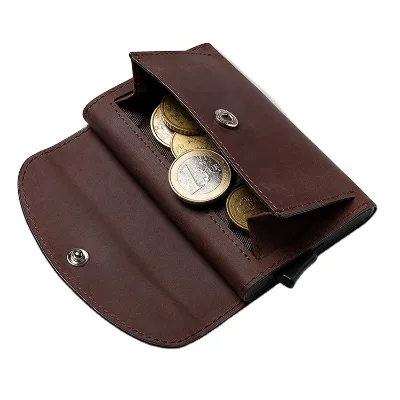
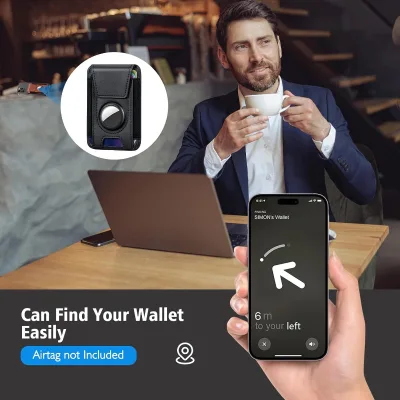
Pop up Card Holder Soft Leather Protection Anti-Theft Smart Business Wallet Purse
$5.05 - $6.50
MOQ: 200 Piece


Genuine Leather Wallet Customized Oxford Cloth Multi Card Bi-Fold Card ID Storage Portable Wallet
$5.05 - $5.35
MOQ: 200 Piece


Promotion Gifts Stamp Logo Metal Logo Printing Genuine Leather Wallet for Men
$3.50 - $5.50
MOQ: 100 Piece


Shenzhen Me Young Products Co., Ltd.
- Manufacturer, Trading Company
- Guangdong, China
- Lead time0 days
- Avg. response≤ 3h
Main productsCard Holder,Wallets,Handbag,backpack,shopping bag
Main marketsNorth America(60.00%), Western Europe(15.00%), South America(10.00%), Africa(3.00%), Mid East(2.00%)
Guangzhou Huayuan Leather Co., Ltd.
- Manufacturer, Trading Company, Distributor/Wholesaler
- Guangdong, China
- Lead time0 days
- Avg. response≤ 1h
Main productsLeather goods,Belt,Women's bag,Women's bag,Customization
Main marketsSouth Asia(20.00%), Southeast Asia(20.00%), Western Europe(20.00%), Domestic Market(10.00%), Eastern Asia(10.00%), Southern Europe(10.00%), North America(10.00%)
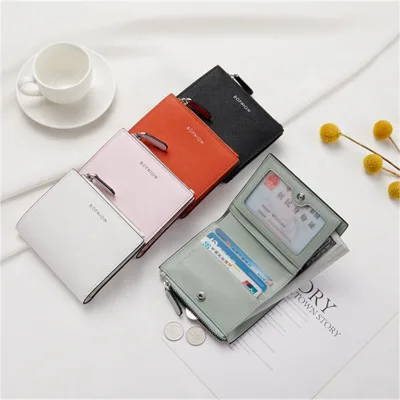
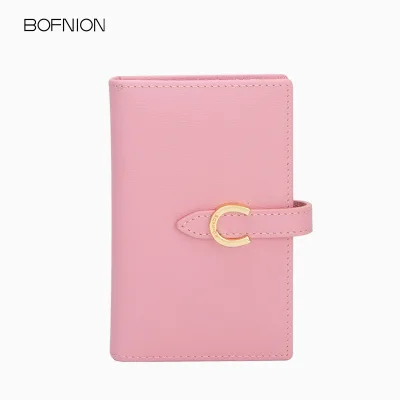
$10.2613 - $11.2874
MOQ: 60 pieces
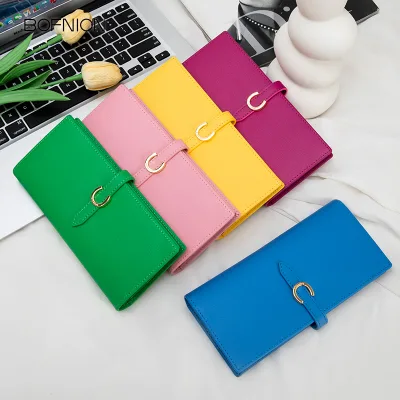
High Quality Women's Genuine Leather Wallet with Soft Design Large Capacity and Long Card Holder
$12.3136 - $13.3397
MOQ: 60 pieces

Dongguan Jianfeng Gifts Company
- Trading Company
- China Guangdong
- Lead time23 days
- Avg. response≤ 10h
Main productsMetal Product, Leather Product, RFID Card Holder, Wallet, Money Clip, Coin Purse, Card Holder, Gifts, Metal Accessories, Wallet Tracker
Main marketsSouth America,Eastern Europe,Mid East,North America,Southeast Asia,Eastern Asia,Oceania,Western Europe,Africa
Guangzhou Boslun Industrial Co., Ltd.
- Manufacturer, Trading Company
- guangdong, China
- Lead time25 days
- Avg. response≤ 2h
Main productsLuggage & Bags,cosmetic bag,tote bag,backpack,drawstring bag
Main marketsWestern Europe(48.00%), Domestic Market(20.00%), North America(17.00%), South America(15.00%)
Changshu Zhitang Marys Bag Factory
- Manufacturer, Trading Company
- Jiangsu, China
- Lead time20 days
- Avg. response≤ 9h
Main productsShopping Bag,Non Woven Bag,Promotional Bag,apron
Main marketsSouth Asia(7.69%), Southern Europe(7.69%), Northern Europe(7.69%), Central America(7.69%), Western Europe(7.69%), Eastern Asia(7.69%), Mid East(7.69%), Oceania(7.69%), Africa(7.69%), Southeast Asia(7.69%), Eastern Europe(7.69%), South America(7.69%), North America(7.69%)
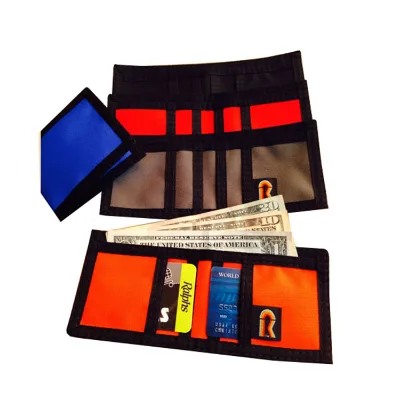
$0.45 - $1.00
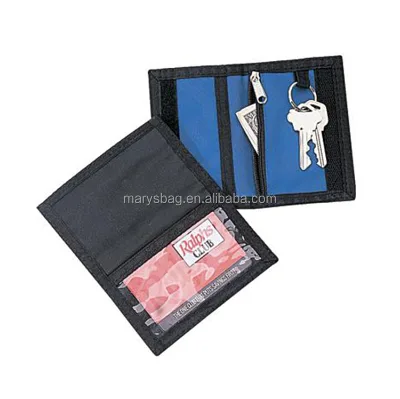
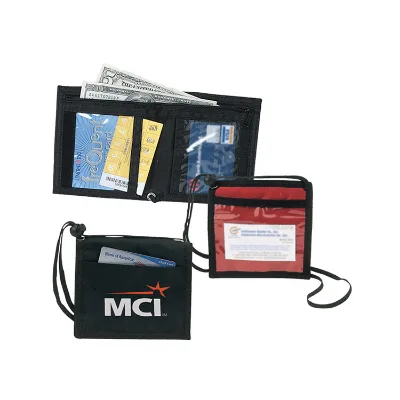
Basic Wallet With an Exterior Clear Pocket
$0.30 - $0.70

Guangzhou CF Leather Co., Ltd.
- Verified by SGS
- Combined
- China Guangdong
- Lead time30 days
- Avg. response≤ 24h
Main productsBag, Luxury Handbag, Women Handbag, Handbag
Main marketsAfrica,Domestic,Europe

Zhongshan Guozhili Craft Products Co., Ltd.
- Manufacturer
- Guangdong, China
- Lead time0 days
- Avg. response≤ 2h
Main productsSignal Blocking Bag,tape measure,luggage tags,pocket make-up Mirror,keychain
Main marketsNorth America(20.00%), Southern Europe(15.00%), Northern Europe(15.00%), Western Europe(15.00%), Domestic Market(15.00%), Eastern Europe(15.00%), Mid East(5.00%)

Guangzhou Kinglaiky Industrial Ltd.,
- Verified by TUVRHEINLAND
- Trading Company
- China Guangdong
- Lead time15 days
- Avg. response≤ 11h
Main productsPromotional Gifts, Pen, Leather Product, Wallet, Keyring, Namecard Holder, Mouse Mat, Flask, Wristband, USB Pen Drive
Main marketsAfrica
Dongguan Vision Sationery Gift Co., Ltd.
- Manufacturer, Trading Company
- Guangdong, China
- Lead time30 days
- Avg. response≤ 3h
Main productspu portfolio folder,Pu Diary,PUorganizer,Leather wallet,Leather card holder
Main marketsWestern Europe(50.00%), Eastern Europe(20.00%), Domestic Market(10.00%), South America(10.00%), Central America(5.00%), South Asia(5.00%)
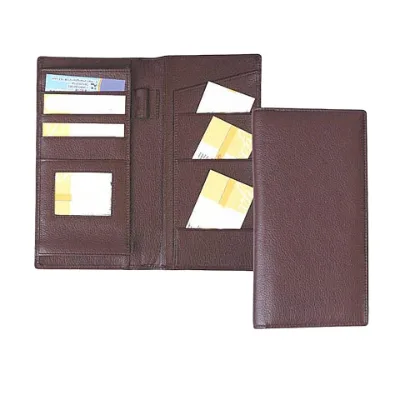
$3.50 - $3.90
MOQ: 100 pieces

Xiamen Le Young Imp. & Exp. Co., Ltd
- Verified by BV
- Trading Company,Manufacturer/Factory
- China Fujian
- Lead time23 days
- Avg. response≤ 4h
Main productsLeather Folder, Trave Wallet, Leather Notebook, Leather Compendium, Leather Portfolio, Leather Diary, Leather Journal, Hotel Supply, Leather Card Holder, Leather Wallet
Main marketsSouth America,Eastern Europe,Mid East,North America,Southeast Asia,Eastern Asia,Oceania,Western Europe,Africa


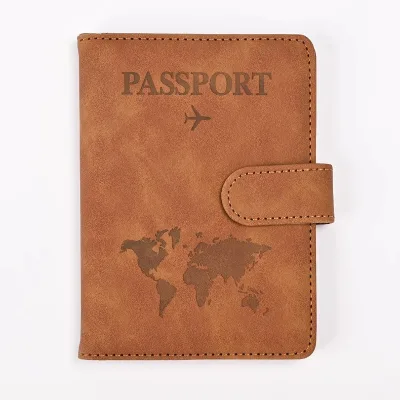
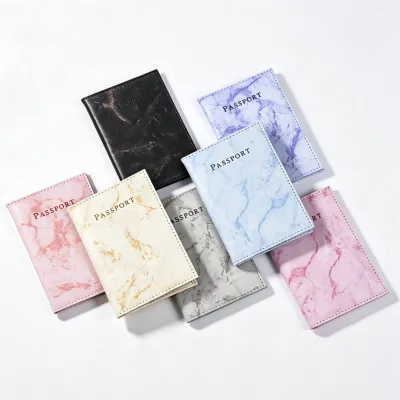
RFID Blocking Elastic Bound Leather Passport Holder Personalized Passport Wallet with Logo
$1.95 - $2.79
MOQ: 300 Pieces


Jinjiang Jiaxing Supply Management Co., Ltd.
- Verified by TUVRHEINLAND
- Trading Company
- China Fujian
- Lead time30 days
- Avg. response≤ 2h
Main productsEVA Clogs, Flip Flop, Shoe Charms, Shopping Bags, Wristbands, Gifts, Promotional Gifts, Slipper, Sport Cap, Ball
Main marketsNorth America
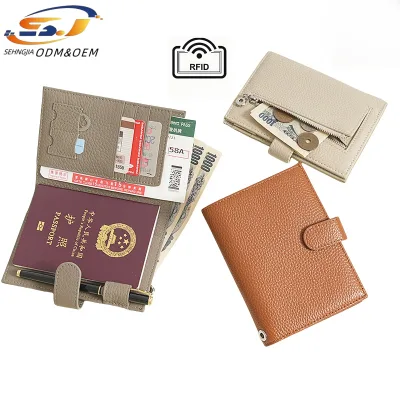
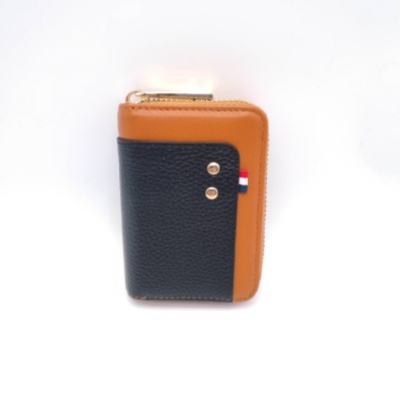
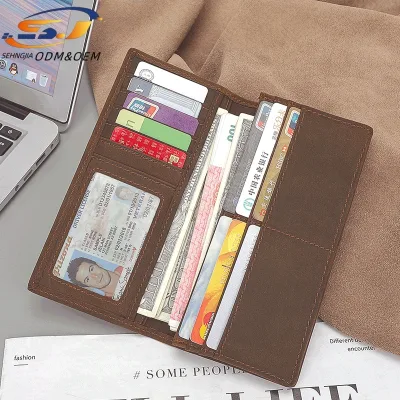
Guangzhou Shengjia Leather Clothing Co., Ltd.
- Manufacturer, Trading Company, Distributor/Wholesaler
- Guangdong Province, China
- Lead time30 days
- Avg. response≤ 17h
Main productspurse,card holder,clutch bag,handbag
Main marketsNorthern Europe(20.00%), Central America(20.00%), South America(20.00%), North America(20.00%), Western Europe(10.00%), Eastern Europe(10.00%)
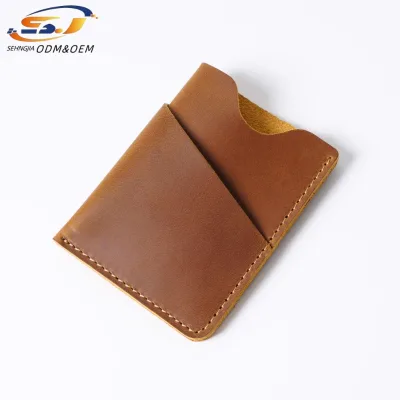
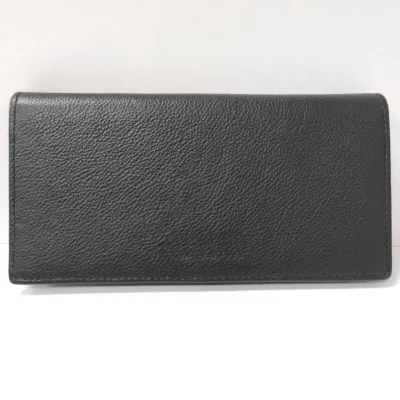
$4.1195 - $4.7367
MOQ: 100 pieces
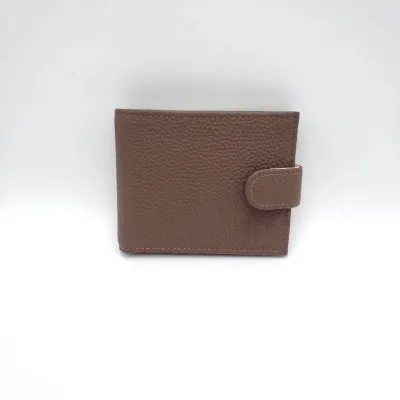
High Quality Fashionable Business Style Wallet with Open Closure Type and Money Clip Feature
$3.00 - $3.50
MOQ: 100 pieces

Shenzhen Daohua Industrial Co., Ltd.
- Verified by TUVRHEINLAND
- Manufacturer/Factory
- China Guangdong
- Lead time15 days
- Avg. response≤ 5h
Main productsPackaging Material, Gift Box, Paper Box, Wooden Box, Watch Box, Jewelry Box, Carton, Packing Box
Main marketsEastern Europe,North America,Southeast Asia,Eastern Asia,Oceania,Western Europe

Quanzhou Changyi Crafts Gifts Limited
- Verified by TUVRHEINLAND
- Manufacturer/Factory
- China Fujian
- Lead time23 days
- Avg. response≤ 6h
Main productsBallpoint Pen, Silicone Bracelet, Name Card Holder, Luggage Tag, Gift Set, Mobile Phone Accessory, Passport Cover, Ceramic Coaster, Gift Bag, Gift Box
Main marketsSouth America,Mid East,North America,Southeast Asia,Eastern Asia,Oceania,Western Europe,Africa


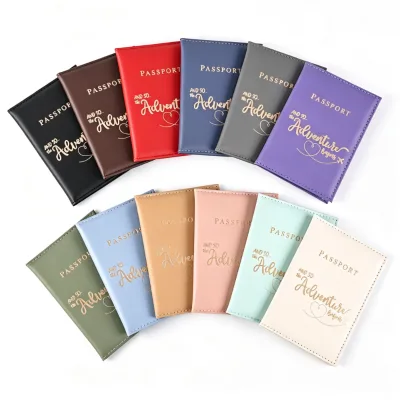
for Travel Multi-Function PU Leather Passport Cover Holder Travel Passport Wallet Custom Logo
$0.63 - $0.68
MOQ: 100 Pieces

Shenzhen Ango Commerce S & T Co., Ltd.
- Manufacturer, Trading Company, Buying Office
- Guangdong, China
- Lead time15 days
- Avg. response≤ 3h
Main productsCard Holder,Wallet,Belt,Bag,Keychain
Main marketsWestern Europe(40.00%), South America(25.00%), North America(20.00%), Northern Europe(10.00%), Eastern Europe(10.00%), Southern Europe(5.00%), Mid East(3.00%), Southeast Asia(2.00%)

WIDE SILVER (GUANGZHOU) LEATHER CO., LTD.
- Trading Company
- China Guangdong
- Lead time30 days
- Avg. response≤ 1h
Main productsHandbag, Tote Nag, Lady Handbag, Women Handbag, Wallets, Purses, Carteras, Cardholder, Bolsos, Portemonnaie
Main marketsAfrica,Europe,North America

Stylish Wide Silver Leather Wallet for Men - Genuine Minimalist Card Holder
$7.86 - $8.93
MOQ: 100 Pieces


Shenzhen Lebon Handbags Luggage Co., Ltd
- Verified by SGS
- Combined
- China Guangdong
- Lead time30 days
- Avg. response≤ 3h
Main marketsNorth America


Custom Nylon Travel Document Holder Passport Wallet with RFID Blocking Layer
$2.30 - $2.55
MOQ: 200 Pieces

Shenzhen Chenxi Lingdong Technology Co., Ltd.
- Verified by BV
- Trading Company
- China Guangdong
- Lead time15 days
- Avg. response≤ 13h
Main marketsSoutheast Asia/ Mideast,Europe,North America
Guangzhou Passmei Leather Goods Co., Ltd.
- Manufacturer, Trading Company
- Guang Dong, China
- Lead time0 days
- Avg. response≤ 4h
Main productswallet,notebook cover,bag,holde,case
Main marketsNorth America(30.00%), Western Europe(30.00%), South Asia(10.00%)

Zhongshan Tianxin Craft Gift Products Co., Ltd.
- Verified by BV
- Combined
- China Guangdong
- Lead time23 days
- Avg. response≤ 2h
Main productsShirt, Gift, Clothing, USB Flash Drives, Key Chain, Medal, Trophy, Lether Tapeline, Fridge Magnet, Wine Opener
Main marketsSouth America,Africa,Southeast Asia/ Mideast,East Asia(Japan/ South Korea),Europe,Australia,North America

Gstar Technology (Shenzhen) Co., Ltd.
- Manufacturer
- Guangdong, China
- Lead time20 days
- Avg. response≤ 3h
Main productspurse,Card holder,Card holder Card holder,Wallet with metal card holder
Main marketsNorth America(25.00%), Western Europe(16.00%), South America(15.00%), Eastern Europe(10.00%), Southeast Asia(8.50%), Central America(8.00%), Mid East(6.50%), Northern Europe(5.00%), Southern Europe(2.10%), Eastern Asia(1.50%), Africa(1.20%), South Asia(0.70%), Oceania(0.30%), Domestic Market(0.20%)

Taizhou Lantiger Travelware Co., Ltd.
- Verified by SGS
- Manufacturer/Factory
- China Zhejiang
- Lead time23 days
- Avg. response≤ 5h
Main productsTravel Accessories, Travel Pillows, Travel Bags, Luggage Straps, Luggage Covers, Tsa Locks, Luggage Scales, Travel Adapters
Main marketsSouth America,Eastern Europe,Mid East,North America,Southeast Asia,Eastern Asia,Oceania,Western Europe,Africa


$1.15 - $1.30
MOQ: 500 Pieces
Fuzhou Dotprint Packaging Co., Ltd.
- Verified by Intertek
- Manufacturer, Trading Company
- Lead time0 days
- Avg. response≤ 4h
Main productsPaper Boxes, Paper Bags, Books, Cards, Notebooks
Main marketsWestern Europe(28%), Domestic Market(23%), North America(22%)

Taizhou EEGO Industry & Trade Co., Ltd.
- Verified by TUVRHEINLAND
- Trading Company
- China Zhejiang
- Lead time15 days
- Avg. response≤ 2h
Main productsNotebook, Stationery, Paper Gift, File Folders, Books Printing, Planner, Agenda, Journal, Spiral Notebook, Memo Pads
Main marketsSouth America,Africa,Southeast Asia/ Mideast,East Asia(Japan/ South Korea),Europe,Australia,North America
Guangzhou Herder Leather Products Co., Ltd.
- Trading Company
- Guangdong, China
- Lead time30 days
- Avg. response≤ 6h
Main productsLeather Wallet, Aluminum Wallet, Handbag, Leather Bag, Backpack
Main marketsNorth America(30.00%), Western Europe(15.00%), South America(12.00%), Southern Europe(10.00%), Northern Europe(10.00%), Oceania(5.00%), Central America(5.00%), Eastern Europe(5.00%), South Asia(2.00%), Eastern Asia(2.00%), Mid East(2.00%), Southeast Asia(2.00%)
Hangzhou Keteng Trade Co., Ltd.
- Verified by SGS Group
- Trading Company
- Lead time12 days
- Avg. response≤ 2h
Main productsStationery, Paper Box, Paper Bags, Packaging Bags, Promotion Gifts
Main marketsNorth America(50%), Oceania(15%), Western Europe(15%)
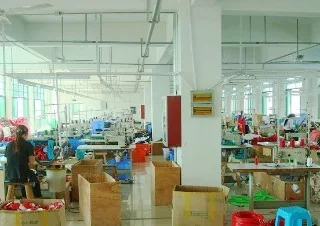
Yiwu Deqi Bag & Case Co., Ltd.
- Manufacturer, Trading Company
- Zhejiang, China
- Lead time30 days
- Avg. response≤ 3h
Main productsCosmetic Bags; Travel Organizer Bags; Canvas Tote Bags; School Bags; Diaper Bags,tote bag,travel bag,school bag,baby bag
Main marketsSouth Asia(100.00%), Africa(100.00%), Central America(100.00%), North America(30.00%), Western Europe(26.00%), Domestic Market(12.00%), Oceania(10.00%), South America(5.00%), Southern Europe(5.00%), Eastern Asia(4.00%), Southeast Asia(3.00%), Mid East(2.00%), Northern Europe(2.00%), Eastern Europe(1.00%)

Wenzhou Fashion Leather Manufacture Co., Ltd.
- Combined
- China Zhejiang
- Lead time30 days
- Avg. response≤ 8h
Main productsBelt, Leather Belt, Fashion Lady Belt, Fashion Man Belt, Fashion Belt, Canvas Belt, PU Belt, Wallet, Purse, Man Wallet
Main marketsSouth America,Europe,North America

- Trading Company,Manufacturer/Factory
- China Anhui
- Lead time23 days
- Avg. response≤ 25h
Main productsRigid Badge Holder, Lanyards, Soft PVC Badge Holder, Badge Reels, Badge Clips, Luggage Tags, Leather Badge Holder, Aluminum Alloy Badge Holder, Self Laminating Card, Silicone Badge Holder
Main marketsSouth America,Eastern Europe,Mid East,North America,Southeast Asia,Eastern Asia,Oceania,Western Europe,Africa


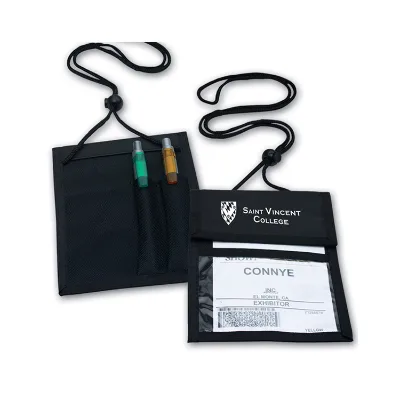
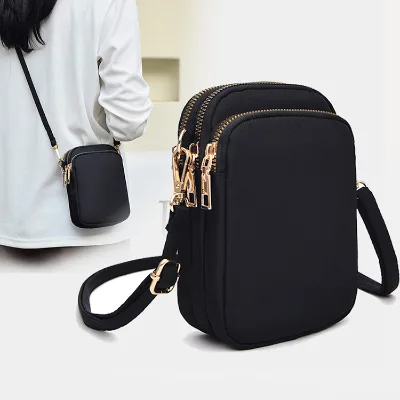
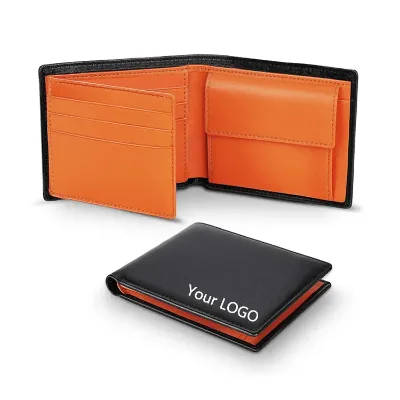
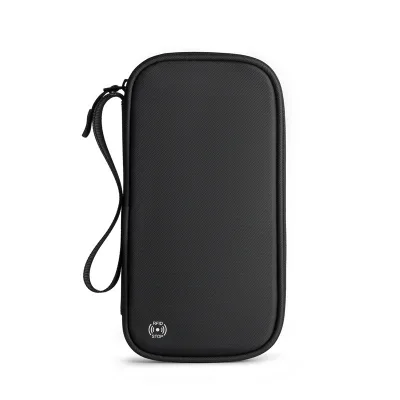
High Quality Multi-Pocket Credential Wallets with Neck Cord and Adjustable Cord Lock
$1.10
MOQ: 1000 Pieces












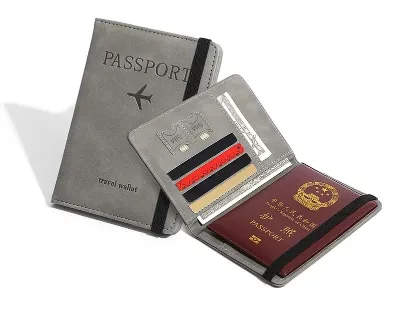
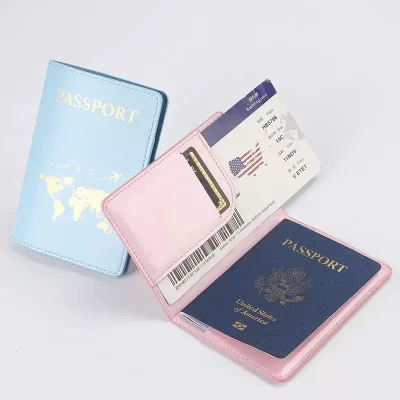


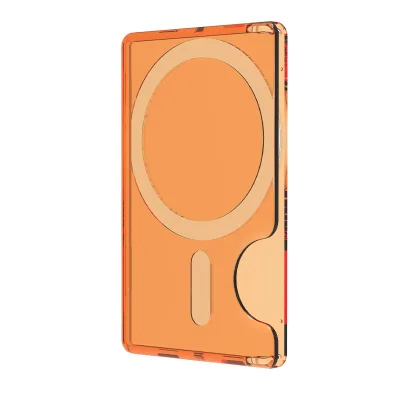
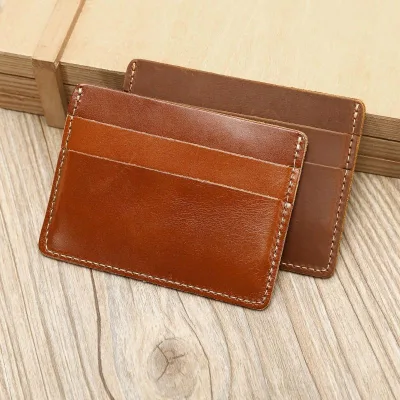



Comprehensive Sourcing Guide
Eco-Friendly Anti-Theft Document Wallet Supplier Concentration and Factory Types
The current supplier landscape for document wallets reveals a distinct geographic and operational split that buyers must navigate carefully. Results indicate manufacturing presence in China Sichuan and Guangdong, with companies classified as manufacturers, trading companies, or combined entities. Sichuan-based suppliers often focus on specialized components like smart cards and IC solutions, producing items such as aluminum RFID wallet cases. These operations typically list ISO 9001 and ISO 14001 certifications, suggesting a structured approach to quality and environmental management. In contrast, Guangdong suppliers frequently operate as combined firms or trading companies, offering a broader range of leather goods, including PU leather and genuine leather wallets. This diversity means that a buyer seeking eco-friendly materials might find different capabilities depending on the region. Sichuan factories may emphasize technical integration and metal-based anti-theft features, while Guangdong suppliers often highlight fashion elements, handmade techniques, and leather customization. Understanding this concentration helps buyers align their material preferences with the right regional expertise.
Factory types also vary significantly in their capacity to handle customization and volume. Some suppliers offer OEM services, allowing for original equipment manufacturing where buyers can specify exact designs and materials. Others provide ODM options, enabling the use of existing designs with minor modifications. The presence of combined company types suggests that some suppliers may act as intermediaries, sourcing from multiple factories to fulfill orders. This structure can offer flexibility but may complicate direct communication about production details. Buyers should verify whether a supplier is a direct manufacturer or a trading company to ensure better control over quality and pricing. Direct manufacturers often have more transparent production processes, while trading companies might offer faster response times and broader product catalogs. The distinction is crucial for buyers who prioritize direct factory relationships for long-term partnerships. Additionally, the focus on specific products like aluminum cases versus leather wallets indicates that suppliers often specialize in certain material types. This specialization can impact the availability of truly eco-friendly options, as some materials may be more sustainable than others. Buyers need to assess which factory type aligns with their sustainability goals and production needs.
How to Verify Eco-Friendly Anti-Theft Document Wallet Suppliers
Verifying the legitimacy and capabilities of suppliers requires a multi-layered approach that goes beyond basic profile checks. Buyers should prioritize suppliers with verified status, such as those authenticated by SGS, which provides an additional layer of trust regarding business operations. Certification is another critical factor; ISO 9001 and ISO 14001 certifications indicate adherence to international quality and environmental management standards. These certifications are particularly relevant for eco-friendly products, as they suggest a commitment to sustainable practices. However, buyers should not assume that all suppliers have these certifications, as availability varies. It is essential to request copies of these certificates and verify their validity through the issuing bodies. Additionally, checking the supplier’s main products can reveal their expertise. Suppliers listing smart cards, IC solutions, or specific wallet types like aluminum RFID cases may have different verification needs compared to those focusing on leather goods. Buyers should ensure that the supplier’s stated capabilities match their actual product offerings.
Response time and lead time are also important indicators of supplier reliability. A quick response time, such as under two hours, suggests a responsive customer service team that can address inquiries promptly. Lead times, ranging from zero to twenty-three days, provide insight into production capacity and efficiency. Buyers should compare these metrics across different suppliers to identify those that can meet their timeline requirements. Furthermore, examining product attributes can help verify claims about eco-friendliness and anti-theft features. For instance, checking if materials are specified as aluminum or leather can help assess sustainability. Buyers should also look for details on customization options, such as available logos or custom sizes, which indicate flexibility. It is crucial to verify that the supplier can provide evidence of these features, such as product samples or detailed specifications. By combining verification of certifications, response times, and product details, buyers can build a comprehensive picture of supplier reliability. This thorough approach minimizes the risk of partnering with unreliable suppliers and ensures that the final products meet the desired standards.
What to Compare Across Eco-Friendly Anti-Theft Document Wallet Suppliers
When evaluating multiple suppliers, buyers must compare key operational metrics to determine the best fit for their needs. Lead time is a primary differentiator, with some suppliers offering as little as fifteen days while others may take up to twenty-three days. This variance can significantly impact inventory management and delivery schedules. Buyers should align their order timelines with the supplier’s lead time capabilities to avoid delays. Minimum order quantity (MOQ) is another critical factor, ranging from fifty to five hundred units depending on the supplier and product type. Lower MOQs, such as one hundred units, are beneficial for testing the market or small batch orders, while higher MOQs may offer better unit prices. Buyers should assess their volume requirements against these thresholds to optimize costs. Response time also plays a role in supplier selection, with some suppliers responding within hours and others taking longer. Faster response times can facilitate quicker negotiations and problem-solving, which is valuable for complex orders.
Price and customization options are equally important comparison points. Unit prices can vary widely, from as low as thirty cents to over six dollars, depending on materials and features. Buyers should request detailed quotes that include all costs, such as shipping and customization fees, to make accurate comparisons. Customization availability is another key aspect, with some suppliers offering full customization for logos, sizes, and materials. This flexibility is crucial for brands looking to create unique products. Additionally, comparing main products can help identify suppliers with relevant expertise. For example, suppliers focusing on aluminum RFID cases may be better suited for high-security needs, while those specializing in leather wallets may offer more aesthetic options. Buyers should also consider the supplier’s capacity for OEM or ODM services, which can impact product uniqueness and cost. By systematically comparing these factors, buyers can make informed decisions that balance cost, quality, and operational efficiency. This structured comparison ensures that the selected supplier meets all critical business requirements.
Common Eco-Friendly Anti-Theft Document Wallet Sourcing Risks
Sourcing eco-friendly anti-theft document wallets involves several risks that buyers must proactively manage. One significant risk is the discrepancy between claimed eco-friendly materials and actual product composition. Suppliers may advertise products as sustainable without providing verifiable evidence, such as material certifications or third-party audits. Buyers should request detailed material specifications and verify claims through independent testing or supplier documentation. Another risk is the variability in anti-theft features, particularly RFID blocking effectiveness. Not all products labeled as RFID blocking may provide adequate protection, and buyers should verify technical specifications or request samples for testing. This is especially important for aluminum-based wallets, where the material’s inherent properties may affect performance. Additionally, customization errors can lead to costly rework or delays. Suppliers may misinterpret design files or use incorrect materials, resulting in products that do not meet brand standards. Clear communication and detailed specifications are essential to mitigate this risk.
Quality control inconsistencies are another common issue, particularly when working with trading companies or combined suppliers. These entities may source from multiple factories, leading to variations in product quality. Buyers should establish clear quality standards and conduct pre-shipment inspections to ensure consistency. Lead time delays can also disrupt supply chains, especially if suppliers underestimate production capacity or face material shortages. Buyers should maintain buffer stock and communicate regularly with suppliers to monitor progress. Furthermore, pricing fluctuations can impact profitability, particularly if raw material costs rise unexpectedly. Buyers should negotiate fixed pricing contracts where possible to protect against market volatility. Finally, intellectual property risks arise when suppliers share designs with competitors or produce unauthorized copies. Implementing non-disclosure agreements and monitoring supplier practices can help protect brand integrity. By identifying and addressing these risks early, buyers can build a more resilient supply chain and ensure product quality.
Eco-Friendly Anti-Theft Document Wallet Regional Sourcing and Logistics
Regional sourcing decisions significantly impact logistics costs and delivery efficiency. Suppliers located in China Sichuan and Guangdong offer distinct advantages based on their geographic proximity to manufacturing hubs and ports. Sichuan-based suppliers may benefit from lower labor costs and specialized industrial clusters, while Guangdong suppliers often have better access to international shipping routes due to their coastal location. Buyers should consider these logistical factors when selecting suppliers, as they can affect overall lead times and transportation expenses. Additionally, regional regulations and environmental standards may vary, influencing the sustainability credentials of products. Buyers should verify that suppliers comply with relevant local and international regulations to ensure compliance. Logistics planning should also account for customs clearance and import duties, which can vary by destination country. Working with suppliers who have experience in international shipping can help streamline these processes.
Packaging and handling requirements are another critical aspect of regional sourcing. Suppliers may use different packaging methods, such as OPP bags or cartons, which can impact product protection and shipping volume. Buyers should specify packaging requirements to ensure products arrive in good condition. Furthermore, coordinating with freight forwarders who understand the specific needs of document wallets can optimize shipping efficiency. Buyers should also consider the environmental impact of logistics, such as carbon emissions from transportation. Choosing suppliers with sustainable logistics practices can align with eco-friendly brand values. By carefully planning regional sourcing and logistics, buyers can reduce costs, improve delivery times, and enhance sustainability. This strategic approach ensures that the supply chain supports both operational efficiency and environmental goals.
Eco-Friendly Anti-Theft Document Wallet Commercial Terms and Order Planning
Commercial terms and order planning are essential for successful supplier partnerships. Buyers should negotiate clear payment terms, such as escrow services, to protect against fraud and ensure timely delivery. Escrow provides a secure transaction method where funds are held until the buyer confirms receipt and quality. This is particularly important for new suppliers or large orders. Additionally, buyers should establish clear return and refund policies to address any quality issues or discrepancies. Order planning should include detailed timelines for production, shipping, and delivery, allowing for buffer periods to handle unexpected delays. Buyers should also consider volume discounts and pricing tiers, which can reduce unit costs for larger orders. Communication protocols should be defined to ensure regular updates on production status and any changes. By structuring commercial terms and order planning carefully, buyers can minimize risks and ensure a smooth procurement process. This structured approach fosters trust and reliability in supplier relationships.
FAQs
What is the price range for aluminum RFID blocking wallets?
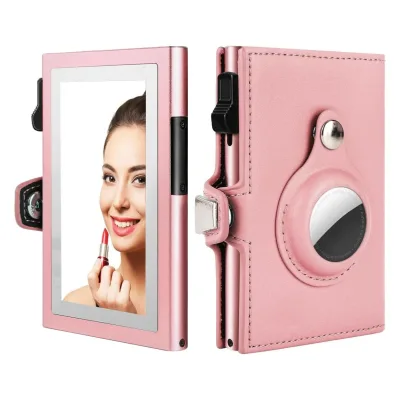
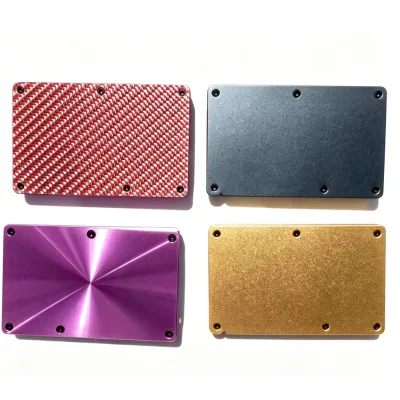
Aluminum RFID blocking wallets typically range from $0.30 to $0.82 per unit. These prices apply to standard models with waterproof features and customizable dimensions. Buyers should note that pricing may vary based on order volume and specific material requirements for bulk procurement.
What is the minimum order quantity for leather wallets?
Minimum order quantities for leather wallets generally start at 100 units for certain models. Other styles may require a minimum of 200 units. These thresholds ensure efficient production runs while allowing buyers to secure customized branding and specific leather finishes for their inventory needs.
How long does production take for custom wallets?
Production lead times for custom wallets typically range from 15 to 23 days. This duration depends on the complexity of the customization and the supplier's current capacity. Buyers should confirm specific timelines with manufacturers to ensure timely delivery for their scheduled product launches.
Are these wallets suitable for business card storage?
Yes, many aluminum and leather wallets are explicitly designed for business card storage. They often feature dedicated slots for credit cards, passports, and checkbooks. These designs provide secure protection while maintaining a professional appearance suitable for business networking and daily professional use.
What certifications do the manufacturers hold?
Manufacturers often hold ISO 9001 and ISO 14001 system certifications. These credentials indicate adherence to quality management and environmental standards. Buyers can verify these certifications to ensure suppliers meet international benchmarks for production quality and sustainable manufacturing practices in their supply chain.
Can I customize the wallet design and logo?
Customization is available for both material and branding elements. Buyers can request specific sizes, logos, and packaging options. Manufacturers support OEM and ODM services to create unique products. This flexibility allows businesses to align wallet designs with their brand identity and specific market requirements.