Source Magnetic Holder Golf Ball Marker for Gifts, Sports, and Business
Find 30 customized Magnetic Holder Golf Ball Marker options from China. Compare stainless steel and zinc alloy materials, soft enamel finishes, and strong magnetic features for outdoor sports, business gifts, and entertainment uses; compare the available evidence and request quotations based on your requirements.
Updated
Key considerations
Products List


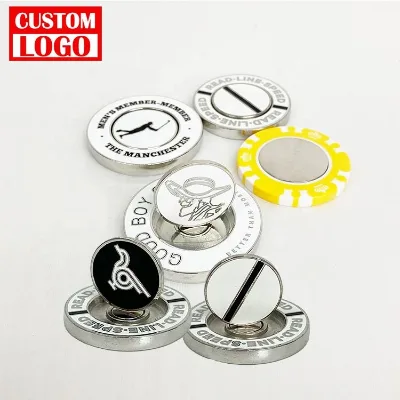
Custom Foldable Design Lightweight Golf Mark Custom Magnetic Ball Marker Golf Marker
$0.5131 - $1.5274
MOQ: 100 pieces
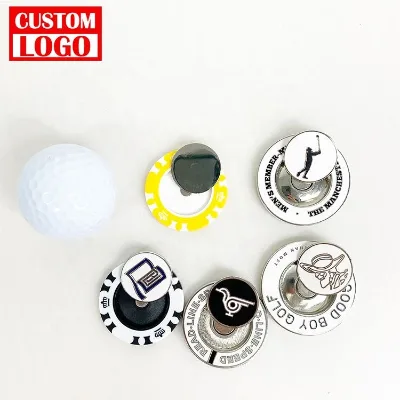


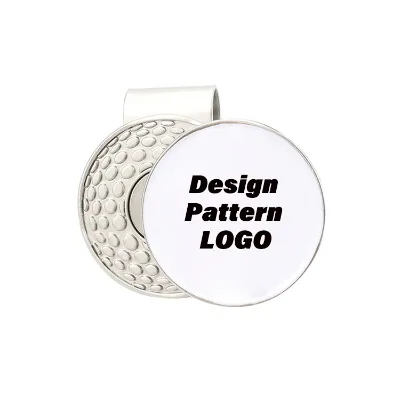
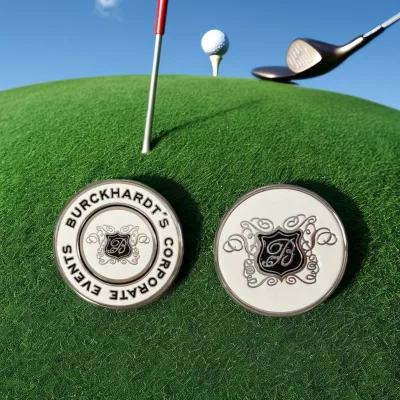
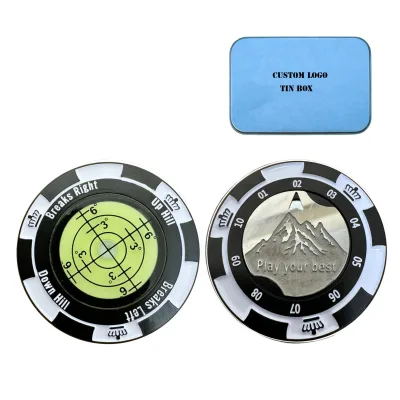
Magnetic Golf Poker Chip Magnet Golf Ball Marker Custom Factory Price Golf Club Ball Markers
$0.5131 - $1.3314
MOQ: 100 pieces
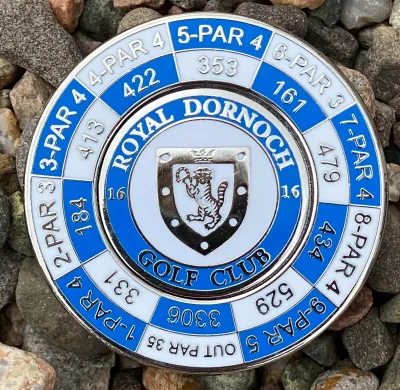
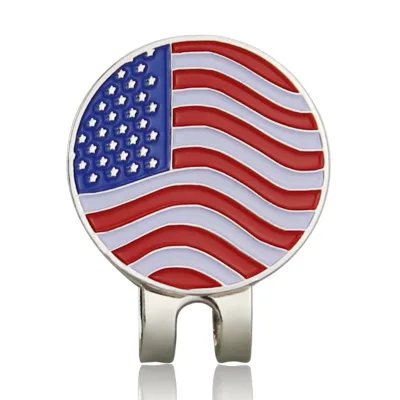
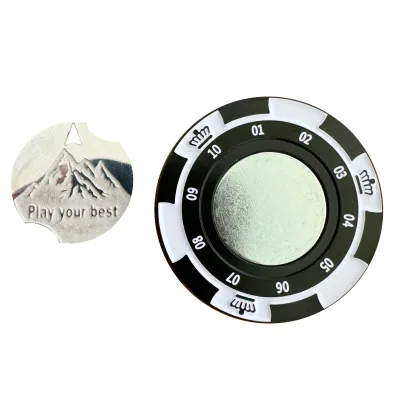


Comprehensive Sourcing Guide
Magnetic Holder Golf Ball Marker Sourcing Guide
Sourcing magnetic golf ball markers requires a clear understanding of the product’s dual nature as both a functional sports accessory and a customizable promotional item. These markers are primarily designed for use on golf courses to mark the position of a ball, often featuring integrated divot tools or wallet clips for added utility. The core appeal lies in their strong magnetic properties, which allow them to adhere securely to metal surfaces like golf clubs or wallets, ensuring they remain accessible during play. Buyers must recognize that while the primary function is sports-related, the market also heavily utilizes these items as business gifts or entertainment merchandise, necessitating a flexible approach to design and branding.
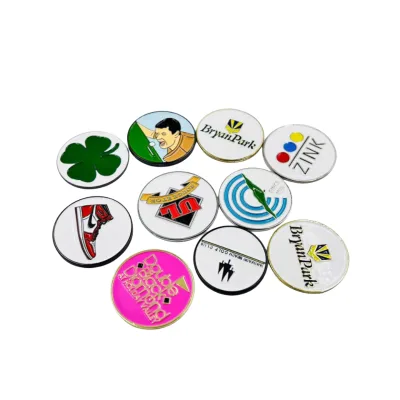
The procurement landscape for these items is characterized by significant customization options and a wide range of material choices. Suppliers typically offer products made from stainless steel, zinc alloy, aluminum, or iron, allowing buyers to select materials based on durability, weight, and aesthetic preferences. The customization process often includes soft enamel, hard enamel, die casting, or printing techniques to apply logos and designs. This flexibility means that buyers can tailor the product to specific brand identities, whether for a corporate event, a golf tournament, or retail distribution. Understanding these material and processing options is crucial for aligning product specifications with target market expectations and budget constraints.
Product Scope and Observed Listing Signals
The observed market signals indicate a diverse range of product configurations, with prices ranging from $0.07 to $2.70 USD per unit. This wide price band reflects variations in material quality, complexity of design, and the extent of customization applied. Buyers should note that the minimum order quantities (MOQ) typically range from 1 to 500 units, offering flexibility for both small-scale testing and large-volume production runs. Some suppliers advertise no minimum order with free design services, which can be advantageous for initial prototyping or small promotional batches. However, larger orders often benefit from economies of scale, reducing the per-unit cost significantly.
Listing attributes frequently highlight features such as durability, lightweight construction, and waterproof capabilities, which are essential for outdoor sports equipment. The products are often described as having strong magnetic properties, ensuring they stay attached to metal surfaces during active use. Common applications include use as golf club accessories, divot repair tools, and general golf course equipment. Additionally, some listings mention multi-functional designs, such as wallet clips or bottle openers, which expand the product’s utility beyond the golf course. Buyers should carefully review these attributes to ensure the selected product meets the specific functional requirements of their intended use case.
Technical Specifications to Verify
When verifying technical specifications, buyers must pay close attention to the material composition and processing methods. Common materials include stainless steel, zinc alloy, and aluminum, each offering different levels of corrosion resistance and weight. The processing techniques, such as soft enamel, hard enamel, die casting, and stamping, directly impact the final appearance and durability of the product. For instance, enamel finishes provide vibrant colors and a premium feel, while die casting allows for more complex 3D designs. Buyers should confirm the specific material grade and finish to ensure the product meets their quality standards and aesthetic requirements.
Size and packaging specifications are also critical factors in the procurement process. Typical dimensions for golf ball markers range from 4cm to 4.3cm in diameter, with single package sizes often around 5x5x1 cm. Packaging options vary from simple OPP bags to more premium velvet boxes, depending on the intended market positioning. Buyers should verify the single gross weight, which is often around 0.100 kg, to calculate shipping costs accurately. Additionally, confirming the origin of production, such as Guangdong or Hubei in China, can provide insights into the supply chain dynamics and potential lead times.
Compliance and Safety Documentation
Compliance and safety documentation are essential for ensuring that the sourced products meet international standards and regulatory requirements. Buyers should request certificates such as BSCI, SGS, and ISO 9001, which indicate adherence to quality management and social responsibility standards. These certifications are particularly important for corporate buyers who have strict supplier qualification criteria. Verifying these documents helps mitigate risks associated with non-compliance and ensures that the manufacturing process meets ethical and quality benchmarks. Buyers should also inquire about any specific safety tests conducted on the materials, especially if the products are intended for children or sensitive applications.
In addition to certifications, buyers should verify the plating options and environmental claims. Common plating finishes include gold, nickel, brass, bronze, and black nickel, each offering different aesthetic and protective qualities. Some suppliers claim their products are eco-friendly, which may be relevant for brands with sustainability goals. However, buyers should request specific evidence or test reports to substantiate these claims. Understanding the environmental impact of the materials and processes used can help buyers make informed decisions that align with their corporate social responsibility initiatives.
Cost Drivers and Commercial Terms
Several factors influence the cost of magnetic golf ball markers, including material selection, customization complexity, and order volume. Premium materials like stainless steel and intricate enamel designs typically command higher prices compared to basic iron or stamped products. The extent of customization, such as 3D embossing or laser engraving, also adds to the production cost. Buyers should consider the trade-off between aesthetic appeal and budget constraints when selecting design options. Additionally, the choice of packaging, from simple OPP bags to luxury velvet boxes, can significantly impact the final unit cost.
Commercial terms, including lead times and sample availability, are crucial for effective procurement planning. Typical production times range from 7 to 15 days, with sample times around 5 days. Buyers should confirm these timelines to ensure they align with their project schedules. Some suppliers offer no minimum order quantities with free design services, which can reduce initial costs but may result in higher per-unit prices. Understanding the payment terms, shipping options, and return policies is also essential for managing financial risks and ensuring a smooth transaction process.
Supplier Qualification and Quality Control
Supplier qualification is a critical step in the sourcing process, requiring a thorough evaluation of the manufacturer’s capabilities and reputation. Buyers should assess the supplier’s production capacity, quality control processes, and past performance with similar clients. Requesting references or case studies can provide valuable insights into the supplier’s reliability and consistency. Additionally, verifying the supplier’s certifications, such as ISO 9001, can help ensure that they adhere to recognized quality management standards. Buyers should also consider the supplier’s location, as proximity to ports or logistics hubs can impact shipping costs and lead times.
Quality control measures should be implemented throughout the production process to ensure the final product meets the specified requirements. Buyers should define clear quality standards, including material specifications, dimensional tolerances, and finish quality. Conducting pre-shipment inspections or hiring third-party inspection services can help identify and rectify any defects before the products are shipped. Establishing a clear communication channel with the supplier for addressing quality issues is also essential. By prioritizing supplier qualification and rigorous quality control, buyers can minimize the risk of receiving substandard products and ensure customer satisfaction.
Long-Term Procurement Checks
Long-term procurement success depends on establishing a robust relationship with suppliers and continuously monitoring performance. Buyers should conduct regular reviews of supplier performance, including on-time delivery rates, product quality, and responsiveness to issues. Building a strong partnership with reliable suppliers can lead to better pricing, priority production, and improved service levels. Additionally, staying informed about market trends and technological advancements in the golf accessory industry can help buyers identify new opportunities for product innovation and differentiation.
Continuous improvement in the procurement process is essential for maintaining competitiveness and efficiency. Buyers should regularly update their supplier qualification criteria and quality control procedures to reflect changing market conditions and customer expectations. Implementing a supplier scorecard system can help track performance metrics and identify areas for improvement. Furthermore, diversifying the supplier base can mitigate risks associated with supply chain disruptions and ensure business continuity. By focusing on long-term relationship building and continuous improvement, buyers can secure a stable and cost-effective supply of magnetic golf ball markers.
FAQs
What materials are used for magnetic golf ball markers?
These markers are crafted from metal, steel, stainless steel, iron, aluminum, zinc alloy, and aluminum alloy. The specific material depends on the supplier selection and customization requirements. Buyers can choose durable options like stainless steel for outdoor use or lightweight aluminum for portability.
Can I customize the logo on these golf ball markers?
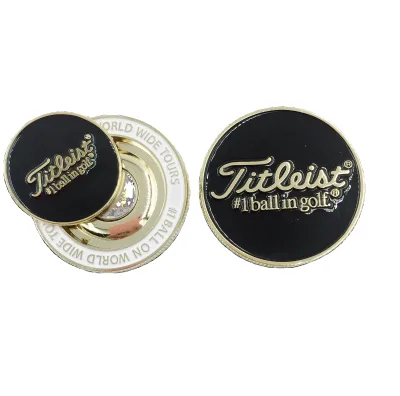
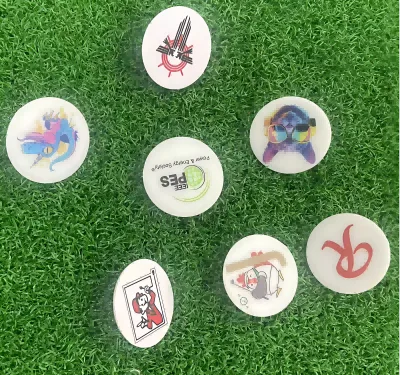
Yes, customization is available with options for 2D, 3D, color filled logos, and laser engraving. The processing methods include soft enamel, hard enamel, die casting, and stamping. Buyers can request specific designs while maintaining the standard product dimensions and magnetic features.
What is the typical lead time for production?
The production time ranges from 7 to 15 days after sample approval. Sample time is typically 5 days for design verification. This timeline applies to customized orders and may vary based on the specific factory capacity and order volume requirements.
Which certifications do these products typically hold?
Products often carry BSCI, SGS, and ISO 9001 certifications to ensure quality and ethical manufacturing standards. These certifications verify the production process and material safety. Buyers should verify specific certification documents with the supplier before placing bulk orders.
How are these golf ball markers packaged for shipping?
Packaging options include OPP bags, velvet boxes, or custom carton boxes as requested by the buyer. The single package size is approximately 5 by 5 by 1 cm. Custom packaging requests are accommodated to meet specific branding or logistical needs.
What is the minimum order quantity for these markers?
The minimum order quantity ranges from 1 to 500 units depending on the supplier and customization level. Some suppliers offer no minimum order quantity with free design services. Buyers should confirm the specific MOQ with the manufacturer before finalizing the purchase.
Where are these golf ball markers manufactured?
Manufacturing locations include Guangdong and Hubei in China. These regions are known for metal crafts and golf accessory production. Buyers can select suppliers based on their preferred location and logistical requirements for shipping.