Source Taiwan Magnetic Signs for Vehicle Decals, Safety Signage, and Labeling
Compare 30 Taiwan Magnetic Signs from verified suppliers offering customization, high adhesiveness, and waterproof features. Buyers can evaluate options for vehicle decals, safety signage, and product labeling with varying sizes and materials like PVC and magnet; compare the available evidence and request quotations based on your requirements.
Updated
Key considerations
Products List
















Comprehensive Sourcing Guide
Taiwan Magnetic Signs Sourcing Guide
Sourcing magnetic signage from Taiwan requires a nuanced understanding of regional manufacturing strengths, particularly in high-precision materials and durable adhesive technologies. While the supplied data highlights significant production activity in mainland China—specifically in Fujian, Zhejiang, and Guangdong provinces—buyers targeting Taiwanese suppliers must verify if these facilities operate as cross-strait entities or if distinct local manufacturers offer superior quality control. The core keyword suggests a focus on durable, weather-resistant signage solutions, often used for vehicle decals, safety warnings, and outdoor advertising. Buyers should recognize that "Taiwan" in search results may sometimes reflect brand registration rather than physical origin, necessitating rigorous due diligence on factory locations.
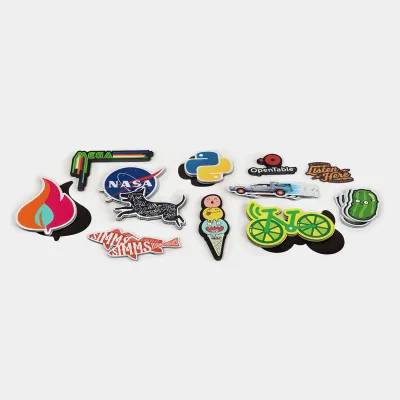
The procurement landscape for magnetic signs is characterized by a wide variance in material composition, ranging from basic PVC to specialized isotropic magnets. The observed market signals indicate a strong emphasis on customization, with many suppliers offering die-cut shapes and matte finishes tailored to specific branding needs. Buyers must distinguish between generic bulk orders and bespoke design projects, as the latter often require higher minimum order quantities and longer lead times. Understanding the distinction between standard stock items and custom-engineered solutions is critical for accurate budgeting and timeline management, ensuring that procurement strategies align with both immediate operational needs and long-term brand consistency goals.
Product Scope and Observed Listing Signals
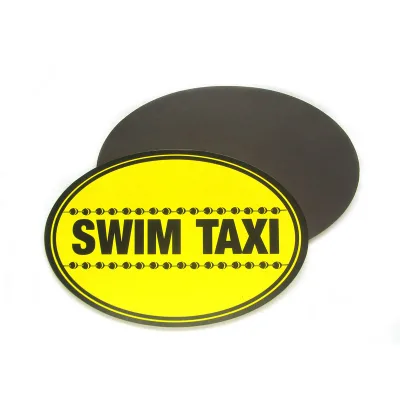
The current market for magnetic signage displays a diverse array of product types, including custom reflective car stickers, safety signs, and decorative vehicle decals. Observed listings frequently highlight features such as high flexibility, waterproof capabilities, and strong adhesiveness, which are essential for outdoor applications. The product scope extends beyond simple branding to include industrial and safety applications, such as caution magnet signs and motor magnets. Buyers should note that while some products are marketed with specific certifications like ISO, CE, and RoHS, others may rely on general quality assurances. It is crucial to verify that the specific magnetic material meets the intended environmental conditions, whether for indoor home decoration or harsh outdoor advertising environments.
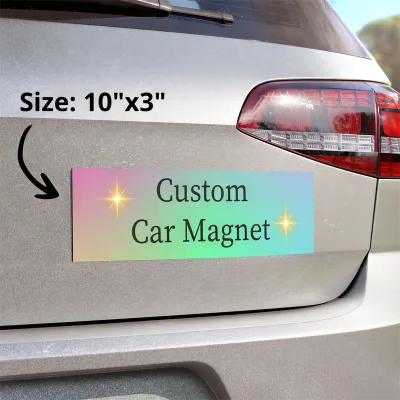
Visual and physical attributes play a significant role in product selection, with common specifications including sizes like 32 x 8 cm or 5-inch formats, and thicknesses around 0.8mm. The observed data indicates a prevalence of white and blue color options, with matte finishes being a popular choice for reducing glare and enhancing readability. Many suppliers offer OEM services, allowing for extensive customization of shapes and designs, often described as "die-cut" or "customized magnet size." Buyers must carefully review the single package dimensions and gross weights, which can vary significantly based on the complexity of the design and the density of the magnetic material used. This variability impacts shipping costs and storage requirements, making precise specification verification a key step in the sourcing process.
Technical Specifications to Verify
When evaluating magnetic signs, buyers must prioritize the verification of material composition and structural integrity. The supplied facts indicate the use of PVC combined with printed layers and various magnet types, including isotropic magnets. It is essential to confirm the magnetic strength and retention capabilities, especially for vehicle applications where vibration and wind resistance are critical. Buyers should request detailed technical sheets that specify the magnetic grade, adhesive type, and surface treatment. The presence of features like "high flexibility" suggests the material can conform to curved surfaces, but this must be validated against specific curvature requirements. Understanding the interplay between the PVC layer and the magnetic backing ensures that the product will not delaminate or lose adhesion over time.
Dimensional accuracy and finish quality are equally important technical considerations. Specifications such as "smooth surface" and "matte finish" affect both the aesthetic appeal and the functional performance of the signage. Buyers should verify that the die-cut shapes are precise and that the edges are clean to prevent peeling or snagging. The observed model numbers, such as SC-MS or GS2416, may correspond to specific material grades or production batches, so cross-referencing these codes with supplier catalogs is advisable. Additionally, the "single package size" and "gross weight" data provided in listings can serve as proxies for material density and quality, helping buyers estimate shipping costs and storage needs before finalizing orders.
Compliance and Safety Documentation
Regulatory compliance is a non-negotiable aspect of sourcing magnetic signs, particularly for products intended for international markets. The observed listings mention certifications such as ISO, CE, RoHS, EN71, REACH, and ISO9001, which indicate adherence to various quality and safety standards. Buyers must verify that these certifications are current and applicable to the specific product type and destination market. For instance, EN71 and REACH are critical for products that may come into contact with children or require strict chemical safety standards. It is important to request valid certification documents directly from the supplier and to confirm that the testing was conducted by an accredited laboratory. This due diligence helps mitigate legal risks and ensures that the products meet all relevant regulatory requirements.
Beyond formal certifications, buyers should also consider the safety implications of the magnetic materials used. Strong magnets can pose hazards if they are accessible to children or if they interfere with medical devices. Suppliers should provide clear labeling and safety instructions, especially for products marketed as "caution magnet signs" or industrial magnets. The "single magnetic" feature mentioned in some listings suggests a specific design approach that may reduce certain risks, but this must be confirmed through product testing. Buyers should also inquire about the environmental impact of the materials, particularly the PVC and adhesive components, to ensure alignment with corporate sustainability goals and local waste disposal regulations.
Cost Drivers and Commercial Terms
The cost of magnetic signs is influenced by several key factors, including material quality, customization complexity, and order volume. The observed price range of $0.05 to $300 USD reflects the vast difference between simple, mass-produced stickers and complex, custom-engineered signage. Buyers should understand that higher prices often correlate with better material durability, more precise die-cutting, and superior adhesive performance. The minimum order quantity (MOQ) typically ranges from 1 to 1000 pieces, with lower MOQs often incurring higher per-unit costs. For large-scale projects, negotiating volume discounts and consolidated shipping rates can significantly reduce overall procurement expenses. Buyers must also consider the cost of samples, which may be free or charged depending on the supplier's policy.
Commercial terms such as payment methods, lead times, and return policies are critical components of the sourcing agreement. The observed data indicates that samples are available, which is a valuable tool for quality verification before committing to large orders. Buyers should clarify the lead times for both sample production and bulk manufacturing, as these can vary based on the complexity of the design and the supplier's current workload. Payment terms, such as deposits and balance payments, should be negotiated to balance risk and cash flow. Additionally, buyers should inquire about the supplier's policy on defective goods and returns, ensuring that there is a clear mechanism for addressing quality issues that arise after delivery.
Supplier Qualification and Quality Control
Selecting a reliable supplier is paramount to ensuring consistent quality and timely delivery of magnetic signs. Buyers should prioritize suppliers with established manufacturing capabilities, as indicated by the "Factory: yes" attribute in some listings. Verifying the supplier's production capacity, quality control processes, and past performance is essential. Buyers can request references or case studies to assess the supplier's experience in producing similar products. It is also important to evaluate the supplier's responsiveness and communication skills, as these factors can significantly impact the sourcing process. Suppliers located in industrial hubs like Fujian, Zhejiang, and Guangdong may offer logistical advantages, but buyers should still conduct thorough due diligence regardless of location.
Quality control measures should be integrated into the procurement process from the outset. Buyers should request detailed quality assurance plans that outline inspection points, testing methods, and acceptance criteria. The observed certifications, such as ISO9001, suggest that some suppliers have formalized quality management systems, but buyers should verify the scope and effectiveness of these systems. Regular audits or third-party inspections can provide additional assurance of product quality. Buyers should also establish clear communication channels for addressing any quality issues that arise during production or after delivery. By investing time in supplier qualification and quality control, buyers can minimize risks and ensure a smooth sourcing experience.
Long-Term Procurement Checks
Sourcing magnetic signs is not a one-time transaction but an ongoing relationship that requires continuous monitoring and evaluation. Buyers should regularly review supplier performance metrics, such as on-time delivery rates, product quality consistency, and responsiveness to issues. Establishing key performance indicators (KPIs) and conducting periodic supplier assessments can help identify areas for improvement and ensure that the supplier remains aligned with the buyer's needs. Buyers should also stay informed about market trends and technological advancements in magnetic signage materials, as these can impact product performance and cost. By maintaining a proactive approach to supplier management, buyers can build a resilient and efficient supply chain.
Long-term procurement strategies should also include contingency planning for supply chain disruptions. Buyers should identify alternative suppliers and materials to mitigate risks associated with single-source dependencies. Regular communication with suppliers about future demand forecasts and product roadmaps can help ensure that the supplier is prepared to meet evolving needs. Buyers should also consider the environmental and social impact of their sourcing decisions, seeking out suppliers who demonstrate commitment to sustainability and ethical practices. By focusing on long-term value creation rather than short-term cost savings, buyers can build stronger, more sustainable partnerships with their suppliers.
FAQs
What materials are used for these magnetic signs?
The magnetic signs are primarily manufactured using PVC and magnet materials. Some products feature printed PVC combined with magnet backing to ensure durability and strong adhesion. These materials support high flexibility and waterproof performance, making them suitable for vehicle decals, safety signage, and outdoor advertising applications without compromising structural integrity.
Can I customize the size and shape of the magnets?
Yes, customization is available for both size and shape. Buyers can request die-cut shapes or specific dimensions such as 32 x 8 cm or 5-inch sizes. The factory accepts OEM orders and offers customized magnet sizes to meet unique branding or functional requirements, ensuring the final product aligns precisely with your design specifications.
What certifications do these magnetic stickers hold?
These magnetic stickers hold various certifications including ISO, CE, RoHS, EN71, REACH, and ISO9001. These standards ensure the products meet international safety and quality requirements for industrial and consumer use. Buyers can verify specific certification documents with suppliers to confirm compliance with regional regulations, particularly for products intended for home decoration or industrial applications.
What is the minimum order quantity for these products?
The minimum order quantity varies by supplier but typically starts at 10 pieces for some items. Other listings indicate an MOQ range of 1 to 1000 units depending on the product type and customization level. Buyers should confirm the exact MOQ with the specific manufacturer, as bulk orders may offer more favorable pricing and production terms.
Where are these magnetic signs manufactured?
These magnetic signs are manufactured in China, with specific origins including Fujian, Zhejiang, and Guangdong provinces. The production facilities are equipped to handle large-scale orders and offer various finishing options like matte surfaces. Buyers can source directly from these regions to benefit from established supply chains and competitive manufacturing capabilities for custom magnetic products.
Are samples available for quality verification?
Samples are available for quality verification upon request. Buyers can contact suppliers to obtain free samples or paid samples depending on the product complexity. This allows for testing of adhesiveness, flexibility, and print quality before committing to a bulk order. Sample availability ensures that the final product meets the required standards for waterproofing and durability.