Source Event Wristband for Sports, Parties, and Commerce
Compare 30 Event Wristband options from verified suppliers in China. Buyers can evaluate silicone and polyester materials, RFID features, and customization services for sports, parties, and commerce applications. Explore eco-friendly, glow-in-the-dark, and mosquito repellent designs with ISO and FDA certifications available for global export.
Updated
Key considerations
Products List

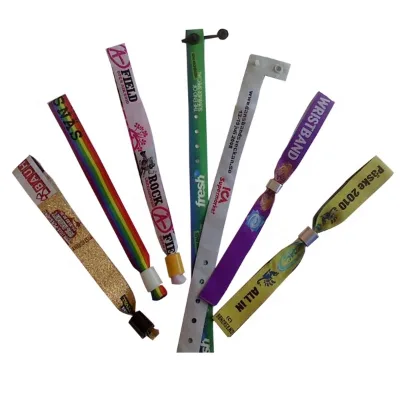
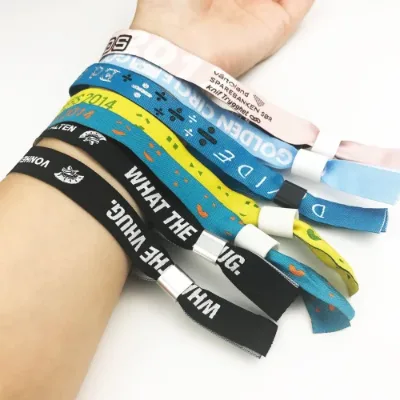
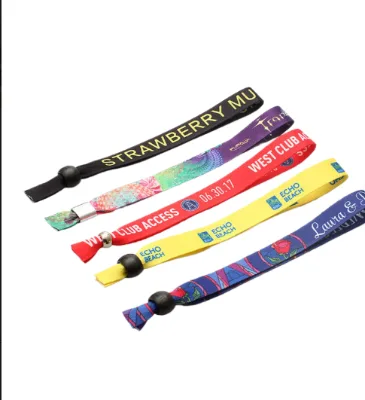
New Style Custom Wristbands Logo Woven Wristband Events Festival Bracelet Wristband
$0.0207 - $0.1559
MOQ: 3000 pieces


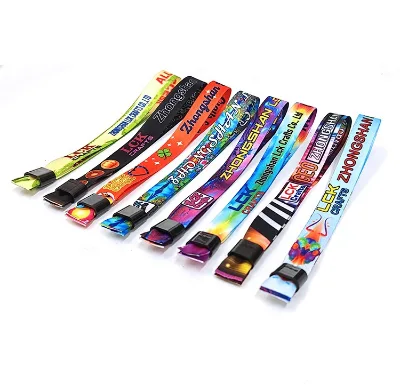
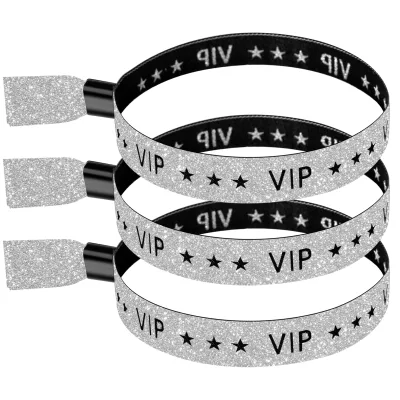
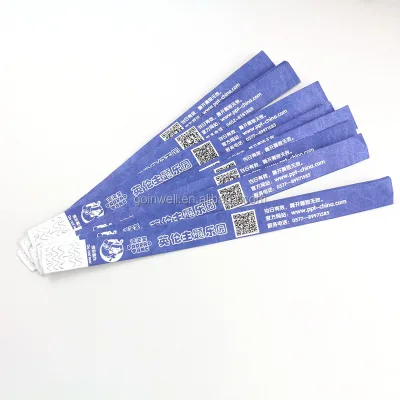




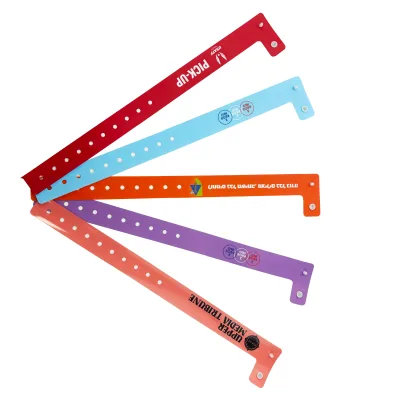
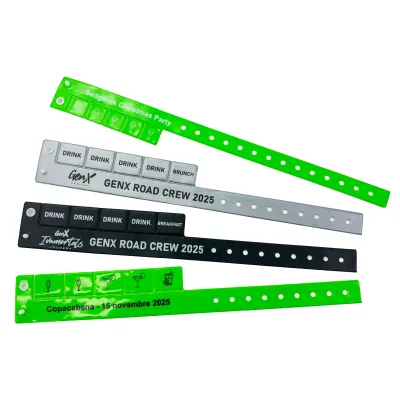
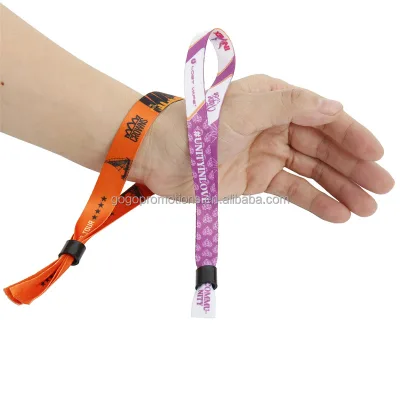

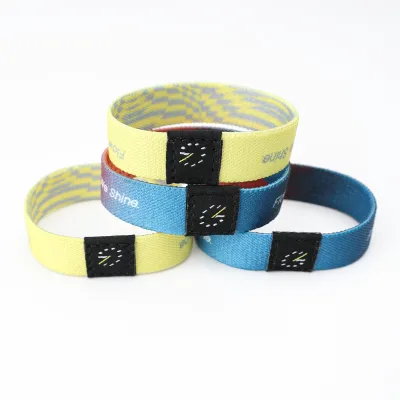
Comprehensive Sourcing Guide
Event Wristband Sourcing Guide
Product Scope and Observed Listing Signals
The market for event wristbands presents a diverse array of materials and functionalities, primarily split between passive silicone options and active electronic identification bands. Procurement data indicates a significant presence of silicone-based products designed for sport and general commerce applications, often featuring eco-friendly attributes and customizable branding through silkscreen, debossing, or embossing techniques. These items are frequently marketed with specific utility features such as glow-in-the-dark visibility, mosquito repellent properties, or reflective elements to enhance safety and engagement during outdoor gatherings. Buyers should note that while some listings emphasize simple aesthetic customization, others integrate complex technological capabilities, requiring careful distinction between basic promotional items and functional access control tools.
Conversely, a subset of the supply base offers advanced RFID-enabled wristbands constructed from polyester or similar durable fabrics, targeting high-security or payment-integrated events. These electronic solutions support read-write card structures and parallel data transmission modes, facilitating identification, payment processing, and encrypted information storage. The observed product range spans from universal adult and children sizes to fully customized dimensions, with supply abilities reaching thousands of pieces per day from manufacturing hubs in Guangdong, China. Sourcing agents must evaluate whether the event requires simple visual identification or sophisticated data capture, as this decision fundamentally alters the technical verification and compliance requirements for the final procurement contract.
Technical Specifications to Verify
When evaluating silicone wristbands, buyers must prioritize physical durability and material composition to ensure the bands withstand the rigors of festival or sports environments. Key specifications to verify include the thickness of the material, with observations indicating a common standard of 2mm, which balances comfort with tear resistance. It is essential to confirm the exact color options available, as many suppliers offer pure color bases that can be further customized, while others provide fully customized color matching for brand alignment. Additionally, the structural integrity of the clasp or closure mechanism should be assessed, particularly for active RFID models where the internal chip must remain secure during movement. Buyers should request physical samples to test the tensile strength and flexibility, ensuring the product does not degrade or break under typical wear conditions.
For electronic RFID wristbands, technical verification extends beyond physical attributes to include data transmission protocols and power supply modes. These devices typically operate as passive cards, meaning they do not require an internal battery but instead draw power from the reader’s signal, which simplifies maintenance but limits transmission range. Procurement teams must verify the compatibility of the wristband’s data transmission mode, such as parallel interfaces, with existing event infrastructure and software systems. It is critical to confirm whether the wristband supports read-write functionality for dynamic data updates or if it is limited to read-only identification. Buyers should also inquire about the operating frequency and antenna design, as these factors directly impact the reliability of access control and payment transactions in crowded venues with potential signal interference.
Compliance and Safety Documentation
Safety and regulatory compliance are paramount when sourcing wristbands that come into direct contact with skin, especially for events involving children or prolonged wear. Buyers must request and verify relevant certification documents to ensure the materials meet international safety standards. For silicone products, certifications such as ISO and FDA compliance are critical indicators that the material is free from harmful substances like phthalates or heavy metals. Additionally, for fabric-based or polyester wristbands, the Oeko-Tex Standard 100 certification serves as a vital proof that the textile components have been tested for harmful substances and are safe for human use. Procurement teams should treat these certifications as non-negotiable prerequisites, ensuring that the supplier can provide valid, up-to-date documentation for every batch produced.
Beyond material safety, buyers must also consider data privacy and security compliance, particularly when sourcing RFID-enabled wristbands that handle personal or financial information. Although specific data protection standards were not explicitly listed in the observed product attributes, the presence of encrypt/decrypt functions implies a need for robust security protocols. Buyers should verify that the supplier adheres to relevant data protection regulations, such as GDPR or local equivalents, depending on the event’s location and attendee demographics. It is advisable to include clauses in the contract that hold the supplier accountable for any data breaches resulting from defective encryption or insecure data transmission. Furthermore, buyers should confirm that the supplier follows ethical manufacturing practices, as many modern event organizers prioritize sustainable and socially responsible supply chains.
Cost Drivers and Commercial Terms
The cost structure for event wristbands is influenced by several key variables, including material choice, customization complexity, and order volume. Silicone wristbands generally offer a lower entry price point, with observed ranges starting at very low unit costs, making them suitable for high-volume, low-margin promotional giveaways. However, costs increase significantly with the addition of features such as glow-in-the-dark pigments, mosquito repellent additives, or reflective strips. For RFID wristbands, the base cost is higher due to the embedded electronic components, and prices will vary based on the type of chip and antenna used. Buyers should also account for the cost of logo application, whether through silkscreen, debossing, or embossing, as each method has different setup and per-unit pricing implications.
Commercial terms and logistics play a crucial role in the total cost of ownership, particularly for large-scale events. Minimum Order Quantities (MOQs) can vary widely, ranging from small batches of 10 pieces for prototyping to large orders of 3000 pieces for full production runs. Buyers must clarify the sample policy, as some suppliers offer free samples but charge for shipping, while others may require payment for both. Lead times are another critical factor, with sample production typically taking 8-10 days and bulk production requiring 10-15 days. Shipping costs are often quoted separately based on the chosen method, whether by sea, air, or express couriers like FedEx or DHL. Procurement teams should negotiate clear terms for packaging, such as box or carton quantities, to optimize storage and distribution efficiency at the event venue.
Supplier Qualification and Quality Control
Selecting a reliable supplier requires a thorough assessment of their manufacturing capabilities and quality control processes. Buyers should prioritize suppliers with established production facilities, such as those located in industrial hubs like Zhongshan, Guangdong, which are known for their expertise in silicone and electronic component manufacturing. It is essential to verify the supplier’s supply ability, ensuring they can meet the event’s deadline with a capacity of at least 5000 pieces per day if necessary. Buyers should also inquire about the supplier’s experience in the industry, as a track record of twenty years or more often correlates with better process stability and problem-solving capabilities. Requesting references from previous clients, particularly those in the events or sports sectors, can provide valuable insights into the supplier’s reliability and service quality.
Quality control measures must be explicitly defined in the procurement agreement to mitigate the risk of defective products. Buyers should establish clear acceptance criteria for visual defects, such as uneven coloring, misaligned logos, or broken clasps, and specify the allowable defect rate. For RFID wristbands, functional testing is critical, and buyers should require a percentage of units to be tested for read/write accuracy and signal strength before shipment. It is advisable to conduct pre-shipment inspections, either in person or through a third-party agency, to verify that the products meet the agreed-upon specifications. Additionally, buyers should confirm the supplier’s after-sales service channels, such as email, WhatsApp, or Skype, to ensure prompt communication in case of any issues during the event.
Long-Term Procurement Checks
Sourcing event wristbands is often a recurring need for organizations that host multiple events throughout the year, making long-term supplier relationships valuable for consistency and efficiency. Buyers should evaluate the supplier’s ability to maintain consistent quality across different production batches, as variations in material or manufacturing processes can lead to inconsistent attendee experiences. It is advisable to conduct periodic audits or re-verification of certifications, especially if the supplier’s product line expands or if regulatory standards change. Buyers should also monitor the supplier’s innovation capabilities, as the market for event technology is evolving rapidly with new features like NFC integration or biometric data capture becoming more common.
Sustainability and environmental impact are increasingly important factors in long-term procurement strategies, reflecting broader corporate social responsibility goals. Buyers should assess the supplier’s commitment to eco-friendly practices, such as the use of recyclable materials or energy-efficient manufacturing processes. For silicone wristbands, verifying the eco-friendly claims through independent testing or certifications can help align the procurement with green event initiatives. Additionally, buyers should consider the end-of-life disposal options for the wristbands, particularly for electronic components, to ensure they do not contribute to electronic waste. By prioritizing suppliers who demonstrate a strong commitment to sustainability and continuous improvement, buyers can enhance their brand reputation and contribute to a more responsible event industry.
FAQs
What materials are used for event wristbands?
Event wristbands are primarily manufactured using silicone and polyester materials. Silicone options offer durability and comfort for active use, while polyester variants provide a sustainable alternative. Both material types support customization and are selected based on the specific application requirements of the event or commercial use case.
Can I customize the logo on the wristband?
Yes, customization is available for event wristbands. You can choose from silkscreen printing, debossed, embossed, or printed logo types. The factory supports OEM custom designs, allowing you to tailor the appearance to your brand identity while maintaining the structural integrity and functionality of the wristband product.
What certifications do the wristbands have?
The wristbands hold ISO, FDA, and SGS certifications, ensuring compliance with international standards. Additionally, polyester variants may carry the Oeko-Tex Standard 100 certificate. These certifications verify product safety and quality, making them suitable for global export and various commercial or event applications requiring verified material standards.
What is the minimum order quantity for wristbands?
The minimum order quantity varies by product type. Some silicone wristbands have an MOQ of 100 pieces, while other models require 3000 pieces. Buyers should check specific product specifications to determine the exact MOQ, as requirements depend on the material, customization level, and production capacity of the selected item.
How long does production take for custom orders?
Production time typically ranges from 10 to 15 days after sample approval. Sample preparation takes 8 to 10 days, with free samples available though shipping costs are charged. This timeline ensures quality control and allows for necessary adjustments before full-scale manufacturing begins for your specific event or commercial needs.
Where are the wristbands manufactured?
The wristbands are manufactured in Zhongshan, Guangdong, China. The factory is located in this region, with dispatch ports available in Zhongshan, Guangzhou, and Shenzhen. This location supports efficient global shipping via sea, air, or express couriers like FedEx, DHL, and UPS for worldwide delivery.