Source Cute Cartoon Bamboo Fiber T-Shirt and Pants Set for Kids, Toddlers, and Daily Wear
Explore 30 options for a Cute Cartoon Bamboo Fiber T-Shirt and Pants Set designed for comfort and style. Compare features like material blends, sleeve lengths, and customization services to find the best fit for your children's apparel needs.
Key considerations
Products List


Children's Thin Summer Set Cute Short Sleeved Top Girls' New T-Shirt Summer Two-Piece Set
$4.28 - $4.39
MOQ: 100 Pieces
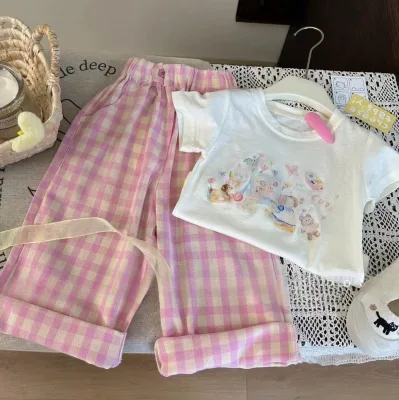
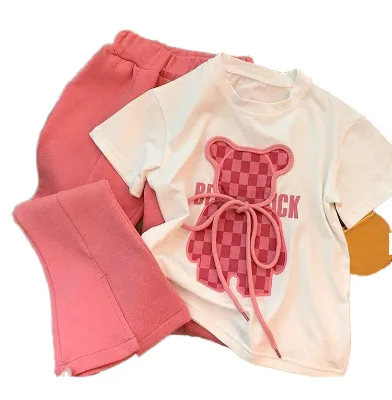
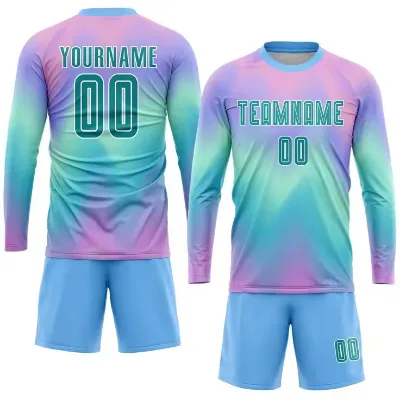


Custom Print Tee & Pants Summer Short Sleepwear Set Girls Bamboo Kids Pajamas
$5.99 - $9.99
MOQ: 100 Pieces


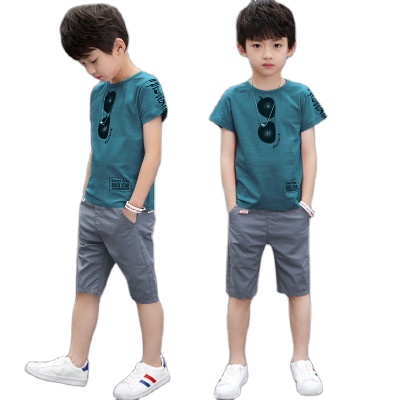
Custom Made Kids Short Sleeve T-Shirt and Shorts Set Boys Girls Sports Top Bottoms
$2.99 - $6.99
MOQ: 300 Pieces

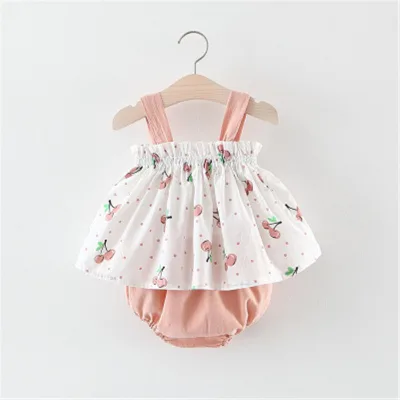
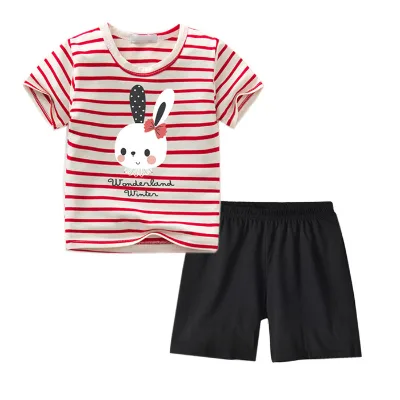
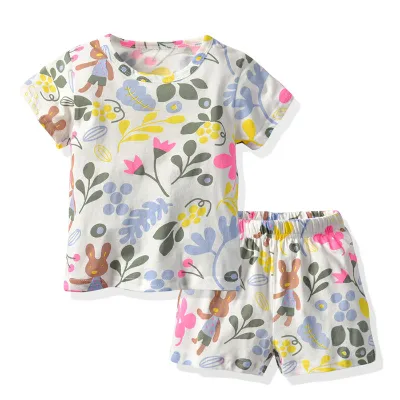
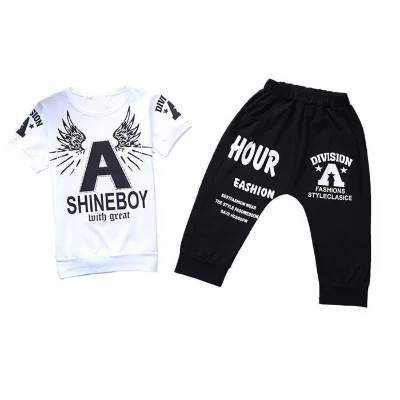


Comprehensive Sourcing Guide
Cute Cartoon Bamboo Fiber T-Shirt and Pants Set Sourcing Guide
Sourcing children’s apparel requires a careful balance of aesthetic appeal, material safety, and commercial viability. The specific combination of bamboo fiber and cartoon graphics targets a niche market that prioritizes softness and visual charm for young demographics. Buyers must navigate the distinction between marketing terms and actual fabric composition, as "bamboo" can refer to viscose, rayon, or actual bamboo linen, each with different performance characteristics. This guide provides a structured approach to evaluating suppliers, verifying technical specifications, and managing the commercial risks associated with this product category.
The procurement process for these sets involves multiple decision points, from selecting the right age group fit to ensuring the printing methods are safe for skin contact. While the market offers a wide variety of designs, the underlying material quality and manufacturing standards remain the primary drivers of product success. This document outlines the essential verification steps, compliance requirements, and supplier qualification criteria necessary to build a reliable supply chain for cute cartoon bamboo fiber t-shirt and pants sets.
Product Scope and Observed Listing Signals
The observed market data indicates a diverse range of children’s clothing options, with a product count of 30 listings and a price range of $1.5 to $17.2 USD. This wide variance suggests that buyers will encounter everything from basic cotton blends to more premium, customized designs. The minimum order quantity (MOQ) ranges from 1 to 300 units, indicating that suppliers cater to both small-scale trial orders and larger bulk purchases. Buyers should interpret these signals as evidence of a flexible market, where customization and low-volume entry are possible, but price points will fluctuate significantly based on material complexity and order volume.
Specific product attributes observed include a focus on comfort and casual wear, with styles ranging from long-sleeved suits to short-sleeved sets. The materials listed vary, with some items specified as 100% cotton, while others mention polyester, nylon, or cotton blends. Although the core keyword specifies bamboo fiber, the observed listings highlight a broader category of children’s sets where material composition is a key differentiator. Buyers must carefully verify if the "bamboo" claim is supported by the actual material specification, as many listings may use generic terms like "soft fabric" or "cotton blend" without explicitly stating bamboo content.
Technical Specifications to Verify
Material composition is the most critical technical specification to verify, particularly when the product is marketed as bamboo fiber. Buyers should request detailed fabric breakdowns to distinguish between bamboo viscose, bamboo rayon, and actual bamboo linen, as these have different environmental profiles and performance traits. The observed data includes specifications for 100% cotton and polyester/cotton blends, which serve as benchmarks for comparison. If a supplier claims bamboo content, buyers must ask for the exact percentage and the type of bamboo processing used, ensuring it aligns with the desired softness and breathability characteristics.
Fit and sizing are equally important for children’s apparel, as improper fit can lead to high return rates. The observed listings mention age groups ranging from 2-4 years to 8-12 years, with specific styles like button-up collars and long sleeves. Buyers should verify the sizing charts against international standards, as Chinese manufacturers may use different sizing conventions. Additionally, the closure types, such as pull-on, zipper, or button, should be checked for safety and ease of use for the target age group. The presence of cartoon patterns requires verification of the printing method to ensure durability and safety, as some prints may crack or fade after washing.
Compliance and Safety Documentation
Children’s clothing is subject to strict safety regulations, particularly regarding chemical content and physical hazards. Buyers must ensure that suppliers provide relevant compliance documentation, such as OEKO-TEX or GOTS certifications, although these are not explicitly confirmed in the observed listings. The absence of specific certification data in the initial product signals means buyers cannot assume compliance and must actively request test reports. These reports should cover formaldehyde content, pH levels, and the presence of harmful heavy metals, which are critical for products intended for young children.
Physical safety standards are also paramount, especially for items with buttons, zippers, or small decorative elements. The observed listings mention various closure types and patterns, which must be evaluated for choking hazards and durability. Buyers should verify that all components meet the relevant safety standards for the target market, such as CPSIA in the United States or EN 71 in Europe. Additionally, the flammability of the fabric should be tested, particularly for sleepwear or loose-fitting garments, to ensure they meet regulatory requirements for burn resistance.
Cost Drivers and Commercial Terms
The cost of bamboo fiber t-shirt and pants sets is influenced by several factors, including material quality, design complexity, and order volume. The observed price range of $1.5 to $17.2 USD reflects these variations, with higher prices likely corresponding to premium materials and intricate cartoon designs. Buyers should analyze the cost structure to understand the value proposition, considering that bamboo fiber is generally more expensive than conventional cotton or polyester. The supply ability of 5000 sets per week and an available quantity of 10000 sets suggest that suppliers have the capacity to handle moderate to large orders, which can impact pricing negotiations.
Commercial terms such as MOQ, lead times, and payment conditions are crucial for planning procurement activities. The observed MOQ range of 1 to 300 units offers flexibility for testing the market, but buyers should be aware that lower MOQs may come with higher unit prices. The 7-day sample order lead time is a positive indicator for quick decision-making, allowing buyers to evaluate product quality before committing to larger orders. Buyers should also clarify the packaging details, as options like OPP bags or custom boxes can affect shipping costs and product presentation.
Supplier Qualification and Quality Control
Supplier qualification is essential to ensure consistent quality and reliable delivery. Buyers should assess suppliers based on their production capacity, quality control processes, and customer service responsiveness. The observed supply type of "in-Stock Items" and "Customized Order" indicates that suppliers offer both immediate availability and tailored solutions. Buyers should verify the supplier’s ability to handle customization, including logo printing and design modifications, as this is a key feature for many buyers in this category.
Quality control measures should be implemented at various stages of production, from raw material inspection to final product packaging. Buyers should request samples to evaluate the fabric softness, print quality, and stitching durability. The observed features of "Good Quality" and "Nice Designs" should be validated through physical inspection, as marketing claims do not guarantee actual product performance. Establishing a clear quality standard and communication channel with the supplier is vital for maintaining product consistency and addressing any issues that may arise during production.
Long-Term Procurement Checks
Long-term procurement success depends on continuous monitoring of supplier performance and market trends. Buyers should regularly review supplier metrics, such as on-time delivery rates, defect rates, and responsiveness to issues. The observed customization options and flexible MOQs suggest that suppliers are adaptable, but buyers must ensure that these capabilities remain consistent over time. Building a strong relationship with suppliers can lead to better pricing, priority production, and access to new designs, which are valuable assets in the competitive children’s apparel market.
Market trends in children’s fashion, particularly regarding sustainable materials and popular cartoon characters, should be closely monitored. Buyers should stay informed about changes in consumer preferences and regulatory requirements to ensure their product offerings remain relevant and compliant. The observed focus on comfort and casual wear indicates a steady demand for practical, high-quality children’s clothing. By maintaining a proactive approach to supplier management and market analysis, buyers can mitigate risks and capitalize on opportunities in the cute cartoon bamboo fiber t-shirt and pants set segment.
FAQs
What materials are used for the children's suit sets?
The sets are primarily made from 100% cotton or polyester/cotton blends. Some options include nylon, spandex mixes, or bamboo fiber for enhanced comfort. These materials ensure breathability and softness, making them suitable for toddlers and boys aged 2 to 12 years during spring and autumn seasons.
Can I customize the color and pattern of the suits?
Yes, customization is available for both color and pattern. Buyers can choose from solid, floral, cartoon, or stripe designs, or request custom prints. The supplier supports OEM services and offers flexible styling options to meet specific brand requirements or target audience preferences for casual and beachwear styles.
What is the minimum order quantity for these sets?
The minimum order quantity ranges from 1 to 300 pieces, with some sample orders accepted for low MOQs of 50-100 PCS. This flexibility allows buyers to test market demand with smaller initial batches before committing to larger wholesale orders, ensuring manageable inventory risk for new product launches.
How long does it take to produce a sample order?
Sample orders typically require a lead time of 7 days. This quick turnaround supports rapid prototyping and quality verification. Once samples are approved, bulk production can proceed, with a weekly supply ability of 5000 sets, ensuring timely delivery for seasonal fashion demands and urgent retail restocking needs.
What packaging options are provided for the clothing sets?
Standard packaging includes 1 set per OPP bag or 1 lot per OPP bag. Additional options include polybags, custom boxes, or retail-ready packaging in cartons. These methods protect the garments during transit and allow for branded presentation, enhancing shelf appeal for distributors and direct-to-consumer retail channels.
Are these suits suitable for various occasions like parties or photography?
Yes, the suits are designed for multiple occasions including dance, parties, birthdays, and photography sessions. With styles ranging from casual to sporty and holiday wear, they offer versatile styling. The nice designs and good quality make them ideal for creating memorable looks for children's special events and daily wear.