Source Body Care Spray for Hygiene, Refreshment, and Deodorizing
Find 30 Body Care Spray options from Zhejiang manufacturers. Buyers can compare customization, packaging, and certifications like SGS and MSDS for female and male use.
Key considerations
Products List


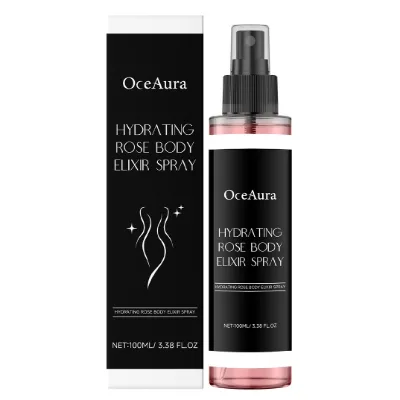
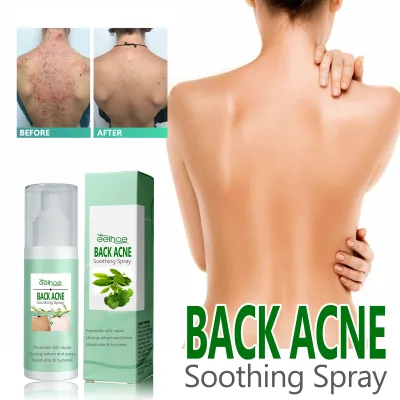
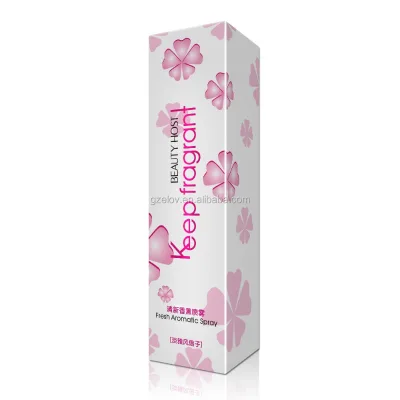
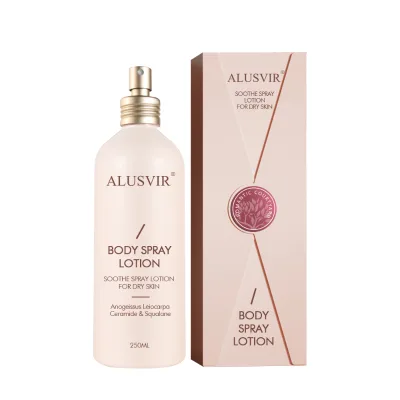
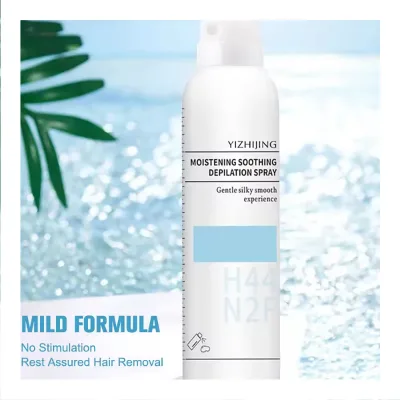

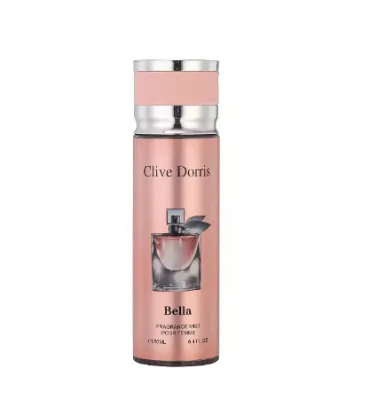
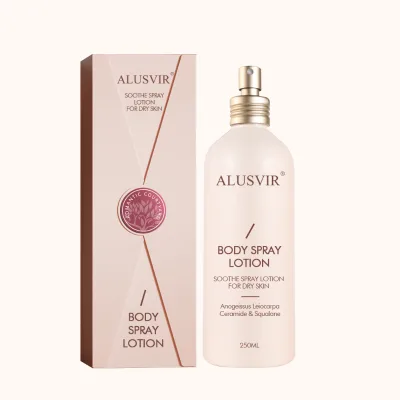
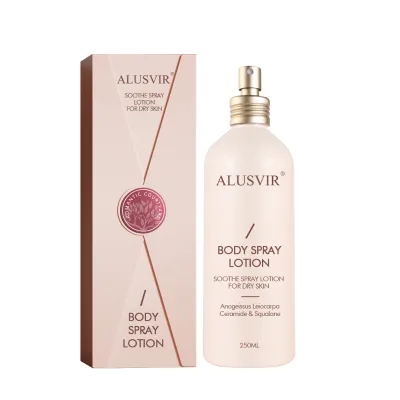
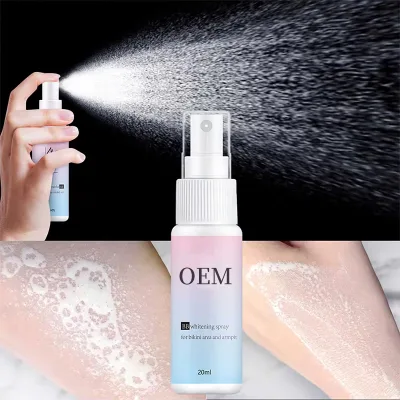
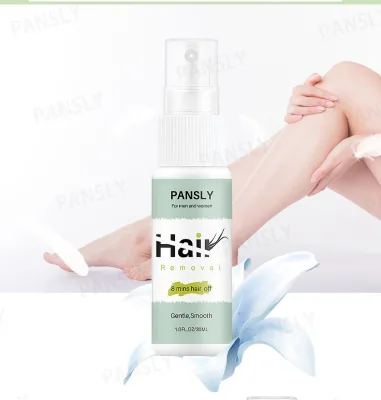
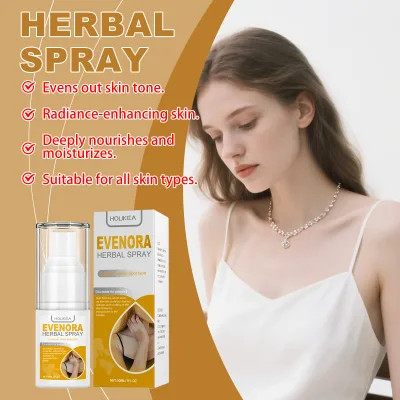

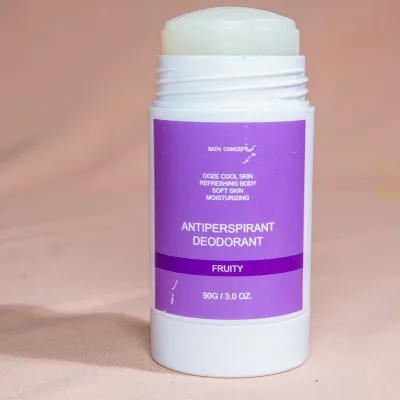
Body Spray Antiperspirant, Body Deodorant Anddeodorant Stick/Spray OEM/ODM
$1.10 - $1.20
MOQ: 30000 Pieces


Comprehensive Sourcing Guide
Strategic Sourcing Guide for Body Care Sprays
Navigating the global market for body care sprays requires a precise understanding of product formulations, regulatory landscapes, and supply chain dynamics. For procurement professionals, the distinction between an Eau de Cologne, an Eau de Toilette, and a functional deodorant spray is not merely semantic; it dictates the chemical composition, target demographic, and compliance requirements. This guide synthesizes observed market data to provide a disciplined framework for sourcing body care sprays, focusing on technical specifications, certification verification, and supplier evaluation strategies.
Technical Specifications and Product Categorization
The first step in sourcing body care sprays is defining the exact product category based on concentration, formulation, and intended use. Market observations indicate a diverse range of products under the "Body Care Spray" umbrella, varying significantly in alcohol content, scent profile, and functional claims. Buyers must distinguish between fragrance-focused products and functional deodorants.
Fragrance-based body sprays often fall into the Eau de Cologne or Eau de Toilette categories. Data indicates that specific product lines are classified as Eau de Cologne, while others are designated as Eau de Toilette. This distinction impacts the longevity of the scent and the volatility of the solvent system. For instance, a product labeled as "Body Splash for Women" may differ in concentration from a "Body Spray" intended for general refreshment. The scent profiles observed in the market are predominantly floral, though some listings reference specific brand-associated scents like "Victoria Secret," which suggests a reliance on licensed or inspired fragrance profiles.
Functional body sprays, such as antiperspirant deodorants, introduce different technical parameters. These products often claim extended duration, with specific listings noting a "Last for 24 Hours" advantage. The formulation for these items typically includes active ingredients designed to inhibit perspiration or neutralize odor, distinct from the purely aromatic nature of standard body mists. The physical state of these products is consistently liquid, delivered via a spray mechanism from a plastic bottle container.
Packaging specifications are equally critical for logistics and shelf-life management. Common container sizes observed include 100ml, 250ml, and variations such as 125ml or 60ml. The packaging format varies by volume; for example, 100ml units are often packed at 96 pieces per carton, while 250ml units may be packed at 48 pieces per carton. Some suppliers offer flexible packing configurations, such as 48 pieces per carton with 4 inner boxes, or 120 bottles per carton for specific models. Understanding these unit configurations is essential for calculating freight costs and warehouse space requirements.
Compliance and Certification Verification
In the personal care sector, regulatory compliance is non-negotiable. While suppliers may list various certifications, buyers must verify the validity and scope of these documents rather than accepting them as blanket guarantees. The market data highlights several certifications that are frequently associated with body care sprays, including MSDS (Material Safety Data Sheet), SGS, FSC, and Saso.
MSDS is a fundamental document required for the safe transport and handling of chemical products. It details the composition, hazards, and emergency measures for the product. SGS certification indicates that the product or its manufacturing process has undergone testing by a recognized third-party inspection body, often covering quality and safety standards. FSC (Forest Stewardship Council) certification relates to the sourcing of paper packaging materials, ensuring they come from responsibly managed forests. Saso certification is specific to the Saudi Standards, Metrology and Quality Organization, which is a mandatory requirement for exporting personal care products to Saudi Arabia.
Buyers should also be aware of broader regulatory frameworks that may apply depending on the destination market. While specific listings may not explicitly confirm CE, RoHS, or REACH compliance, these are standard expectations for products entering the European Union. REACH (Registration, Evaluation, Authorisation and Restriction of Chemicals) is particularly critical for cosmetics and personal care items, as it regulates the use of specific chemical substances. Buyers must request current test reports to confirm that the product formulation adheres to the specific chemical restrictions of the target market. Do not assume that a supplier's general certification covers all regulatory requirements for every destination country.
Cost Drivers and Pricing Dynamics
The pricing of body care sprays is influenced by a complex interplay of factors, including volume, customization, and packaging complexity. Observed price ranges in the market span from $0.10 to $40.00 USD. This wide variance is not indicative of quality alone but reflects differences in formulation, brand positioning, and order quantity.
The Minimum Order Quantity (MOQ) is a primary driver of unit cost. Data shows MOQs ranging from as low as 3 pieces to as high as 30,000 pieces. Suppliers offering low MOQs, such as 1,000 pieces or even lower, often charge a premium per unit to cover the setup costs of small production runs. Conversely, larger orders typically benefit from economies of scale, reducing the per-unit cost. For example, a specific model with an MOQ of 1,000 pieces may have a different price point than a standard run with a higher volume threshold.
Customization is another significant cost factor. Many suppliers offer OEM (Original Equipment Manufacturer) and ODM (Original Design Manufacturer) services, allowing buyers to customize the scent, packaging design, and bottle shape. While "Free Design" services are sometimes advertised, the cost of mold creation, label printing, and formulation adjustments is often passed on to the buyer. The choice of packaging material, such as specific types of plastic bottles, also impacts the final price. Additionally, the complexity of the spray mechanism (e.g., fine mist vs. standard spray) can influence the unit cost.
Typical Applications and Market Segmentation
Body care sprays serve multiple market segments, ranging from luxury fragrance enthusiasts to consumers seeking functional hygiene solutions. The target demographic is a key determinant in product selection. Most observed products are targeted at females, with specific listings noting "Female" as the primary gender. However, some formulations are designed for a unisex audience, explicitly listing "Female, Male" as the target group.
The applications vary based on the product type. Fragrance sprays, such as Eau de Cologne or Eau de Toilette, are used for personal scent enhancement and are often marketed as lifestyle accessories. These products are typically sold in retail environments, beauty supply stores, and online marketplaces. Functional sprays, such as antiperspirant deodorants, are positioned as essential hygiene products. These are often distributed through mass-market retailers, pharmacies, and convenience stores.
The "Body Splash" category often targets a younger demographic or those seeking a lighter, less expensive alternative to traditional perfumes. These products are frequently marketed with keywords like "Refresher Spray," emphasizing convenience and immediate use. The longevity of the scent or effect is a critical selling point; for instance, products claiming a 24-hour duration are positioned as high-performance solutions for active lifestyles or extended wear.
Supplier Evaluation and Sourcing Strategy
Evaluating suppliers for body care sprays requires a rigorous due diligence process. The supply type is predominantly OEM/ODM, indicating that most manufacturers are capable of producing private-label goods. Buyers should verify the supplier's capacity to handle their specific volume requirements and customization needs. The origin of the products is a critical factor; data indicates that many suppliers are located in Zhejiang, China, a major hub for cosmetic manufacturing.
When evaluating a supplier, buyers should request samples to verify the quality of the spray mechanism, the consistency of the liquid, and the durability of the packaging. It is essential to confirm that the supplier can provide the necessary documentation, such as MSDS and third-party test reports, before placing a large order. The supplier's ability to meet specific certification requirements, such as Saso for Middle Eastern markets or REACH for European markets, should be explicitly confirmed.
Buyers should also assess the supplier's production lead times and flexibility. While specific lead times are not provided in the general data, the ability to handle varying MOQs suggests a flexible production line. However, buyers must clarify lead times for custom orders, as design changes and mold creation can extend the production schedule. The packing specifications, such as 96PCS/CTN or 48PCS/CTN, should be verified to ensure they align with the buyer's logistics and distribution requirements.
Quality Control and Long-Term Procurement Considerations
Quality control in the Body Care Spray industry must address both the product formulation and the packaging integrity. Buyers should implement a quality assurance plan that includes pre-shipment inspections. This process should verify the fill volume, ensuring that 100ml or 250ml bottles contain the correct amount of liquid. The spray mechanism must be tested for consistency, ensuring that the mist is even and that there are no leaks or clogs.
For long-term procurement, building a relationship with a reliable supplier is essential. This involves establishing clear communication channels regarding quality standards, delivery schedules, and after-sales support. Buyers should consider the stability of the supply chain, particularly regarding raw material availability. Since the ingredients are often chemical-based, fluctuations in the cost of raw materials can impact the final price and lead times.
Sustainability is also becoming a significant consideration in the body care sector. The presence of FSC certification in some listings suggests that eco-friendly packaging is an option. Buyers interested in sustainable sourcing should inquire about the recyclability of the plastic bottles and the environmental impact of the manufacturing process. Additionally, the "Chemical" ingredient listing highlights the need for transparency regarding the formulation. Buyers should request a full ingredient list to ensure compliance with local regulations and to address any consumer concerns regarding allergens or sensitive skin.
In conclusion, sourcing body care sprays requires a balanced approach that considers technical specifications, regulatory compliance, cost dynamics, and supplier reliability. By focusing on these key areas and maintaining a disciplined verification process, buyers can secure high-quality products that meet their market demands while mitigating supply chain risks. The diversity of the market, from floral fragrances to functional deodorants, offers ample opportunity for strategic sourcing, provided that the buyer remains vigilant in their due diligence.
FAQs
What certifications are available for body care sprays?
Available certifications include MSDS, SGS, FSC, and Saso. These documents verify safety, quality, and compliance for specific export markets like Saudi Arabia, ensuring the product meets regulatory standards for chemical handling and packaging materials.
Can I customize the Body Care Spray packaging and scent?
Customization is available through OEM and ODM supply types. Buyers can request specific designs, scents, and bottle shapes, often with free design services, though mold creation and formulation adjustments may affect the final unit cost and lead time.
What is the typical MOQ for Body Care Spray orders?
Minimum order quantities range from 3 to 30,000 pieces depending on the supplier and product model. Specific listings show an MOQ of 1,000 pieces for certain models, while smaller runs may be possible but often carry a higher per-unit price.
Which product specifications are common for body care sprays?
Common specifications include 100ml and 250ml capacities with spray mechanisms. Packaging varies by volume, such as 96 pieces per carton for 100ml units or 48 pieces per carton for 250ml units, often originating from Zhejiang, China.
How long does the effect last for antiperspirant sprays?
Functional antiperspirant deodorant sprays claim to last for 24 hours. These products are formulated to inhibit perspiration and neutralize odor, distinguishing them from standard fragrance sprays that focus on scent longevity rather than functional performance.
What is the price range for body care sprays?
The observed price range spans from 0.10 to 40.00 USD per unit. This variance reflects differences in formulation, customization levels, order volume, and packaging complexity, with larger orders typically benefiting from lower per-unit costs.