Source Cylinder Head Valve Cover for Diesel Engines
Find and compare 30 Cylinder Head Valve Cover options for diesel engine maintenance and repair. Evaluate specifications such as material, casting techniques, and warranty terms to identify suitable components for industrial applications.
Key considerations
Products List


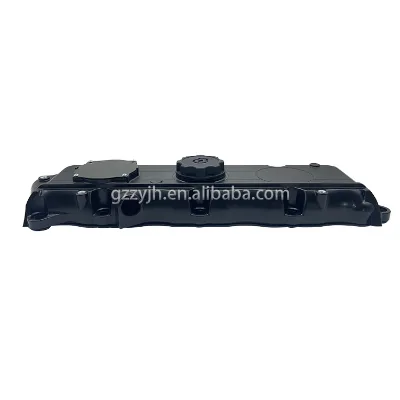


$1.00 - $10.00
MOQ: 1000 Pieces

$1.00 - $10.00
MOQ: 1000 Pieces
Comprehensive Sourcing Guide
Cylinder Head Valve Cover Sourcing Guide
Sourcing cylinder heads and valve covers requires a disciplined approach to technical verification and supplier qualification. These components are critical to engine integrity, directly influencing compression, thermal management, and oil containment. Buyers must distinguish between standard replacement parts and custom-engineered solutions, as the manufacturing processes and material properties vary significantly across different engine models and industrial applications.
The procurement landscape for these parts is diverse, ranging from high-volume automotive replacements to specialized industrial components for heavy machinery. Understanding the specific engine model compatibility, material composition, and manufacturing technique is essential before initiating any purchase order. This guide provides a structured framework for evaluating suppliers, verifying technical specifications, and ensuring long-term reliability in your supply chain.
Product Scope and Observed Listing Signals
The market for cylinder heads and valve covers includes a wide variety of configurations, from standard cast aluminum units to specialized stainless steel or plastic variants. Observed listings indicate that materials such as aluminum, stainless steel, and plastic are commonly used, depending on the engine type and operational requirements. For instance, aluminum is frequently selected for its lightweight properties and thermal conductivity, while stainless steel may be used in high-corrosion environments. Buyers should carefully review the material specifications provided by each supplier to ensure compatibility with their specific engine application.
Listing signals also reveal a range of manufacturing techniques, with casting being a prominent process for these components. Some suppliers offer customization options, allowing for tailored solutions that meet specific dimensional or functional requirements. Additionally, the presence of specific model numbers, such as S195, S1110, and RJ195F, suggests that many products are designed for particular engine families or industrial machinery. Buyers must verify that the listed model numbers align with their existing equipment to avoid compatibility issues.
Technical Specifications to Verify
Verifying the technical specifications of cylinder heads and valve covers is paramount to ensuring proper fit and function. Key attributes to confirm include the engine model compatibility, such as Perkins 1104C-44TA or C4.4, and the specific part numbers provided by the manufacturer. Buyers should request detailed dimensional drawings and cross-reference them with their existing engine schematics to ensure precise alignment. Discrepancies in dimensions can lead to sealing failures, oil leaks, or compromised engine performance.
Material properties and manufacturing processes also require close scrutiny. For example, if a supplier specifies casting as the manufacturing process, buyers should inquire about the type of casting used and the subsequent heat treatment or surface treatments applied. Surface treatments like polishing can enhance durability and reduce friction, while specific coatings may be necessary for corrosion resistance. Additionally, the operating pressure and temperature ranges should be confirmed to ensure the component can withstand the demands of the intended application.
Compliance and Safety Documentation
Compliance with international standards and safety regulations is a critical aspect of sourcing engine components. Buyers should verify that suppliers hold relevant certifications, such as CE or ISO standards, which indicate adherence to quality management and safety protocols. While some listings mention certifications, buyers must request valid certificates and verify their authenticity with the issuing bodies. This step is essential to mitigate risks associated with non-compliant products that may fail under operational stress.
Documentation regarding machinery test reports and outgoing inspections is another vital consideration. Although some listings indicate that test reports are not available, buyers should prioritize suppliers who provide comprehensive quality assurance documentation. Video outgoing inspections can offer visual confirmation of the product's condition before shipment, reducing the risk of receiving defective items. Buyers should insist on these verification steps to ensure that the components meet the specified quality standards before finalizing the purchase.
Cost Drivers and Commercial Terms
The cost of cylinder heads and valve covers is influenced by several factors, including material costs, manufacturing complexity, and order volume. Aluminum and stainless steel components typically command higher prices due to the raw material costs and the precision required in their manufacturing. Customization options, such as specific dimensions or surface treatments, can also increase the unit price. Buyers should request detailed quotations that break down these cost components to understand the pricing structure and identify potential areas for negotiation.
Commercial terms, including minimum order quantities (MOQ) and payment terms, vary among suppliers. Observed MOQ ranges from 1 to 1000 units, allowing for flexibility in order sizes. Buyers should assess their inventory needs and production schedules to determine the optimal order quantity. Additionally, warranty terms, such as 6-month or 12-month coverage, should be clearly defined in the contract. A robust warranty policy can provide valuable protection against early failures, reducing the total cost of ownership.
Supplier Qualification and Quality Control
Supplier qualification is a foundational step in ensuring the reliability of your supply chain. Buyers should conduct thorough due diligence on potential suppliers, including verifying their business registration, manufacturing capabilities, and quality control processes. Suppliers located in regions like Zhejiang and Guangdong, China, are common sources for these components, but buyers should not rely solely on geographic origin. Instead, they should request evidence of consistent production quality and customer satisfaction.
Quality control measures implemented by the supplier are critical to minimizing defects and ensuring product consistency. Buyers should inquire about the supplier's inspection protocols, including incoming material inspections, in-process checks, and final product testing. The availability of machinery test reports and video outgoing inspections can serve as indicators of a supplier's commitment to quality. Establishing a clear quality agreement with the supplier, including acceptance criteria and rejection procedures, is essential for maintaining high standards.
Long-Term Procurement Checks
Long-term procurement success depends on continuous monitoring and evaluation of supplier performance. Buyers should establish key performance indicators (KPIs) to track metrics such as on-time delivery, product quality, and responsiveness to issues. Regular audits and site visits can provide valuable insights into the supplier's operational practices and help identify potential risks early. Building a strong relationship with the supplier can also facilitate better communication and collaboration, leading to improved service and support.
Feedback loops and continuous improvement initiatives are essential for maintaining high standards over time. Buyers should regularly review product performance in the field and share this feedback with the supplier. This collaborative approach can lead to design improvements and process optimizations that enhance product reliability. Additionally, staying informed about industry trends and technological advancements can help buyers make informed decisions about future sourcing strategies and component upgrades.
FAQs
What materials are used for cylinder head valve covers?
Cylinder head valve covers are commonly manufactured using aluminum, plastic, or stainless steel depending on the specific engine requirements. The product listings indicate that aluminum and plastic are available materials, while stainless steel is also offered for certain applications requiring higher durability.
Which engine models are compatible with these cylinder heads?
These cylinder heads are compatible with specific engine models such as the 1104C-44TA and Perkins engines. The product specifications list models like S195, S1110, and RJ195F, ensuring compatibility with various diesel engine configurations found in industrial machinery.
Can I request custom specifications for the cylinder head?
Yes, customization is available for cylinder head valve covers to meet specific operational needs. Buyers can request tailored dimensions or features, and the manufacturing process supports casting and polishing to achieve the required customized form for different machinery applications.
What certifications do the cylinder head products hold?
The products hold CE and ISO certifications, ensuring they meet international quality and safety standards. These certifications verify that the manufacturing processes and final products adhere to rigorous industry requirements for reliability and performance in various operating conditions.
How long is the warranty period for these parts?
The warranty period for these cylinder head parts ranges from 6 months to 12 months depending on the specific item. Buyers should verify the exact warranty terms for their selected model, as some listings specify a 12-month warranty while others offer 6 months.
Where are these cylinder heads manufactured?
These cylinder heads are manufactured in China, specifically in regions like Zhejiang and Guangdong. The products originate from these locations, which are known for their established manufacturing capabilities in producing automotive and industrial engine components.
What is the minimum order quantity for these parts?
The minimum order quantity varies between 1 and 1000 units depending on the supplier and product type. Buyers can find options for single items or bulk orders, with flexibility to accommodate different procurement needs and inventory requirements.