Source Da-Ewoo Crankshaft for Cars, Trucks, and Tractors
Explore 30 listings for Da-Ewoo Crankshaft suitable for cars, trucks, and tractors. Buyers can compare specifications, certifications, and prices from verified Chinese manufacturers offering diesel and gasoline engine components; compare the available evidence and request quotations based on your requirements.
Key considerations
Products List


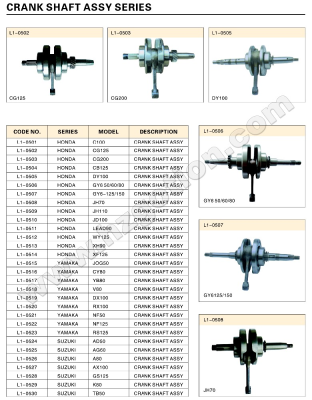


High Efficiency Large Inventory Reliable Performance Crank Shaft Crankshaft
$6.60 - $98.50
MOQ: 1 Pieces


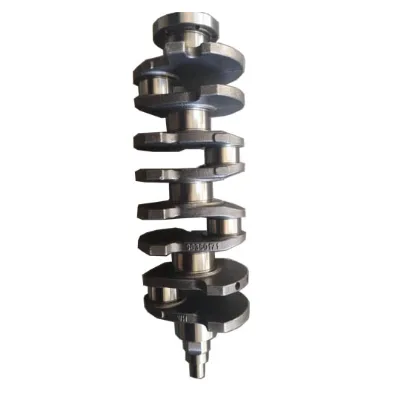


Diesel Engine Engine Parts Custom Made Crankshaft with CE Certification
$80.00 - $150.00
MOQ: 10 Pieces

Automobile Parts Engine Spare Parts Car Accessories Motorcycle Crankshaft
$80.00 - $150.00
MOQ: 10 Pieces

$15.00 - $20.00
MOQ: 100 Pieces



$10.00 - $100.00
MOQ: 10 Pieces


Factory Supply HOWO 371HP Engine Overhaul Part Crankshaft 161560020029
$514.00 - $590.00
MOQ: 1 Pieces

Daewoo Crankshaft 150107-00367s 65.02101-0064 for Excavator Dl08 Dl08s Engine
$800.00 - $1000.00
MOQ: 1 Pieces

Comprehensive Sourcing Guide
Da-Ewoo Crankshaft Sourcing Guide
Procurement professionals evaluating Da-Ewoo Crankshaft components must first recognize the diverse manufacturing origins and material compositions available in the current market. The observed supply base includes products originating from major industrial hubs such as Henan and Jiangsu, with materials ranging from cast iron to general iron alloys. Buyers should verify that the specific unit they select matches the intended engine application, as listings indicate availability for both diesel and gasoline engine types. This variation necessitates a careful review of the product model number against the engine specifications to ensure mechanical compatibility before placing any order.
Commercial terms for these components show significant flexibility, with observed minimum order quantities ranging from single items to batches of one hundred units. Pricing structures are equally variable, spanning from low-cost entry points up to premium pricing tiers, reflecting differences in customization levels and packaging standards. Sourcing teams must clarify whether the supplier offers standard packaging or requires custom wooden boxes and pallets, as these logistics factors directly impact the final landed cost. Understanding these baseline commercial variables is essential for accurate budgeting and supply chain planning.
Product Scope and Observed Listing Signals
The product scope for crankshaft procurement encompasses a wide array of model numbers designed for specific engine configurations, including single-cylinder applications and broader automotive uses. Listings frequently reference specific model identifiers such as 195-05006, 186fa, and X170F, which correspond to distinct engine families used in agricultural machinery, tractors, and light commercial vehicles. Buyers must cross-reference these model numbers with their existing equipment to avoid mismatches, as the same physical component may be listed under different identifiers depending on the supplier's catalog structure.
Market signals indicate that customization is a key differentiator, with some suppliers offering tailored solutions while others provide strictly standard components. The presence of "Customization: Available" alongside "Customizatin: No" in the same dataset highlights the need for explicit confirmation of requirements during the inquiry phase. Additionally, the industry focus often leans heavily toward agricultural applications, though listings also confirm suitability for car and truck use. Procurement specialists should prioritize suppliers who clearly define the scope of their customization capabilities to prevent scope creep or specification errors.
Technical Specifications to Verify
Technical verification begins with confirming the manufacturing technique, as the majority of observed listings specify casting as the primary production method. This process influences the grain structure and durability of the crankshaft, making it critical to ensure the casting quality meets the high-level standards required for heavy-duty diesel or gasoline engines. Buyers should request detailed metallurgical reports or material certificates to validate that the cast iron or iron composition aligns with the performance demands of the specific engine application.
Dimensional accuracy and component standardization are equally vital, with listings distinguishing between standard and non-standard components. The model numbers provided, such as Bedford J6330 or various BAJAJ and WAVE series identifiers, serve as critical reference points for verifying fitment. Procurement teams must ensure that the deck configuration, typically single in these listings, matches the engine block requirements. Furthermore, verifying the exact model number against the engine's displacement and cylinder count is necessary to guarantee that the crankshaft will function correctly under operational loads.
Compliance and Safety Documentation
Compliance documentation for crankshaft procurement must address a range of certifications, including ISO, RoHS, and CE, which are frequently cited in product listings. These certifications indicate adherence to international quality management systems and environmental standards, which are essential for exporting machinery to regulated markets. Buyers should explicitly request valid certification copies for each batch, as the presence of these marks on a listing does not guarantee that every individual unit in a shipment is certified.
Safety and quality assurance are further reinforced by warranty terms, which vary between 12 and 24 months depending on the supplier and product tier. A robust warranty period signals the manufacturer's confidence in the durability and reliability of the casting process. Procurement officers must ensure that the warranty covers specific failure modes related to material defects or manufacturing errors. Additionally, verifying that the product condition is listed as "New" and that the quality is rated as "High Level" provides a baseline assurance of safety and performance before the component enters the assembly line.
Cost Drivers and Commercial Terms
Cost drivers in the crankshaft market are heavily influenced by the level of customization and the specific packaging requirements chosen by the buyer. While standard packages and corrugated boxes are common, requests for wooden boxes or palletized shipping can significantly increase the unit cost and logistical complexity. Buyers must calculate the total cost of ownership, including these packaging variables, rather than focusing solely on the base unit price, which can range widely from one to two thousand dollars depending on the order volume and specifications.
Lead times and delivery terms also play a pivotal role in the commercial equation, with observed delivery windows spanning from seven to sixty days. This variability suggests that production schedules and raw material availability can fluctuate, requiring flexible supply chain planning. The port of dispatch, often listed as Ningbo, is a key factor in determining freight costs and transit times. Procurement teams should negotiate clear delivery timelines and penalty clauses for delays to mitigate the risk of production stoppages caused by late component arrivals.
Supplier Qualification and Quality Control
Supplier qualification requires a rigorous assessment of their production capabilities, particularly regarding their ability to maintain consistent quality across different engine types. The observed focus on agricultural and automotive sectors implies that suppliers must have experience handling diverse load requirements and operational environments. Buyers should verify the supplier's track record in producing components for specific models like the 195 or 186fa series to ensure they possess the necessary technical expertise and tooling.
Quality control processes must be validated through on-site audits or third-party inspection reports, focusing on the casting technique and final dimensional checks. Since the listings mention "Excellent Material" and "Reliable Performance" as advantages, these claims must be substantiated by actual test data or quality assurance protocols. Procurement teams should establish clear acceptance criteria for surface finish, hardness, and balance, ensuring that the supplier's internal quality checks align with the buyer's stringent requirements for high-level performance.
Long-Term Procurement Checks
Long-term procurement strategies for crankshaft components must include regular performance reviews and supplier re-evaluation cycles to ensure continued reliability. Given the warranty periods of 12 to 24 months, buyers should track field performance data to identify any recurring issues or premature failures that might indicate a systemic quality problem. Establishing a feedback loop with the supplier allows for continuous improvement and ensures that any deviations from the standard component specifications are addressed promptly.
Supply chain resilience is another critical consideration, as the observed lead times and origin locations suggest potential vulnerabilities in the logistics network. Buyers should diversify their supplier base to include manufacturers from different regions, such as those in Henan or Jiangsu, to mitigate risks associated with regional disruptions. Regular audits of the supplier's inventory levels and production capacity will help maintain a steady flow of components, ensuring that the procurement process remains stable and efficient over the long term.
FAQs
What certifications do the Da-Ewoo Crankshaft products hold?
The Da-Ewoo Crankshaft products hold ISO, RoHS, CE, and TSCE certifications. These standards ensure the cast iron components meet international safety and quality requirements for diesel and gasoline engines used in agricultural and automotive applications.
How long is the warranty period for these crankshafts?
The warranty period for these crankshafts is typically 12 to 24 months depending on the specific model. This coverage applies to new items manufactured with high-level quality standards and cast iron materials for reliable engine performance.
Can I request custom packaging for the Da-Ewoo Crankshaft?
Yes, custom packaging is available for the Da-Ewoo Crankshaft alongside standard options like wooden boxes or pallets. Buyers can choose from corrugated boxes or standard cartons based on their specific shipping and storage requirements for the single cylinder engines.
What is the delivery time for orders of these crankshafts?
The delivery time for orders of these crankshafts ranges from 7 to 60 days after payment confirmation. This lead time accounts for production and dispatch from ports like Ningbo, ensuring timely supply for various engine models including 195 and 186fa series.
Which engine types are compatible with these da ewoo crankshafts?
These da ewoo crankshafts are compatible with diesel and gasoline engine types. They are specifically designed for single cylinder applications found in cars, trucks, and tractors, ensuring excellent material quality and reliable performance across different industrial sectors.
What is the minimum order quantity for purchasing these crankshafts?
The minimum order quantity for purchasing these crankshafts ranges from 1 to 100 units. This flexible MOQ allows buyers to source single items or larger batches while accessing standard or customized packaging options for their specific business needs.