Source daewoo oil sump tank for Bus Station, Port, Wharf
Find 30 verified listings for the daewoo oil sump tank suitable for bus stations, ports, and wharves. Buyers can compare specifications, prices, and customization options from multiple suppliers to find the right component for their industrial needs; compare the available evidence and request quotations based on your requirements.
Key considerations
Products List










Comprehensive Sourcing Guide
Daewoo Oil Sump Tank Sourcing Guide
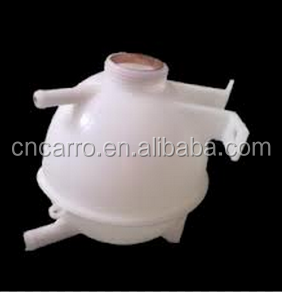
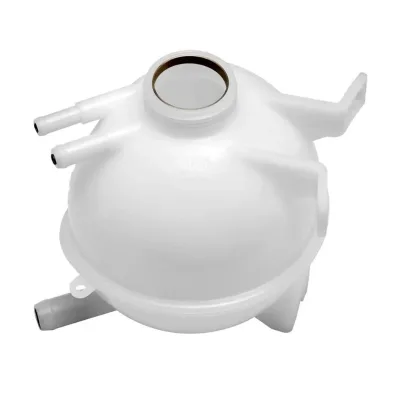
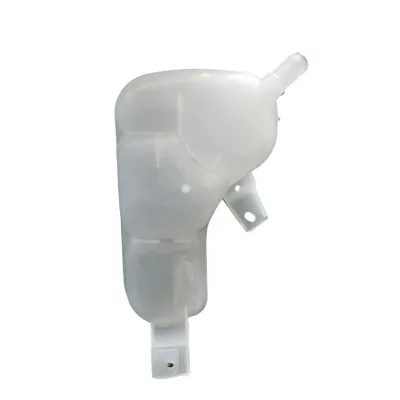
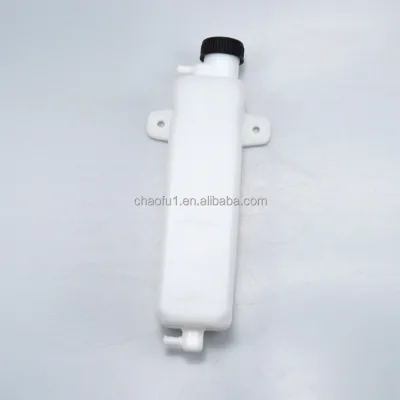
Procurement professionals seeking Daewoo oil sump tanks must first distinguish between genuine automotive expansion tanks and industrial fluid storage vessels, as the supplied market data reveals a mix of automotive parts and heavy-duty metal containers. While specific listings identify items as expansion tanks for GM Daewoo Opel with part numbers 96144775 and 1304614, other entries describe large-scale oil storage tanks for ports and wharves, indicating a need for precise keyword filtering to avoid sourcing industrial equipment for vehicle maintenance. Buyers should verify that the component is explicitly designed for the specific engine cooling or lubrication system of the target vehicle rather than a generic industrial application.
The observed product range includes items made from plastic and stainless steel, with some listings specifying a semi-automatic grade for manufacturing processes, which suggests variations in production quality and intended use. When sourcing these components, it is critical to confirm whether the item is an original part or a customized replacement, as the data indicates both "original part" quality claims and customizable options are available in the market. This distinction directly impacts the fitment and longevity of the tank within the Daewoo vehicle's specific hydraulic or cooling architecture, requiring careful review of the product description before placing an order.
Product Scope and Observed Listing Signals
Buyers must carefully analyze the listed volume capacities and material compositions to ensure the selected tank matches the vehicle's specific fluid requirements. The market data shows a wide spectrum of volumes ranging from 80L to 180L for industrial fryers and storage units, while automotive-specific listings focus on exact part numbers like 96144775 rather than generic volume measurements. This discrepancy highlights the risk of confusing industrial fluid reservoirs with automotive expansion tanks, necessitating a strict verification of the application field to ensure the product is suitable for a Daewoo engine bay rather than a commercial kitchen or port facility.
The packaging and shipping details provided in the listings offer further clues regarding the intended market segment and handling requirements for the product. Some entries specify carton packing with precise dimensions of 20x20x20 cm, while others mention stretch film or nude packaging for larger metal containers, reflecting the difference between small automotive parts and bulk industrial goods. Procurement teams should prioritize listings that explicitly state the application as GM Daewoo Opel and confirm the material is plastic or steel as appropriate for the specific tank type, ensuring the shipping method aligns with the fragility and size of the component.
Technical Specifications to Verify
Technical verification begins with confirming the exact model number and part compatibility, as the data lists specific identifiers like 96144775 and 1304614 alongside generic model codes such as JF-T001 or YN. Buyers must ensure the listed part number matches the vehicle's service manual exactly, as the presence of multiple model numbers in the search results suggests a mix of compatible aftermarket parts and unrelated industrial equipment. Relying solely on the brand name or general description without cross-referencing the specific OEM number can lead to the acquisition of a tank that does not fit the mounting points or fluid connections of the Daewoo vehicle.
Material composition and construction standards are equally critical, with the data indicating options in plastic, stainless steel, and general steel, alongside specific painting layers and customization options. For an oil sump or expansion tank, the material must be resistant to the specific fluids and temperatures encountered in the engine environment, requiring confirmation that the plastic or metal grade meets automotive durability standards. Buyers should also verify the automatic grade, noting that some listings describe semi-automatic production, which may influence the consistency of the manufacturing process and the final dimensional tolerances of the tank.
Compliance and Safety Documentation
Safety and compliance verification requires checking for recognized certifications such as CE, ISO, and RoHS, which are explicitly mentioned in the product data for certain industrial and automotive components. While these certifications indicate adherence to specific safety and environmental standards, buyers must confirm that the certification applies specifically to the automotive expansion tank and not just the industrial machinery or packaging materials listed in the same search results. The presence of IATF 16949:2016 certification is particularly relevant for automotive parts, as it signifies a quality management system tailored to the automotive industry, ensuring the supplier follows rigorous production controls.
Documentation regarding the warranty and service support is another essential compliance factor that buyers must scrutinize before finalizing a procurement decision. The observed data includes warranty terms of one year, with specific exclusions for man-made and wearing parts, which sets clear expectations for the coverage period and the types of defects that are covered. Additionally, the availability of overseas engineering services for machinery suggests that some suppliers offer technical support, but buyers must clarify if this service extends to automotive parts or is limited to large-scale industrial equipment to avoid gaps in post-purchase support.
Cost Drivers and Commercial Terms
Cost analysis for Daewoo oil sump tanks must account for the significant variation in minimum order quantities (MOQ) and supply capabilities observed in the market data. Listings show MOQs ranging from a single item to 50 pieces, with some suppliers claiming a supply ability of 10,000 pieces per day, which can drastically affect the unit price and the feasibility of small-batch procurement. Buyers should negotiate based on their specific volume needs, understanding that higher quantities may unlock better pricing tiers, while smaller orders might incur higher per-unit costs due to the fixed costs of production and packaging.
Commercial terms regarding delivery time and shipping methods are also key cost drivers that influence the total landed cost of the product. The data indicates delivery times as short as 1-7 working days and shipping options via sea or air, with dispatch ports located in various locations across China. Procurement teams must factor in the lead time and shipping method when calculating the total cost, as expedited air freight will increase expenses compared to standard sea shipping, and the proximity of the port of dispatch can impact transit times and associated logistics fees.
Supplier Qualification and Quality Control
Supplier qualification should focus on verifying the origin and manufacturing capabilities, as the data points to suppliers located in Anhui, China, with varying levels of customization and production automation. Buyers must assess whether the supplier has the capacity to produce original quality parts or if they are primarily offering customized alternatives, as the distinction affects the reliability and fitment of the tank. The presence of specific certifications like SGS and IATF 16949:2016 provides a baseline for quality assurance, but buyers should request additional documentation to confirm that the specific batch of tanks meets the required automotive standards.
Quality control measures must be established to ensure that the received products match the specifications and material requirements outlined in the purchase order. The data mentions attributes such as a three-layer painting process and customized colors, which may be relevant for industrial tanks but less so for internal automotive components. Buyers should implement incoming inspection protocols to verify the material integrity, check for defects in the plastic or steel construction, and confirm that the part numbers and dimensions align with the vehicle's requirements before the tanks are installed in the fleet.
Long-Term Procurement Checks
Long-term procurement strategies should include regular audits of supplier performance and product consistency to ensure ongoing reliability of the Daewoo oil sump tanks. Given the mix of original parts and customized options in the market, buyers must maintain a clear record of the specific part numbers and suppliers that have delivered satisfactory results over time. This historical data will help in identifying reliable sources for future orders and in avoiding suppliers who may have shifted their focus to industrial equipment or lower-quality alternatives.
Continuous monitoring of market trends and certification updates is essential to maintain compliance and quality standards as regulations evolve. Buyers should stay informed about changes in automotive safety standards and environmental regulations that might affect the materials or manufacturing processes used for these tanks. By maintaining a proactive approach to supplier management and quality assurance, procurement teams can mitigate risks associated with supply chain disruptions and ensure that the Daewoo fleet remains operational with high-quality, compliant components.
FAQs
What materials are used for daewoo oil sump tanks?
Manufacturers typically use stainless steel, steel, or plastic for these components. The material choice depends on the specific application and durability requirements. Some units are designed for fryers, while others serve as expansion tanks for automotive applications. Buyers should verify the material grade to ensure compatibility with their machinery or vehicle systems.
Can I customize the volume of the oil sump tank?
Yes, customization is available for volume specifications. Standard options include 80L, 100L, 120L, 150L, and 180L capacities. Buyers can also request custom volumes to fit specific machinery or storage needs. This flexibility allows for tailored solutions in industrial settings, ensuring the tank meets precise operational requirements without compromising structural integrity.
What certifications do daewoo oil sump tank suppliers hold?
Reputable suppliers often hold CE, ISO, and RoHS certifications. Additional standards may include IATF 16949:2016 and SGS verification. These certifications ensure compliance with international quality and safety regulations. Buyers should request valid certificates to verify that the manufacturing processes meet the required industry standards for durability and environmental safety.
What is the typical warranty period for these tanks?
The standard warranty is usually one year. However, this coverage often excludes man-made damage and wearing parts. Buyers should review the specific warranty terms provided by the supplier. Understanding these exclusions helps in planning maintenance schedules and avoiding unexpected costs for components that are subject to normal wear and tear during operation.
How long is the delivery time for orders?
Delivery times typically range from 1 to 7 working days. This rapid turnaround applies to many standard orders. However, lead times may vary based on customization requests or order volume. Buyers should confirm the exact delivery schedule with the supplier before placing an order to ensure it aligns with their production or operational timelines.
What is the minimum order quantity for these tanks?
The minimum order quantity varies by supplier and product type. Some items have an MOQ of 50 pieces, while others may start at 1 unit. Buyers should check the specific MOQ for their desired model. Understanding these thresholds helps in planning procurement strategies and negotiating better terms for larger bulk orders.