Source Dark Spot Corrector Facial Cream for Brightening and Moisturizing
Explore 30 listings for Dark Spot Corrector Facial Cream featuring ingredients like Vitamin C and Niacinamide. Buyers can compare OEM options, certifications, and packaging sizes from verified Chinese manufacturers to find suitable whitening and nourishing solutions.
Key considerations
Products List


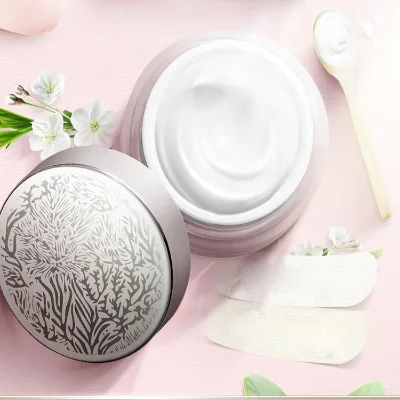
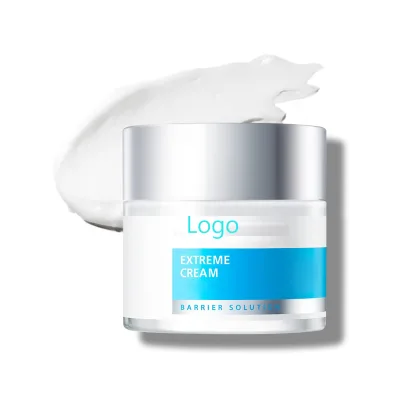


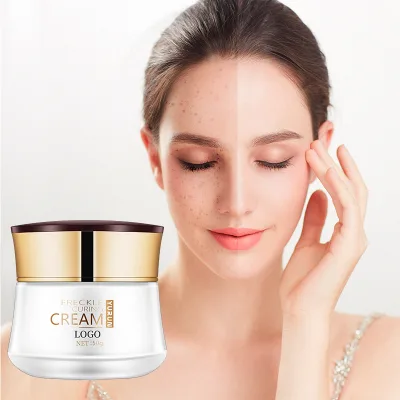
Beauty Cosmetics Dark Spot Corrector Whitening Body Lotion Cream for Skin Care
$1.40 - $1.80
MOQ: 100 Pieces
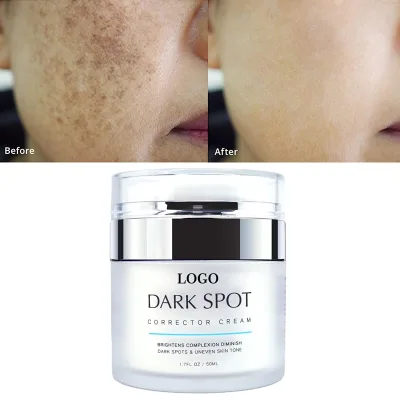
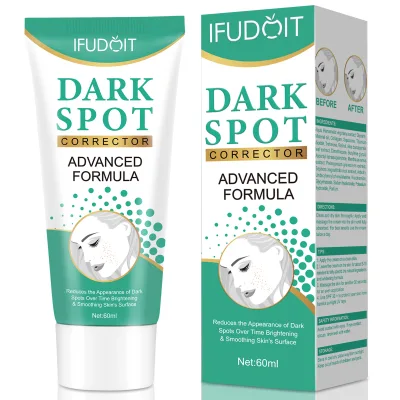
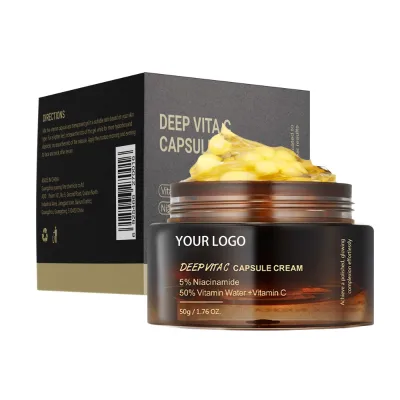
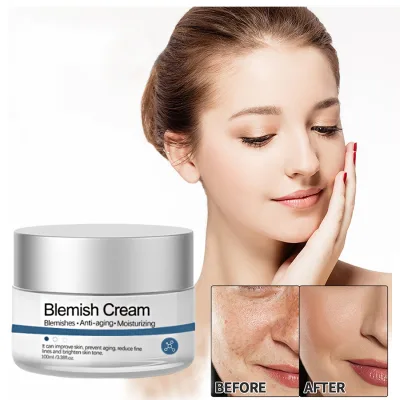
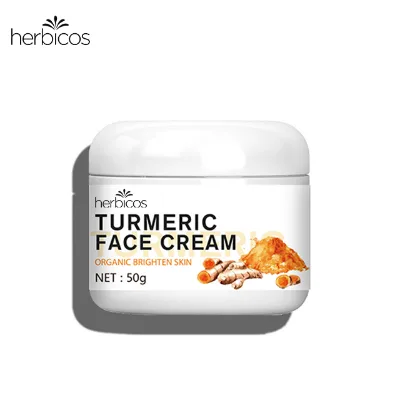
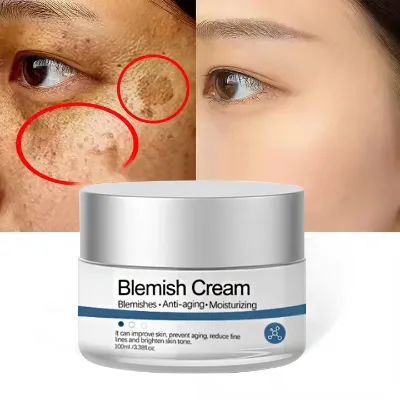
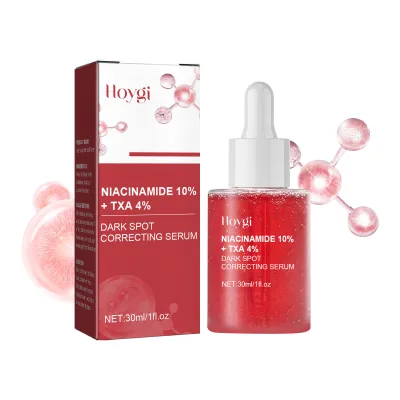
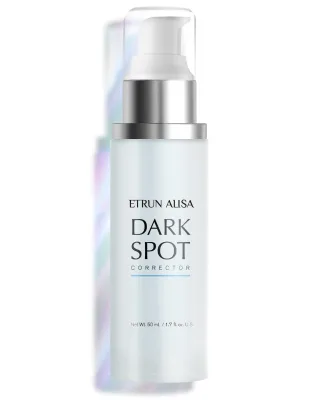


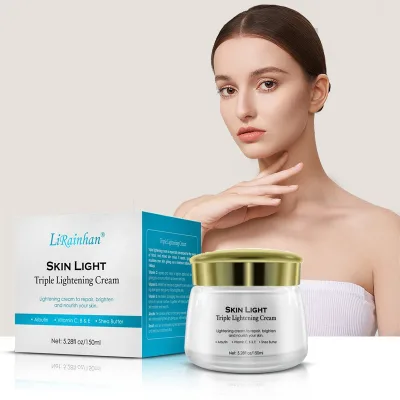
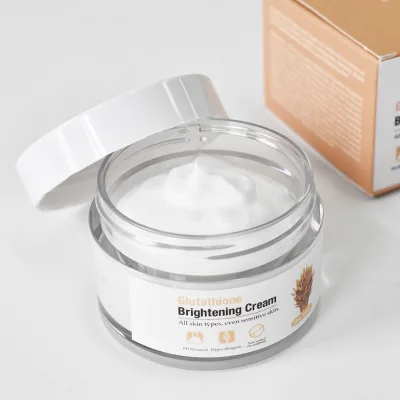


Comprehensive Sourcing Guide
Strategic Sourcing Guide for Dark Spot Corrector Facial Creams
Understanding Product Specifications and Formulation Diversity
When sourcing dark spot corrector facial creams, buyers must first navigate a complex landscape of product specifications and formulation ingredients. The market offers a wide array of active components designed to target hyperpigmentation, uneven skin tone, and age spots. Based on current market observations, effective formulations frequently rely on a combination of potent brightening agents. Key ingredients identified in high-performing products include Vitamin C, Niacinamide, Tranexamic Acid, Kojic Acid, Arbutin, and Alpha Hydroxy Acids (AHA). These components work synergistically to inhibit melanin production and accelerate cell turnover.
Beyond the primary actives, the base formulation plays a critical role in efficacy and skin compatibility. Many successful products incorporate moisturizing and nourishing agents such as Aloe Vera, Glycerin, Shea Butter, Hyaluronic Acid, and Emu oil. These ingredients ensure that the skin barrier remains intact while the active ingredients address pigmentation issues. Some formulations also include herbal extracts like Sophora flavescens, Green Tea, and Ginseng, which provide antioxidant benefits and soothe the skin. The physical form of the product is typically a cream, though some variations may exist. The texture and consistency are often tailored to specific skin types, ranging from combination skin to all skin types, ensuring broad market applicability.
Buyers should also note the variety in packaging sizes, which directly impacts logistics and target demographics. Standard volume offerings observed in the market include 30ml, 50ml, 60ml, 90ml, 100ml, 120ml, 200ml, and 500ml options. The choice of size often dictates the pricing strategy and the intended usage frequency, whether for daily home use or professional application. Additionally, the packaging itself can be customized, with options ranging from standard cartons to bespoke designs that align with brand identity. The net weight and gross weight of individual units are critical for calculating shipping costs, with typical single-item weights hovering around 0.500 kg depending on the volume and packaging density.
Compliance, Certification, and Regulatory Standards
Navigating the regulatory landscape is a non-negotiable aspect of sourcing facial creams, particularly those making efficacy claims like dark spot correction. In the global market, manufacturers often adhere to a suite of certifications to validate their quality and safety standards. Common certifications observed in the supply chain include CE, GMP (Good Manufacturing Practice), and MSDS (Material Safety Data Sheet). These documents serve as proof that the facility operates under strict hygiene protocols and that the product formulation has been assessed for safety.
GMP certification is particularly vital as it ensures that the product is consistently produced and controlled according to quality standards. This is essential for skincare products that come into direct contact with the skin, as it minimizes the risk of contamination and ensures batch-to-batch consistency. The presence of CE marking indicates conformity with health, safety, and environmental protection standards for products sold within the European Economic Area, though buyers should verify if this applies to their specific target markets. MSDS provides detailed information on the chemical composition of the product, including potential hazards and handling procedures, which is crucial for logistics and customs clearance.
Buyers must also verify the origin of the products, as manufacturing locations can influence regulatory compliance. Many suppliers are based in regions like Guangdong, China, which is a major hub for cosmetic manufacturing. While this region offers robust supply chains, buyers should ensure that the specific factory holds the necessary local and international certifications required for their destination markets. Furthermore, ingredient safety is paramount. Many modern formulations emphasize being Paraben-Free, Silicone-Free, Sulfate-Free, and Fragrance-Free to cater to sensitive skin concerns. Claims of being Cruelty-Free and Vegan are also significant differentiators in the current market, reflecting growing consumer demand for ethical sourcing.
Cost Drivers and Pricing Structure Analysis
The pricing of dark spot corrector facial creams is influenced by a multitude of factors, ranging from raw material costs to customization requirements. The observed price range in the market spans from approximately $0.65 to $10.00 USD per unit, though this variance is heavily dependent on the specific configuration of the order. Several key drivers contribute to this spread. First, the concentration and quality of active ingredients significantly impact the base cost. Formulations utilizing premium actives like high-purity Tranexamic Acid, specialized peptides, or organic extracts will command higher prices compared to those relying on standard ingredients.
Secondly, the level of customization is a primary cost determinant. Products offering OEM (Original Equipment Manufacturing) and ODM (Original Design Manufacturing) services allow buyers to tailor the formula, packaging, and branding. Customizing the logo, selecting specific packaging materials, or altering the scent profile adds to the production cost. The minimum order quantity (MOQ) also plays a critical role in pricing. Buyers can find suppliers with MOQs as low as 1 unit for sampling or small trials, while bulk orders may require quantities up to 3000 units. Generally, higher order volumes result in a lower unit price due to economies of scale in production and packaging.
Packaging complexity is another factor. Standard carton packaging is cost-effective, but custom-designed boxes, specialized bottles, or eco-friendly materials will increase the overall cost. Additionally, the net weight of the product affects the price; larger volumes like 200ml or 500ml units naturally cost more than 30ml travel sizes, though the cost per milliliter may decrease with size. Buyers should also consider the storage requirements, such as the need for cool, dry places, which might influence warehousing costs if the supply chain involves temperature-controlled logistics. Understanding these variables allows buyers to negotiate effectively and align their budget with their brand positioning.
Typical Applications and Target Market Segmentation
Dark spot corrector facial creams are designed for a variety of applications, primarily targeting consumers seeking to improve skin tone and texture. The primary application is for home use, where individuals apply the product daily as part of their skincare routine. These products are formulated to address specific concerns such as acne scars, sun spots, melasma, and general hyperpigmentation. The efficacy claims often include whitening, lightening, and skin revitalization, making them suitable for a wide demographic.
The target market is diverse, with products catering to different skin types and genders. While many formulations are marketed specifically towards females, the underlying need for pigmentation correction is universal. Products are available for combination skin, oily skin, dry skin, and all skin types, ensuring inclusivity. The age group targeted is predominantly adults, as hyperpigmentation issues often become more prominent with age due to sun exposure and natural aging processes. However, younger demographics concerned with acne marks may also be a significant segment.
In terms of usage, these creams are typically applied during the day, often under sunscreen, to protect the skin from UV rays which can exacerbate dark spots. Some formulations also include sunscreen properties, offering dual protection and treatment. The feature set of these products is extensive, covering benefits such as firming, pore shrinking, exfoliation, and anti-puffiness. This multi-functional approach appeals to consumers looking for comprehensive skincare solutions rather than single-purpose treatments. The versatility of these products allows them to be integrated into various skincare regimens, from basic moisturizing routines to advanced anti-aging protocols.
Supplier Evaluation and Manufacturing Capabilities
Evaluating suppliers for dark spot corrector facial creams requires a thorough assessment of their manufacturing capabilities, customization options, and track record. Buyers should prioritize suppliers that explicitly offer OEM and ODM services, as this indicates flexibility in adapting products to specific brand needs. The ability to customize the logo, packaging, and even the formula is a strong indicator of a supplier's capability to support a unique brand identity. Suppliers should be able to provide samples that reflect the exact specifications required, including the correct texture, color, and scent.
The production capacity and lead times are critical factors in supplier selection. While specific lead times vary, buyers should inquire about the time required to fulfill orders of different sizes, from small batches to large-scale production runs. The supplier's location, often in regions like Guangdong, China, should be considered in the context of logistics and import regulations. A supplier with a strong track record in exporting to the buyer's target market will likely have established processes for quality control and documentation.
Quality control systems are another vital area of evaluation. Buyers should ask about the supplier's internal testing protocols and how they ensure consistency across batches. The presence of certifications like GMP and CE is a good starting point, but buyers should also request recent test reports or audit results to verify compliance. The ability to handle custom packaging, such as specific carton sizes or bottle designs, demonstrates the supplier's logistical flexibility. Additionally, the supplier's responsiveness to inquiries and their willingness to collaborate on product development are key indicators of a reliable partnership.
Quality Control Protocols and Long-Term Procurement Strategy
Implementing robust quality control (QC) protocols is essential for maintaining product integrity and brand reputation. Buyers should establish clear QC checkpoints throughout the procurement process, from raw material inspection to final product packaging. Key areas to monitor include ingredient purity, microbial contamination levels, and packaging integrity. The storage conditions, such as keeping products in a cool, dry place, must be maintained throughout the supply chain to prevent degradation of active ingredients.
Long-term procurement strategies should focus on building a sustainable relationship with suppliers who can scale with the buyer's growth. This involves negotiating favorable terms for repeat orders, securing consistent pricing, and ensuring a reliable supply of raw materials. Buyers should also plan for product lifecycle management, considering how to update formulations or packaging to meet changing market trends and regulatory requirements.
To mitigate risks, buyers should diversify their supplier base and avoid over-reliance on a single source. This approach ensures continuity of supply in case of disruptions. Regular audits and performance reviews of suppliers can help maintain high standards and identify areas for improvement. Additionally, staying informed about regulatory changes in the target markets is crucial for long-term success. By proactively addressing compliance and quality issues, buyers can ensure that their dark spot corrector facial creams remain competitive and safe for consumers.
Comparative Analysis of Product Attributes
To facilitate informed decision-making, buyers can compare key product attributes across different suppliers or product lines. The following table highlights common variations in specifications that may influence procurement choices.
| Attribute | Option A | Option B | Option C |
|---|---|---|---|
| Primary Ingredients | Aloe Vera, Glycerin, Shea Butter | Vitamin C, Niacinamide, Tranexamic Acid | Turmeric, Lavender, Almonds |
| Packaging Size | 30ml, 50ml | 100ml, 200ml | 50ml, 120ml |
| Certifications | CE, GMP, MSDS | GMP, Cruelty-Free | CE, Organic |
| Skin Type | All Skin Types | Combination, Oily | Dry, Sensitive |
| Customization | Logo, Packaging | Formula, Packaging | Full OEM/ODM |
| Key Features | Moisturizing, Whitening | Anti-Aging, Firming | Nourishing, Revitalizing |
| Origin | Guangdong, China | Guangdong, China | China |
This comparison illustrates the diversity available in the market. Buyers should select options that align with their specific brand positioning and customer needs. Whether prioritizing natural ingredients, advanced actives, or specific skin type compatibility, the ability to customize and verify quality ensures a successful sourcing outcome.
FAQs
Can I customize the logo and packaging for Dark Spot Corrector Facial Cream?
Yes, logo and packaging customization are available for buyers. Suppliers accept OEM and ODM requests, allowing you to tailor the carton design and branding to your specific needs while maintaining the product's core formulation.
What certifications do manufacturers of Dark Spot Corrector Facial Cream hold?
Manufacturers typically hold CE, GMP, and MSDS certifications to ensure safety and quality. These standards verify that the facility operates under strict hygiene protocols and that the product formulation has been assessed for chemical safety and handling procedures.
Which ingredients are commonly found in Dark Spot Corrector Facial Cream?
Common ingredients include Vitamin C, Niacinamide, Tranexamic Acid, Kojic Acid, Aloe Vera, and Shea Butter. These components work synergistically to inhibit melanin production, moisturize the skin, and provide antioxidant benefits for effective pigmentation correction.
How much is the minimum order quantity for Dark Spot Corrector Facial Cream?
The minimum order quantity ranges from 1 to 3000 units depending on the supplier. Buyers can start with small samples as low as one unit, while bulk orders often require higher quantities to achieve lower unit prices through economies of scale.
What are the available packaging sizes for Dark Spot Corrector Facial Cream?
Available packaging sizes include 30ml, 50ml, 60ml, 90ml, 100ml, 120ml, 200ml, and 500ml. The choice of volume impacts pricing and logistics, with larger units generally costing more but offering a lower cost per milliliter for bulk buyers.
Where are Dark Spot Corrector Facial Cream products typically manufactured?
Products are primarily manufactured in China, specifically in regions like Guangdong. This location is a major hub for cosmetic manufacturing, offering robust supply chains and access to various suppliers with different customization capabilities and certifications.