Source Dashcam for Fleet Monitoring, Parking Security, and Driving Records
Explore 30 verified Dashcam options featuring dual lenses, GPS, and night vision. Buyers can compare specifications like 4K resolution, loop recording, and mobile app control to find suitable units for fleet monitoring, parking security, and driving records.
Key considerations
Products List


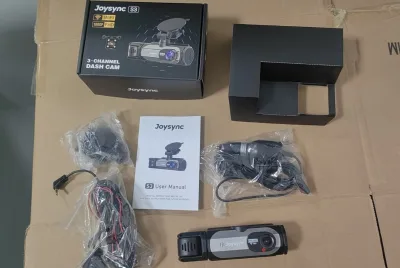
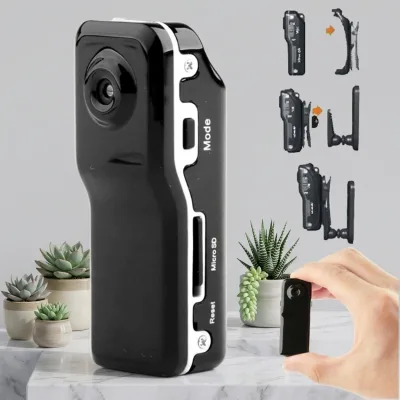
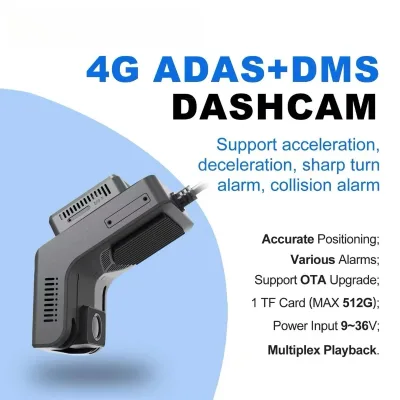
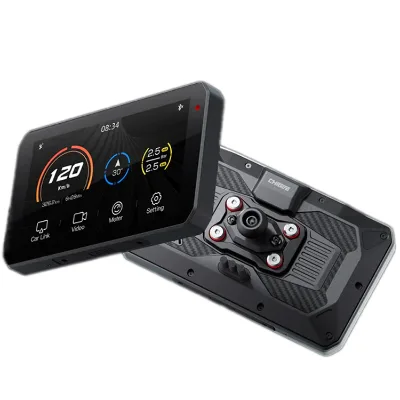
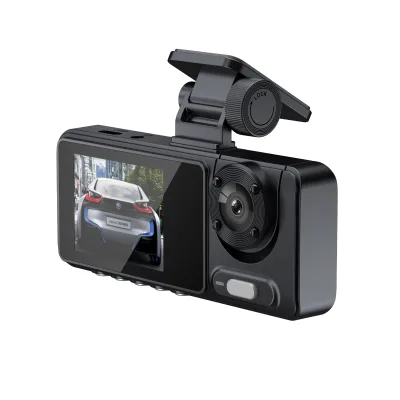
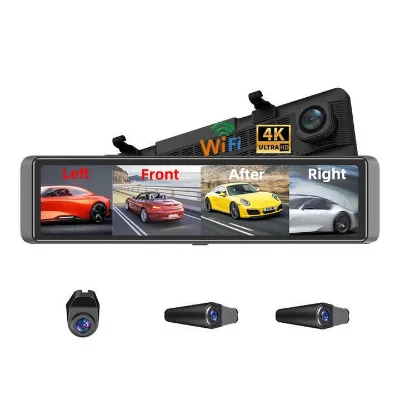
Comprehensive Sourcing Guide
Dashcam Sourcing Guide
Sourcing dashcams requires a nuanced understanding of the intersection between consumer electronics and automotive-grade durability. These devices serve as critical tools for fleet management, personal vehicle security, and insurance dispute resolution. Buyers must navigate a market where features like loop recording, G-sensor activation, and GPS tracking are standard, yet implementation quality varies significantly between manufacturers. The core value proposition lies in the device’s ability to provide indisputable video evidence during accidents, deter theft, and monitor driver behavior through data recording and fatigue warnings.
The procurement process is further complicated by the diversity of form factors and connectivity options available. From simple single-lens units to complex dual-lens systems with rear-view capabilities, the choice depends heavily on the specific use case. Whether for a personal sedan or a commercial trucking fleet, the Dashcam must withstand extreme temperatures, vibrations, and power fluctuations. Buyers need to establish clear technical requirements early in the sourcing process to avoid mismatches between supplier capabilities and operational needs, ensuring that the selected devices integrate seamlessly with existing fleet management software or personal mobile applications.
Product Scope and Observed Listing Signals
The current market landscape for dashcams is characterized by a wide range of functionalities and price points. Observed listings indicate a price range from approximately $2.71 to $598 USD, reflecting the disparity between basic entry-level models and high-end, feature-rich units. The minimum order quantity (MOQ) typically ranges from 1 to 500 units, offering flexibility for both small-scale retailers and large fleet operators. This variability allows buyers to test market demand with low-volume orders before committing to larger production runs, reducing initial inventory risk.
Key product attributes observed in the market include high-definition video resolution, wide-angle lenses, and advanced connectivity features. Many modern dashcams offer 2K or 4K resolution, ensuring clear capture of license plates and road signs. Features such as built-in Wi-Fi, GPS, and GSM connectivity enable real-time data transmission and remote monitoring via mobile apps. Additionally, the presence of dual-lens configurations, with angles ranging from 150° to 170°, provides comprehensive coverage of the vehicle’s interior and exterior. Buyers should verify these specifications against their specific operational requirements, as not all listed products may satisfy every attribute simultaneously.
Technical Specifications to Verify
When evaluating dashcams, resolution and lens angle are primary technical considerations. High-definition video, including 2K and 4K options, is essential for legal admissibility and detailed incident review. The field of view, often specified as 150°, 160°, or 170°, determines how much of the road is captured. A wider angle reduces blind spots but may introduce distortion at the edges. Buyers should request sample units to test video clarity under various lighting conditions, including night vision capabilities, which are critical for 24/7 monitoring and low-light environments.
Connectivity and storage solutions are equally important for data management and remote access. Built-in Wi-Fi allows for easy file transfer to smartphones, while 3G/4G or 5G SIM card slots enable live streaming and cloud storage for fleet vehicles. SD card support, with capacities up to 32G or higher, provides local backup. Buyers must verify the compatibility of the Dashcam with their existing infrastructure, including mobile apps and fleet management platforms. Additionally, features like loop recording, G-sensor emergency locking, and parking mode should be tested to ensure they function reliably during power interruptions or impacts.
Compliance and Safety Documentation
Regulatory compliance is a non-negotiable aspect of Dashcam procurement, particularly for international trade. Products must adhere to safety and electromagnetic compatibility standards in their target markets. Common certifications observed include CE, ROHS, UKCA, CCC, and EMC, which indicate conformity with European, UK, Chinese, and general electromagnetic standards. Buyers should request valid certification documents from suppliers and verify their authenticity with the issuing bodies. Non-compliant products can lead to customs delays, fines, or product recalls, making thorough documentation review essential.
Beyond product certifications, management certifications such as ISO and BSCI provide insight into the supplier’s operational practices. ISO certification indicates adherence to quality management standards, ensuring consistent product quality and process control. BSCI certification reflects compliance with social responsibility standards, including fair labor practices and safe working conditions. For buyers with strict corporate social responsibility policies, verifying these management certifications is crucial. Additionally, buyers should inquire about the supplier’s quality control processes, including incoming material inspection, in-process testing, and final product verification, to mitigate the risk of defective units.
Cost Drivers and Commercial Terms
The cost of dashcams is influenced by several factors, including resolution, lens count, connectivity options, and build quality. High-resolution 4K cameras with dual lenses and advanced features like GPS and GSM connectivity command higher prices. Conversely, basic models with single lenses and standard HD resolution are more cost-effective. Buyers should balance their budget with their functional requirements, avoiding over-specification for simple use cases or under-specification for critical applications. Understanding these cost drivers helps in negotiating better prices and selecting the most suitable products for specific needs.
Commercial terms, such as MOQ and payment conditions, also impact the total cost of ownership. Low MOQs allow for flexibility but may come with higher per-unit prices. Bulk orders typically offer volume discounts but require larger upfront investments. Buyers should negotiate favorable payment terms, such as partial payments or escrow services, to protect their interests. Additionally, lead times and shipping methods should be discussed to ensure timely delivery. Clear communication regarding warranty policies, return procedures, and after-sales support is essential to manage potential issues and maintain operational continuity.
Supplier Qualification and Quality Control
Supplier qualification is a critical step in ensuring the reliability and consistency of Dashcam supplies. Buyers should conduct thorough due diligence, including verifying the supplier’s business license, production capacity, and export experience. Requesting references from existing clients and conducting factory audits can provide valuable insights into the supplier’s operational capabilities and quality management systems. Suppliers with a proven track record in the automotive electronics industry are preferable, as they are more likely to understand the specific requirements and challenges of Dashcam manufacturing.
Quality control measures should be integrated into the procurement process to minimize defects and ensure product performance. Buyers should establish clear quality standards and inspection criteria, including video clarity, durability tests, and functional checks. Implementing pre-shipment inspections (PSI) or third-party quality control services can help identify and rectify issues before goods are dispatched. Additionally, buyers should request detailed product specifications and test reports from suppliers to verify compliance with agreed-upon standards. Continuous monitoring of supplier performance and feedback loops are essential for maintaining high-quality standards and fostering long-term partnerships.
Long-Term Procurement Checks
Long-term procurement success depends on continuous evaluation and adaptation to market changes. Buyers should regularly review supplier performance metrics, including on-time delivery rates, product quality, and responsiveness to issues. Establishing key performance indicators (KPIs) and conducting periodic supplier assessments can help identify areas for improvement and drive accountability. Additionally, staying informed about technological advancements and regulatory changes in the Dashcam industry is crucial for maintaining competitive advantage and compliance.
Building strong relationships with suppliers through open communication and collaborative problem-solving can enhance supply chain resilience. Buyers should engage in regular business reviews to discuss future needs, potential product improvements, and market trends. Exploring opportunities for co-development or customization can lead to unique product offerings that differentiate the buyer in the market. Furthermore, diversifying the supplier base can mitigate risks associated with single-source dependencies, ensuring continuity of supply even in the face of disruptions. By adopting a proactive and strategic approach to procurement, buyers can secure high-quality dashcams that meet their evolving business needs.
FAQs
What functions does the Dashcam offer for driving safety?
The Dashcam provides self-checking, identity recognition, and driving data recording. It includes over speed warning, fatigue driving warning, and accident recording and analyzing features. Additional capabilities include display, print, data communication, data input, and video storing for comprehensive monitoring.
Can I customize the Dashcam for specific business needs?
Yes, customization is available for this Dashcam product line. Buyers can request tailored solutions to meet specific operational requirements. This flexibility allows businesses to adapt the device features to their unique fleet management or security protocols effectively.
What is the screen size and resolution of the Dashcam?
The Dashcam features a 4.3-inch touch screen display. It records in high definition with a 12 million pixel camera resolution. Some models support 2k or 4k video resolution to ensure clear footage is captured during driving events.
Which certifications do the Dashcam products hold?
The products hold CE, ROHS, UKCA, CCC, and EMC product certifications. Management certifications include ISO and BSCI standards. These credentials ensure the devices meet international safety and quality requirements for global distribution and use.
How does the Dashcam handle video storage and memory?
The device supports SD card memory with a 32G capacity. It utilizes loop recording to overwrite old footage automatically. Additional connectivity options include built-in WiFi, 3G/4G/5G SIM cards, and USB for flexible data management and storage.
What is the minimum order quantity for purchasing dashcams?
The minimum order quantity ranges from 1 to 500 units depending on the specific model. Small orders are accepted, allowing buyers to test the product before committing to larger volumes. This flexibility supports both trial purchases and bulk procurement strategies.
Where are the Dashcam products manufactured and shipped from?
The products originate from China and are packed in standard packaging. They are designed for windshield placement and feature dual lenses with shockproof and waterproof capabilities. Night vision and GPS support are included in many models for enhanced performance.