Source Dashboard Frame Cover for Auto Industry, Household Appliances, and Car Instrument Control
Compare 30 verified listings for Dashboard Frame Cover options including ABS and aluminum alloy materials. Buyers can evaluate specifications, pricing, and customization services from suppliers in China for automotive and appliance applications.
Key considerations
Products List
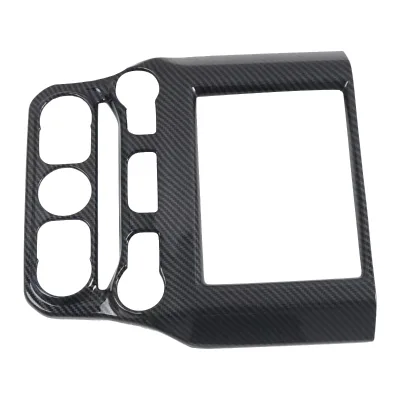


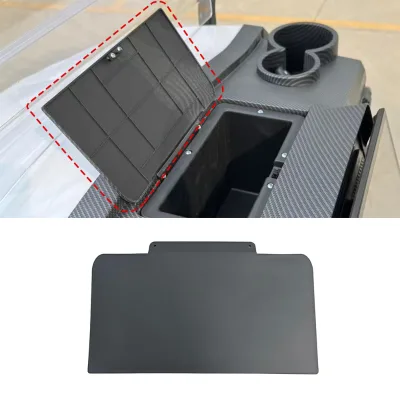
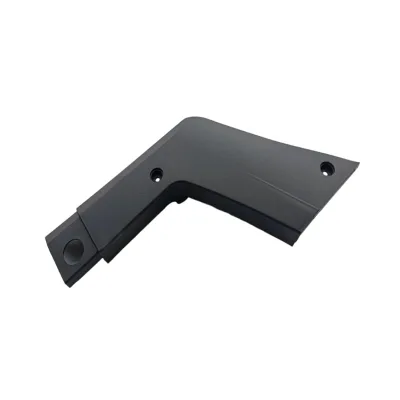
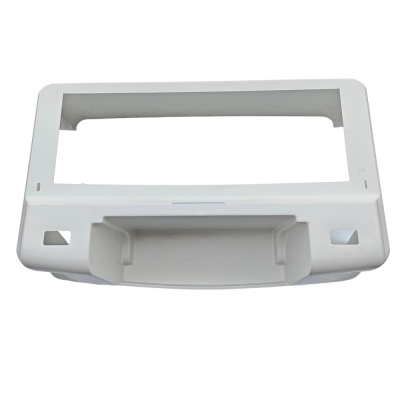
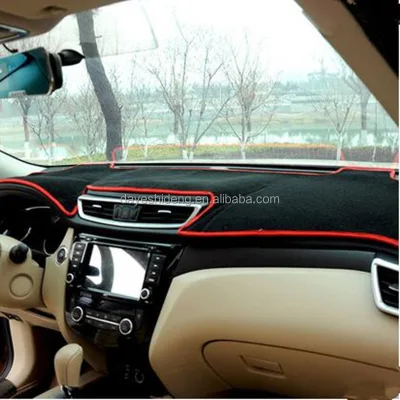


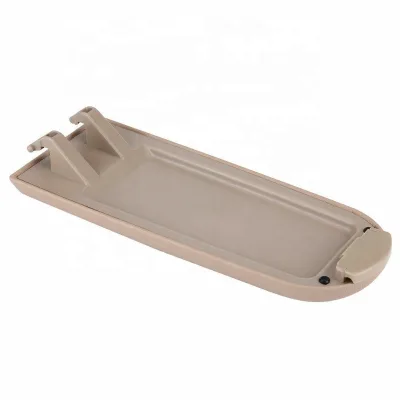
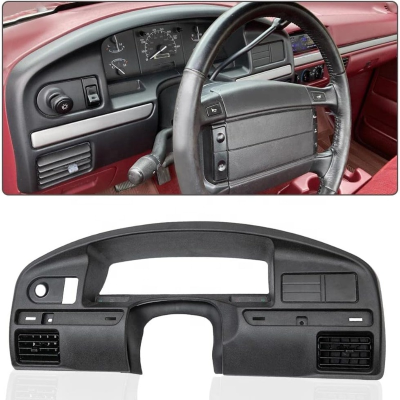
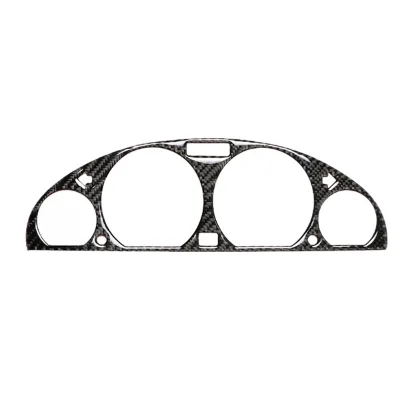
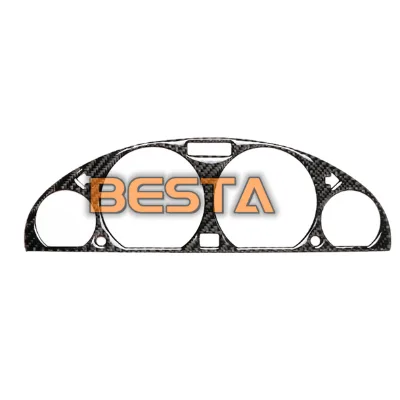
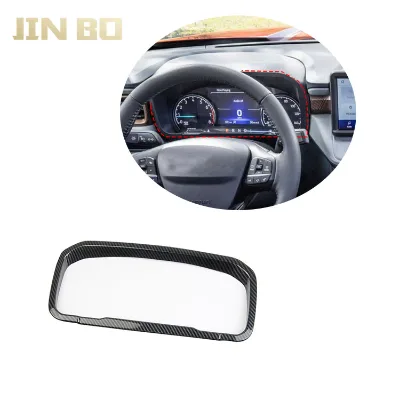
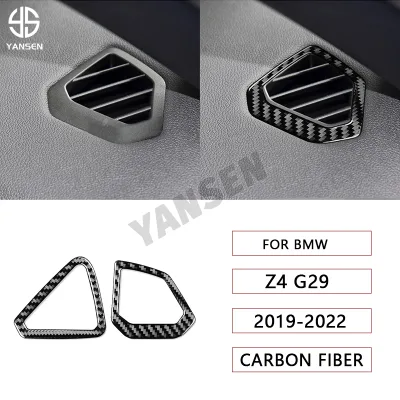
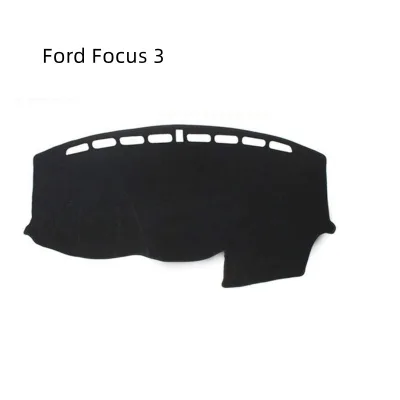

Comprehensive Sourcing Guide
Dashboard Frame Cover Sourcing Guide
Sourcing dashboard frame covers requires a nuanced understanding of both the aesthetic demands of automotive interiors and the rigorous technical constraints of modern vehicle manufacturing. These components serve as critical interface elements, bridging the gap between functional navigation systems and the broader cabin environment. Buyers must recognize that these parts are not merely decorative; they are structural trim pieces that must withstand thermal cycling, UV exposure, and mechanical stress while maintaining precise fitment. The procurement process involves balancing visual customization with material durability, ensuring that the final product meets the original equipment manufacturer’s (OEM) specifications for fit, finish, and function.
The market for dashboard frame covers is characterized by a high degree of customization, particularly in the automotive aftermarket and replacement sectors. Unlike mass-produced interior panels, these frames often require specific adaptations for different vehicle models, such as the Dodge Ram 1500, necessitating close collaboration with suppliers who offer OEM-standard tooling. Procurement teams must evaluate suppliers based on their ability to handle complex molding processes, such as In-Mold Labeling (IML) or In-Mold Decoration (IMD), which integrate decorative layers directly into the plastic substrate. This integration is essential for achieving the rich color patterns and scratch-resistant surfaces that modern consumers expect, making the supplier’s technical capability a primary selection criterion.
Product Scope and Observed Listing Signals
The product landscape for dashboard frame covers spans a wide range of price points and minimum order quantities (MOQs), reflecting the diversity of buyer needs from small-scale repair shops to large-scale assembly lines. Observed market data indicates a price range from approximately $1.60 to $3,800 USD, a variance that typically correlates with the complexity of the molding process, the volume of the order, and the specific vehicle application. For instance, standard replacement frames for popular models may carry lower unit costs due to economies of scale, whereas custom-designed panels for niche vehicles or those requiring advanced IML/IMD techniques will command higher prices. Buyers should interpret these price signals as indicators of the underlying manufacturing complexity rather than simple material costs.
Minimum order quantities also vary significantly, ranging from single units for prototyping or emergency repairs to thousands of pieces for full production runs. This flexibility allows buyers to align their procurement strategy with their inventory management goals. Low MOQ options are particularly valuable for testing new designs or fulfilling sporadic demand in the aftermarket sector, while higher MOQs often unlock better pricing tiers and prioritize production slots in the supplier’s factory. Understanding these signals helps buyers negotiate more effectively, as they can anticipate the supplier’s cost structure and determine the optimal order volume to balance cash flow with unit cost efficiency.
Technical Specifications to Verify
Material selection is the foundational technical consideration when sourcing dashboard frame covers, with Acrylonitrile Butadiene Styrene (ABS) being a prevalent choice due to its balance of strength, impact resistance, and moldability. Buyers must verify that the ABS grade used meets specific thermal and mechanical requirements for automotive applications, ensuring the frame will not warp or crack under the heat generated by dashboard electronics or external environmental conditions. Additionally, the plastic type should be confirmed as thermosoftening, which allows for efficient injection molding and recycling, aligning with modern environmental protection standards. The material’s compatibility with surface finishing techniques, such as powder spraying or mechanical polishing, is also critical for achieving the desired tactile and visual quality.
The manufacturing process significantly influences the final product’s durability and aesthetic appeal, with injection molding being the standard method for producing these frames. Advanced techniques like IML and IMD involve layering membrane, ink, and plastic structures to create surfaces that are resistant to wear and scratches while offering flexible design options. Buyers should verify the supplier’s capability in these processes, as they directly impact the product’s longevity and resistance to fading or peeling. Furthermore, the single package dimensions and gross weight, often around 29x29x7 cm and 1.000 kg respectively, are essential for calculating logistics costs and storage requirements, ensuring that the supply chain remains efficient from factory to end-user.
Compliance and Safety Documentation
Quality management systems are a critical indicator of a supplier’s reliability, with certifications such as ISO9001 and TS16949 serving as benchmarks for consistent manufacturing processes. These certifications demonstrate that the supplier adheres to strict quality control protocols, which is essential for producing dashboard frames that meet automotive industry standards for precision and safety. Buyers should request current certification documents to verify that the supplier’s quality management system is active and covers the specific production lines for dashboard components. This verification step reduces the risk of receiving defective parts and ensures that the supplier has the infrastructure to handle large-scale production with consistent quality.
Environmental compliance is another key area of documentation, particularly as automotive manufacturers increasingly prioritize sustainable sourcing. Buyers should confirm that the materials and processes used in the production of dashboard frames align with environmental protection standards, such as the use of recyclable thermosoftening plastics and non-toxic inks in IML processes. The supplier’s ability to provide material safety data sheets (MSDS) and compliance with regional environmental regulations, such as REACH or RoHS, is essential for global supply chains. Ensuring that the product is labeled as environmentally friendly and that the production process minimizes waste helps buyers meet their own corporate sustainability goals and regulatory obligations.
Cost Drivers and Commercial Terms
Payment terms and delivery timelines are pivotal factors in the commercial negotiation of dashboard frame covers, with standard practices often involving Telegraphic Transfer (T/T) and lead times ranging from 15 to 30 days. These terms reflect the complexity of the manufacturing process, which includes design, tooling, molding, and finishing stages. Buyers should negotiate payment structures that align with production milestones, such as a deposit for order confirmation and the balance upon shipment, to mitigate financial risk. Understanding the lead time is crucial for inventory planning, as delays in production can disrupt assembly lines or delay aftermarket repairs, making clear communication about production schedules essential.
The cost structure is also influenced by the level of customization required, with standard OEM parts generally being more cost-effective than fully custom designs. Buyers should assess whether their design requirements can be met with existing tooling or if new molds are necessary, as custom tooling adds significant upfront costs. Additionally, the choice of packaging, whether standard shipping packaging or customized solutions, can impact logistics costs and product protection during transit. Buyers should evaluate the total landed cost, including shipping, insurance, and potential tariffs, to ensure that the final price aligns with their budget and market positioning.
Supplier Qualification and Quality Control
Supplier qualification extends beyond certifications to include an assessment of their production capabilities and quality control processes. Buyers should verify the supplier’s experience in producing dashboard panels for specific vehicle models, such as the Dodge Ram 1500, to ensure they have the necessary expertise and tooling. The supplier’s ability to handle both OEM and ODM projects indicates flexibility and technical proficiency, which is valuable for buyers seeking custom solutions. Additionally, the supplier’s location, such as Guangdong or Dalian in China, can impact logistics efficiency and communication, with proximity to major ports often reducing shipping times and costs.
Quality control measures should be rigorously evaluated, including the supplier’s in-process inspection protocols and final product testing procedures. Buyers should request samples to verify the fit, finish, and durability of the dashboard frames, paying close attention to the alignment of the IML/IMD layers and the structural integrity of the ABS material. The supplier’s willingness to accommodate third-party inspections or provide detailed quality reports is a strong indicator of their commitment to quality. Establishing a clear quality agreement that defines acceptable tolerances and defect rates helps prevent disputes and ensures that the delivered products meet the buyer’s specifications.
Long-Term Procurement Checks
Long-term procurement success depends on establishing a robust relationship with suppliers who can support continuous improvement and scalability. Buyers should regularly review supplier performance metrics, including on-time delivery rates, defect rates, and responsiveness to issues, to identify areas for improvement. Regular audits of the supplier’s production facilities and quality management systems help ensure that standards are maintained over time. Additionally, buyers should engage in collaborative planning to anticipate demand fluctuations and adjust production schedules accordingly, ensuring a stable supply of dashboard frame covers.
As automotive trends evolve, buyers must stay informed about changes in design preferences, material technologies, and regulatory requirements. This includes monitoring advancements in IML/IMD techniques and sustainable materials that may offer improved performance or environmental benefits. Buyers should encourage suppliers to innovate and provide updates on new product developments that could enhance their offerings. By maintaining open communication and fostering a partnership based on mutual growth, buyers can secure a reliable supply of high-quality dashboard frame covers that meet the evolving needs of the market.
FAQs
What material is used for the Dashboard Frame Cover?
The Dashboard Frame Cover is made of ABS plastic. This material is processed using injection molding to ensure a durable and flexible design suitable for automotive applications.
Which car models does this dashboard cover fit?
This product is specifically designed for the Dodge Ram1500 2019-2020 models. It serves as a replacement or repair part for the vehicle's dashboard panel.
Can I customize the dashboard cover design?
Yes, customization is available for this product. Buyers can request specific designs or specifications, and the manufacturer accepts both OEM and ODM custom orders.
What is the minimum order quantity for this item?
The minimum order quantity is 50 pieces. However, the product listing also indicates that low MOQ options may be available depending on the specific supplier arrangement.
How long does delivery take for this product?
The delivery time ranges from 15 to 30 days. This lead time applies to the production and shipping process after the order is confirmed.
What certifications do the manufacturers hold?
The manufacturers hold ISO9001 and TS16949 certifications. These standards ensure quality management and specific requirements for automotive industry production processes.
Where is the product manufactured?
The product originates from Guangdong, China. Some related listings also indicate Dalian, China as a production origin for similar dashboard panel services.