Source DDS Programmable Waveform Generator for Testing
Explore 30 available units of the DDS Programmable Waveform Generator designed for electronics testing, battery analysis, and communication system development. Buyers can compare specifications like frequency, sampling rate, and modulation options across multiple models from verified Chinese manufacturers; compare the available evidence and request quotations based on your requirements.
Key considerations
Products List


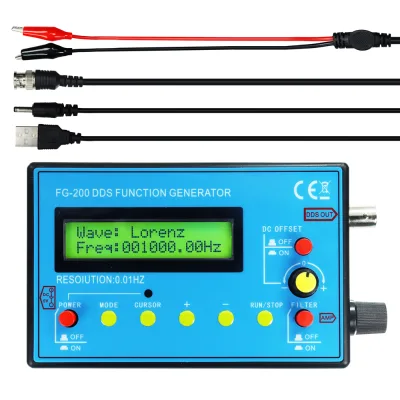


High Quality Arbitrary Waveform Dual Channel Low Frequency Signal Generator
$2800.00 - $20000.00
MOQ: 1 Pieces

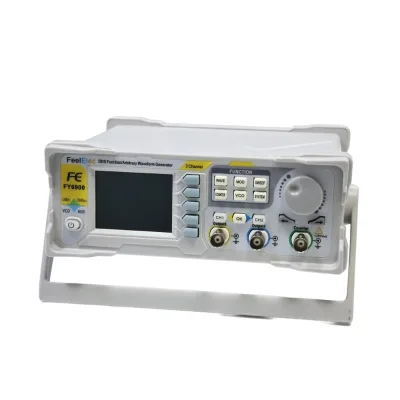
FY6900 DDS Waveform Generator with AM FM PM ASK FSK PSK Modulation Types
$90.25 - $195.00
MOQ: 1 Minimum


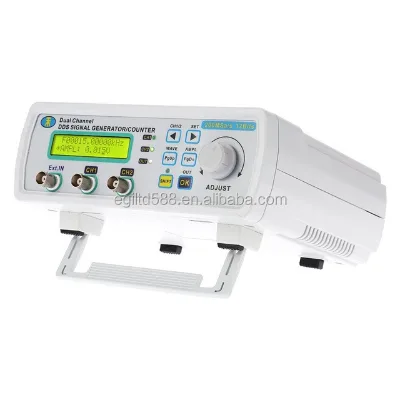
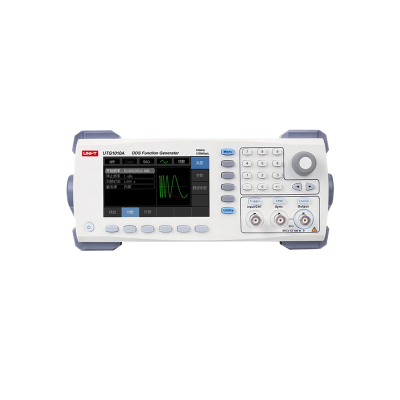
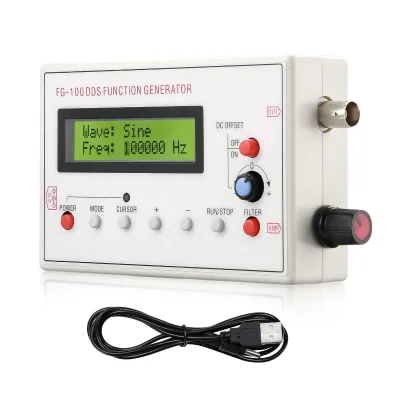
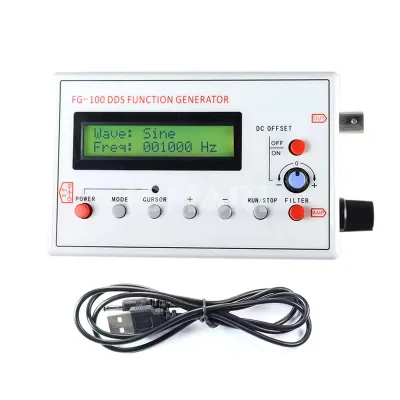
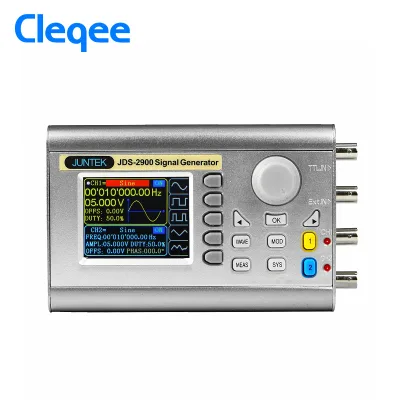
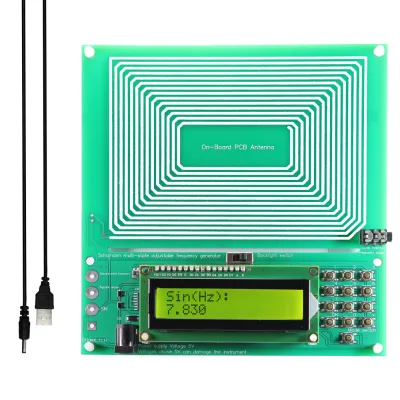
Comprehensive Sourcing Guide
DDS Programmable Waveform Generator Sourcing Guide
The DDS Programmable Waveform Generator serves as a critical instrument for generating precise sine, square, and arbitrary waveforms in R&D and manufacturing environments. These devices are essential for testing communication systems, characterizing electronic components, and validating signal integrity in complex circuits. Buyers must distinguish between general function generators and high-performance arbitrary waveform generators, as the latter offers superior frequency resolution and phase noise characteristics required for advanced applications.
Procurement decisions should prioritize the specific modulation capabilities and sampling rates that align with the intended test scenarios. The market offers units capable of Am, FM, FSK, and PSK modulation, alongside pulse generation for digital logic testing. Understanding the distinction between single-channel and multi-channel configurations is vital, as some models support up to four channels simultaneously, enabling parallel testing of multiple device under test points without additional hardware investment.
Product Scope and Observed Listing Signals
Current market listings indicate a diverse range of models, from the TFG2922A series to the TFG3605 and Su3630 variants, each catering to different frequency and resolution needs. The observed price spectrum spans from approximately 9.8 USD to 20,000 USD, reflecting significant variations in performance metrics such as maximum frequency, vertical resolution, and memory depth. Buyers should carefully correlate the listed price with the specific technical requirements, noting that high-end models often feature 14-bit vertical resolution and sample rates reaching 1.2 Gsa/s.
Listing signals also reveal variations in physical dimensions and packaging, with standard units often shipped in cartons measuring roughly 363x154x327 mm or larger for multi-channel systems. Some specialized units, such as those designed for lithium-ion battery testing, may have distinct form factors and digital display interfaces. It is crucial to verify the exact model number against the provided specifications, as dimensions and weight, such as the 4.2 kg standard for certain function generators, directly impact shipping logistics and rack-mount compatibility.
Technical Specifications to Verify
When evaluating technical performance, the maximum frequency capability is a primary constraint, with observed ranges extending up to 1500 MHz for high-end arbitrary waveform generators and 400 MHz for standard function generators. Buyers must verify the sampling rate, as values like 50 MSa/s or 250 MSa/s determine the fidelity of complex waveforms, while 1.2 Gsa/s enables the generation of high-speed digital signals with minimal distortion. The vertical resolution, typically 10 bits for basic models and 14 bits for advanced units, dictates the amplitude precision and dynamic range available for sensitive measurements.
Interface connectivity and modulation options further define the utility of the instrument for specific workflows. Essential interfaces include USB Device, RS-232, LAN, and WiFi, with some models offering GPIB for legacy system integration. Modulation support should be confirmed for specific needs, such as Am, FM, FSK, PSK, or pulse modulation, while sweep modes like linear and logarithmic are critical for frequency response testing. Additionally, the presence of options like TCXO, power amplifiers, or IoT interfaces can significantly enhance the generator's versatility in automated test environments.
Compliance and Safety Documentation
Regulatory compliance is a non-negotiable aspect of sourcing electronic test equipment, with CE, RoHS, and ISO9001 certifications appearing as standard markers for reputable manufacturers. These certifications ensure that the product meets international safety standards for electrical equipment and restricts the use of hazardous substances, which is particularly important for devices intended for use in European markets or global supply chains. Buyers should request valid certification documents to verify that the specific batch of equipment adheres to these standards before finalizing any purchase.
Safety documentation must also address the operational limits of the device, including power ranges and phase noise specifications that affect signal integrity and user safety. For instance, units with a power range of -120 dBm to +13 dBm and phase noise between -90 dBc and -115 dBc require careful handling to prevent signal overload or equipment damage. Ensuring that the product origin is clearly documented, typically from China for these specific models, helps in tracing the supply chain and verifying that the manufacturing process adheres to the claimed quality standards.
Cost Drivers and Commercial Terms
The total cost of ownership is influenced by several factors beyond the base unit price, including customization options, OEM/ODM services, and the inclusion of specialized accessories. Models offering customization or specific options like frequency counters and power amplifiers will command higher prices, reflecting the additional engineering and component costs involved. Buyers should evaluate whether the base model meets their needs or if the investment in a customized solution provides sufficient long-term value through enhanced functionality and reduced need for external add-ons.
Commercial terms such as Minimum Order Quantity (MOQ) and lead times are critical for supply chain planning, with observed MOQs ranging from 1 to 5 units. While some suppliers may offer flexible terms for single-unit purchases, larger orders might trigger volume discounts or require longer lead times for production and shipping. The packaging standard, typically a carton, should be verified to ensure it provides adequate protection during transit, especially for sensitive electronic instruments that may be subject to vibration or impact during international shipping.
Supplier Qualification and Quality Control
Supplier qualification should focus on the manufacturer's ability to provide consistent quality and after-sales support, evidenced by their adherence to ISO9001 standards and the availability of OEM/ODM services. A qualified supplier will demonstrate a robust quality control process that ensures each unit meets the specified technical parameters, such as the 1ppm accuracy and 3Hz resolution observed in high-performance models. Buyers should request evidence of their quality management systems and inquire about their procedures for handling defective units or providing technical support.
Quality control extends to the verification of product attributes like weight, dimensions, and interface compatibility before shipment. Suppliers should provide detailed inspection reports confirming that the delivered units match the ordered specifications, including the correct model number and configuration. For complex systems, it is advisable to conduct a pre-shipment inspection or request a video demonstration of the unit's operation to ensure that all features, such as the 165 kinds of waveforms and burst modes, function as advertised.
Long-Term Procurement Checks
Establishing a long-term procurement strategy requires regular audits of supplier performance and product reliability over time. Buyers should monitor the consistency of product specifications, such as the 16-bit amplitude resolution and 32 Mpts memory depth, to ensure that future orders match the initial purchase quality. Maintaining a relationship with a supplier who offers customization and OEM services can facilitate future upgrades or modifications, ensuring that the equipment remains compatible with evolving testing requirements and technological advancements.
Continuous verification of compliance and safety documentation is essential to maintain regulatory adherence and operational safety. Buyers should periodically review the certification status of their equipment, ensuring that any updates to international standards are reflected in the product design and manufacturing process. Additionally, tracking the performance of the instruments, such as phase noise and frequency stability, helps in identifying potential degradation or the need for recalibration, thereby extending the useful life of the investment and maintaining high standards of test accuracy.
FAQs
What models are available for DDS Programmable Waveform Generator units?
Available models include TFG2922A, TFG2924A, TFG2932A, TFG2934A, TFG2942A, TFG2944A, TFG3605, TFG3610, TFG3615, Su3630, TFG6803, TFG6806, and TFG6810. These units support sine wave and function signal generation with varying frequency ranges up to 1500MHz. Buyers can select specific models based on required sampling rates and channel configurations for their testing needs.
Can I customize DDS Programmable Waveform Generator specifications for my project?
Yes, customization is available for these units, including OEM and ODM services. Buyers can request specific interfaces like USB, LAN, or WiFi, and options such as GPIB or frequency counters. Customized packaging and specific technical parameters can be arranged to meet unique application requirements, ensuring the equipment fits seamlessly into existing workflows.
What certifications do these dds programmable waveform generators hold?
These generators typically hold CE, RoHS, and ISO9001 certifications. These standards ensure compliance with international safety and environmental regulations. Buyers relying on certified equipment can trust that the manufacturing processes and product safety meet established global benchmarks, facilitating smoother integration into regulated industries and reducing compliance risks during procurement.
What is the typical packaging for DDS Programmable Waveform Generator shipments?
The standard packaging for these units is carton packaging. This method protects the equipment during transit and storage. Buyers should expect dimensions around 392x452x272 mm or similar sizes depending on the specific model. Proper packaging ensures the sensitive electronic components remain secure and undamaged upon delivery to the final destination.
Which interfaces are supported by DDS Programmable Waveform Generator devices?
Supported interfaces include USB Device, RS-232, USB Host, LAN, and WiFi. Some models also offer GPIB options. These diverse connectivity choices allow for flexible integration with various control systems and computers. Buyers can select the interface that best matches their laboratory or production environment for efficient data transfer and control.
What is the origin of these DDS Programmable Waveform Generator products?
These products originate from China. This location is a major hub for electronic test equipment manufacturing. Buyers sourcing from this region can access a wide variety of models and specifications. The origin indicates the supply chain base, which may influence logistics planning and lead times for international shipments and distribution networks.