Source Decorative Casting Table Bell for Garden, Bar, and Club
Find 30 Decorative Casting Table Bell options from Chinese manufacturers. Compare models like EDDB069 and S0223, featuring cast iron and metal materials with antique finishes for garden, bar, and club applications; compare the available evidence and request quotations based on your requirements.
Updated
Key considerations
Products List
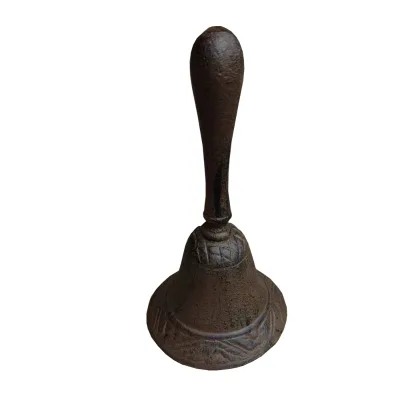
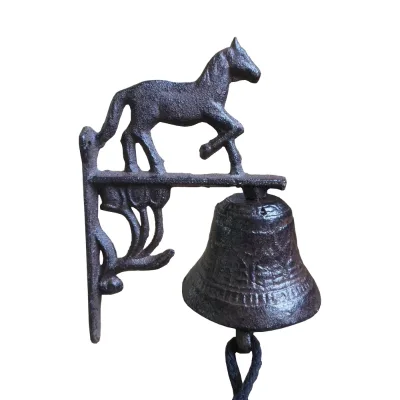
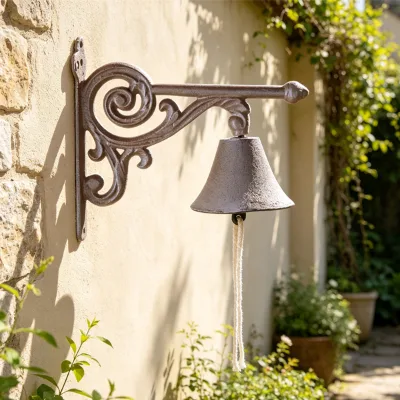
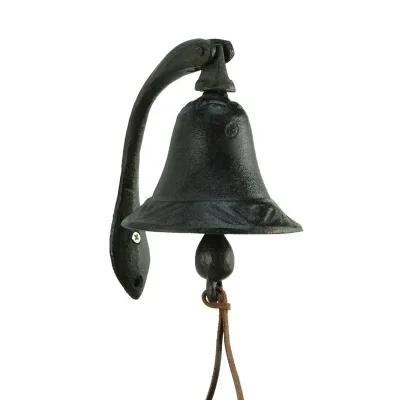
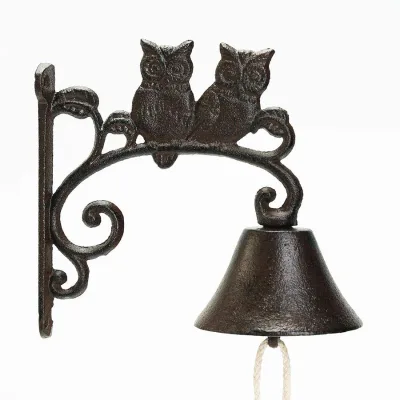
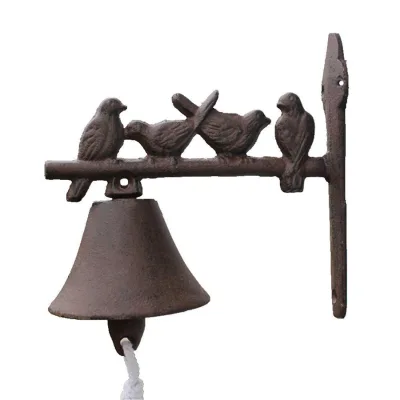
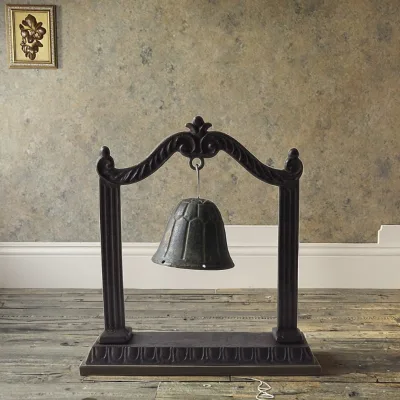
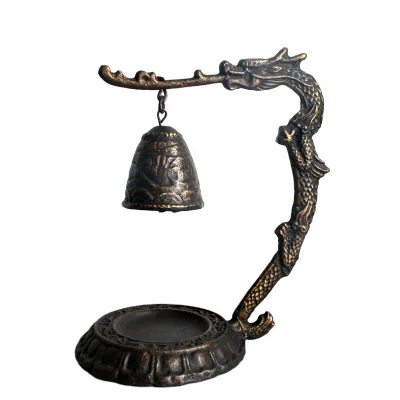
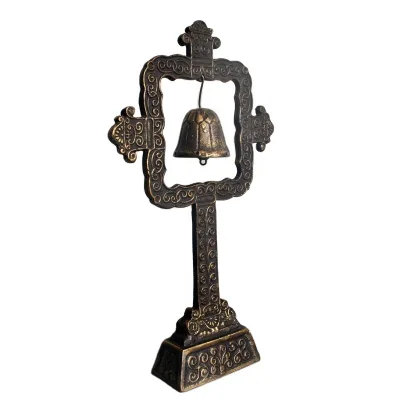
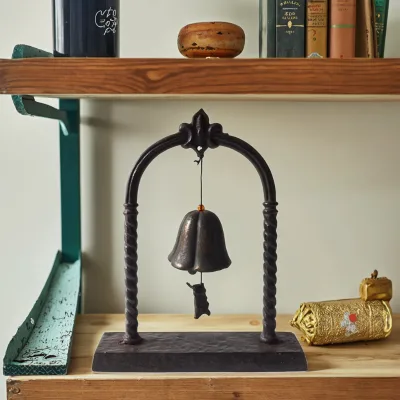
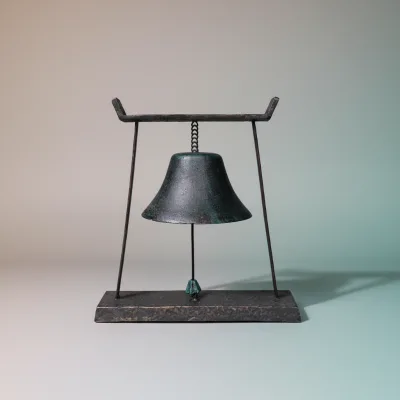
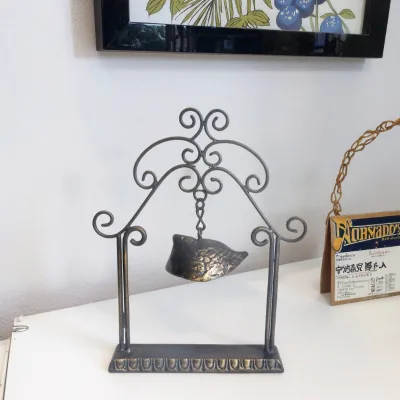

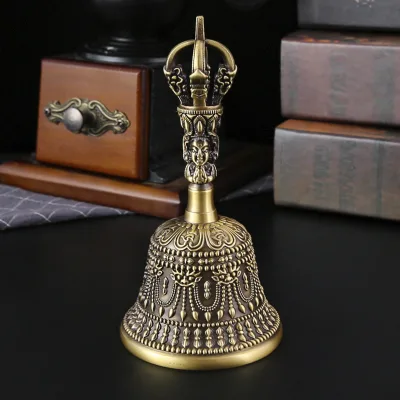
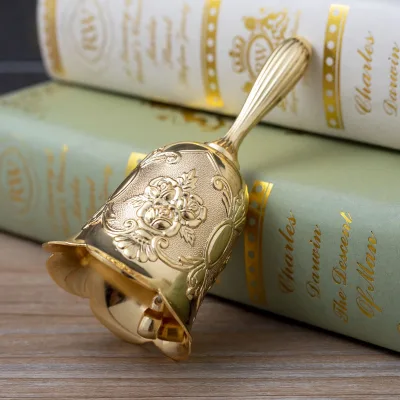
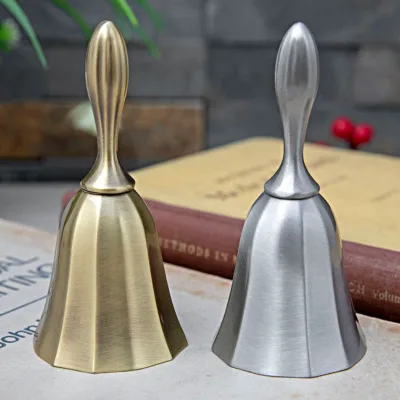


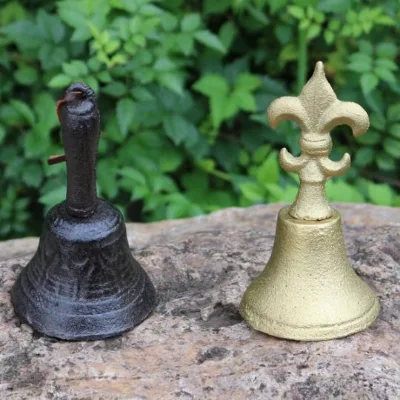
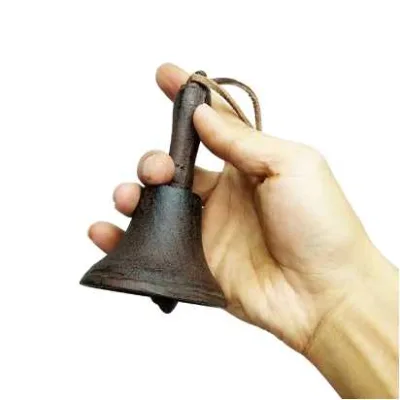
Factory Price Antique Brass Casting Bell for Sale Outdoor Metal Bronze Bell for Sale
$500.00 - $3800.00
MOQ: 1 Pieces



Comprehensive Sourcing Guide
Decorative Casting Table Bell Sourcing Guide
Sourcing decorative casting table bells requires a nuanced understanding of material integrity, aesthetic finish, and functional reliability. These items serve as both auditory signals and visual accents, often blending vintage charm with modern utility. Buyers must distinguish between mass-produced imitations and genuine cast iron or metal pieces that offer durability and weight. The market offers a wide spectrum of designs, from animal-themed ornaments to minimalist geometric shapes, each demanding specific quality checks. Understanding the distinction between handcrafted details and machine-stamped finishes is critical for maintaining brand reputation. Procurement teams should prioritize suppliers who provide transparent material specifications and consistent surface treatments to ensure the final product meets the expected tactile and visual standards.
The procurement process involves evaluating multiple variables, including origin, packaging, and customization capabilities. Many suppliers offer OEM and ODM services, allowing for tailored branding and design modifications. However, this flexibility comes with increased complexity in quality control and lead time management. Buyers need to assess whether the supplier’s infrastructure supports small-batch customization or large-scale production without compromising quality. Additionally, the place of origin can influence material sourcing and manufacturing techniques. For instance, regions known for metalworking may offer superior casting quality, while others might focus on cost-effective assembly. It is essential to verify these operational details early in the sourcing journey to align supplier capabilities with project requirements and budget constraints.
Product Scope and Observed Listing Signals
The current market landscape for decorative casting table bells reveals a diverse range of product attributes and listing signals. Observed listings indicate a price range from $0.6 to $4000, reflecting significant variation in material quality, craftsmanship, and brand positioning. Minimum order quantities (MOQs) typically span from 1 to 3000 pieces, catering to both sample buyers and large-scale distributors. Key product names include "cast iron door bell" and "home decor sculpture," suggesting a hybrid use case that bridges functional doorbells with static decorative ornaments. Brands such as EdenHome and Megbond appear in the data, offering insights into market players. These listings often highlight features like "handmade" craftsmanship, "antique brown" or "black" colors, and specific model numbers like EDDB069 and S0223, which help in tracking specific SKUs and verifying product consistency across orders.
Further analysis of listing signals shows a strong emphasis on aesthetic themes and installation methods. Products are frequently described with themes such as "Animal" or "Vintage," and styles like "Irregular" shapes, appealing to niche interior design markets. Installation is predominantly "Wall Mount," indicating that while marketed as table bells, many units are designed for fixed placement. The application scope extends beyond residential use to include "Garden, bar, club," suggesting versatility in commercial and outdoor settings. Packaging details, such as "Brown box," provide clues about logistics and protection standards. Buyers should note that while some listings claim "Handmade" features, others may rely on casting techniques that mimic handcrafted details. Verifying these claims through sample requests is crucial to ensure the product aligns with the intended aesthetic and quality expectations.
Technical Specifications to Verify
Technical verification begins with material composition and dimensional accuracy. Listings specify materials such as "Cast Iron," "Iron," and "Metal," which directly impact weight, durability, and cost. For example, one product lists a single gross weight of 1.5 kg, while another claims 0.0 kg, highlighting potential data inconsistencies or lightweight alternatives. Buyers must confirm the actual material grade to prevent issues with corrosion or structural integrity. Dimensions are also critical; observed item dimensions range from 7.5 cm to 10 cm, with some products specifying a diameter of 10 mm, which may refer to specific components rather than the whole unit. Model numbers like EDDB064, EDDB043, and EDCB034 serve as unique identifiers, but buyers should cross-reference these with physical samples to ensure consistency. Surface treatments, such as "powder coating" or "painting," affect the finish and longevity, requiring verification of adhesion and scratch resistance.
Further technical checks involve installation mechanisms and functional performance. The "Wall Mount" installation type suggests the need for secure mounting hardware, which should be included or specified. For products marketed as "door bells," the acoustic quality and trigger mechanism must be tested, although many listings blur the line between functional bells and decorative ornaments. Features like "Easy Install" and "Handmade" details require physical inspection to validate. Additionally, the "Single package size" of 23.5x12x20.5 cm provides logistical data for shipping calculations. Buyers should request detailed technical drawings or CAD files for custom orders to ensure precise fit and function. Verifying these specifications against the supplier’s capabilities ensures that the final product meets both aesthetic and functional requirements, reducing the risk of returns or customer dissatisfaction.
Compliance and Safety Documentation
Compliance and safety documentation are paramount when sourcing decorative metal products, especially those intended for public or commercial use. While specific certification statuses are not explicitly confirmed in the provided data, standards such as ISO9001 and ISO14001 are mentioned as background context. Buyers should verify if suppliers hold these certifications, as they indicate robust quality management and environmental practices. For products involving electrical components, such as electronic doorbells, compliance with regional safety standards like CE, FCC, or RoHS is essential. Even for purely decorative items, ensuring that materials are free from harmful substances like lead or cadmium is critical, particularly if the bells are handled frequently or used in environments with children.
Documentation should also cover material safety data sheets (MSDS) and finish compatibility. Powder coating and painting processes must adhere to VOC regulations in target markets. Buyers should request test reports for surface treatments to ensure durability and non-toxicity. Additionally, packaging materials should comply with recycling and disposal regulations in the destination country. For products shipped from China, verifying that the supplier adheres to export regulations and provides accurate customs documentation is vital. Buyers should also check for any specific industry standards related to home decor or garden ornaments, which may vary by region. Establishing a clear compliance framework early in the sourcing process helps mitigate legal risks and ensures that the products can be legally sold and used in the target market.
Cost Drivers and Commercial Terms
Cost drivers for decorative casting table bells include material costs, labor intensity, and customization complexity. Cast iron and metal materials vary in price based on market fluctuations and sourcing origins. Handmade features, such as those described in some listings, significantly increase labor costs compared to mass-produced items. Model numbers like EDDB008 and S0223 may correspond to different production runs or material grades, affecting unit costs. Buyers should analyze the cost breakdown to understand where value is added, whether through superior craftsmanship or unique design elements. Additionally, packaging costs, such as the use of brown boxes, contribute to the overall expense, especially if custom branding is required.
Commercial terms, including MOQs and lead times, play a crucial role in budgeting and inventory planning. Observed MOQs range from 1 to 3000 pieces, offering flexibility for different business models. Lead times, such as the 30-45 days delivery time and 7-10 days sample time, impact project schedules and cash flow. Buyers should negotiate clear terms for sample approval, production delays, and quality disputes. Payment terms, such as deposits and balance payments, should be structured to balance risk and cash flow. Understanding these commercial dynamics allows buyers to optimize their procurement strategy, ensuring that costs are controlled while maintaining quality and timely delivery. Clear communication of expectations and constraints helps build a sustainable supplier relationship.
Supplier Qualification and Quality Control
Supplier qualification involves assessing manufacturing capabilities, quality control processes, and past performance. Buyers should verify the supplier’s production capacity and expertise in metal casting and finishing. For instance, suppliers from Shaanxi and Shandong, China, may have different specializations in metalworking. Requesting factory audits or virtual tours can provide insights into their operational standards. Quality control should include in-process inspections and final random inspections (FRI) to ensure consistency. Given the "Handmade" claims, visual inspection for imperfections is crucial. Buyers should establish clear acceptance criteria for color, finish, and structural integrity.
Additionally, supplier responsiveness and communication are key indicators of reliability. Suppliers who accept OEM/ODM services should demonstrate flexibility and creativity in meeting custom requirements. Testing samples for durability, such as drop tests or weather resistance for garden use, is essential. Buyers should also evaluate the supplier’s ability to handle defects and provide replacements. Establishing a robust quality control framework, including defined KPIs and regular performance reviews, helps maintain high standards. By thoroughly qualifying suppliers and implementing rigorous QC measures, buyers can minimize risks and ensure that the decorative casting table bells meet their quality and aesthetic expectations.
Long-Term Procurement Checks
Long-term procurement checks focus on sustaining quality, managing supplier relationships, and adapting to market changes. Regular performance reviews should assess on-time delivery, defect rates, and responsiveness to issues. Buyers should monitor market trends for new designs or materials that could enhance product offerings. Continuous improvement initiatives, such as cost reduction strategies or sustainability upgrades, should be discussed with suppliers. Maintaining open communication channels helps address potential issues before they escalate. Additionally, diversifying the supplier base can mitigate risks associated with single-source dependencies.
Buyers should also stay informed about regulatory changes and consumer preferences that may impact product demand. For example, increasing emphasis on eco-friendly materials or finishes may require adjustments in sourcing strategies. Regularly updating product specifications and quality standards ensures that the procurement process remains aligned with business goals. By implementing a proactive approach to supplier management and market analysis, buyers can secure a competitive advantage and ensure the long-term success of their Decorative Casting Table Bell offerings. This strategic perspective helps in building resilient supply chains that can adapt to evolving challenges and opportunities.
FAQs
What materials are used for decorative casting table bells?
These bells are primarily crafted from cast iron and metal, offering a durable and heavy feel suitable for garden or indoor use. The surface treatment often involves powder coating or painting to achieve an antique brown or black finish. This material choice ensures longevity while providing a vintage aesthetic that complements various decor styles effectively.
Can I customize the design of these bells?
Yes, OEM and ODM services are acceptable for many suppliers, allowing for custom branding or design adjustments. Buyers can often specify details such as color, theme, or specific model numbers like EDDB069. This flexibility supports unique project requirements, ensuring the final product aligns with specific aesthetic or functional needs for gardens, bars, or clubs.
What is the typical lead time for these products?
The delivery time generally ranges from 30 to 45 days for standard orders. Sample preparation typically takes 7 to 10 days before mass production begins. These timelines allow for proper manufacturing and quality checks, ensuring that each handmade or carved piece meets the expected standards for decorative casting table bells before shipment to the buyer.
Where are these decorative bells manufactured?
Manufacturing locations include regions such as Shaanxi and Shandong in China. These areas are known for their metalworking capabilities, producing items like cast iron door bells and garden ornaments. The origin influences logistics and sourcing strategies, providing buyers with access to established industrial hubs that specialize in metal casting and decorative home accessories.
What are the packaging details for these items?
Items are typically packed in brown boxes to ensure safe transit. The single package size is approximately 23.5x12x20.5 cm, with a gross weight around 1.5 kg for certain models. This standardized packaging protects the delicate antique bronze or black finishes during shipping, making it suitable for both small sample orders and larger bulk purchases.
What styles are available for these table bells?
Available styles include vintage, animal themes, and irregular shapes. Models like EDDB043 feature animal themes, while others offer simple vintage aesthetics. These designs cater to diverse decor preferences, from garden sculptures to home decoration accents. The variety allows buyers to select pieces that best match their specific interior or exterior design schemes effectively.