Find LPG Tank Necking Machine for Cylinder, Valve, and Trimming
Source 30 verified options for the LPG Tank Necking Machine to compare specifications like power, production rhythm, and automation levels. Buyers can evaluate models for cylinder production, valve fixing, and trimming cutting applications with flexible or comprehensive line capabilities.
Key considerations
Products List


Full Automatic Trimming and Joggling Machine for LPG Tanks Production Line
$12000.00 - $15000.00
MOQ: 1 Sets
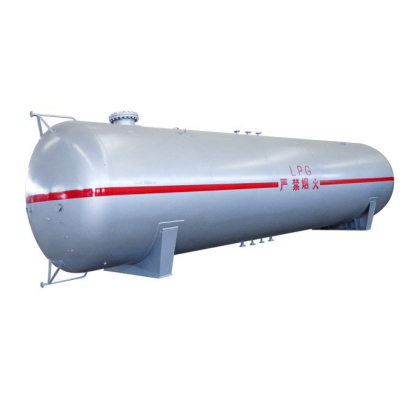
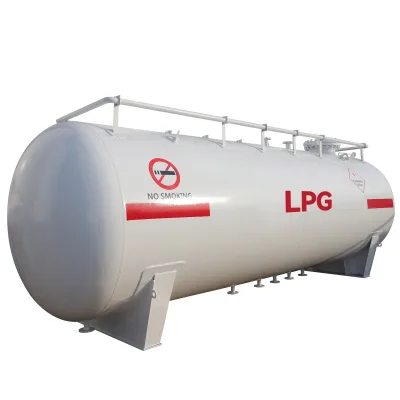
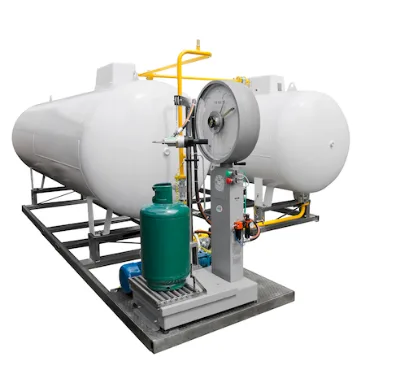
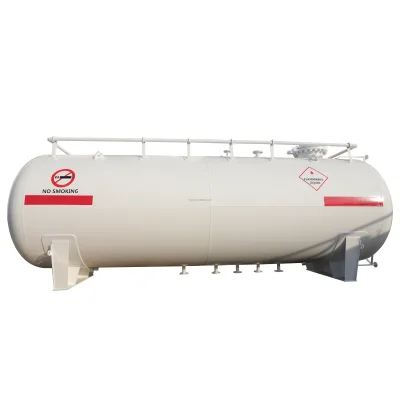

Industrial Automatic LPG Tank End Necking Machine with Rotary Trimmer
$3200.00 - $8500.00
MOQ: 1 Pieces


Four Arms Rotomolding Machine Underground Tank Manufacturing Machine
$130000.00 - $160000.00
MOQ: 1 Set


Water Tank Moulding Machine Plastic Tank Making Machine Rotational Moulding
$130000.00 - $160000.00
MOQ: 1 Set


Automatic LNG Vessel Tank Surface Buffing Machine with Ce Certification
$2100.00 - $16000.00
MOQ: 1 Pieces

Comprehensive Sourcing Guide
Strategic Sourcing Guide for LPG Tank Necking Machinery
Understanding the Technical Landscape of LPG Cylinder Production Lines
The procurement of specialized machinery for the liquefied petroleum gas (LPG) industry requires a deep understanding of the specific production scope and operational rhythms associated with cylinder manufacturing. When sourcing an LPG Tank Necking Machine, buyers must recognize that these assets are rarely standalone units but rather integral components of a comprehensive automatic production line. The observed market data indicates a distinct bifurcation in production rhythms, with some systems operating as non-flow production lines while others utilize flow production line methodologies. This distinction is critical for facility planning, as the rhythm dictates the throughput capacity and the synchronization required between upstream forming processes and downstream finishing operations.
The core function of these machines involves precise metal forming, often utilizing steel sheet or steel materials with specific dimensional tolerances. Technical specifications observed in the current market highlight a diameter range of 250 to 800 millimeters, accommodating various cylinder sizes including 6kg, 12kg, 15kg, and 50kg variants. The material thickness for the tank body typically ranges from 0.5 to 0.8 millimeters, while the structural steel components supporting the machinery may range from 2.5 to 6 millimeters in thickness. Buyers should verify that the machine's spindle speed and motor power align with their specific production targets. For instance, certain configurations in the market operate with a motor power of 2.2 kilowatts and a spindle speed of 15.5 revolutions per minute, while others may feature higher power ratings such as 7 kilowatts. The working distance, often cited around 280 millimeters, is a crucial geometric constraint that must match the intended cylinder geometry. Furthermore, the transmission type is frequently flexible, allowing for adaptability in handling different cylinder neck profiles, and the working gas pressure requirements for pneumatic actuation systems typically fall between 0.5 and 0.6 MPa.
Compliance and Certification Verification Protocols
In the industrial manufacturing sector, particularly for pressure vessel components, compliance with international standards is non-negotiable. When evaluating potential suppliers for LPG tank necking machines, buyers must rigorously verify the certification status of the equipment. The market data confirms that reputable machinery often carries ISO and CE certifications, which are standard indicators of adherence to quality management systems and European safety directives. However, the scope of certification can vary significantly depending on the target market and the specific application. Some advanced production lines may also hold certifications from classification societies such as LR (Lloyd's Register) and ABS (American Bureau of Shipping), which are essential for vessels intended for maritime or specific high-risk industrial applications.
Beyond the machinery itself, the standards governing the final product must be scrutinized. While specific standard codes like EN 1234 or EN 12245 are referenced in the broader context of LPG cylinder manufacturing, buyers must ensure that the machine's output capabilities align with the relevant national or international standards applicable to their region. The observed data mentions standards such as SGS and ISO in the context of product standards, suggesting that third-party inspection and quality assurance are integral to the supply chain. It is imperative for buyers to request documented proof of these certifications rather than relying on verbal assurances. The presence of a "SET" standard or other proprietary standards indicates that the machine may be designed to meet specific, perhaps proprietary, manufacturing protocols. Verification should extend to the origin of the machine; while the majority of observed units originate from China (Mainland) or specifically Zhejiang province, the certification validity must be cross-referenced with the issuing body's database to ensure authenticity.
Cost Drivers and Pricing Structure Analysis
The pricing structure for LPG tank necking machinery is highly variable, reflecting the complexity of the automation, the level of customization, and the specific technical capabilities of the unit. The observed price range in the market spans from approximately 300 USD to 3,000,000 USD. This vast disparity indicates that the cost is not merely a function of the machine's physical size but is heavily influenced by the degree of automation and the integration level within the production line. A basic unit might fall at the lower end of this spectrum, while a comprehensive, fully automatic production line with intelligent manufacturing features and lean production capabilities will command a premium price.
Several key factors drive these costs. First, the level of automation is a primary determinant. Machines described as "fully automatic" or featuring "intelligent manufacturing" capabilities generally cost more than semi-automatic or manual-assist models. Second, the customization options available significantly impact the final price. The market data confirms that customization is available, allowing buyers to tailor the machine's color, dimensions, and specific functional modules to their unique production needs. Third, the warranty period serves as a proxy for the perceived reliability and cost of ownership. Units offering a three-year warranty are likely priced higher than those with a standard one-year warranty, reflecting the manufacturer's confidence in their engineering and the long-term support costs they are willing to absorb. Finally, the packaging method, ranging from nude packing to containerized or wooden tray shipping, adds logistical costs that must be factored into the total landed cost. Buyers should request a detailed breakdown of these cost drivers to understand the value proposition of each quote.
Typical Applications and Production Scope
The application of LPG tank necking machines is specialized, primarily serving the manufacturing of LPG cylinders for residential, commercial, and industrial use. The production scope is explicitly defined as "Parts Production Line" or "Product Line," indicating that these machines are designed to handle the specific forming and finishing of cylinder necks and related components. The versatility of these machines allows them to handle a wide range of cylinder sizes, from small 6kg units to large 50kg cylinders, making them suitable for manufacturers with diverse product portfolios.
The operational efficiency of these machines is a critical metric for procurement. Observed data suggests a work efficiency of approximately 25 seconds per piece for certain models, which provides a baseline for calculating production capacity. However, this figure is contingent on the specific configuration and the rhythm of the production line. The machines are designed to work with flexible production systems, supporting lean production methodologies that minimize waste and maximize throughput. The ability to customize the machine's color and other aesthetic or functional attributes allows manufacturers to align the equipment with their brand identity or specific safety color-coding requirements. Furthermore, the use of steel sheet and steel materials ensures durability and compatibility with the high-stress environment of LPG cylinder manufacturing. The machine's ability to handle different thicknesses, from 0.5mm to 6mm, underscores its adaptability to various cylinder designs and safety requirements.
Supplier Evaluation and Service Capabilities
Selecting the right supplier for LPG tank necking machinery involves more than just comparing technical specifications; it requires a thorough evaluation of the supplier's after-sales service capabilities and global support network. The market data highlights that many suppliers provide engineers available to service machinery overseas, a critical feature for international buyers who may face language barriers or logistical challenges in maintaining their equipment. This service capability ensures that downtime is minimized and that production continuity is maintained even in remote locations.
When evaluating suppliers, buyers should consider the origin of the machinery. The majority of the observed products originate from China (Mainland), with a significant concentration in Zhejiang province. While this indicates a mature manufacturing hub with competitive pricing, buyers must verify the supplier's track record in exporting and supporting international clients. The availability of customization is another key differentiator; suppliers that offer flexible production options and intelligent manufacturing solutions are better positioned to meet the evolving needs of the LPG industry. Additionally, the warranty terms, ranging from one to three years, serve as an indicator of the supplier's confidence in their product quality. Buyers should prioritize suppliers who offer comprehensive warranties and have a proven history of providing timely technical support. The packaging standards, whether nude, standard, container, or wooden tray, also reflect the supplier's attention to detail and commitment to protecting the equipment during transit.
Quality Control and Long-Term Procurement Considerations
Ensuring the long-term reliability and performance of LPG tank necking machinery requires a robust quality control strategy. Buyers should implement a rigorous inspection protocol that includes verifying the machine's dimensions, material composition, and functional performance against the specified standards. The observed specifications, such as the diameter range of 250-800mm and the thickness of the tank ranging from 0.5-0.8mm, must be validated through physical inspection or third-party testing. The use of certified materials, such as steel sheet and steel, is essential to ensure the machine's durability and safety.
Long-term procurement considerations also include the scalability of the production line. As demand for LPG cylinders fluctuates, the ability to upgrade or expand the production line without significant disruption is crucial. Machines with flexible transmission types and comprehensive automatic production line capabilities offer greater adaptability to changing market conditions. Furthermore, the integration of intelligent manufacturing features can provide valuable data analytics and predictive maintenance capabilities, reducing the risk of unexpected failures. Buyers should also consider the environmental impact of the machinery, ensuring that it complies with relevant environmental standards and regulations. Finally, the total cost of ownership, including energy consumption, maintenance costs, and spare parts availability, should be factored into the procurement decision. By adopting a holistic approach to quality control and long-term planning, buyers can ensure that their investment in LPG tank necking machinery delivers sustained value and operational efficiency.
Comparative Analysis of Machine Specifications
To facilitate a clearer understanding of the differences between available options, the following table summarizes key technical specifications observed in the market. This comparison highlights the variability in power, speed, and production capabilities, aiding buyers in making informed decisions based on their specific operational requirements.
| Specification Category | Observed Range / Value | Notes |
|---|---|---|
| Motor Power | 2.2 kW - 7 kW | Higher power generally correlates with increased throughput. |
| Spindle Speed | 15.5 r/Min | Specific to certain models; verify compatibility with cylinder size. |
| Working Gas Pressure | 0.5 - 0.6 MPa | Standard pneumatic operating pressure for most units. |
| Cylinder Diameter | 250 - 800 mm | Covers a wide range of cylinder sizes from small to large. |
| Tank Thickness | 0.5 - 0.8 mm | Material thickness for the cylinder body being processed. |
| Production Rhythm | Flow / Non-Flow | Determines the synchronization and throughput of the line. |
| Automation Level | Fully Automatic / Comprehensive | Impacts labor requirements and operational efficiency. |
| Warranty Period | 1 Year - 3 Years | Longer warranties often indicate higher build quality. |
| Certifications | ISO, CE, LR, ABS | Verify specific certifications required for your target market. |
| Origin | China (Mainland), Zhejiang | Primary manufacturing hubs for this equipment type. |
This table serves as a reference point for buyers to compare the technical attributes of different machines. It is important to note that specific values may vary between suppliers, and buyers should always request detailed technical datasheets for the exact models they are considering. By carefully analyzing these specifications and cross-referencing them with their own production needs, buyers can select the most suitable LPG Tank Necking Machine for their facility.
FAQs
What certifications do lpg tank necking machines typically have?
These machines typically hold ISO and CE certifications, with some advanced models also featuring LR and ABS approvals. Buyers should verify specific certification documents to ensure compliance with their regional safety and quality standards before purchase.
How long is the warranty period for these production lines?
Warranty periods vary between one year and three years depending on the supplier and machine complexity. Longer warranties often indicate higher confidence in the equipment's reliability and may include more comprehensive after-sales support services.
Can I customize the color and specifications of the machine?
Yes, customization is available for color and specific functional modules to meet unique production needs. Buyers can request tailored dimensions and features, though this may influence the final pricing and lead time for the order.
What is the typical production efficiency for these units?
Some models achieve a work efficiency of approximately 25 seconds per piece under standard operating conditions. This throughput rate depends on the specific machine configuration, production rhythm, and the diameter of the cylinders being processed.
Which transmission types are used in these automatic lines?
Flexible transmission types are commonly used to allow adaptability in handling different cylinder neck profiles. This design supports lean production methodologies and ensures the line can accommodate various sizes from 6kg to 50kg cylinders effectively.
Where are these machines primarily manufactured?
The majority of these machines originate from China, with a significant concentration in the Zhejiang province. Buyers should verify the specific origin and ensure that the supplier provides engineers available for overseas service if needed.
What is the price range for a complete production line?
The observed price range spans from 300 USD to 3,000,000 USD depending on automation levels. Costs are driven by factors such as intelligent manufacturing features, customization options, and the inclusion of comprehensive after-sales service packages.