Source Dental Handpiece Ball Bearing for Oral Surgery, Child, Adult
Explore 30 listings for Dental Handpiece Ball Bearing options suitable for oral surgery, pediatric, and adult applications. Buyers can compare specifications like speed, material, and certification to find the right component for their dental equipment needs; compare the available evidence and request quotations based on your requirements.
Key considerations
Products List
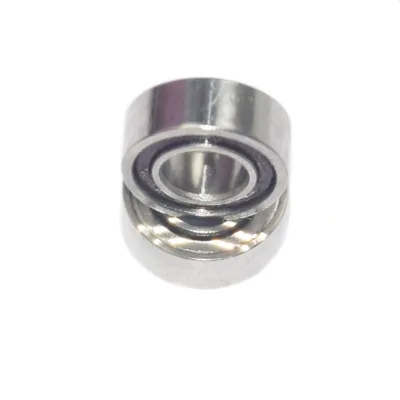


High Precision Miniature Ball Bearing 626 for Dental Handpiece Prompt Shipment
$0.15 - $6.00
MOQ: 1000 Pieces


Comprehensive Sourcing Guide
Dental Handpiece Ball Bearing Sourcing Guide
Procuring high-performance dental handpiece ball bearings requires a nuanced understanding of the specific mechanical demands placed on these components during clinical procedures. These bearings are critical for maintaining the rotational stability and precision of high-speed and low-speed handpieces, directly influencing the surgeon's control and the patient's comfort. Buyers must recognize that the bearing is not merely a passive component but a dynamic element that endures significant centrifugal forces and thermal stress. Consequently, the selection process must prioritize materials and manufacturing tolerances that ensure longevity and consistent performance under rigorous usage conditions.
The market for these specialized components is diverse, with suppliers offering various configurations tailored to different handpiece models and clinical needs. Observations from current listings indicate a range of options, including ceramic and chrome steel variants, each presenting distinct advantages regarding friction, heat resistance, and load capacity. Buyers should carefully evaluate the specific application requirements, such as the required rotational speed and torque, to determine the most suitable bearing type. Understanding these technical distinctions is essential for making informed purchasing decisions that align with the operational standards of dental practices and manufacturing specifications.
Product Scope and Observed Listing Signals
Current market observations reveal a variety of product listings that provide insight into the available options for dental handpiece bearings. Listings often include specific model numbers such as E017, VIP2, and WM-116, which may correspond to different handpiece types or bearing configurations. Some products are explicitly labeled as "Dental Bearing For Dental Handpiece," while others are described as "Dental Bearing Movement Dental Accessories Cartridge," indicating a range of packaging and accessory formats. These variations suggest that buyers should pay close attention to the specific model compatibility and packaging details to ensure they are acquiring the correct component for their inventory needs.
The observed product attributes also highlight differences in material composition and design features. For instance, some bearings are made from chrome steel, while others utilize ceramic materials, which can offer benefits such as reduced weight and improved corrosion resistance. Additionally, listings may specify details such as the number of rows, chuck type, and applicable bur sizes, providing further clues about the bearing's intended use. Buyers should use these observed signals to narrow down their search and identify suppliers who offer products that match their specific technical requirements and quality expectations.
Technical Specifications to Verify
When evaluating dental handpiece ball bearings, verifying the rotational speed and torque specifications is paramount to ensuring compatibility with existing handpiece equipment. Listings may indicate speeds ranging from 350,000 to 400,000 RPM, which are typical for high-speed handpieces used in cutting and preparation procedures. Buyers must confirm that the bearing's rated speed exceeds the operational requirements of their handpieces to prevent premature failure or safety hazards. Additionally, torque specifications, such as those around 0.40-0.45 Nm, should be checked to ensure the bearing can handle the necessary load without compromising performance or durability during intensive use.
Material composition and dimensional accuracy are other critical technical specifications that require careful verification. Bearings made from chrome steel or ceramic must meet precise dimensional tolerances to fit correctly within the handpiece housing. Buyers should request detailed specifications regarding the head diameter, head height, and bur applicability, such as compatibility with burs ranging from 1.59mm to 1.6mm in diameter. Ensuring that these physical dimensions align with the handpiece manufacturer's requirements is essential for maintaining proper alignment and preventing vibration or noise during operation, which can affect both the procedure's quality and the patient's experience.
Compliance and Safety Documentation
Ensuring that dental handpiece ball bearings meet relevant quality and safety standards is a critical step in the procurement process. Listings often mention certifications such as CE, which indicates compliance with European health, safety, and environmental protection standards. Buyers should verify that the supplier can provide valid certification documents for each batch of bearings, as this ensures that the products have undergone rigorous testing and meet the necessary regulatory requirements. Additionally, some listings may reference ISO certifications, which further attest to the supplier's commitment to quality management systems and consistent product quality.
Beyond certifications, buyers should also consider the safety implications of the materials used in the bearings. For instance, ceramic bearings may offer advantages in terms of biocompatibility and corrosion resistance, which are important considerations for medical devices. Buyers should request material safety data sheets (MSDS) or other documentation that confirms the materials are free from harmful substances and suitable for use in dental applications. By prioritizing suppliers who provide comprehensive safety documentation, buyers can mitigate risks associated with product failure or adverse reactions, ensuring a safer environment for both dental professionals and patients.
Cost Drivers and Commercial Terms
The cost of dental handpiece ball bearings is influenced by several factors, including material quality, manufacturing complexity, and order volume. Bearings made from high-grade ceramic or specialized chrome steel alloys typically command higher prices due to the superior performance and durability they offer. Additionally, the precision required in manufacturing these components, particularly regarding dimensional tolerances and surface finish, can impact production costs. Buyers should be aware that lower-priced options may compromise on material quality or manufacturing precision, potentially leading to higher long-term costs due to frequent replacements or handpiece damage.
Commercial terms, such as minimum order quantities (MOQ) and payment conditions, also play a significant role in the overall cost structure. Listings may indicate MOQs ranging from 1 to 1000 units, allowing buyers to tailor their orders to their specific inventory needs. Buyers should negotiate favorable payment terms and shipping conditions to optimize cash flow and reduce logistical costs. Additionally, suppliers may offer customization options, such as specific packaging or branding, which can incur additional fees. By carefully evaluating these commercial terms, buyers can develop a cost-effective procurement strategy that balances quality, quantity, and budget constraints.
Supplier Qualification and Quality Control
Selecting a reliable supplier for dental handpiece ball bearings requires a thorough assessment of their qualification and quality control processes. Buyers should verify that the supplier has a robust quality management system in place, including regular inspections and testing procedures to ensure product consistency. Suppliers who hold relevant certifications, such as CE or ISO, are more likely to adhere to strict quality standards and maintain high levels of product reliability. Additionally, buyers should inquire about the supplier's traceability systems, which allow for the tracking of each batch of bearings from raw material to finished product, ensuring accountability and facilitating recalls if necessary.
Communication and responsiveness are also key indicators of a supplier's reliability. Buyers should assess the supplier's ability to provide timely and accurate information regarding product specifications, availability, and shipping status. Suppliers who offer OEM services and customization options demonstrate flexibility and a commitment to meeting specific customer requirements. Furthermore, buyers should consider the supplier's reputation and track record in the industry, seeking references or reviews from other dental professionals who have used their products. By prioritizing suppliers with strong qualification and quality control practices, buyers can establish a dependable supply chain that supports their operational needs.
Long-Term Procurement Checks
Establishing long-term procurement checks for dental handpiece ball bearings is essential for maintaining consistent quality and performance over time. Buyers should implement regular audits of their suppliers' quality control processes to ensure ongoing compliance with established standards. This includes verifying that the supplier continues to meet certification requirements and maintains their quality management systems. Additionally, buyers should monitor supplier performance metrics, such as delivery times, product defect rates, and customer service responsiveness, to identify any potential issues early and address them proactively.
Continuous improvement and feedback loops are also critical components of long-term procurement strategies. Buyers should regularly review their usage data and clinical feedback to assess the performance of the bearings in real-world applications. This information can be used to refine specifications, negotiate better terms with suppliers, and identify opportunities for cost savings or quality enhancements. By fostering a collaborative relationship with suppliers and maintaining a focus on continuous improvement, buyers can ensure that their procurement of dental handpiece ball bearings remains aligned with their evolving needs and industry standards.
FAQs
What certification does the dental handpiece bearing have?
The dental handpiece bearing holds CE certification as a Class I instrument. This ensures compliance with essential safety standards for medical devices used in oral surgery. Buyers can verify this quality certification on the product page before placing orders for new, non-disposable units.
Which speed range does the ceramic bearing support?
The ceramic bearing supports a high-speed range of 350,000 to 400,000 RPM. This performance level is suitable for professional dental handpieces requiring rapid rotation. The unit features a single row design with oil grease lubrication to maintain stability during intensive clinical procedures.
Can I customize the dental handpiece bearing specifications?
Yes, customization is available for the dental handpiece bearing to meet specific clinical needs. Buyers can request tailored options while maintaining the original material quality of chrome steel or metal. This flexibility allows clinics to adapt the equipment for various applications without compromising durability.
How is the dental handpiece bearing packaged for shipping?
The bearing is packaged in a standard export carton containing ten pieces per box. Each single item fits within a package size of 10 by 8 by 7 cm. This secure packing method ensures the new condition of the product remains intact during international transit from Guangdong, China.
What is the minimum order quantity for this bearing?
The minimum order quantity ranges from one to one thousand units depending on the specific supplier terms. Buyers can purchase single items or larger batches to suit their inventory needs. This flexible MOQ structure accommodates both small clinics and large dental equipment distributors effectively.
Which application departments use this dental handpiece bearing?
This bearing is designed for use in oral surgery departments and serves both children and adults. It functions as shared instrument equipment compatible with NSK handpieces. The non-waterproof feature requires careful handling during sterilization processes to ensure long-term operational reliability in clinical settings.