Source Dental Implant Locator for Oral Surgery, Dentures, and Implants
Find 30 Dental Implant Locator options for oral surgery, dentures, and implant procedures. Compare models like M25 and SD-E05, featuring LCD screens, titanium components, and CE/ISO certifications to find the right equipment for your clinic; compare the available evidence and request quotations based on your requirements.
Key considerations
Products List


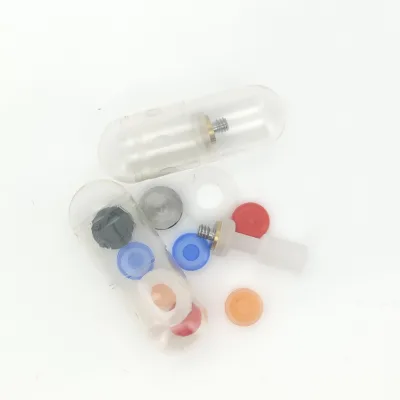
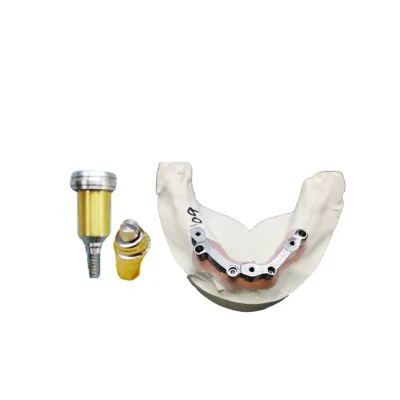
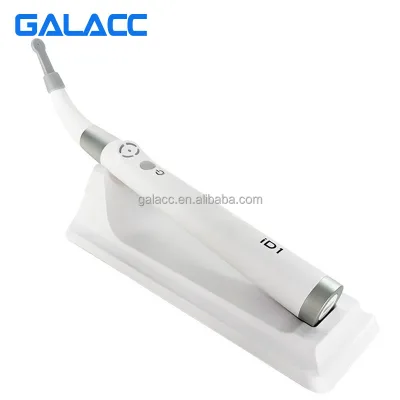


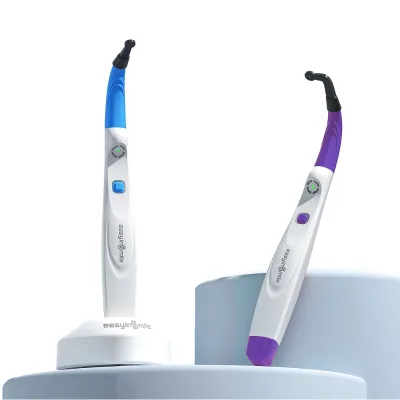
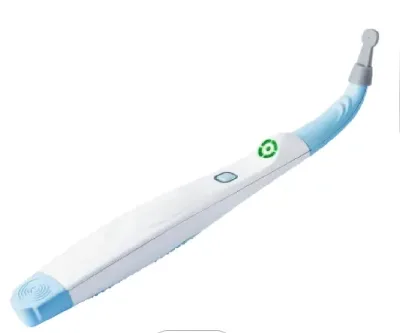


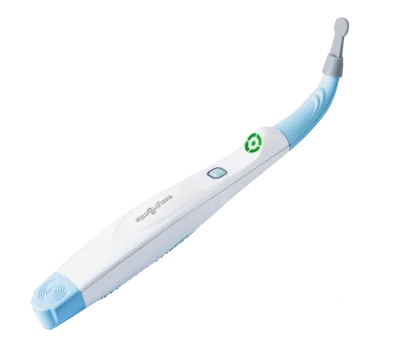
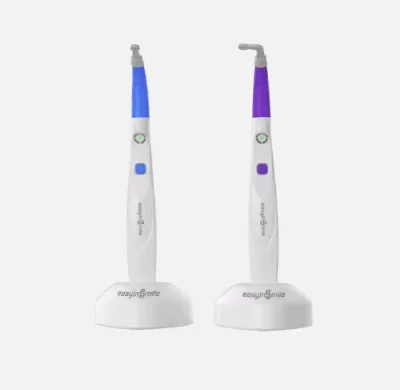
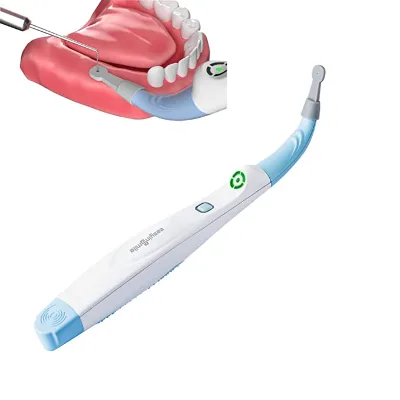


Metal Plastic Dental Instrument Endo Motor Hospital Clinic Dental Apex Locator
$200.00 - $220.00
MOQ: 5 Pieces
Comprehensive Sourcing Guide
Dental Implant Locator Sourcing Guide
Procuring a Dental Implant Locator requires careful evaluation of technical precision and regulatory compliance. These devices are essential for oral surgery departments, enabling accurate placement of implants by providing real-time feedback on position and depth. Buyers must ensure the equipment aligns with their specific surgical workflows and integrates seamlessly with existing clinical infrastructure.
The market offers various models, including those classified under cleaning and filling teeth equipment or specialized implant materials. Understanding the distinction between general dental units and dedicated locators is crucial. Sourcing decisions should prioritize devices that offer reliable continuous operation and compatible power supplies to minimize downtime during critical procedures.
Product Scope and Observed Listing Signals
The observed product range includes devices with varying specifications, such as the M25 and SD-E05 models. Listings indicate a price range from 10 to 890 USD, reflecting differences in features, build quality, and brand positioning. Minimum order quantities typically start at one unit, allowing clinics to test individual devices before committing to larger purchases. This flexibility supports initial procurement trials for new technologies.
Attributes like white color and LCD screens suggest a focus on clinical aesthetics and user interface clarity. Some listings highlight specific battery capacities, such as 850mAh or 2000mAh, indicating portable or cordless operation capabilities. Buyers should verify if the listed power consumption and output voltages match their facility’s electrical standards to ensure safe and efficient operation.
Technical Specifications to Verify
Key technical parameters include atmosphere pressure ranges of 60kpa to 106kpa and relative humidity tolerances between 10% and 93%. These environmental constraints define the operational limits of the device, ensuring accuracy in various clinic conditions. The power supply requirement of AC100-240V 50/60Hz provides global compatibility, but buyers must confirm the included adaptor specifications for their region.
Screen size and resolution, such as a 4.5-inch LCD, impact the surgeon’s ability to read data clearly during procedures. Weight considerations, ranging from lightweight handheld units to heavier stationary systems, affect ergonomics and mobility. Verify the instrument classification, often Class I, to understand the regulatory burden and maintenance requirements associated with the device’s complexity.
Compliance and Safety Documentation
Certifications such as CE and ISO are critical indicators of regulatory compliance and quality management systems. Buyers must request valid certificates to ensure the device meets international safety and performance standards. The absence of specific certification details in some listings necessitates direct verification with the supplier to avoid procurement risks.
Warranty terms, typically one year, provide a baseline for post-purchase support. However, buyers should clarify the scope of coverage, including parts, labor, and response times for repairs. After-sale services like online technical support or return and replacement policies offer additional layers of protection, ensuring continuity of care if device failures occur.
Cost Drivers and Commercial Terms
Pricing variations are driven by factors such as brand reputation, material quality, and included accessories. Devices made with titanium covering materials may command higher prices due to durability and biocompatibility. OEM availability allows for customization, which can influence cost based on the extent of branding or feature modifications requested by the buyer.
Packaging standards, such as standard exported cartons or specific box dimensions, affect shipping costs and handling requirements. Single package sizes and gross weights provide data for logistics planning. Buyers should negotiate clear terms regarding shipping responsibilities, insurance, and customs duties to avoid unexpected expenses during the import process.
Supplier Qualification and Quality Control
Supplier location, often in Guangdong, China, indicates a concentration of manufacturing expertise in dental equipment. Buyers should assess the supplier’s production capacity and quality control processes to ensure consistent product quality. OEM capabilities suggest the supplier can adapt products to specific client needs, but this requires rigorous oversight to maintain standards.
Verification of the supplier’s business license and export history is essential for establishing trust. Buyers should request references or case studies from other medical institutions to validate the supplier’s reliability. Understanding the supplier’s commitment to continuous improvement and customer support helps mitigate risks associated with long-term procurement relationships.
Long-Term Procurement Checks
Regular audits of device performance and calibration are necessary to maintain accuracy in implant placement. Buyers should establish a maintenance schedule that includes software updates and hardware inspections. Tracking the device’s operational history helps identify potential issues early, preventing disruptions in surgical workflows.
Feedback from clinical staff regarding usability and reliability should be incorporated into future procurement decisions. Monitoring changes in technology and regulatory requirements ensures that the equipment remains compliant and competitive. Building a strong relationship with the supplier facilitates access to new models and improved support services over time.
FAQs
What certifications do the dental implant locators have?
The dental implant locators carry CE and ISO certifications. These standards ensure the devices meet international safety and quality requirements for medical use in oral surgery departments.
Can the device operate continuously without interruption?
Yes, the device supports continuous operation mode. This feature allows for extended use during dental procedures without requiring frequent pauses for rest or battery recharging cycles.
What is the minimum order quantity for these units?
The minimum order quantity is one unit. This low MOQ allows buyers to test the product quality before committing to larger bulk orders for their dental clinics.
Which battery specifications are included with the unit?
The unit includes a chargeable battery with 850mAh capacity and a 3.7V rating. It also supports an output of 5.0V at 1A for reliable power delivery during operation.
What is the warranty period for the dental equipment?
The product comes with a one-year warranty. This coverage ensures protection against defects and provides peace of mind for buyers purchasing medical surgical instruments from the supplier.
Which brands are compatible with the implant locator?
The device is compatible with Alpha Bio implants. It is designed to work seamlessly with specific implant materials and artificial organs used in modern dental restoration procedures.
What is the origin location of the manufacturing facility?
The products originate from Guangdong, China. This location is a known hub for medical equipment manufacturing, ensuring access to established supply chains and production capabilities.