Source Dental Health Caffeine Gum for oral care, energy boost, and focus
Find 30 listings for Dental Health Caffeine Gum from verified manufacturers in China. Buyers can compare xylitol content, flavors, certifications, and packaging options to select the right product for oral care, energy boost, and focus applications.
Key considerations
Products List





Comprehensive Sourcing Guide
Dental Health Caffeine Gum Sourcing Guide
Sourcing chewing gum with specific functional ingredients requires a disciplined approach to verifying ingredient integrity and manufacturing standards. The market offers a variety of sugar-free options, with xylitol being a prominent sweetener observed in current listings. Buyers must distinguish between general sugar-free gums and those with targeted dental health benefits, ensuring that the active ingredients are present in effective concentrations. This guide focuses on the procurement of chewing gum products, particularly those utilizing xylitol and other sugar alcohols, while addressing the specific keyword of caffeine gum by clarifying the observed product landscape.
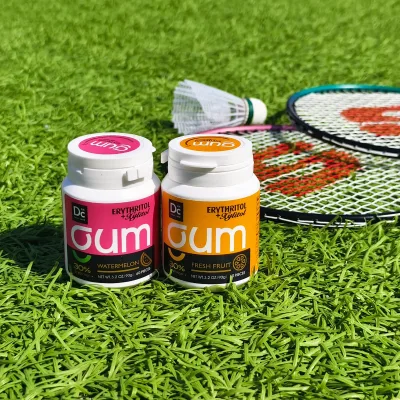
Procurement teams should approach this category with a clear understanding of the available product attributes and supplier capabilities. The observed data indicates a strong presence of manufacturers in Liaoning, China, specifically in Dalian, who produce various forms of chewing gum. These products range from single-serving sachets to bulk packaging, catering to diverse distribution channels. Understanding the specific formulation, such as the use of erythritol alongside xylitol, is critical for buyers seeking specific taste profiles or functional benefits, as these ingredients impact both the sensory experience and the dental health claims associated with the product.
Product Scope and Observed Listing Signals
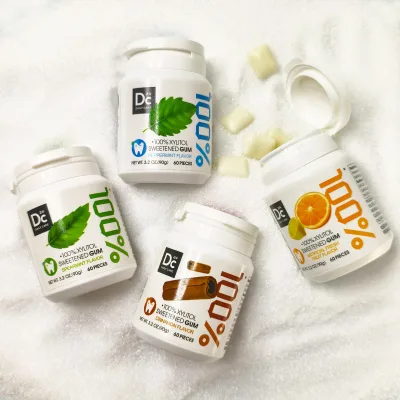
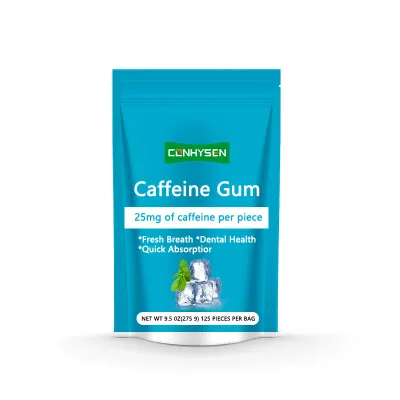
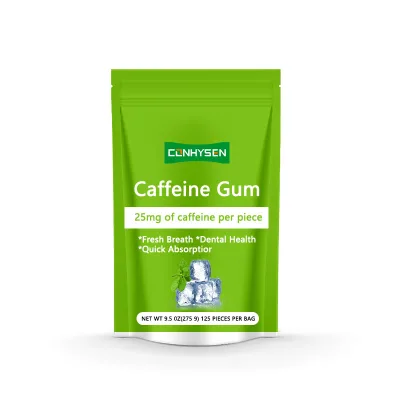
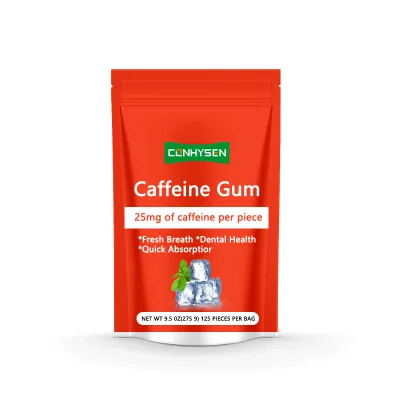
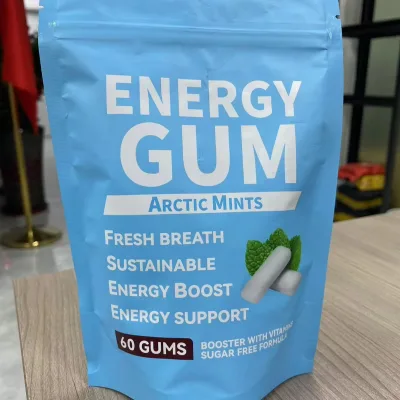
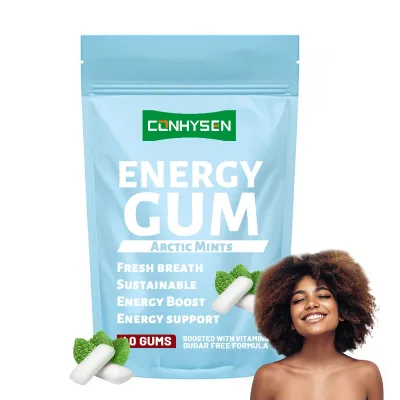
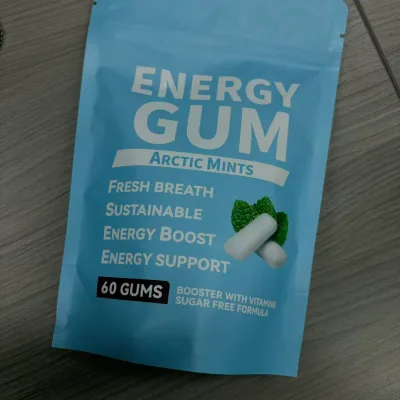
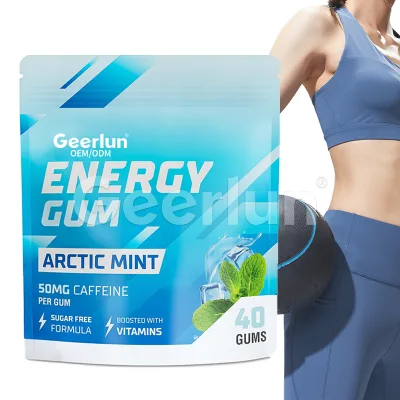
The current market landscape for chewing gum includes a wide array of flavors and formats, with xylitol-based products being a significant segment. Listings indicate that many suppliers offer gum with a net weight of 1.5g per piece, packaged in tubes, boxes, or bulk containers. The observed product types include pillow-shaped pieces and standard sticks, with flavors ranging from peppermint and spearmint to fruity and cinnamon varieties. While the core keyword includes "caffeine," the observed product facts do not explicitly list caffeine as an ingredient; instead, they highlight xylitol, erythritol, and natural flavors. Buyers must verify if caffeine is a custom addition or if the product is strictly a sugar-free dental care gum, as the two functional profiles serve different market needs.
Packaging and shelf life are critical factors in the sourcing decision. Products are typically designed with a shelf life of 24 months or two years, requiring storage in cool, dry places to maintain integrity. The observed packaging options are extensive, including bags, bottles, boxes, cans, and gift packs, allowing for flexibility in retail presentation. Some suppliers offer OEM branding, which is essential for buyers looking to create private label products. The presence of multiple color options, such as white, blue, and multi-colored, further supports customization for brand identity. Buyers should assess whether the observed packaging details, such as tube packing with specific piece counts, align with their logistical and retail requirements.
Technical Specifications to Verify
Verifying the technical specifications of chewing gum involves confirming the exact composition and physical attributes of the product. The observed ingredients list includes xylitol, erythritol, gum base, natural flavors, and gum arabic. It is crucial to verify the percentage of xylitol, as some listings claim "100% xylitol" content, while others list it as part of a blend. Buyers must ensure that the sweetener profile meets their specific health or taste requirements, as the ratio of xylitol to erythritol can affect the cooling sensation and dental benefits. Additionally, the specification of 1.5g per piece is a common standard, but buyers should confirm if this weight is consistent across all flavors and packaging types.
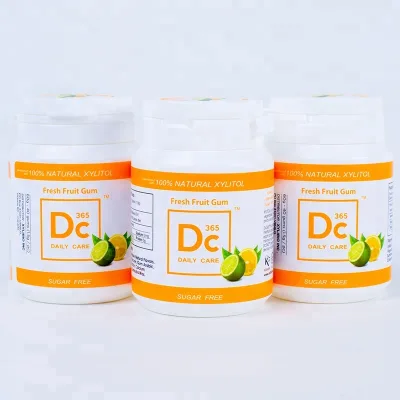
The physical form and manufacturing details also require verification. Products are described as having a pillow shape or being standard chewing gum pieces, with colors varying from white to multi-colored. The model numbers, such as DC365-3, indicate specific product lines that may have unique characteristics. Buyers should request samples to verify the texture, chewiness, and flavor release of the gum. Furthermore, the supply ability of suppliers, such as 1000 cartons per day, should be assessed against the buyer's volume requirements. Ensuring that the manufacturer can meet the desired order quantity without compromising quality is a key technical consideration in the sourcing process.
Compliance and Safety Documentation
Compliance with international safety and quality standards is non-negotiable in the food and beverage industry. The observed products list several certifications, including HACCP, GMP, KOSHER, and HALAL. These certifications indicate that the manufacturing facilities adhere to strict hygiene and production standards. Buyers must verify the validity of these certifications and ensure they cover the specific products being sourced. For instance, HACCP certification is critical for identifying and controlling hazards in the production process, while GMP ensures that the products are consistently produced and controlled according to quality standards.
Additional certifications such as SEDEX P4 and FASSC22000 suggest a commitment to ethical sourcing and food safety management. Buyers should request copies of these certificates and check their expiration dates. The presence of HALAL certification is particularly important for markets with significant Muslim populations, while KOSHER certification opens up Jewish dietary markets. It is also essential to verify that the ingredients, such as natural flavors and gum arabic, comply with the regulatory requirements of the destination country. Buyers should ensure that the supplier can provide documentation proving that all ingredients are approved for use in the target market.
Cost Drivers and Commercial Terms
The cost of chewing gum is influenced by several factors, including the type and quantity of sweeteners used, packaging complexity, and order volume. Xylitol is generally more expensive than traditional sugar or other sweeteners, which can impact the final price. The observed price range of 0.05-28 USD likely reflects variations in packaging, quantity, and customization levels. Buyers should understand that lower prices may correspond to bulk packaging or simpler formulations, while higher prices may include premium packaging, specific flavors, or smaller order quantities.
Commercial terms such as MOQ and lead times are critical for planning. The observed MOQ ranges from 1 to 30,000 units, with some suppliers requiring 18,000 bottles per flavor for OEM orders. Buyers must align their order quantities with the supplier's MOQ to avoid additional costs or delays. Lead times and supply ability, such as 1000 cartons per day, should be discussed to ensure that the supplier can meet the buyer's delivery schedule. Additionally, buyers should inquire about sample availability and costs, as testing samples is a crucial step before committing to large orders. Clear communication regarding payment terms and shipping responsibilities is also essential to avoid unexpected expenses.
Supplier Qualification and Quality Control
Qualifying suppliers involves assessing their manufacturing capabilities, quality control processes, and reputation. The observed manufacturers, such as JCM and Jiachem Dentbio, are located in Dalian, China, a region known for its food processing industry. Buyers should verify the supplier's production capacity and history to ensure they can consistently deliver high-quality products. Requesting references or case studies from other clients can provide insights into the supplier's reliability and performance. Additionally, buyers should assess the supplier's ability to handle custom orders, including specific flavors, packaging, and branding requirements.
Quality control measures should be clearly defined and agreed upon before placing orders. Buyers should inquire about the supplier's testing protocols, including checks for ingredient purity, microbial safety, and packaging integrity. The observed storage instructions, such as storing in a cool, dry place, highlight the importance of proper handling to maintain product quality. Buyers may also consider conducting third-party inspections or audits to verify the supplier's compliance with agreed-upon standards. Establishing a clear communication channel for addressing quality issues and returns is also essential for maintaining a successful supplier relationship.
Long-Term Procurement Checks
Long-term procurement success requires ongoing monitoring of supplier performance and market trends. Buyers should regularly review supplier deliveries, quality metrics, and responsiveness to ensure they continue to meet expectations. Establishing key performance indicators (KPIs) for delivery times, defect rates, and customer satisfaction can help track supplier performance over time. Additionally, buyers should stay informed about changes in regulations, ingredient availability, and consumer preferences that may impact the chewing gum market. This proactive approach allows buyers to adapt their sourcing strategies and maintain a competitive edge.
Building a diversified supplier base can mitigate risks associated with single-source dependencies. Buyers should consider qualifying multiple suppliers for different product lines or regions to ensure supply chain resilience. Regular communication with suppliers about future needs and potential changes in demand can help in planning production and inventory levels. Furthermore, buyers should evaluate the potential for innovation, such as new flavors or functional ingredients, to keep their product offerings fresh and appealing to consumers. By maintaining a strategic and flexible approach to sourcing, buyers can achieve long-term success in the chewing gum market.
FAQs
What certifications do the dental health xylitol gums have?
The products hold HACCP, GMP, KOSHER, and HALAL certifications. Additional verified standards include SEDEX P4 and FASSC22000. These ensure the manufacturing processes meet strict safety and quality requirements for international buyers seeking reliable dental care solutions.
How much is the minimum order quantity for OEM orders?
The minimum order quantity is 18,000 bottles per flavor for OEM projects. Specific quantities for DC24 Daily Care models require direct confirmation with sales representatives. This threshold ensures efficient production scheduling for custom branded dental gum batches.
Which flavors are available for the 100% xylitol chewing gum?
Available flavors include peppermint, spearmint, cinnamon, fresh fruit, bubblegum, and cranberry. Some listings also mention chocolate, coffee, and spicy herb options. The gum base supports a wide variety of natural and artificial flavor profiles for diverse consumer preferences.
Can I find these gums manufactured in Liaoning, China?
Yes, the products originate from Dalian, Liaoning, China. The manufacturer is identified as Jiachem Dentbio Co., Ltd. This location serves as the primary production hub for the xylitol chewing gum supplied to international markets with specific packaging requirements.
What is the shelf life of the dental health gum products?
The shelf life is 24 months or two years when stored correctly. Buyers must keep the gum in a cool, dry place to maintain freshness and efficacy. Proper storage ensures the xylitol content remains effective for dental health benefits throughout the product lifecycle.
How is the gum packaged for bulk shipping and retail?
Packaging options include tubes, bottles, boxes, bags, and bulk containers. Specific details show 1.5g pieces packed 40 per tube with 6 tubes per box. Flexible packaging solutions like family packs and gift boxes are available to suit different distribution channels.
What is the daily supply capacity for these chewing gums?
The supply ability is 1000 cartons per day. This capacity supports large volume orders for distributors and retailers. The manufacturer maintains consistent output to meet demand while adhering to quality standards for xylitol-based dental care products.