Source Desktop Plasma Fibroblast Machine for Acne, Wrinkles, and Lift
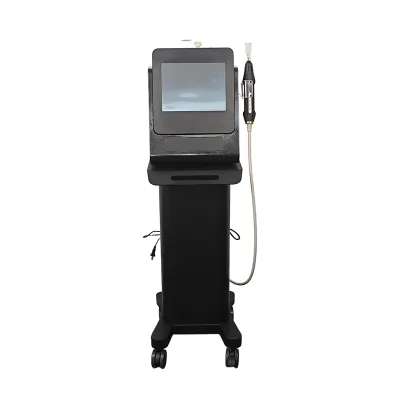
Compare 30 Desktop Plasma Fibroblast Machine listings from verified suppliers. Buyers can evaluate features like portable designs, LCD screens, and energy levels for facial rejuvenation, wrinkle removal, and acne treatment applications.
Key considerations
Products List

Fusion Plasma Bt Professional Fibroblast Cold and Hot Jet Plasma Machine
$1400.00 - $2000.00
MOQ: 1 Pieces

Fusion Cold Plasma Ozone Machine Ozone Plasma Skin Jet Machine Fibroblast Cold Jet Plasma
$1400.00 - $2000.00
MOQ: 1 Pieces

Professional Handheld Fibroblast Plasma Pen Cold Jet Machine Face Body Legs/Arms Treatment
$1400.00 - $2000.00
MOQ: 1 Pieces

Plasma Facial Beauty Equipment Acne Treatment Cold Surface Treatment Plasma Bt Face
$1400.00 - $2000.00
MOQ: 1 Pieces
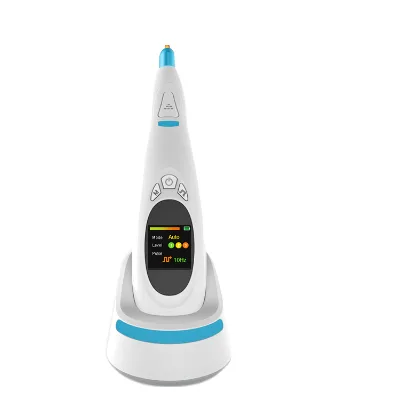


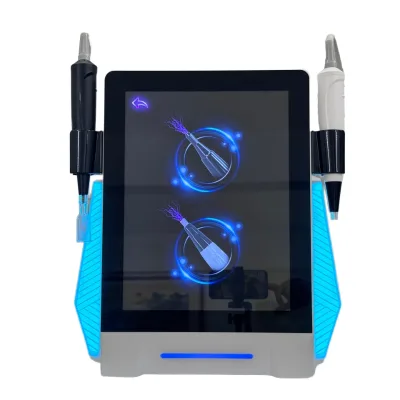
Hot and Cold Machine Cold Plasma Machine Plasma Pen Professional Fibroblast Cold Plasma Machine
$1410.31 - $1825.10
MOQ: 1 pieces
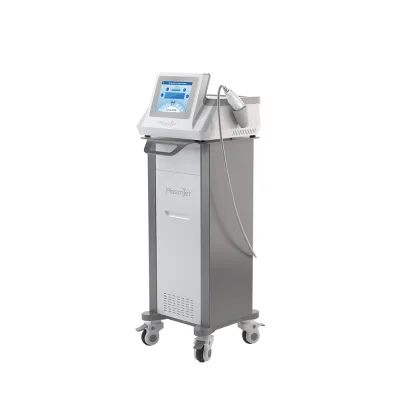


Advanced Plasma Therapy Machine for Fibroblast Treatment and Skin Rejuvenation
$1700.00 - $2100.00
MOQ: 1 Pieces


Face Lifting Jet Cold Plasma Device Medical Cold Plasma Acne Remove Plasma Machine
$1100.00 - $1499.00
MOQ: 1 Pieces


Cold Fusional Plasma Machine for Scar Removal Skin Rejuvenation Anti-Aging Collagen
$1497.00 - $1697.00
MOQ: 1 Pieces

Comprehensive Sourcing Guide
Strategic Sourcing Guide for Desktop Plasma Fibroblast Machines
The global demand for non-invasive aesthetic solutions has driven a significant shift toward desktop plasma fibroblast machines, which utilize atmospheric pressure plasma technology to achieve skin tightening, wrinkle reduction, and tissue remodeling. For procurement professionals in the beauty and medical device sectors, sourcing these units requires a nuanced understanding of technical specifications, regulatory compliance, and supply chain reliability. Unlike handheld devices, desktop models offer higher power stability and extended operational capabilities, making them ideal for salon environments and clinical settings. This guide outlines the critical factors buyers must evaluate to ensure the acquisition of high-quality, compliant, and cost-effective equipment.
Technical Specifications and Operational Capabilities
When evaluating desktop plasma fibroblast machines, the primary focus must be on the energy delivery system and the physical configuration of the unit. The core technology relies on atmospheric pressure plasma, which can be delivered through surgical handles for precise lesion removal or shower handles for broader surface treatments. Buyers should verify that the machine supports multiple energy levels, typically ranging from 1 to 10 levels, to accommodate varying skin types and treatment depths. The frequency of operation is another critical parameter; units operating at 10MHz are common in the market, providing the necessary ionization for effective plasma generation without excessive thermal damage to surrounding tissue.
Power consumption and supply requirements are equally vital for operational planning. Desktop units generally require a standard AC power supply, with voltage ranges typically spanning 100V to 240V at 50/60Hz to ensure global compatibility. However, some models may specify a narrower range, such as 110V/220V, necessitating careful verification against local grid standards. The power consumption for these devices often hovers around 50VA, though this can vary based on the intensity of the plasma output. The display interface is a key component of user experience; modern units feature 8-inch to 15-inch LCD touch screens that allow for precise control over energy levels and treatment modes. The presence of multiple handles, such as a set of three including plasma shower, plasma surgical, and cold/hot handles, enhances the versatility of the machine, allowing for a comprehensive range of facial and body treatments.
Physical Dimensions and Portability Considerations
The physical footprint of a desktop plasma machine dictates its suitability for specific salon layouts or clinic rooms. While the term "desktop" implies a stationary unit, the actual dimensions can vary significantly. Buyers should expect standard operating dimensions to be approximately 63cm x 63cm x 60cm, with a weight around 27kg. This substantial weight is often a result of the internal power supply components and the robust casing required to house high-voltage electronics. The packaging dimensions are also critical for logistics; a single package size of roughly 28cm x 22cm x 13cm may apply to specific components, while the main unit packaging is often larger, such as an aluminum alloy case measuring 52cm x 49cm x 55cm.
Storage and transport conditions must be strictly observed to maintain device integrity. The storage method for these units typically requires a temperature range between -10°C and 40°C. Exceeding these limits can damage the internal electronics or the battery systems if the unit includes built-in power options. Although some models are marketed as portable, the desktop classification usually implies a fixed installation. However, the inclusion of an aluminum alloy case suggests that the unit is designed for transport between locations or for safe storage during shipping. Buyers must ensure that the shipping crate is robust enough to protect the delicate touch screens and plasma generators during transit.
Compliance, Certification, and Safety Standards
Regulatory compliance is the most critical hurdle in sourcing medical and aesthetic devices. Unlike general consumer electronics, plasma fibroblast machines often fall under the category of medical devices or semi-medical equipment, depending on the jurisdiction and the specific claims made by the manufacturer. Buyers must verify that the supplier provides evidence of compliance with relevant international standards, such as IEC 60601 for medical electrical equipment, though specific certification status should not be assumed without documentation. The product origin, often listed as Beijing or Guangzhou in China, requires verification of the manufacturing facility's adherence to quality management systems like ISO 13485.
Safety features are paramount when dealing with high-frequency electrical discharges. The machine must be designed to prevent accidental arcing or electrical shocks. The waterproof rating is a specific attribute that buyers should confirm; many desktop plasma units are not waterproof, meaning they cannot be cleaned with liquids directly on the console. The warranty period is a strong indicator of manufacturer confidence; a 5-year warranty is a significant differentiator compared to the standard 2-year coverage seen in other beauty equipment. Additionally, the plug type must match the destination country's electrical standards. While some suppliers offer a wide range of plug types including CN, JP, US, EU, AU, UK, ZA, and IT, others may restrict the unit to a single type, such as UK plugs, requiring the purchase of adapters or custom wiring.
Cost Drivers and Pricing Dynamics
The pricing of desktop plasma fibroblast machines is influenced by several factors, including the complexity of the plasma generator, the quality of the display system, and the included accessories. The observed market price range for these units typically spans from $405 to $2,200 USD. This wide variance reflects differences in build quality, brand reputation, and the inclusion of consumables. Lower-priced models may lack advanced features such as multiple energy levels or high-resolution touch screens, while premium units often come with comprehensive training packages and extended warranties.
The minimum order quantity (MOQ) is another significant cost driver. In the current market, many suppliers offer an MOQ of 1 unit, which is advantageous for small salons or individual practitioners looking to test the technology. However, bulk purchasing may unlock volume discounts. The cost of consumables, such as the needles required for the plasma handles, should also be factored into the total cost of ownership. Some models list "Needles" as a specific consumable, while others may include disposable tips or specific electrode types. Buyers should calculate the long-term cost of consumables, as these recurring expenses can significantly impact the profitability of the service offering.
Typical Applications and Target Areas
Desktop plasma fibroblast machines are designed for a wide array of aesthetic applications, primarily targeting the face but extending to other body areas. The primary features include acne treatment, face lifting, pigment removal, skin rejuvenation, skin tightening, and wrinkle removal. The versatility of the device allows it to address multiple concerns simultaneously, making it a high-value asset for beauty clinics. The target area is predominantly the face, but advanced models with specific handles can treat the neck, throat, legs, and arms.
The distinction between surgical and shower plasma modes is crucial for application planning. Surgical plasma handles are used for precise, point-by-point treatment of wrinkles and scars, while shower plasma handles cover larger areas for overall skin tightening and rejuvenation. The ability to switch between hot and cold handles adds another layer of functionality, allowing for post-treatment soothing or specific thermal therapies. The energy output time mode, often offering 3 distinct modes, enables practitioners to customize the treatment duration based on the patient's tolerance and the specific area being treated. This flexibility ensures that the machine can be adapted to various treatment protocols, from aggressive resurfacing to gentle maintenance sessions.
Supplier Evaluation and Quality Control
Selecting the right supplier requires a rigorous evaluation process that goes beyond the initial product listing. Buyers should prioritize suppliers who provide detailed technical documentation, including schematics, user manuals, and safety data sheets. The brand name is a factor, but in the B2B market, OEM and ODM capabilities are often more relevant, indicating that the supplier can customize the machine to meet specific branding or functional requirements. The material composition, typically ABS plastic for the casing, should be verified for durability and resistance to chemical cleaning agents.
Quality control measures should be implemented at both the manufacturing and pre-shipment stages. Buyers must ensure that the supplier conducts rigorous testing on the plasma output stability, the accuracy of the energy level settings, and the functionality of the touch screen interface. The single gross weight of the unit, often around 1.5kg for smaller components or 27kg for the main unit, serves as a baseline for verifying that the correct components are included. The warranty terms should be clearly defined, covering both parts and labor for a specified period, such as 2 or 5 years. Suppliers offering a 5-year warranty demonstrate a higher level of confidence in their product's longevity and reliability.
Long-Term Procurement and Maintenance Strategies
Long-term success with desktop plasma fibroblast machines depends on a proactive maintenance strategy and a reliable supply chain for consumables. The built-in battery feature, if present, requires regular charging cycles to maintain battery health, while plug-in models require stable power connections. The storage method, specifically the temperature range of -10°C to 40°C, must be strictly adhered to during both storage and transport to prevent component failure. Buyers should establish a relationship with the supplier for ongoing support, including access to replacement parts and technical assistance.
The evolution of the technology means that software updates or firmware upgrades may be necessary to maintain compliance with changing safety standards or to enhance functionality. Suppliers who offer remote support or on-site training can significantly reduce downtime and ensure that practitioners are fully proficient in using the device. The availability of different plug types and voltage adapters ensures that the machine can be deployed in various international markets without modification. By focusing on these long-term considerations, procurement professionals can secure a sustainable supply of high-quality plasma fibroblast machines that deliver consistent results and maximize return on investment.
FAQs
What energy types does the desktop plasma machine support?
The machine supports Atmospheric Pressure Plasma for surgical tasks and Low-Temperature Atmospheric Plasma for shower treatments. It features 10 energy levels and 3 output time modes to handle various skin concerns like acne and wrinkles effectively.
Can this unit operate on different international voltage standards?
Yes, the device accepts AC 100 to 240V at 50 or 60Hz for global compatibility. Some models specifically list 110V/220V support, ensuring safe operation in regions with varying electrical grid standards without needing external transformers.
How many handles are included with the 3in1 system?
The system comes with 3 handles including a Plasma Shower, Plasma Surgical, and a Cold or Hot handle. This configuration allows practitioners to perform diverse treatments ranging from precise lesion removal to broader skin tightening on the face and body.
What is the warranty period for the desktop plasma unit?
Warranty periods vary between 2 years and 5 years depending on the specific model and supplier. A 5-year warranty indicates higher manufacturer confidence in the device's longevity compared to the standard 2-year coverage found in other beauty equipment.
Which storage temperature range is required for this equipment?
The unit must be stored within a temperature range of -10°C to 40°C to prevent internal damage. Exceeding these limits can compromise the battery systems or electronics, so strict adherence to this range is necessary during transport and storage.
What is the typical price range for these desktop machines?
The observed market price range spans from 405 to 2200 USD depending on features and build quality. Lower-priced models may lack advanced touch screens or multiple energy levels, while premium units often include comprehensive training and extended warranties.
Can buyers request customization for the machine branding?
Customization is available for branding and functional requirements through OEM and ODM services. Buyers can work with suppliers to adapt the machine for specific clinic needs, ensuring the final product aligns with their brand identity and operational protocols.