Source Desktop Thermostat Dry Bath for Lab, Hospital, and School
Explore 30 verified options for the Desktop Thermostat Dry Bath suitable for laboratory, hospital, and school environments. Buyers can compare specifications, certifications, and pricing to find the right equipment for their specific needs.
Key considerations
Products List


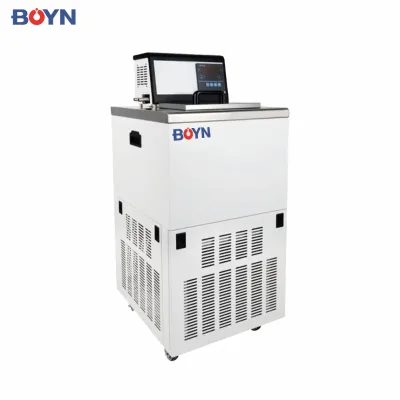
High Quality Digital Multi Purpose Circulating Thermostat Water Bath Price
$75.00 - $88.00
MOQ: 1 Pieces




Comprehensive Sourcing Guide
Desktop Thermostat Dry Bath Sourcing Guide
Sourcing laboratory-grade thermal control equipment requires a precise understanding of the distinction between liquid-based baths and dry block systems. While the broader market for thermostatic baths includes electric water and oil baths with capacities ranging from small portable units to large industrial double-row configurations, the specific demand for desktop thermostat dry baths centers on convenience, speed, and sample protection. Dry baths utilize aluminum or brass blocks with interchangeable inserts to hold tubes or flasks, eliminating the risks associated with liquid spills, contamination, and the maintenance required for water or oil reservoirs. Buyers must recognize that while many suppliers list "thermostatic baths" broadly, the physical structure, material composition, and application scope differ significantly between liquid immersion models and dry block heaters.
The procurement landscape for these devices is characterized by a wide variance in specifications, from basic portable units to advanced models with digital precision and agitation features. Observed market data indicates a price range from approximately $1 to $3,300 USD, reflecting differences in heating element quality, temperature uniformity, and additional features such as digital timers or programmable protocols. Minimum Order Quantities (MOQ) are typically low, ranging from 1 to 20 units, which facilitates easy sampling and small-scale laboratory procurement. However, the diversity of models, such as the H100-Pro, DK-2000-IIIL, and MiniHC100, necessitates careful verification of technical parameters to ensure the selected unit meets the specific thermal requirements of the intended laboratory workflow.
Product Scope and Observed Listing Signals
The product scope for desktop thermostatic devices spans multiple categories, including electric thermostatic water baths, lab thermostatic oil baths, and multi-purpose water baths. Listings often highlight attributes such as "Desktop" structure, "Portable" form factors, and applications in labs, hospitals, schools, and industry. It is critical for buyers to distinguish between true dry bath systems and liquid baths when searching for "dry bath" solutions, as many suppliers may list water or oil baths under generic thermal control keywords. The presence of features like "Agitation Pump" or specific temperature ranges (e.g., Room Temp+5-120 Degree) suggests liquid-based systems, whereas dry baths typically focus on block uniformity and rapid heating without fluid dynamics.
Observed listing signals reveal a strong emphasis on customization and material quality. Many suppliers offer "Customized" options for packing, branding, and potentially block configurations, with materials ranging from stainless steel to plastic components. The origin of these products is predominantly China, with specific provinces like Zhejiang and Jiangsu noted as key manufacturing hubs. Buyers should pay close attention to the "Product Name" and "Type" fields, as terms like "Water Bath Multi-Purpose" or "Lab Thermostatic Oil Bath" indicate liquid systems that may not meet the specific needs of a dry bath procurement. Verifying the exact model number, such as DCY series or SDC-6, is essential to confirm whether the device is a dry block heater or a liquid bath, as the operational principles and maintenance requirements are fundamentally different.
Technical Specifications to Verify
Temperature control is the most critical technical parameter for any thermostatic device. Buyers must verify the temperature range, stability, and uniformity of the unit. While some observed models specify a range of Room Temp+5 to 120 degrees Celsius with a motion tolerance of ±0.5°C, these values are specific to certain models and may not apply to all desktop dry baths. It is essential to confirm the actual heating element power, such as 1.5kw or electronic power ratings, and ensure that the unit can reach and maintain the required temperature for the specific samples being processed. Additionally, the working size and dimensions, such as 421815cm or 493526cm, must be checked to ensure compatibility with the laboratory bench space and the volume of samples to be processed.
The physical structure and block configuration are equally important. Dry baths typically use aluminum blocks with interchangeable inserts to accommodate different tube sizes, from microcentrifuge tubes to larger centrifuge bottles. Buyers should verify the material of the heating block, the number of holes or wells, and the availability of custom inserts. For models that may be misclassified as dry baths but are actually liquid baths, features like agitation pumps (e.g., 8L/Min for 6L Volume) and timer ranges (0min-99h30min) are relevant but indicate a different operational mode. Confirming the power supply requirements and the type of control interface (digital vs. analog) is also necessary to ensure seamless integration into the existing laboratory infrastructure.
Compliance and Safety Documentation
Safety and regulatory compliance are non-negotiable for laboratory equipment. Buyers must request and verify all relevant certification documents, including CE, ISO, and RoHS marks, which indicate adherence to European and international safety and environmental standards. The presence of these certifications suggests that the manufacturer has undergone testing for electrical safety, electromagnetic compatibility, and hazardous substance restrictions. However, buyers should not assume that all listed products possess these certifications; each model must be verified individually. It is advisable to request copies of the test reports or certificates of conformity to ensure that the specific unit being purchased meets the regulatory requirements of the destination country.
In addition to certifications, buyers should inquire about the safety features built into the device. These may include over-temperature protection, short-circuit protection, and ground fault detection. For dry baths, the insulation quality of the heating block and the stability of the unit during operation are critical safety considerations. Buyers should also verify the packaging standards, such as "Carton," "Foam+Carton," or "Customized" packing, to ensure that the device arrives without damage. Proper packaging is essential for maintaining the integrity of sensitive electronic components and precision heating elements during transit.
Cost Drivers and Commercial Terms
The cost of desktop thermostatic devices is influenced by several factors, including the material quality, temperature precision, and additional features. Stainless steel construction and high-precision digital controls typically command higher prices compared to plastic components and basic analog controls. The power rating and heating speed also impact the cost, with faster heating elements and more uniform temperature distribution requiring more advanced engineering. Buyers should be aware that the observed price range of $1 to $3,300 USD reflects this diversity, and the lowest price may not always correspond to the best value if critical features or durability are compromised.
Commercial terms such as MOQ, lead time, and payment terms are crucial for procurement planning. While observed MOQs are generally low (1-20 units), buyers should confirm these details with the supplier, especially for customized orders. Lead times can vary based on stock availability and customization requirements, so it is important to establish clear delivery schedules. Payment terms should be negotiated to balance risk, with options such as partial upfront payment and balance upon shipment being common. Buyers should also consider the total cost of ownership, including energy consumption, maintenance, and the cost of replacement blocks or inserts, when evaluating the overall value of the procurement.
Supplier Qualification and Quality Control
Supplier qualification is a key step in ensuring the reliability of the procurement. Buyers should verify the supplier's business license, manufacturing capabilities, and quality management systems. Suppliers with ISO certification and a history of exporting to regulated markets are generally more reliable. It is advisable to request references or case studies from other laboratory clients to assess the supplier's reputation and after-sales support. Additionally, buyers should inquire about the supplier's quality control processes, including incoming material inspection, in-process testing, and final product verification.
Quality control should extend to the specific unit being purchased. Buyers should request pre-shipment inspection reports or videos demonstrating the unit's functionality, including temperature calibration and stability tests. For customized orders, it is essential to verify that the customizations, such as branding or block configurations, meet the agreed-upon specifications. Buyers should also establish a clear communication channel with the supplier for addressing any issues that may arise during installation or operation. A responsive and knowledgeable support team is a valuable asset in maintaining the performance and longevity of the laboratory equipment.
Long-Term Procurement Checks
Long-term procurement success depends on the durability and serviceability of the equipment. Buyers should inquire about the warranty period and the availability of spare parts, such as heating elements, control boards, and replacement blocks. A comprehensive warranty and easy access to spare parts can significantly reduce downtime and maintenance costs. Additionally, buyers should consider the energy efficiency of the device, as units with better insulation and precise temperature control can lead to lower electricity consumption over time.
Regular maintenance and calibration are essential for maintaining the accuracy and reliability of thermostatic devices. Buyers should establish a maintenance schedule that includes cleaning, inspection of electrical connections, and periodic calibration of the temperature sensor. Suppliers that provide detailed maintenance manuals and training resources can help laboratory staff perform these tasks effectively. Finally, buyers should monitor market trends and technological advancements in thermostatic control, as newer models may offer improved features, better efficiency, and enhanced safety, providing opportunities for future upgrades or replacements.
FAQs
What certifications do desktop thermostat dry baths have?
These units typically carry CE and ISO certifications. Some models also include RoHS compliance. Buyers should verify specific certification documents for each product model before purchase.
Can I get a customized Desktop Thermostat Dry Bath?
Yes, customization is available for many Desktop Thermostat Dry Bath models. Some units offer custom packing options like cartons or specialized packaging. Buyers must confirm specific customization needs with the supplier.
Which materials are used for desktop thermostat dry baths?
Stainless steel and plastic are common materials for these devices. The specific material depends on the model type and intended application. Buyers should check the product specifications for the exact material composition.
How is the Desktop Thermostat Dry Bath packed?
Standard packing usually involves cartons, while some models use foam plus carton. Customized packing options are also available upon request. The exact packing method varies by manufacturer and product model.
What is the temperature range for these devices?
The temperature range typically spans from room temperature plus 5 degrees up to 120 degrees Celsius. Some models may have different ranges based on their specific design. Buyers should check the technical data sheet for precise limits.
Where are these desktop thermostat dry baths manufactured?
Most units originate from Zhejiang or Jiangsu provinces in China. The specific place of origin is listed in the product details. Buyers can verify the manufacturing location for each supplier.
What is the minimum order quantity for these baths?
The minimum order quantity ranges from 1 to 20 units depending on the supplier. Some vendors may offer lower MOQs for customized orders. Buyers should confirm the specific MOQ with the seller.