Source Eco-Friendly Under Glazed Ceramic Tray for Dining
Find 30 Eco-Friendly Under Glazed Ceramic Tray options for daily use, baking, and serving. Compare handmade, dishwasher-safe designs with heat resistance above 200°C and customizable sizes from Chinese manufacturers; compare the available evidence and request quotations based on your requirements.
Key considerations
Products List


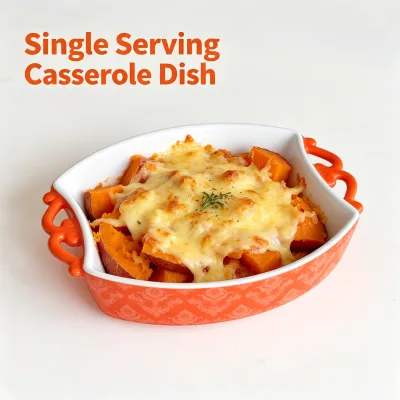


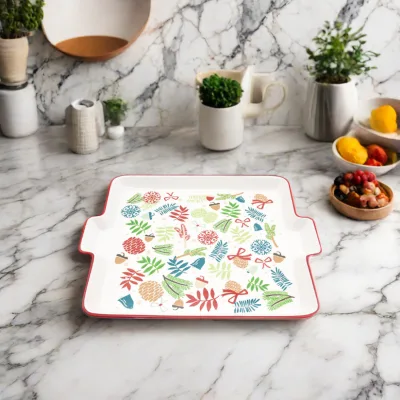


Rectangular Clear Acrylic Decor Tray with Green Agate Pattern and Handles
$37.99 - $39.99
MOQ: 100 Pieces

Comprehensive Sourcing Guide
Eco-Friendly Under Glazed Ceramic Tray Sourcing Guide
Sourcing eco-friendly under-glazed ceramic trays requires a nuanced understanding of material composition, glaze chemistry, and manufacturing ethics. Buyers must distinguish between standard ceramic ware and products specifically engineered for sustainability, such as those utilizing recycled porcelain or low-impact firing techniques. The term "under-glazed" implies a specific decorative technique where pigments are applied before the final transparent glaze layer, offering superior durability and scratch resistance compared to surface prints. This guide outlines the critical verification steps for procurement teams seeking reliable suppliers who can deliver high-quality, environmentally conscious tableware that meets both aesthetic and functional standards.
The procurement process begins with defining the exact product specifications, including shape, size, and glaze finish. Observed market data indicates a wide range of options, from rectangular baking dishes to round dinner plates, often featuring multicolor or striped designs. Buyers should prioritize suppliers who offer customization options for branding and packaging, as this adds significant value for retail clients. It is essential to verify that the "eco-friendly" claim is substantiated by material choices, such as the use of non-toxic, lead-free glazes and energy-efficient production methods, rather than relying solely on marketing terminology.
Product Scope and Observed Listing Signals
The current market landscape for ceramic trays reveals a diverse array of product types, including dinner plates, baking dishes, and serving platters. Listings frequently highlight features such as dishwasher safety, heat resistance above 200°C, and thick, oil-resistant glazes that facilitate easy cleaning. These functional attributes are critical for daily use and commercial hospitality settings. Buyers should note that many suppliers offer both standard stock designs and fully customized options, allowing for flexibility in inventory management and brand differentiation. The presence of "handmade" or "colored glaze" techniques suggests a premium positioning, often appealing to consumers who value artisanal quality and unique aesthetic appeal.
Observations from supplier listings indicate that materials range from standard porcelain to new bone china and stoneware, each offering distinct advantages in terms of durability and weight. The "under-glazed" technique is often associated with vibrant, long-lasting colors that do not fade with washing. Additionally, many products are marketed as non-disposable and eco-friendly, aligning with global trends toward sustainable consumption. Buyers must carefully review product descriptions to ensure that the specific tray type matches their intended application, whether for home dining, restaurant service, or specialized baking needs. The availability of various piece counts, such as 11-20 piece sets, further supports bulk procurement strategies for retailers.
Technical Specifications to Verify
Technical verification is paramount when sourcing ceramic trays, particularly regarding dimensional accuracy and thermal stability. Buyers should request detailed specifications for size, such as the observed 21x13.5x3.5 cm dimensions, to ensure compatibility with existing tableware collections or packaging logistics. Heat resistance is a critical performance metric, with many suppliers claiming resistance above 200°C, which is essential for oven-to-table service. It is advisable to confirm the specific thermal shock resistance of the ceramic body, as this determines the product's suitability for sudden temperature changes without cracking.
The glaze application process significantly impacts the product's longevity and safety. Under-glazed ceramics typically offer a smoother surface that is less prone to staining and bacterial growth. Buyers should verify the thickness and uniformity of the glaze layer, as uneven application can lead to chipping or peeling during use. Additionally, the shape and edge design should be evaluated for ergonomic handling and stacking efficiency. For baking trays, the depth and volume capacity, such as 4000ml or 600ml options, must align with specific culinary requirements. Confirming these technical details through sample testing or detailed product sheets is essential to avoid quality issues in large orders.
Compliance and Safety Documentation
Compliance with international food safety standards is non-negotiable for ceramic tableware. Buyers must ensure that all products meet the regulatory requirements of their target markets, particularly regarding heavy metal leaching. Common certifications observed in the market include FDA, LFGB, and CE/EU standards, which validate the safety of the materials and glazes used. LFGB, in particular, is known for its stringent testing protocols in the European market, making it a valuable indicator of high-quality, safe ceramic products. Procurement teams should request valid certification documents from suppliers and verify their authenticity through independent testing laboratories if necessary.
Beyond material safety, the environmental impact of the production process is a growing concern for modern buyers. "Eco-friendly" claims should be supported by evidence of sustainable practices, such as the use of recycled materials or energy-efficient kilns. Buyers should inquire about the supplier's waste management policies and the recyclability of the final product. Additionally, packaging materials should be minimal and recyclable to reduce the overall carbon footprint. Ensuring that the supplier adheres to these environmental standards not only mitigates regulatory risks but also enhances the brand's reputation among environmentally conscious consumers.
Cost Drivers and Commercial Terms
Several factors influence the cost structure of ceramic trays, including raw material quality, production complexity, and order volume. The use of premium materials like bone china or specialized porcelain can increase costs but offers superior durability and aesthetic appeal. Customization, such as unique shapes, colors, or packaging, also adds to the price due to the additional labor and setup required. Buyers should analyze the cost breakdown to understand the value proposition of each product option. It is important to balance cost considerations with quality requirements to avoid compromising on safety or durability.
Commercial terms, such as MOQ (Minimum Order Quantity) and payment conditions, vary significantly among suppliers. Observed MOQs range from 500 pieces to 50,000 pieces, depending on the product complexity and supplier capacity. Buyers should negotiate terms that align with their inventory strategy and cash flow. FOB (Free on Board) pricing is common, but buyers must account for additional shipping and insurance costs. Clear communication regarding lead times and production schedules is essential to ensure timely delivery. Understanding these commercial dynamics helps buyers make informed decisions that optimize their procurement budget and supply chain efficiency.
Supplier Qualification and Quality Control
Supplier qualification is a critical step in ensuring consistent product quality and reliable service. Buyers should conduct thorough due diligence, including verifying the supplier's business license, production capacity, and quality management systems. Visiting the factory or requesting virtual tours can provide insights into the manufacturing process and working conditions. It is also important to assess the supplier's ability to handle customization requests and their responsiveness to communication. Building a strong relationship with a qualified supplier can lead to better pricing, priority production, and improved problem-solving capabilities.
Quality control measures must be implemented throughout the production process to minimize defects and ensure product consistency. Buyers should establish clear quality standards and inspection criteria, including checks for cracks, glaze imperfections, and dimensional accuracy. Third-party inspection services can be employed to verify product quality before shipment. Additionally, implementing a robust sampling process allows buyers to evaluate the final product before committing to large orders. By prioritizing supplier qualification and rigorous quality control, buyers can reduce the risk of receiving substandard products and maintain customer satisfaction.
Long-Term Procurement Checks
Long-term procurement success depends on continuous monitoring and evaluation of supplier performance. Buyers should regularly review key performance indicators, such as on-time delivery rates, defect rates, and responsiveness to issues. Establishing a feedback loop with the supplier can help identify areas for improvement and foster a collaborative relationship. It is also important to stay updated on market trends and regulatory changes that may impact product requirements. Adapting to these changes ensures that the procurement strategy remains relevant and competitive.
Sustainability should be a core component of long-term procurement strategies. Buyers should regularly assess the environmental impact of their supply chain and seek opportunities to reduce it. This may involve working with suppliers to implement greener production practices or sourcing materials from more sustainable origins. Additionally, exploring innovative product designs that enhance durability and reduce waste can contribute to long-term cost savings and environmental benefits. By prioritizing sustainability and continuous improvement, buyers can build a resilient and responsible supply chain that supports both business growth and environmental stewardship.
FAQs
Can eco friendly under glazed ceramic trays be customized for specific designs?
Yes, customization is available for these ceramic trays. Buyers can request specific models, sizes, and multicolor striped styles. The products are made from porcelain or new bone china with a thick, oil-resistant glaze. This allows for tailored solutions that meet unique branding or functional requirements for daily use.
What certifications ensure the safety of these ceramic dinner plates?
These ceramic trays hold CE/EU, FDA, and LFGB certifications. These standards confirm the materials are safe for food contact and comply with international regulations. The glaze is eco-friendly and non-toxic, ensuring that the products meet strict health and safety requirements for commercial and household kitchen applications.
How heat resistant are these ceramic trays for baking dishes?
The ceramic trays offer heat resistance above 200℃. This makes them suitable for roasting chicken, lasagna, and baked rice dishes. The thick glaze ensures durability during high-temperature cooking. They are dishwasher safe and designed for daily use, providing reliable performance in both oven and microwave environments.
What is the typical MOQ for ordering these ceramic bake plates?
The minimum order quantity is typically 500 pieces. However, MOQs can range from 25 to 50,000 units depending on the supplier and customization level. Stock designs may have lower sample requirements, while custom specifications might require higher volumes to initiate production runs for efficient manufacturing.
Are these ceramic trays dishwasher safe and easy to clean?
Yes, these ceramic trays are dishwasher safe. They feature a thick, oil-resistant glaze that is easy to rinse and maintain. The non-disposable nature ensures long-term durability. The glazed surface prevents food from sticking, making cleaning quick and efficient for both home and commercial kitchen environments.
What materials are used to make these eco-friendly ceramic trays?
These trays are made from high-quality porcelain, ceramic, or new bone china. The materials are selected for their eco-friendly properties and durability. The handmade process ensures quality control, while the colored glaze adds aesthetic appeal. The raw materials are safe and compliant with food-grade standards for daily use.