Source Diesel Telescopic Boom Forklift for warehouses, construction, manufacturing
Find 30 Diesel Telescopic Boom Forklift units with varying lift heights and capacities. Compare specifications for heavy lifting tasks in warehouses, construction sites, and manufacturing plants to find the right equipment; compare the available evidence and request quotations based on your requirements.
Updated
Key considerations
Products List


Heavy Duty 5ton Handler Diesel Telescopic Forklift with 17m Max Rotating Boom
$44955.00 - $45220.00
MOQ: 1 set
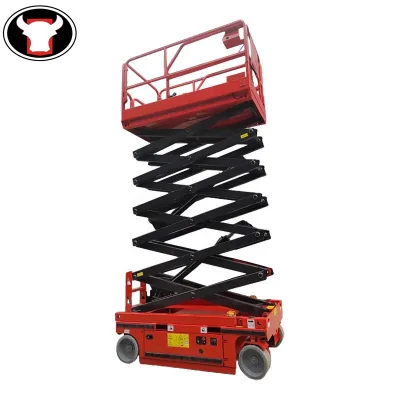


Telehandler Forklift (3.5 tons telescopic forklift, 6M telescopic wheel loader)
$30000.00 - $50000.00
MOQ: 1 Sets


China Hot Sale Boom Telescope Forklift Loader Telehandler Telescopic Handler
$30000.00 - $50000.00
MOQ: 1 Pieces

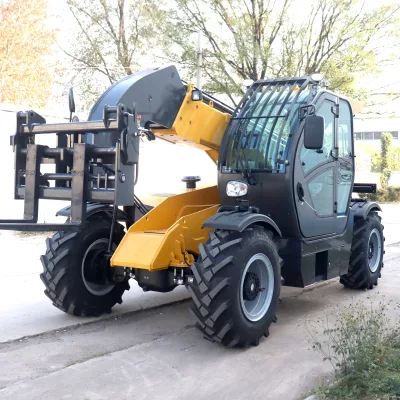
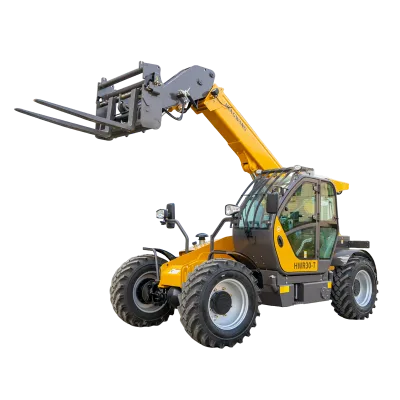
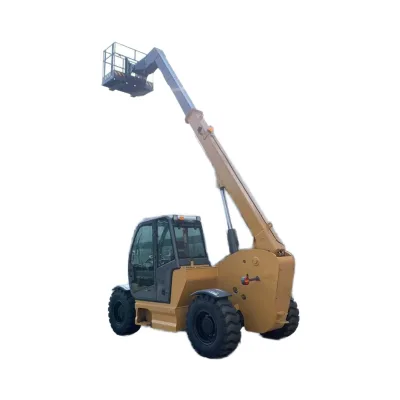
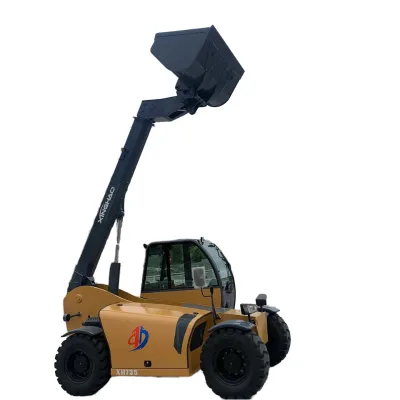

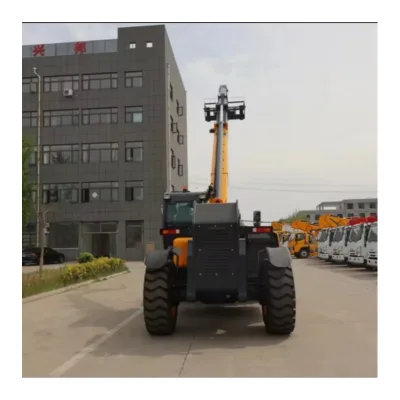
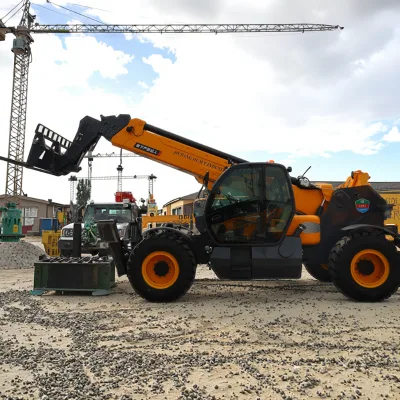
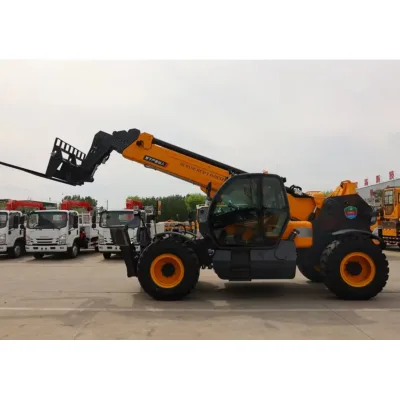


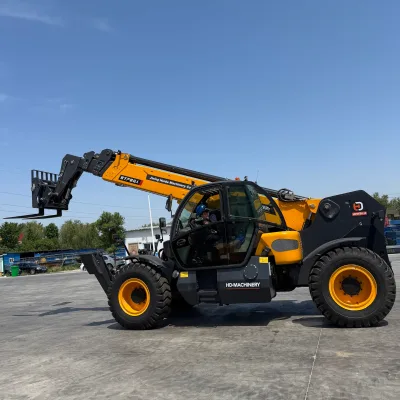
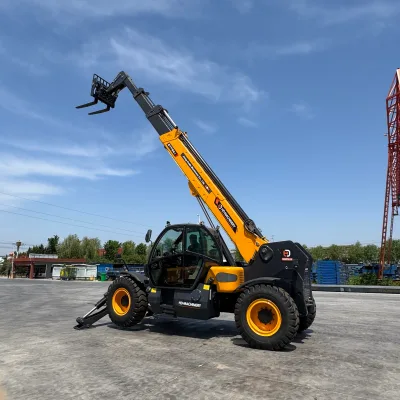
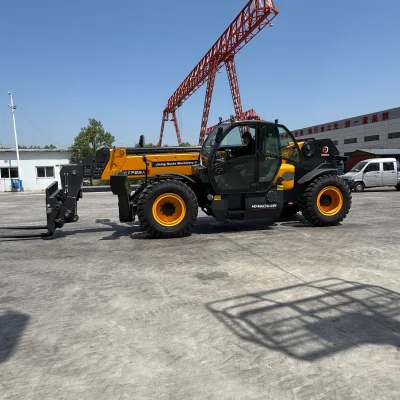


2WD 3 Tons Telescopic Boom Forklift 4m Telehandler with CE Container Equipment
$18860.00 - $19950.00
MOQ: 2 Pieces

Comprehensive Sourcing Guide
Diesel Telescopic Boom Forklift Sourcing Guide
Procuring a Diesel Telescopic Boom Forklift requires careful evaluation of heavy-duty material handling capabilities, particularly for construction and manufacturing environments where vertical reach and load stability are critical. Buyers must distinguish between standard counterbalance models and specialized telescopic variants, as the latter offer extended reach but often come with different operational constraints and safety protocols. The observed market data indicates a diverse range of products, from heavy forklifts with specific engine configurations to lighter-duty units with varying lifting capacities. Understanding these distinctions is essential for aligning equipment selection with specific site requirements, ensuring that the chosen machinery can handle the intended load centers and ground conditions without compromising safety or efficiency.
The sourcing process involves navigating a complex landscape of specifications, including engine power, lifting height, and operational weight, which vary significantly across listings. While some models feature robust diesel engines like the Dongfeng Cummins 4bt3.9-C80, others may utilize alternative power sources or lighter steel constructions. Buyers should prioritize verification of key performance indicators such as gradeability, turning diameter, and maximum lifting height to ensure compatibility with their operational workflows. Additionally, the presence of customization options and specific packing methods, such as nude container loading, can impact logistics and total cost of ownership, making it crucial to assess these factors early in the procurement cycle to avoid unexpected delays or expenses.
Product Scope and Observed Listing Signals
The current market for diesel telescopic boom forklifts presents a wide spectrum of product types, ranging from heavy-duty units with substantial operating weights to more compact models designed for specific industrial applications. Listings indicate a price range from approximately $1,999 to $59,900, reflecting the disparity between basic material handling equipment and advanced, high-capacity machinery. For instance, some models are rated for a maximum lifting capacity of 3,500 kg with a dead weight of 9,440 kg, while others are lighter, weighing around 1,850 kg with a max lift capacity of 230 kg. This variance underscores the importance of clearly defining operational needs, as the wrong choice can lead to inefficiencies or safety hazards in the workplace.
Observed product attributes reveal significant diversity in technical specifications, including lift heights exceeding 5,000 mm and varying load centers. Some units are designed for heavy construction works with a gradeability of 20-30%, while others are suited for building material shops with lower gradeability requirements. The presence of models like the FT25 and SCZ110-2 suggests that buyers can find equipment tailored to specific tasks, whether it involves high-reach lifting or precise material placement. Additionally, the availability of customization options allows buyers to adapt equipment to unique site conditions, although this may require additional verification of compatibility with existing infrastructure and operational protocols.
Technical Specifications to Verify
When evaluating diesel telescopic boom forklifts, buyers must meticulously verify critical technical specifications to ensure the equipment meets their operational demands. Key parameters include the maximum lifting height, which can range from 4,350 mm to over 6,000 mm, and the load center, typically standardized at 500 mm for many models. The engine type and power output are also crucial, with some units featuring Dongfeng Cummins diesel engines rated at 60 kW, while others may have different power sources. Buyers should confirm the rated speed, turning diameter, and ground clearance to ensure the forklift can navigate the intended workspace efficiently and safely, particularly in confined or uneven terrain.
Further verification should focus on the structural integrity and durability of the forklift, including the material composition and wheel specifications. Many heavy-duty models are constructed from steel and feature specific front and rear wheel sizes, such as 16/70-24 and 10.00-20, respectively, to enhance stability and traction. The operating weight, which can range from 8,000 kg to 9,440 kg for heavier units, is a critical factor in determining the forklift's stability and load-bearing capacity. Additionally, buyers should assess the lifting and lowering speed, typically between 3-5 m/min, to ensure it aligns with the required throughput and operational pace of their facility.
Compliance and Safety Documentation
Ensuring that diesel telescopic boom forklifts comply with relevant safety standards and regulations is paramount for risk management and operational continuity. Buyers should request comprehensive documentation, including CE certification and ISO9000 compliance, to verify that the equipment meets international quality and safety benchmarks. Although some listings mention Reach compliance, buyers must confirm the specific standards applicable to their region, as regulatory requirements can vary significantly between countries. This verification process helps mitigate legal liabilities and ensures that the forklift can be legally operated in the intended market, reducing the risk of fines or operational shutdowns.
Safety features and operational manuals are equally important components of the compliance documentation. Buyers should review the manufacturer's guidelines for safe operation, including load limits, stability factors, and emergency procedures. The presence of specific safety certifications, such as those related to structural integrity and hydraulic systems, should be confirmed through third-party testing reports or manufacturer declarations. Additionally, buyers should ensure that the forklift is equipped with necessary safety devices, such as overload alarms and stability control systems, to protect operators and prevent accidents during high-reach lifting operations.
Cost Drivers and Commercial Terms
The total cost of acquiring a Diesel Telescopic Boom Forklift is influenced by several factors, including the equipment's specifications, customization options, and commercial terms. The observed price range of $1,999 to $59,900 reflects the diversity in product capabilities, with heavier, high-reach models commanding higher prices due to their complex engineering and robust construction. Buyers should consider the minimum order quantity (MOQ), which typically ranges from 1 to 2 units, as this can impact negotiation leverage and pricing flexibility. Additionally, the cost of customization, such as specific color schemes or modified lifting heights, should be factored into the overall budget to avoid unexpected expenses.
Commercial terms, including payment methods, shipping arrangements, and warranty coverage, also play a significant role in the total cost of ownership. Many listings indicate that products are packed nude in containers, which can reduce packaging costs but may require additional handling precautions during transit. Buyers should negotiate clear terms regarding lead times, delivery schedules, and after-sales support to ensure a smooth procurement process. Furthermore, understanding the warranty coverage and availability of spare parts is crucial for minimizing downtime and maintenance costs over the equipment's lifecycle, ensuring long-term value and operational reliability.
Supplier Qualification and Quality Control
Selecting a reliable supplier for diesel telescopic boom forklifts requires thorough due diligence to ensure product quality and service reliability. Buyers should verify the supplier's manufacturing capabilities, including their production facilities, quality control processes, and certification status. Suppliers based in regions like Hebei, China, may offer competitive pricing, but buyers must assess their track record for delivering consistent quality and adhering to agreed-upon specifications. Requesting references or case studies from previous clients can provide valuable insights into the supplier's reliability and customer service standards, helping buyers make informed decisions.
Quality control measures should be integrated into the procurement process to ensure that the delivered forklifts meet the required standards. Buyers should conduct pre-shipment inspections or hire third-party inspection services to verify the equipment's condition, functionality, and compliance with specifications. This includes checking the engine performance, hydraulic systems, and structural integrity to identify any potential defects or issues before acceptance. Additionally, establishing clear communication channels with the supplier for ongoing support and issue resolution is essential for maintaining operational efficiency and addressing any post-delivery concerns promptly.
Long-Term Procurement Checks
Long-term procurement success with diesel telescopic boom forklifts depends on continuous monitoring of equipment performance and supplier reliability. Buyers should establish a maintenance schedule and track key performance indicators, such as uptime, repair frequency, and fuel efficiency, to assess the forklift's operational effectiveness. Regular inspections and preventive maintenance can extend the equipment's lifespan and reduce unexpected breakdowns, ensuring consistent productivity in material handling operations. Additionally, staying informed about technological advancements and industry trends can help buyers identify opportunities for upgrading or replacing equipment to maintain a competitive edge.
Supplier relationship management is also critical for long-term procurement success. Buyers should maintain open lines of communication with suppliers to address any issues promptly and negotiate favorable terms for future purchases. Building a partnership based on trust and mutual benefit can lead to better pricing, priority service, and access to new product offerings. Furthermore, regularly reviewing supplier performance against agreed-upon metrics, such as delivery times and product quality, ensures that the procurement strategy remains aligned with the organization's operational goals and financial objectives, fostering a sustainable and efficient supply chain.
FAQs
What is the maximum lifting height for a Diesel Telescopic Boom Forklift?
The maximum lifting height for this Diesel Telescopic Boom Forklift is 6000mm. This specification allows the machine to reach significant vertical distances for heavy material handling tasks. The model FT25 offers a slightly lower height of 4350mm, providing flexibility for various warehouse or construction site requirements.
Can the cab location be adjusted on these diesel forklifts?
No, the cab location is not adjustable on these diesel telescopic boom forklifts. The design features a fixed cab position to ensure structural stability and operator safety during heavy lifting operations. This fixed configuration is standard across the observed models, including the FT50 and SCZ series units.
What is the rated power of the Dongfeng Cummins engine used?
The Dongfeng Cummins 4bt3.9-C80 engine provides a rated power of 60kw. This diesel power source ensures reliable performance for demanding industrial applications. The engine supports the forklift's operational weight and lifting capacity, making it suitable for construction works and manufacturing plants requiring robust machinery.
What is the operating weight of the SCZ35-4 model?
The operating weight of the SCZ35-4 model is 8000kg. This substantial weight contributes to the machine's stability when handling heavy loads. The model is designed with a 3.5-ton capacity, ensuring safe and efficient material handling in various industrial environments while maintaining a low center of gravity.
What is the gradeability percentage for the Diesel Telescopic Boom Forklift?
The gradeability for the Diesel Telescopic Boom Forklift is 20%. This capability allows the machine to navigate inclined surfaces effectively during material transport. Some models may exhibit a gradeability of 30%, providing enhanced performance on steeper terrain commonly found in construction sites or uneven factory floors.
Is customization available for these diesel forklifts?
Yes, customization is available for these diesel telescopic boom forklifts. Buyers can request specific modifications to meet unique operational requirements. This flexibility allows for tailored solutions in various industries, including building material shops and machinery repair shops, ensuring the equipment fits specific workflow needs.
What is the standard packing method for these forklifts?
The standard packing method for these forklifts is by nude or nude in container. This approach minimizes packaging material and reduces shipping volume. The dimensions of the packed unit are approximately 6100mm by 2280mm by 2700mm, facilitating efficient loading and transportation from the place of origin in China.