Source Diesel Suction Control Valve for Industrial Engines
Find reliable diesel suction control valve options among 30 available products. Compare specifications such as SS304/SS316 body materials, 1/4 NPT standards, and CE certifications to identify suitable components for general industrial applications and fuel systems; compare the available evidence and request quotations based on your requirements.
Key considerations
Products List


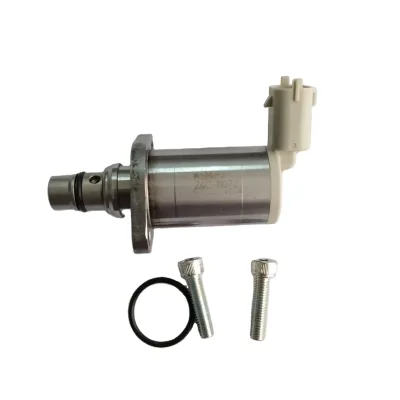


Comprehensive Sourcing Guide
Diesel Suction Control Valve Sourcing Guide
The diesel suction control valve serves as a critical component in fuel delivery systems, regulating pressure to ensure optimal engine performance and efficiency. Procurement teams must distinguish between general-purpose valves and specialized units designed for high-pressure common rail systems. The observed market listings indicate a diverse range of configurations, including spring-structured and expansion-type mechanisms, which cater to varying operational demands. Buyers should prioritize understanding the specific media compatibility, as some units are rated for gas, oil, or mixed fluids, while others are optimized for specific temperature ranges.
Sourcing strategies must account for the variability in product attributes observed across listings, such as the presence of customization options and OEM support. While some products feature stainless steel bodies with clamp or flange connections, others may utilize different materials or connection modes. It is essential to verify that the selected valve matches the exact port size and standard requirements of the existing fuel system. The availability of delivery times as short as one day suggests a robust supply chain, yet buyers must confirm if this applies to custom configurations or standard stock items to avoid production delays.
Product Scope and Observed Listing Signals
The product scope for diesel suction control valves encompasses a wide array of technical specifications, ranging from standard models to highly customized solutions. Listings reveal specific model codes and dimensions, such as lengths of 110 mm or 190 mm, which are critical for physical integration into engine bays. Buyers should note the presence of various structural designs, including spring-loaded and expansion types, alongside specific temperature ratings that define their operational limits. The diversity in packing methods, from color boxes to wooden cases, indicates that the market serves both individual replacements and bulk industrial shipments.
Observations of listed prices and minimum order quantities (MOQ) highlight significant market segmentation, with MOQs ranging from single units to thousands. This variance allows small workshops to source individual replacements while large fleets can negotiate bulk pricing. The presence of multiple shipping carriers like DHL, UPS, and FedEx suggests a global distribution network capable of rapid deployment. However, buyers must carefully cross-reference these signals with actual product capabilities, as a low MOQ does not guarantee the availability of specialized certifications or specific material grades required for heavy-duty diesel applications.
Technical Specifications to Verify
Technical verification begins with confirming the valve's structural integrity and material composition, as listings cite stainless steel and specific grades like SS304 or SS316. These materials are crucial for resisting corrosion in harsh fuel environments and ensuring longevity under pressure. Buyers must validate the exact port size, such as the observed 10 mm specification, to ensure compatibility with existing fuel lines. Additionally, the connection mode, whether clamp or flange, must align with the engine's manifold design to prevent leaks and maintain system pressure integrity.
Pressure and temperature ratings are equally critical, with some units designed for low-temperature environments while others operate at normal or elevated temperatures. The distinction between non-adjustable and adjustable pressure settings requires careful review, as the wrong selection can lead to fuel starvation or over-pressurization. Specific parameters like opening superheat and condensing temperatures, observed in some listings, provide insight into the valve's thermal response characteristics. Procurement teams should request detailed datasheets to confirm these values match the specific operating conditions of the target diesel engine.
Compliance and Safety Documentation
Compliance documentation is a non-negotiable aspect of sourcing diesel suction control valves, particularly given the safety risks associated with fuel system failures. Listings indicate the presence of major certifications such as CE, ISO, RoHS, and CCC, which serve as evidence of adherence to international safety and environmental standards. Buyers must verify that these certifications are current and applicable to the specific model being purchased, as certification status can vary between product batches or manufacturing lines. The absence of valid documentation can lead to regulatory penalties and increased liability in the event of an accident.
Safety features, such as the valve's ability to handle specific media like acid, water, oil, and gas, must be explicitly confirmed in the product documentation. The working life of the component, observed as 12 months in some listings, should be cross-referenced with the manufacturer's warranty terms to ensure adequate coverage. Buyers should also check for specific safety standards related to fuel pressure regulation, ensuring the valve meets the necessary requirements for the intended application. Proper documentation not only facilitates customs clearance but also provides a clear audit trail for quality assurance and maintenance planning.
Cost Drivers and Commercial Terms
Cost drivers for diesel suction control valves are influenced by material quality, customization levels, and the complexity of the manufacturing process. Stainless steel construction and specialized coatings increase production costs but offer superior durability and resistance to fuel degradation. Customization options, such as OEM support and specific model modifications, add to the base price but are often necessary for precise engine integration. Buyers should analyze the total cost of ownership, considering that a lower initial price may result in higher maintenance costs if the valve lacks the necessary durability or certification.
Commercial terms, including delivery time and shipping methods, play a significant role in the overall procurement strategy. While some listings offer a one-day delivery time, this may be limited to standard stock items and not applicable to custom orders. The choice of shipping carrier, such as DHL or FedEx, impacts both cost and speed, requiring a balance between urgency and budget constraints. Minimum order quantities (MOQ) ranging from one to ten thousand units also affect pricing tiers, with larger orders typically securing better unit costs. Buyers must negotiate clear terms regarding lead times and penalties for delays to mitigate supply chain risks.
Supplier Qualification and Quality Control
Supplier qualification requires a rigorous assessment of manufacturing capabilities and quality control processes to ensure consistent product performance. Buyers should verify that suppliers have established protocols for testing valves under various pressure and temperature conditions to prevent field failures. The presence of certifications like CE and ISO suggests a baseline level of quality management, but on-site audits or third-party inspections may be necessary for high-volume contracts. Trusting the supplier's ability to maintain consistent material grades, such as SS304 or SS316, is essential for long-term reliability.
Quality control extends to the packaging and handling of the valves, as improper storage can compromise the integrity of the components. Listings indicate various packing methods, from PE bags to wooden cases, which must be selected based on the shipping distance and environmental conditions. Buyers should ensure that the supplier provides clear instructions for handling and storage to prevent damage during transit. Establishing a clear communication channel for quality issues and returns is also vital, as it allows for rapid resolution of any defects that may arise after the initial inspection.
Long-Term Procurement Checks
Long-term procurement checks focus on the sustainability of the supply relationship and the ability of the supplier to meet evolving demands. Buyers should monitor the supplier's track record for delivering on time and maintaining consistent quality over multiple orders. The availability of spare parts and the supplier's capacity to support future model changes are critical factors in maintaining operational continuity. Regular performance reviews and feedback loops help identify potential issues before they escalate into supply chain disruptions.
Continuous verification of product specifications and certifications is necessary to ensure ongoing compliance with changing industry standards. As diesel engine technologies evolve, the requirements for suction control valves may shift, necessitating updates to the procurement specifications. Buyers should maintain a database of supplier performance metrics, including defect rates and response times, to inform future sourcing decisions. Establishing a strategic partnership with a reliable supplier ensures access to the latest innovations and maintains a competitive edge in the market.
FAQs
What certifications are available for diesel suction control valves?
Available certifications include CE, ISO, RoHS, and CCC. These standards ensure compliance with international safety and quality requirements. Buyers can verify specific documentation based on their regional regulations. The product attributes confirm that these certifications are supported for the listed models, providing assurance for global sourcing needs.
Can I customize the diesel suction control valve design?
Yes, customization is available for these valves. OEM support allows buyers to tailor specifications to their specific operational requirements. This flexibility ensures that the components integrate seamlessly into existing systems. The product page explicitly lists customization as an available attribute for interested purchasers.
What is the minimum order quantity for these valves?
The minimum order quantity is 1 unit. This low MOQ allows buyers to test samples or order small batches without significant commitment. The observed range extends up to 10,000 units, accommodating various procurement scales. This flexibility supports both trial orders and larger industrial supply contracts effectively.
How long does delivery take for these valves?
The delivery time is listed as 1 day. This rapid turnaround supports urgent procurement needs and just-in-time inventory strategies. Buyers should confirm specific shipping methods like DHL or FedEx for actual transit times. The fast processing indicates efficient supply chain management for immediate operational requirements.
What materials are used in the valve body construction?
The valve body is constructed from Stainless Steel, specifically SS304 or SS316 grades. These materials provide durability and resistance to corrosion in various media conditions. The choice of stainless steel ensures longevity and reliability in demanding industrial environments. Buyers can select the appropriate grade based on their specific chemical exposure requirements.
What is the warranty period for these valves?
The warranty period is 1 year. This coverage provides protection against manufacturing defects and ensures product reliability. Buyers receive assurance regarding the quality and performance of the components during the initial operational phase. The warranty terms are clearly stated to support customer confidence in the purchased equipment.