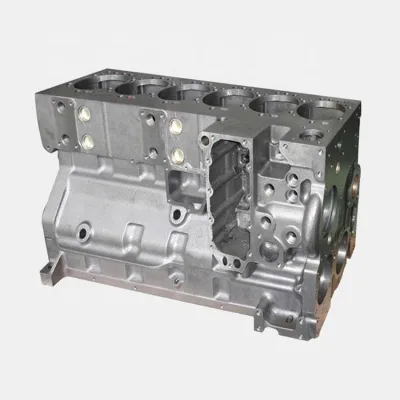
Source Digger Excavator Cylinder Block for Construction Mining Excavation
Find 30 listings for the Digger Excavator Cylinder Block from verified suppliers in China. Buyers can compare part numbers, engine models, and prices ranging from 1 to 10000 USD with minimum order quantities starting at 1 piece.
Key considerations
Products List
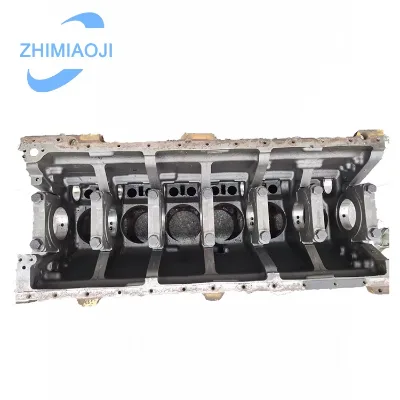
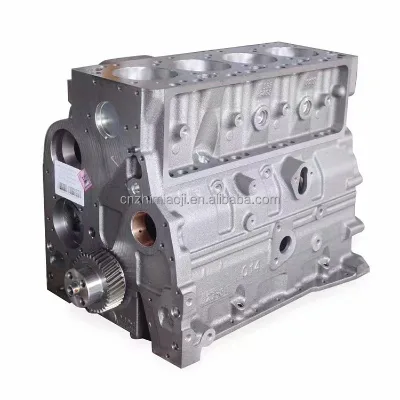
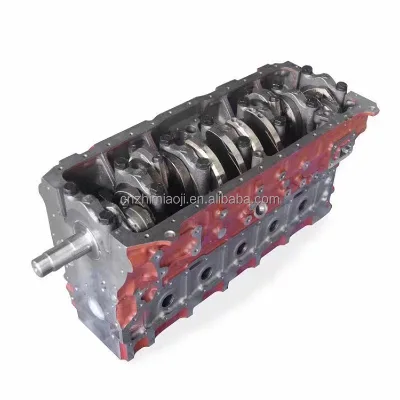
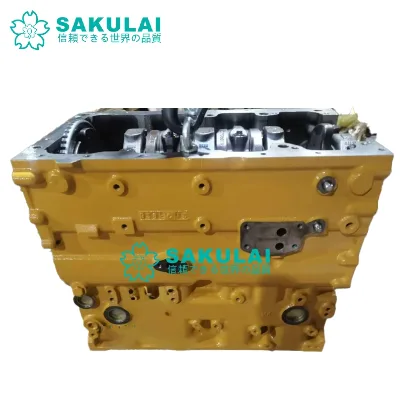
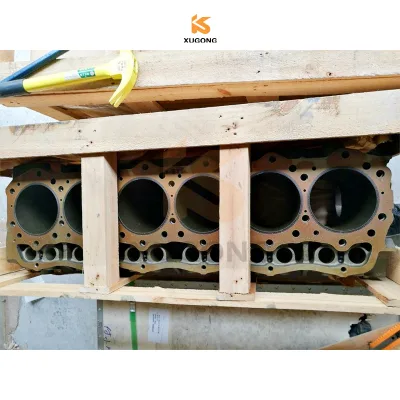


S4d95le - 5 Cylinder Block PC50mr-2 Excavator Excavator Cylinder Block
$800.00 - $2500.00
MOQ: 1 Pieces






Comprehensive Sourcing Guide
Strategic Sourcing Guide for Digger Excavator Cylinder Blocks
Procuring cylinder blocks for heavy-duty digging equipment requires a disciplined approach that balances technical compatibility with rigorous supplier verification. The cylinder block serves as the structural backbone of the engine, housing the cylinders where combustion occurs and supporting critical components like the crankshaft and camshaft. For buyers in the excavation sector, sourcing a reliable unit involves navigating a complex landscape of part numbers, material specifications, and origin verification. This guide outlines the essential factors for evaluating diesel engine cylinder blocks, specifically tailored for applications involving excavators and heavy machinery.
Technical Specifications and Compatibility Verification
The first step in any sourcing process is the precise identification of the engine model and the corresponding cylinder block specifications. In the current market, a single keyword search often yields a wide array of options, necessitating a deep dive into specific part numbers and engine models. Data indicates that cylinder blocks are frequently associated with specific engine families, such as the 3306 series or the DB58 series. Buyers must cross-reference their machinery's engine model against the supplier's listed "Engine Model" or "Part Number" fields. For instance, specific listings highlight compatibility with the 3306 engine, while others reference the DB58 or 4tnv94 models.
Material composition is another critical technical variable. The integrity of the cylinder block depends heavily on the alloy used. High-performance blocks often utilize materials like 35MnB, which offers a balance of strength and durability suitable for high-stress environments. When evaluating a product listing, the buyer should verify the stated material against the operational demands of the specific excavator. Furthermore, the physical dimensions and weight are essential for logistics and installation planning. Observed data shows significant variance in weight, ranging from approximately 35 kg to 150 kg depending on the engine size and design. Similarly, package dimensions can vary from compact 100x25x25 cm units to larger 120x120x120 cm crates, directly impacting shipping costs and handling requirements.
Compliance, Certification, and Quality Standards
In the realm of industrial procurement, compliance is often a point of confusion due to the variability in supplier claims. While general industry standards like ISO 9001 are frequently cited in the broader market, specific product listings may not always provide concrete evidence of certification status. Buyers must treat certification claims with caution. Some suppliers list "OEM Standard" or "High Quality" as their primary quality descriptors, while others explicitly state that machinery test reports are "Not Available."
When assessing a supplier, the absence of a formal test report does not automatically disqualify a vendor, but it does shift the burden of verification to the buyer. The presence of a "video outgoing-inspection" is a positive indicator, suggesting the supplier is willing to provide visual proof of the product's condition prior to shipment. Buyers should prioritize suppliers who offer this transparency. Additionally, warranty terms serve as a proxy for confidence in product longevity. Listings indicating a "6 Month" or "6 Months" warranty provide a baseline for recourse, though the specific terms of coverage must be clarified in the contract. It is crucial to note that while some products claim "High Qiuality" or "High-Quality," these are subjective observations unless backed by third-party testing data.
Cost Drivers and Pricing Structures
The pricing of cylinder blocks is influenced by a multitude of factors, including material costs, manufacturing complexity, and logistics. The observed market range for these components is extensive, spanning from $1 to $10,000 USD. This wide disparity is not merely a function of brand but is heavily dictated by the engine model, the specific part number, and the condition of the unit. For example, a block designed for a 3306 engine may carry a different price point than one for a DB58 engine due to differences in casting complexity and material volume.
Beyond the unit price, buyers must account for the Minimum Order Quantity (MOQ) and payment terms. Current market data suggests an MOQ as low as 1 piece for many suppliers, which is advantageous for small repair shops or emergency replacements. However, larger orders may trigger different pricing tiers. Payment methods also vary, with options including TT, Money Gram, Western Union, and PayPal. The choice of payment method can influence the final cost due to transaction fees and the level of buyer protection offered. Furthermore, the "Delivery time" is often tied directly to the receipt of payment, meaning that the speed of financial settlement can directly impact the lead time. Buyers should calculate the total cost of ownership, including shipping, insurance, and potential customs duties, rather than focusing solely on the listed unit price.
Typical Applications and Operational Context
Cylinder blocks are not generic components; they are engineered for specific operational environments. The primary application for these parts is in engineering machinery, with a heavy emphasis on excavators. The "Key Word" data often points to specific excavator models or brands, such as Caterpillar, indicating that these blocks are designed to meet the rigorous demands of earth-moving operations. The "Working Hours" specification provides insight into the expected lifespan of the component. Listings indicating a range of 4001-6000 working hours suggest a component designed for medium-to-heavy duty cycles.
The "Starting system" is another contextual factor. Most heavy machinery relies on an "Electricity Starting" system, and the cylinder block must be compatible with the ignition and electrical architecture of the specific machine. The "Application" field often explicitly states "Excavator," confirming the intended use. However, buyers must be wary of generic listings that claim compatibility with "Other" brands without providing a detailed compatibility matrix. The "Product name" often includes descriptors like "Diesel Engine cylinder block" or "EFI wheel excavator cylinder assembly," which helps in identifying the fuel system type and the specific machinery configuration.
Supplier Evaluation and Trust Indicators
Evaluating a supplier for heavy machinery parts requires looking beyond the surface-level product description. The "Place of Origin" is a significant factor, with the majority of the observed data pointing to China, specifically regions like Guangdong. While this is a common manufacturing hub, it necessitates a thorough vetting process to ensure the supplier has the necessary infrastructure to maintain quality control. The "Brand Name" associated with the product can also be a clue; some listings use specific brand names like "CSJHPSS" or "CSJHBSS," while others use generic descriptors like "for CAT."
A critical evaluation metric is the "Condition" of the product. Most listings specify "New," but buyers should verify if this refers to a brand-new OEM part or a remanufactured unit. The "Packing" method is also a strong indicator of supplier professionalism. High-quality suppliers often use "Wooden Case Protection" or "Wooden box" to ensure the heavy component arrives without damage. The "Logistics method" being "Customize" suggests flexibility in shipping, which can be beneficial for oversized items. Buyers should request photos of the actual packing and the product itself to verify these claims before finalizing an order.
Quality Control and Long-Term Procurement Considerations
Ensuring long-term reliability requires a proactive approach to quality control. Since "machinery test report" availability is inconsistent, buyers should consider implementing their own inspection protocols. This may involve requesting detailed dimensional drawings or material certificates from the supplier. The "Quality" attribute, often listed as "OEM Standard" or "High Quality," should be treated as a claim that requires validation. For critical components like cylinder blocks, the risk of failure is high, and the cost of downtime in excavation projects is substantial.
Long-term procurement strategies should focus on building relationships with suppliers who demonstrate consistency in their "Delivery" processes and "Warranty" support. A supplier that consistently provides "video outgoing-inspection" and maintains a clear "Part number" database is more likely to be a reliable partner. Buyers should also consider the availability of spare parts and the ease of sourcing replacements in the future. The "Year" of manufacture, often listed as 2024 in current data, indicates the recency of the product, but buyers should ensure that the design is not obsolete for their specific machinery fleet.
Comparative Analysis of Product Attributes
To facilitate decision-making, buyers can compare key attributes across different potential suppliers. The following table summarizes the observed variations in critical product specifications:
| Attribute | Observation A | Observation B | Observation C |
|---|---|---|---|
| Engine Model | 3306 | DB58 | 4tnv94 |
| Material | 35MnB | Not Specified | Not Specified |
| Weight | 68.0 kg | 150 kg | 35 kg |
| Warranty | 6 Month | 6 Months | Not Specified |
| MOQ | 1 pcs | 1 Piece | 1 Piece |
| Packing | Wooden Case | Wooden box | Not Specified |
| Origin | China | Guangdong, China | Not Specified |
| Test Report | Not Available | Not Available | Not Available |
This comparison highlights the importance of matching the specific engine model and weight requirements to the supplier's inventory. A mismatch in weight, for example, could indicate a different casting process or a different engine variant entirely. Similarly, the warranty terms, while often similar, must be verified in the contract to ensure they cover the specific defects relevant to the buyer's operation.
Conclusion
Sourcing a Digger Excavator Cylinder Block is a multifaceted process that demands attention to technical details, supplier reliability, and cost structures. By carefully analyzing part numbers, material specifications, and origin data, buyers can mitigate the risks associated with purchasing critical engine components. The variability in the market, from price ranges to warranty terms, requires a tailored approach for each procurement need. Ultimately, the goal is to secure a component that ensures operational continuity and minimizes downtime in the demanding environment of heavy machinery operation. Buyers should prioritize transparency, verification of claims, and clear communication with suppliers to achieve the best outcomes.
FAQs
What engine models are compatible with these cylinder blocks?
These blocks are designed for specific engine models including 3306, DB58, and 4tnv94. Buyers must verify their machinery engine model against the listed specifications to ensure proper fitment and operational compatibility.
Which material is used to manufacture these cylinder blocks?
The primary material specified for these blocks is 35MnB alloy. This material is selected to provide the necessary strength and durability required for high-stress environments in heavy-duty excavator applications.
Can I order a single unit with a low minimum order quantity?
Yes, the minimum order quantity is one piece for most listings. This allows buyers to purchase single units for emergency replacements or small repair projects without needing to meet bulk order requirements.
How long is the warranty period for these diesel engine parts?
The standard warranty period offered is six months for these new cylinder blocks. This coverage provides a baseline for recourse against defects, though specific terms should be clarified in the purchase contract.
Where are these cylinder blocks manufactured and shipped from?
The products originate from China, with specific mentions of Guangdong as the place of origin. Buyers should expect shipping logistics to be customized based on the specific destination and package dimensions.
What packaging methods are used to protect these heavy components?
Suppliers typically use wooden cases or wooden boxes for protection during transit. This packaging method ensures the heavy cylinder blocks, which can weigh up to 150 kg, arrive without damage.
Which payment methods are accepted for these excavator parts?
Accepted payment methods include TT, Money Gram, Western Union, and PayPal. The delivery time is often tied directly to the receipt of payment, so prompt financial settlement is required to initiate shipping.