Source Digital Adjustable Micropipette for Lab, Hospital, Clinic
Compare 30 Digital Adjustable Micropipette options from verified Chinese manufacturers. Buyers can evaluate specifications like channel count, volume range, and sterilization methods to find the right tool for laboratory, hospital, or clinical use; compare the available evidence and request quotations based on your requirements.
Key considerations
Products List


Micropipette Single Channel Digital Variable Volume Pipette Adjustable Pipette
$6.00 - $20.00
MOQ: 100 Pieces


Lab Adjustable Various Volume Single Channel Mircopipette Digital Pipette
$6.99 - $15.99
MOQ: 2 Pieces
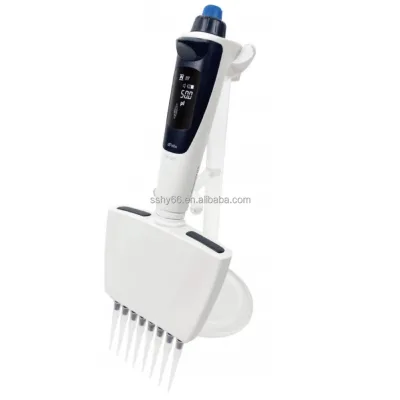


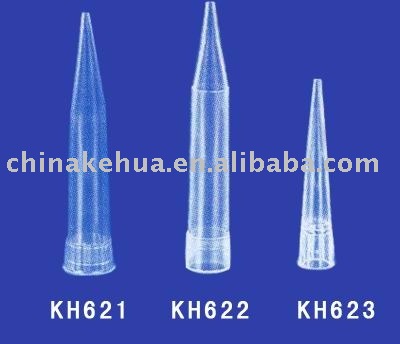
$0.00 - $0.00
MOQ: 50000 Minimum


Comprehensive Sourcing Guide
Digital Adjustable Micropipette Sourcing Guide
Procuring digital adjustable micropipettes requires a clear understanding of the distinct operational modes available in the current market. Buyers must distinguish between manual adjustable models and fully electronic variants, as the latter offer automated volume control and enhanced precision for high-throughput environments. The observed product landscape includes single-channel, multi-channel, and multi-functional electronic designs, each serving different laboratory workflows. Understanding these categories is the first step in aligning procurement with specific experimental needs, ensuring that the selected instrument supports both routine tasks and complex, high-precision applications without unnecessary cost or complexity.
The sourcing process also involves evaluating the physical attributes and customization options provided by manufacturers. Products are often available in colorful, non-disposable, or single-use configurations, with materials typically comprising rubber and plastic components. Buyers should verify whether the pipettes are sterile, utilizing ethylene oxide treatment, or supplied non-sterile, depending on the sensitivity of the intended assays. Additionally, the availability of OEM and ODM support allows organizations to tailor branding and specific functional features, making it essential to communicate customization requirements early in the supplier engagement phase to ensure the final product meets exact laboratory standards.
Product Scope and Observed Listing Signals
The current market listings reveal a diverse range of pipette models, including specific identifiers such as HS-N64, TJAPPT01, TSMDAP01, TJMPP02, TSDPG03, and TJDMP01. These model numbers often correspond to distinct features, such as single-channel versus eight- or twelve-channel configurations, and manual versus electronic operation. Buyers should note that while some listings emphasize competitive pricing and excellent quality, others highlight specific delivery times ranging from fifteen to thirty days. This variation indicates that lead times are not uniform across suppliers, and procurement teams must account for these differences when planning inventory replenishment or project timelines to avoid operational delays.
Observed listing signals also point to significant variations in packaging and shipping methods. Products are commonly packed in boxes or cartons, with quantities ranging from fifty pieces per carton to individual packs, and shipped via sea, air, or express courier. The place of origin is predominantly China, with specific mentions of regions like Hunan, suggesting a concentrated manufacturing hub. Buyers should verify the exact packing details for each order, as improper packaging can lead to damage during transit. Furthermore, the presence of digital displays on certain models indicates a shift toward user-friendly interfaces, which should be prioritized for operators who require frequent volume adjustments and real-time feedback during experiments.
Technical Specifications to Verify
Technical verification must begin with the volume range and channel configuration of the pipette. Listings indicate volumes such as 10UL, 100UL, and 1000UL, alongside standards like 1ml, 2ml, and 3ml, which may refer to tip compatibility or specific model capacities. Buyers need to confirm whether the device is a single-channel, eight-channel, or twelve-channel unit, as this directly impacts throughput and ergonomic considerations. The distinction between fix and adjustable settings is also critical, particularly for manual models, where the ease of volume adjustment can affect operator fatigue and accuracy over long periods of use.
Power source and display type are additional technical factors that require careful assessment. While some pipettes are manual, others are electronic, featuring digital displays for precise volume setting and monitoring. Buyers should verify the battery life and charging capabilities of electronic models, as well as the availability of replacement parts. The material composition, typically rubber and plastic, should be evaluated for durability and chemical resistance. Additionally, the sterile status, whether E.O. treated or non-sterile, must align with the specific contamination control requirements of the laboratory, ensuring that the pipette does not compromise the integrity of sensitive biological samples.
Compliance and Safety Documentation
Compliance documentation is a cornerstone of safe and legal procurement, with certifications such as ISO, CE, RoHS, and FDA being commonly cited in product listings. Buyers must verify the specific version of these certifications, such as ISO13485, which is critical for medical device manufacturing, and ensure that the supplier holds valid certificates for the specific models being purchased. The presence of CE and ISO marks indicates adherence to European and international quality standards, while RoHS certification ensures that hazardous substances are minimized in the product materials. These documents provide assurance that the pipettes meet rigorous safety and environmental regulations, reducing liability for the purchasing organization.
Safety and quality assurance also extend to the manufacturing standards and quality control processes employed by the supplier. Listings often mention excellent quality and competitive pricing, but buyers should request detailed quality reports and test data to substantiate these claims. The warranty period, typically three years for electronic models, is a significant indicator of manufacturer confidence and should be clearly defined in the purchase agreement. Additionally, buyers should verify that the supplier adheres to recognized standards for single-use and non-disposable products, ensuring that the pipettes are manufactured in controlled environments that prevent cross-contamination and ensure consistent performance across batches.
Cost Drivers and Commercial Terms
Cost drivers for digital adjustable micropipettes include the complexity of the mechanism, the number of channels, and the inclusion of digital displays. Electronic models with multi-channel capabilities and digital interfaces generally command higher prices due to their advanced technology and precision. Buyers should also consider the cost of consumables, such as tips, which may be proprietary and ongoing expenses. The observed price range of 0-999 USD suggests significant variation, and buyers must evaluate the total cost of ownership, including maintenance, calibration, and replacement parts, rather than focusing solely on the initial purchase price.
Commercial terms, including minimum order quantities (MOQ) and payment methods, vary among suppliers. Listings indicate MOQs ranging from 100 pieces to 50,000, with payment typically accepted via T/T. Buyers should negotiate terms that align with their budget and inventory management strategies, considering the lead times of 15-30 days for production and shipping. It is essential to clarify who bears the cost of shipping and insurance, as well as the procedures for handling defective items. Clear communication of these terms helps avoid unexpected expenses and ensures a smooth transaction process, allowing for better financial planning and resource allocation.
Supplier Qualification and Quality Control
Supplier qualification involves assessing the manufacturer’s production capabilities, quality management systems, and track record. Buyers should verify the supplier’s certifications, such as ISO13485, and inquire about their quality control processes, including incoming material inspection, in-process testing, and final product verification. The ability to provide OEM and ODM services indicates a flexible manufacturing process, but buyers must ensure that these customizations do not compromise the core quality and reliability of the pipettes. Requesting samples for testing is a crucial step to evaluate the ergonomic design, accuracy, and durability of the product before committing to a large order.
Quality control also extends to the packaging and shipping processes, which can impact the condition of the pipettes upon arrival. Buyers should verify that the supplier uses appropriate packaging materials to protect the instruments from damage during transit. The observed shipping methods, including sea, air, and express courier, should be selected based on the urgency and value of the order. Additionally, buyers should establish clear communication channels with the supplier for post-sale support, including warranty claims and technical assistance. A reliable supplier will provide timely responses and effective solutions to any issues that arise, ensuring minimal disruption to laboratory operations.
Long-Term Procurement Checks
Long-term procurement checks focus on the sustainability of the supplier relationship and the ongoing performance of the pipettes. Buyers should monitor the consistency of product quality over time, tracking any changes in accuracy, durability, or user experience. Regular calibration and maintenance schedules should be established to ensure that the pipettes continue to meet performance standards. Buyers should also stay informed about updates in regulatory requirements and industry standards, ensuring that the procured pipettes remain compliant with current laws and best practices. This proactive approach helps mitigate risks and ensures that the laboratory remains equipped with reliable and compliant tools.
Finally, buyers should evaluate the supplier’s ability to adapt to changing market conditions and technological advancements. The pipette market is evolving, with new features and technologies emerging regularly. Buyers should maintain open dialogue with suppliers to explore new product offerings and improvements that could enhance laboratory efficiency. Additionally, reviewing the total cost of ownership periodically, including consumables and maintenance, helps identify opportunities for cost savings. By maintaining a strategic and informed approach to procurement, buyers can ensure that their laboratory remains well-equipped with high-quality, reliable, and compliant digital adjustable micropipettes.
FAQs
What certifications do the digital adjustable micropipettes hold?
The products hold CE, ISO, and ISO13485 certifications. Some models also include FDA and RoHS compliance. These certifications ensure the equipment meets international safety and quality standards for laboratory and hospital use.
Can I customize the pipette specifications for my lab needs?
Yes, customization is available for these automatic adjustable pipettes. You can request OEM or ODM support to tailor the device. This allows you to adapt the single or multi-channel options to your specific laboratory requirements.
What is the minimum order quantity for purchasing these pipettes?
The minimum order quantity is typically 100 pieces. Some listings indicate a range from 1 to 50,000 units depending on the specific model. This flexible MOQ allows buyers to start with smaller batches if needed.
How long does it take to receive the pipettes after ordering?
Delivery times generally range from 15 to 30 days. Specific models may require 20 to 25 days for processing and shipping. The exact lead time depends on the selected model and current production schedules at the factory.
Are these pipettes available in sterile or non-sterile versions?
Both sterile and non-sterile options are available for purchase. Sterile units are treated with E.O. gas before packaging. This ensures the equipment is ready for immediate use in sensitive laboratory or hospital environments without additional preparation.
Which channel configurations are available for the electronic pipettes?
The pipettes come in single, eight, and twelve channel configurations. You can choose between single-channel or multi-channel models based on your throughput needs. This variety supports different laboratory workflows and sample processing volumes.
What is the warranty period for the digital adjustable micropipettes?
The warranty period is three years for the electronic models. This coverage ensures reliability for laboratory operators using the equipment daily. The warranty applies to the specific digital display and adjustable mechanisms included in the product design.