Source Digital Manual Sample Cutting Machine for Paper, Textile, and Cobb Testing
Source a Digital Manual Sample Cutting Machine from 30 verified listings. Compare specifications such as spindle speed, cutting stroke, and automatic grade to find the right tool for paper quantitative sampling, textile fabric testing, and Cobb absorption analysis.
Key considerations
Products List


GS-5000b Precision Cutting Machine for Preparing High-Quality Samples
$3600.00 - $3800.00
MOQ: 1 Pieces

Manual Paper Cutter Tester Cardboard Quantitative Sampler Manual Cutting Sampler
$80.00 - $100.00
MOQ: 1 Sets


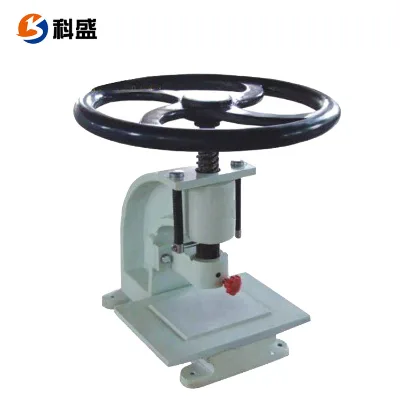


5012 Electric Dumbbell Sample Cutting Machine Electronic Sample Notching Machine
$500.00 - $800.00
MOQ: 1 Sets

Automatic Dumbbell Shape Sample Cutter/ Dumbbell Shape Sample Making Machine
$500.00 - $800.00
MOQ: 1 Sets


Pneumatic Slicer Cutting Dumbbell Specimen Machine Tensile Test Sample Manual Press Cutter
$1000.00 - $1200.00
MOQ: 1 Pieces


Digital Cutting Machine for Precision Sample Cutting and CNC Applications
$9000.00 - $12000.00
MOQ: 1 Sets

Digital Sample Cutting Machine for Corrugated Boxes with CNC Precision
$8000.00 - $15000.00
MOQ: 1 Sets

Comprehensive Sourcing Guide
Digital Manual Sample Cutting Machine Sourcing Guide
The Digital Manual Sample Cutting Machine serves as a critical tool for laboratories and quality control departments requiring precise, repeatable sample preparation from nonmetallic materials such as paper, textiles, and composites. Unlike industrial-scale cutting systems designed for high-volume production, these units prioritize accuracy and versatility in small-batch testing environments. The observed market data indicates a diverse range of configurations, from desktop units with manual feed capabilities to semi-automatic systems capable of handling specific sample geometries like circular or tensile samples. Buyers must distinguish between machines designed for general appearance quality testing and those specialized for quantitative sampling, as the internal mechanics and spindle speeds vary significantly to accommodate different material thicknesses and cutting requirements.
Procurement decisions for this equipment hinge on matching the machine's mechanical stroke and feed rate to the specific sample dimensions required by international testing standards. The available inventory includes models with spindle strokes ranging from 60mm to 80mm and feed rates that can be manually controlled or automated, allowing for fine-tuned adjustments during the cutting process. When evaluating a potential purchase, the buyer must verify that the machine's cutting table size and maximum sheet specifications align with the physical dimensions of the raw materials being tested. A mismatch in these physical parameters can lead to inefficient workflows or the inability to process standard test specimens, rendering the equipment unsuitable for the intended laboratory application.
Product Scope and Observed Listing Signals
The current market listing signals reveal a product spectrum that spans from basic desktop cutters to more complex semi-automatic systems, each defined by distinct operational characteristics. Listings indicate the presence of machines classified as solid pulse lasers or mechanical cutters, with some units explicitly designed for laser control fault cutting while others rely on traditional mechanical spindles. The observed models, such as the LS70-1310 and SQ-80, demonstrate that the scope includes both laser-based and mechanical solutions, though the majority of the data points toward mechanical cutting systems for nonmetallic materials. Buyers should carefully scrutinize the "Laser Classification" and "Laser Technology" fields to ensure the selected unit matches the material properties, as laser systems may not be appropriate for all nonmetallic substrates compared to mechanical blade systems.
Commercial signals in the listings highlight a wide variance in pricing and packaging standards, reflecting the diversity of the equipment's intended use cases. Prices observed in the market range from approximately $80 to over $86,000, a disparity that suggests significant differences in build quality, automation levels, and included accessories. The packaging data indicates that some units are shipped in basic sea transportation containers, while others, particularly those with higher precision requirements, are packed in standard export wooden cases to ensure protection during transit. This variation necessitates a clear definition of the buyer's budget and logistical requirements before engaging with suppliers, as the cost difference often correlates with the level of automation and the robustness of the machine's frame.
Technical Specifications to Verify
When evaluating the technical capabilities of a Digital Manual Sample Cutting Machine, the spindle speed and stroke length are the primary parameters that determine the machine's versatility and cutting precision. The observed data shows spindle speeds ranging from 2100r/Min to 5000r/Min, with some models offering a variable range of 500-5000r/Min to accommodate different material densities. Buyers must verify that the specific model's spindle speed range covers the requirements for their most challenging materials, as insufficient speed can lead to frayed edges or incomplete cuts, while excessive speed may damage delicate samples. Additionally, the spindle stroke, observed in listings as 60mm or 80mm, dictates the maximum depth of cut and the size of the sample that can be processed in a single pass, making it a critical dimension for workflow planning.
The feed rate and cutting method capabilities are equally vital for ensuring the machine can handle both manual and automated operations efficiently. Listings indicate feed rates that can be as low as 0.01mm/Min for high-precision tasks or as high as 30mm/Min for faster processing, with manual feed speeds reaching up to 15mm/S. It is essential to confirm whether the machine supports the specific cutting methods required, such as manual, automatic, or a combination of both, as this affects the operator's workload and the consistency of the results. Furthermore, the cutting piece specifications, such as the ability to cut a φ200Xφ32X0.9mm sample, must be validated against the buyer's standard testing protocols to ensure the machine can produce the exact sample geometries needed for compliance testing.
Compliance and Safety Documentation
Compliance and safety documentation for digital manual sample cutting machines often include certifications such as CE and ISO 17025, which are critical for ensuring the equipment meets international safety and quality standards. The presence of CE certification in the observed listings suggests that the machines adhere to European health, safety, and environmental protection standards, which is a prerequisite for many buyers in global markets. However, buyers must verify that the specific model they intend to purchase carries the valid certification for their region, as certification status can vary between different product lines and manufacturing batches. The inclusion of ISO 17025 certification is particularly relevant for laboratories that require their equipment to be part of an accredited testing process, ensuring that the machine's performance is traceable and reliable.
Safety features and operational documentation are essential components that must be reviewed before finalizing a procurement decision, especially for machines with high-speed spindles and automated feed systems. The observed data mentions "Laser Control Fault Cutting" and various motor specifications, indicating that the machines may incorporate safety interlocks and fault detection systems to prevent accidents during operation. Buyers should request detailed safety manuals that outline the emergency stop procedures, protective guarding requirements, and maintenance protocols to ensure that the machine can be operated safely by laboratory staff. Additionally, verifying that the machine's electrical specifications, such as the 380V 50Hz motor rating, match the local power infrastructure is a necessary step to prevent electrical hazards and ensure stable operation.
Cost Drivers and Commercial Terms
The cost of a Digital Manual Sample Cutting Machine is driven by several key factors, including the level of automation, the precision of the cutting mechanism, and the complexity of the control system. The observed price range of $80 to $86,470 reflects the spectrum from basic manual cutters to advanced semi-automatic systems with sophisticated control interfaces. Buyers should understand that higher-priced models typically offer features such as variable spindle speeds, automated feed rates, and enhanced safety systems, which justify the investment through improved efficiency and reduced operator error. It is crucial to evaluate the total cost of ownership, including maintenance, spare parts availability, and potential downtime, rather than focusing solely on the initial purchase price.
Commercial terms and logistics play a significant role in the final cost and delivery timeline of the equipment. The observed listings indicate that the minimum order quantity (MOQ) is typically 1 unit, offering flexibility for small laboratories or pilot projects. However, the shipping and packaging terms vary, with some units requiring basic sea transportation while others are shipped in standard export wooden cases to protect high-precision components. Buyers must clarify the Incoterms, such as FOB or CIF, and verify the lead times associated with the specific model, as these factors can impact the overall project schedule. Additionally, understanding the warranty terms and the availability of after-sales support is essential for managing long-term operational costs and ensuring the machine remains functional throughout its lifecycle.
Supplier Qualification and Quality Control
Supplier qualification for digital manual sample cutting machines requires a thorough assessment of the manufacturer's production capabilities, quality control processes, and track record in the industry. The observed data indicates that many suppliers are located in Jinan, Shandong, China, a region known for its manufacturing base in industrial machinery. Buyers should verify the supplier's ability to provide consistent product quality by requesting references from previous clients and reviewing their quality management systems. It is also important to confirm that the supplier has the capacity to meet the specific customization requirements, as the observed listings show that customization is available for many models, allowing for tailored solutions to specific testing needs.
Quality control measures should be a central part of the supplier evaluation process, ensuring that the delivered machine meets the specified technical and safety standards. Buyers should request detailed inspection reports and test results that demonstrate the machine's performance against the claimed specifications, such as spindle speed accuracy and feed rate consistency. The presence of certifications like CE and ISO 17025 in the listings suggests that some suppliers have established quality control protocols, but buyers must verify that these certifications are current and applicable to the specific model being purchased. Additionally, establishing a clear communication channel for post-delivery support and troubleshooting is essential for maintaining the machine's performance and addressing any issues that may arise during the initial setup and operation.
Long-Term Procurement Checks
Long-term procurement checks for digital manual sample cutting machines involve establishing a framework for ongoing performance monitoring and maintenance to ensure the equipment continues to meet operational requirements. Buyers should develop a maintenance schedule that includes regular calibration of the spindle speed and feed rate, as well as inspection of the cutting blades and mechanical components for wear and tear. The observed data highlights the importance of the machine's condition, with listings specifying "New" as a common status, but buyers must plan for the eventual need to replace parts or upgrade the system as technology evolves. Proactive maintenance is key to extending the lifespan of the machine and preventing costly downtime in the laboratory.
Future-proofing the procurement decision requires considering the scalability and adaptability of the machine to changing testing standards and material requirements. As testing protocols evolve, the machine may need to accommodate new sample sizes or cutting methods, making it essential to select a model with flexible specifications and upgrade capabilities. Buyers should also evaluate the supplier's commitment to product support and the availability of firmware or software updates that can enhance the machine's functionality over time. By establishing a long-term relationship with a qualified supplier and maintaining a proactive approach to maintenance and upgrades, buyers can ensure that their Digital Manual Sample Cutting Machine remains a reliable and efficient asset for years to come.
FAQs
What is the cutting capacity of the LS70-1310 model?
The LS70-1310 model features a spindle stroke of 80mm and a feeding speed of 2800rpm/Min. It is designed for nonmetal materials using air cooling and solid laser technology. This desktop unit supports pulse laser control for precise cutting operations in industrial settings.
Can the SQ-80 machine handle automatic cutting tasks?
The SQ-80 supports both manual and automatic cutting methods. It operates with a spindle speed of 2100r/Min and weighs 260kg. The machine accommodates cutting sheet specifications of 300X2.5X32mm, making it suitable for various sample preparation requirements in testing environments.
Which certifications are available for the GS-5000B unit?
The GS-5000B unit holds CE certification and meets ISO 17025 standards. It is a new condition machine weighing 25kg, designed for appearance quality testing. The compact standard size of 810X700X430mm allows for easy integration into existing laboratory or production workflows.
What is the weight and packing method for the A003B sampler?
The A003B quantitative sampler weighs 30kg and is packed in a standard export wooden case. It is a semi-automatic device used for textile fabric testing and appearance quality assessment. The machine features a Cobb absorption cutter and a sample area of 100cm2.
Is customization available for these digital manual sample cutting machines?
Yes, customization is available for these machines. The product line includes various models like LZQ-80 and SQ-60, each with specific technical classes and structure types. Buyers can select from desktop configurations tailored to their specific material processing needs and operational constraints.
What is the origin of these sample cutting machines?
These machines originate from China, with specific production located in Jinan, Shandong. The products are manufactured to meet international standards such as CE and ISO 17025. This origin ensures access to established supply chains and competitive pricing for global B2B buyers.