Source Digital Odometer Driven Gear Sensor for motorcycles, ATVs, and cars
Find 30 verified listings for the Digital Odometer Driven Gear Sensor suitable for motorcycles, ATVs, and cars. Buyers can compare specifications like model numbers, supply abilities, and origins from suppliers in Taiwan and China to identify the right component for their needs.
Key considerations
Products List
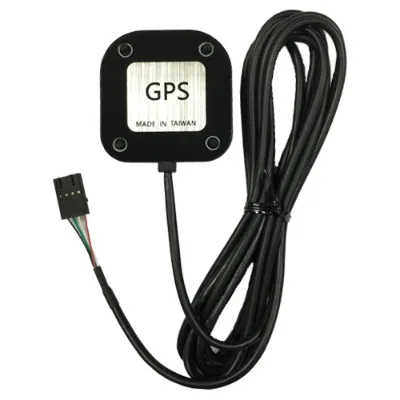
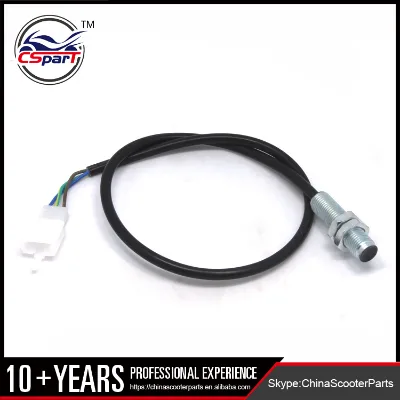


High Speed Dual Axis Energy Driiling Directional Sensor for Rotary Steering System
$27000.00 - $27500.00
MOQ: 10 Pieces


Hot Sell Inertail Navigation Sensor with High Accuracy and Large Range
$930.00 - $1395.00
MOQ: 1 Pieces

Hot Sell Inertail Navigation Sensor with High Accuracy and Full Temp. Compensation
$930.00 - $1395.00
MOQ: 1 Pieces




Comprehensive Sourcing Guide
Strategic Sourcing Guide for Digital Odometer Driven Gear Sensors
Navigating the global market for digital odometer driven gear sensors requires a precise understanding of the intersection between mechanical transmission components and modern electronic instrumentation. Buyers seeking these specific parts must distinguish between the sensor cable assemblies that transmit data and the speedometer units that display it. The supply chain for these components is fragmented, with manufacturers often specializing in either the mechanical gear interface, the electronic sensor logic, or the complete gauge assembly. This guide provides a structured approach to evaluating suppliers, verifying technical compatibility, and ensuring procurement quality without relying on unverified marketing claims.
Technical Architecture and Component Differentiation
The core of the digital odometer system lies in the accurate conversion of mechanical rotation into digital signals. In the context of the available market data, distinct product categories emerge. One category focuses on the "Digital Odometer Sensor Cable," which serves as the critical link between the transmission output and the instrument cluster. These components are characterized by specific mechanical interfaces, such as the M12 * 1.25 screw specification observed in certain listings, and precise length requirements, such as the 57CM dimension noted for specific models. The material composition is often described as a mixture, indicating a blend of conductive metals and durable polymers designed to withstand vibration and environmental stress.
Conversely, the market also offers complete "Electrical Speedometer Auto Gauge" units. These devices integrate the sensor logic directly into the display housing. Key attributes for these units include an LCD display type, a clear lens, and backlighting options ranging from blue, red, white, to green. The functional scope extends beyond simple speed indication to include warning and peak value tracking. A critical technical distinction is the presence of GPS integration in some high-end models, which allows for real-time speed verification independent of the mechanical gear rotation. Buyers must verify whether their application requires a standalone sensor cable or a fully integrated gauge unit, as the installation requirements and signal processing differ significantly between the two.
Compliance, Certification, and Standard Verification
Ensuring that sourced components meet regulatory and industry standards is paramount for B2B procurement. While specific certification statuses vary by manufacturer, the presence of CE certification is a notable data point in the current market, indicating compliance with European health, safety, and environmental protection standards. However, buyers should not assume that all listed products possess this certification without explicit verification. The procurement process must include a request for current certification documents, as standards evolve and may differ based on the destination market.
In addition to broad certifications, specific technical standards govern the performance of these sensors. One observed data point references a standard ratio of 0.919: 1, which likely pertains to the gear reduction or signal output ratio specific to a particular model. Another reference to a standard value of "10" suggests a specific industry rating or tolerance level. Since these numerical values are highly specific to individual product lines, buyers must treat them as model-specific parameters rather than universal industry benchmarks. It is essential to confirm that the supplier can provide documentation proving their product meets the specific standard required for the target vehicle or machinery application. Relying on generic assumptions regarding compliance can lead to integration failures or regulatory non-compliance in the final assembly.
Cost Drivers and Pricing Dynamics
The pricing structure for digital odometer sensors is influenced by several variables, including the complexity of the electronic integration, the quality of materials, and the supply chain logistics. The observed price range in the market spans from $1 to $27,500 USD. This vast disparity indicates that the market includes both basic sensor cables and highly sophisticated, GPS-integrated gauge systems. The lower end of the spectrum typically corresponds to simple sensor cables or basic replacement parts, while the upper end reflects complete instrument clusters with advanced features like multi-color backlights and GPS connectivity.
Production capacity and order volume also play a significant role in cost determination. Suppliers with a high supply ability, such as those capable of producing 100 sets per day for sensor cables or 100 pieces per week for gauges, may offer more competitive pricing for bulk orders. However, buyers must be wary of the Minimum Order Quantity (MOQ) constraints, which range from 1 to 50 units. A low MOQ of 1 allows for prototyping and small-batch testing, whereas an MOQ of 50 may be necessary to access the lower price points. The packaging details, such as "Window Box" for gauges or "Paper Box" for cables, can also impact the final landed cost, particularly for international shipping where packaging weight and volume are critical factors.
Typical Applications and Compatibility Matrix
The application of digital odometer driven gear sensors is broad, covering various automotive and industrial sectors. The "Universal" car make attribute suggests that many of these components are designed to fit a wide range of vehicle models, provided the mechanical interface matches. The specific model numbers, such as 857SP for the gauge and SNS01 for the sensor cable, serve as critical identifiers for compatibility. The 85mm size specification for the gauge is a standard dimension that buyers must match against their dashboard cutouts.
For sensor cables, the compatibility is often dictated by the screw thread and the length of the cable. The M12 * 1.25 screw specification and the 57CM length are precise metrics that must align with the vehicle's transmission output shaft and the distance to the dashboard. Additionally, the "OE NO. 0000" and "Part Number LC13-3802010" found in listings indicate that some suppliers produce components designed to replace original equipment manufacturer (OEM) parts. Buyers should cross-reference these part numbers with their specific vehicle requirements. The "Used To" classification as a "GPS Electrical Speedometer" highlights a specialized application where the sensor may be part of a larger navigation or telemetry system, requiring integration with GPS modules rather than just mechanical rotation.
Supplier Evaluation and Supply Chain Reliability
Evaluating suppliers for digital odometer components requires a focus on their geographical location, production capacity, and logistical capabilities. The supply chain data indicates origins in Taiwan, China, and specific regions like Zhejiang and Zibo. The port of dispatch varies, with options including TAIWAN, NINGBO, and SHANGHAI. These logistical details are crucial for calculating lead times and shipping costs. Suppliers located in Zibo or Zhejiang may have different production efficiencies compared to those in Taiwan, which could affect the consistency of the product quality.
The supply ability figures, such as "100 pieces per Week" or "100 sets per Day," provide insight into the supplier's capacity to handle large orders. However, buyers must verify if these figures represent current stock levels or theoretical maximum production rates. The warranty period, observed as "1 Years" for some products, is a key indicator of the supplier's confidence in their product durability. A lack of warranty information or a significantly shorter warranty period may signal higher risk. Furthermore, the availability of customization is a valuable attribute for buyers with unique requirements, allowing for tailored solutions that standard off-the-shelf products cannot provide.
Quality Control and Long-Term Procurement Strategy
Implementing a robust quality control (QC) strategy is essential for maintaining the integrity of the digital odometer system. Given the electronic nature of these components, testing for signal accuracy and durability under vibration is critical. The "Synthetic Type" production process and "Mixture" material composition suggest that the manufacturing process involves complex molding and assembly steps. Buyers should request detailed quality assurance protocols from suppliers, including test results for electrical continuity, signal stability, and environmental resistance.
Long-term procurement considerations extend beyond the initial purchase to include after-sales support and supply chain continuity. The "1 Years" warranty offers a baseline for product reliability, but buyers should also assess the supplier's ability to provide replacement parts and technical support in the event of failures. The "Customization: Available" attribute suggests that suppliers are willing to adapt their products, which can be beneficial for long-term partnerships where product specifications may evolve. Additionally, the "Exporting Standard" packaging indicates a commitment to protecting goods during transit, which is vital for maintaining product quality over long shipping distances.
To ensure a sustainable procurement strategy, buyers should establish clear communication channels with suppliers regarding production timelines and potential disruptions. The "Lead Time" is not explicitly defined in the provided data, but the supply ability figures can serve as a proxy for estimating delivery schedules. Regular audits of the supplier's production facilities and quality control processes can help mitigate risks associated with supply chain variability. By focusing on these strategic elements, buyers can secure a reliable supply of high-quality digital odometer driven gear sensors that meet their technical and operational requirements.
Summary of Key Specifications and Market Observations
The following table summarizes the critical specifications and market observations derived from the available product data, serving as a quick reference for buyers during the evaluation process.
| Attribute Category | Specific Observation | Relevance for Procurement |
|---|---|---|
| Product Type | Digital Odometer Sensor Cable / Electrical Speedometer | Distinguishes between standalone sensors and integrated gauges. |
| Display Technology | LCD | Essential for readability and integration with modern dashboards. |
| Backlight Options | Blue / Red / White / Green | Determines aesthetic compatibility and visibility conditions. |
| Mechanical Interface | M12 * 1.25 Screw | Critical for physical installation and fitment. |
| Dimensions | 85mm (Gauge), 57CM (Cable) | Must match dashboard cutouts and transmission distances. |
| Certification | CE (Observed) | Indicates compliance with specific regional safety standards. |
| Origin Locations | Taiwan, Zhejiang, Zibo, China | Influences shipping costs, lead times, and trade regulations. |
| Warranty | 1 Year (Observed) | Benchmark for product reliability and supplier confidence. |
| Supply Capacity | 100 sets/day (Cable), 100 pcs/week (Gauge) | Indicates ability to scale production for bulk orders. |
By adhering to these structured guidelines and leveraging the specific data points available, buyers can make informed decisions that align with their technical requirements and business objectives. The focus remains on verifying facts, understanding the nuances of the product categories, and establishing a robust relationship with suppliers who can deliver consistent quality and reliability.
FAQs
What display types are available for digital speedometer gauges?
The available display type is LCD. These units often feature clear lenses and offer backlight options in blue, red, white, or green colors to suit different visibility needs.
Which screw specification is common for the sensor cable?
A common screw specification is M12 * 1.25. This dimension is critical for ensuring the digital odometer sensor cable fits the transmission output shaft correctly.
Can these products include GPS functionality?
Yes, some models include GPS as a special function. These units act as GPS electrical speedometers, providing real-time speed verification independent of mechanical gear rotation.
What is the typical size for the 85mm gauge?
The typical size for the gauge is 85mm. This dimension is a standard specification that buyers must match against their dashboard cutouts for proper installation.
How long is the digital odometer sensor cable?
The length of the sensor cable is 57CM. This specific dimension ensures the cable reaches from the transmission to the dashboard without excessive slack or tension.
What certification is observed for these components?
CE certification is observed for some listed products. This indicates compliance with European health, safety, and environmental protection standards, though verification is always required.
What is the warranty period for the speedometer gauge?
The warranty period is 1 year. This coverage provides a baseline for product reliability and indicates the supplier's confidence in the durability of the gauge.