Source Digital Only Transformer Inductive Load for Power, Electronic, and Instrument
Find 30 verified listings for Digital Only Transformer Inductive Load solutions suitable for power, electronic, and instrument applications. Compare specifications from suppliers in China offering single and three-phase options with custom shapes and various cooling methods.
Key considerations
Products List


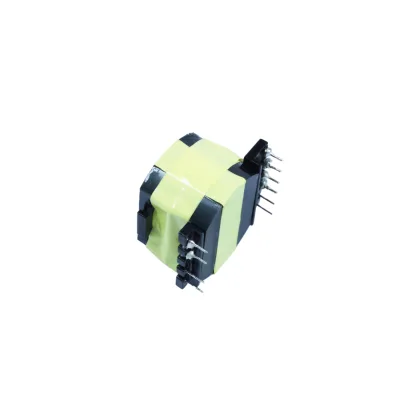


Standard High Frequency Transformer/Vertical High Frequency Transformer
$0.36 - $0.50
MOQ: 5000 Pieces


EI electronic low frequency control power transformer step up step down transformer
$1.33 - $1.46
MOQ: 300 Pieces


High Quality Three-Phase Power Isolation Transformer Digital Display Transformer
$118.00 - $6137.00
MOQ: 5 Pieces


Comprehensive Sourcing Guide
Strategic Sourcing Guide for Digital-Only Transformer Inductive Load Solutions
The procurement of digital-only transformer inductive load solutions represents a specialized intersection of power electronics, digital control systems, and magnetic component engineering. Buyers entering this market must navigate a complex landscape where "digital" often refers to the control architecture or the specific application environment rather than the transformer itself, which remains a physical inductive component. The core keyword implies a need for transformers that interface seamlessly with digital monitoring systems, smart grids, or automated power conversion units. This guide synthesizes available product attributes and industry standards to provide a disciplined framework for sourcing, evaluating, and integrating these critical components.
Understanding Technical Specifications and Core Architectures
When sourcing transformers for inductive loads in digital environments, the technical specifications must align with the specific operational requirements of the digital system. The product data indicates a diverse range of available architectures, including dry-type and oil-immersed types. For digital applications, dry-type transformers are frequently preferred due to their lower maintenance requirements and compatibility with indoor or controlled environments often found in data centers or electronic manufacturing facilities. The observed product attributes highlight specific core shapes, such as Ring and EI types, which dictate the magnetic flux path and efficiency.
The winding configuration is another critical specification. The market offers Auto-transformers, Two-winding Transformers, Multi-winding Transformers, and Separated Winding Transformers. A digital-only inductive load system might require a Multi-winding Transformer to support multiple output voltages or a Separated Winding Transformer for enhanced isolation between the digital control circuit and the high-power inductive load. The phase configuration is equally vital; while Single-phase options are available, Three-phase configurations are standard for heavy-duty power distribution and industrial inductive loads. Buyers must verify the specific phase and winding requirements against their system topology to ensure compatibility.
Furthermore, the frequency characteristics play a significant role. Some listed products specify High Frequency characteristics, which are essential for modern digital power supplies and switching mode power supplies (SMPS). In contrast, traditional distribution transformers operate at standard utility frequencies. The distinction between these types is paramount; a digital system utilizing high-frequency switching requires a transformer designed for those specific frequencies to avoid core saturation and excessive heating. The product model numbers, such as ZPSG or specific KVA ratings like 12000KVA/242KV, serve as identifiers for these distinct technical classes, though the exact performance metrics must be verified against the specific digital load profile.
Compliance and Certification Verification Protocols
Navigating the certification landscape is a non-negotiable aspect of sourcing high-reliability transformers. The supply chain data reveals a mix of certifications and standards, including ISO9001, ISO14001, CE, CCC, and specific application standards like IEC, JB, and ANSI. It is crucial for buyers to understand that while a supplier may claim "Apply for IEC," this does not equate to an active, verified certification for every unit. The presence of ISO9001 and ISO14001 suggests a commitment to quality management and environmental standards, which are baseline expectations for reputable manufacturers.
For inductive loads used in digital infrastructure, the certification status must be rigorously checked. The data mentions "Mtc" as a product certification, which likely refers to a Material Test Certificate or a specific manufacturer's quality assurance document. Buyers should demand these certificates for every batch, ensuring they match the specific model and production run. Additionally, the standard "30KV 63A" indicates specific voltage and current ratings that must be validated against the digital system's insulation and load requirements.
The cooling method is also linked to certification and safety standards. Dry-type transformers and oil-immersed types have different safety certifications regarding fire resistance and environmental containment. If the digital load is located in a sensitive electronic environment, the certification for the cooling method must be verified to ensure it meets local fire codes and environmental regulations. The "Sea Worthy Packing" and "Wooden Box" or "Wooden Case" standards mentioned in the data are logistical certifications that ensure the product arrives in a condition that preserves its electrical integrity, preventing damage that could void warranties or compromise safety.
Cost Drivers and Pricing Structure Analysis
The pricing for digital-only transformer inductive load solutions is highly variable, influenced by a wide spectrum of factors. The observed price range in the market spans from 0.1 USD to 2,800,000 USD, reflecting the vast difference between small electronic components and large industrial power transformers. This extreme range indicates that cost cannot be evaluated in isolation; it must be contextualized by the product's capacity, complexity, and customization level.
Several key drivers influence the final cost. Customization is a primary factor, with the data explicitly stating that customization is available. Tailoring a transformer to specific digital load requirements, such as unique winding ratios or custom shapes, will inherently increase the unit price compared to standard off-the-shelf models. The material composition, particularly the core type (Ring vs. EI) and the winding material, also drives costs. High-frequency applications often require specialized core materials that are more expensive than standard silicon steel.
The production volume and MOQ (Minimum Order Quantity) also play a significant role. The observed MOQ range of 1 to 5000 units suggests that buyers can source single units for prototyping or small batches, but economies of scale are available for larger orders. However, the "Reasonable&Favorable" price claim in the data should be treated as a marketing observation rather than a guaranteed market rate. Buyers should focus on the total cost of ownership, which includes the warranty period (noted as 1 Year in some listings), maintenance costs, and the potential for quick delivery advantages that might reduce inventory holding costs.
Typical Applications and Usage Scenarios
The versatility of the available transformer types allows for deployment across a broad spectrum of applications. The data lists usage categories including Distribution Transformer, Power Transformer, Combined Transformer, Rectifier Transformer, and Single-phase Transformer. For digital-only inductive loads, the most relevant applications often fall under the "Electronic" and "Instrument" categories. Specific product attributes mention applications in Multi-Output DC-DC Converters, Camcorders, and LCD Television Sets, highlighting the role of these transformers in consumer electronics and portable power systems.
In industrial settings, the "Power" and "Electronic" applications suggest use in automated manufacturing lines where digital control systems manage inductive loads. The "Rectifier Transformer" usage is particularly relevant for digital systems that require AC to DC conversion, such as battery charging stations or power supply units for server racks. The "Audio" application listed in the data points to high-fidelity power supplies where low noise and high isolation are critical.
The shape of the core, whether Ring or EI, often dictates the application. Ring cores are typically associated with high-efficiency, low-noise applications suitable for sensitive digital equipment, while EI cores are common in general-purpose power supplies. The "Lower Profile" feature mentioned in the data is a specific advantage for applications where space is constrained, such as in compact electronic enclosures or embedded systems. Buyers must match the application requirements with the specific product attributes to ensure the transformer can handle the thermal and electrical demands of the digital load.
Supplier Evaluation and Service Capabilities
Evaluating suppliers requires a focus on their service capabilities and operational flexibility. The data indicates that OEM (Original Equipment Manufacturer) services are available, which is a critical capability for buyers who need transformers integrated into their own product lines. The "Customised to Customer Needs" advantage reinforces the importance of selecting a supplier who can adapt their manufacturing processes to specific design requirements.
Geographic origin is another factor in supplier evaluation. The data points to "China" and specifically "Zhejiang, China (Mainland)" as origins. While this provides a specific location, buyers should verify the supplier's actual facility capabilities, quality control processes, and logistical reliability. The "Quick Delivery" advantage is a significant differentiator in the market, potentially reducing lead times for time-sensitive digital projects. However, this must be balanced against the "1 Years" warranty period, ensuring that the supplier stands behind their product for a reasonable duration.
The packaging details, such as "Carton on Pallet" or "Wooden Box," also reflect the supplier's attention to detail. A supplier that invests in robust packaging is more likely to have a mature quality control system. Buyers should assess the supplier's ability to provide test results and quality documentation, as the "100% Tested" attribute suggests a high standard of quality assurance that should be verifiable through third-party audits or on-site inspections.
Quality Control and Long-Term Procurement Considerations
Ensuring the long-term reliability of digital-only transformer inductive load solutions requires a robust quality control strategy. The "100% Tested" claim is a strong indicator of a supplier's commitment to quality, but buyers should verify the scope of these tests. Do they include thermal cycling, insulation resistance, and load testing? The "Quality: 100% Tested" attribute should be a baseline requirement, with specific test parameters defined in the purchase agreement.
Long-term procurement considerations extend beyond the initial purchase price. The warranty period, noted as 1 Year in the provided data, sets the baseline for post-sales support. Buyers should negotiate extended warranty terms or service level agreements that cover potential failures in the field. The "Advantage: Customised to Customer Needs" also implies a long-term partnership where the supplier can support product iterations and upgrades.
Sustainability and environmental compliance are increasingly important in long-term procurement. The presence of ISO14001 certification suggests that the supplier adheres to environmental management standards, which is crucial for companies with sustainability goals. Additionally, the "Sea Worthy Packing" and adherence to standards like ISO9001 ensure that the supply chain is resilient and capable of handling global logistics challenges.
Comparative Analysis of Transformer Types
To assist in decision-making, the following table summarizes the key differences between the transformer types observed in the market data, highlighting their suitability for various digital inductive load applications.
| Feature | Dry-Type Transformer | Oil-Immersed Transformer | High-Frequency Transformer |
|---|---|---|---|
| Cooling Method | Dry-type | Oil-immersed Type | High Frequency |
| Typical Core | Ring, EI | Core-type | Ring, EI |
| Primary Application | Indoor, Electronic, Distribution | Outdoor, High Power, Power | Digital Converters, SMPS |
| Maintenance | Low | High (Oil management) | Low |
| Certification | CCC, ISO9001 | ISO9001, ISO14001 | Varies by Model |
| Best For | Sensitive Digital Environments | Heavy Industrial Loads | Compact Digital Systems |
This comparison underscores the importance of matching the transformer type to the specific environmental and operational constraints of the digital inductive load. The selection process should prioritize the cooling method and core type to ensure optimal performance and longevity.
Final Procurement Recommendations
In conclusion, sourcing digital-only transformer inductive load solutions requires a meticulous approach that balances technical specifications, compliance requirements, and supplier capabilities. Buyers must verify that the chosen transformer meets the specific phase, winding, and frequency requirements of their digital system. The wide range of available options, from single-phase auto-transformers to three-phase oil-immersed units, offers flexibility but demands careful evaluation. By focusing on verified certifications, robust quality control processes, and suppliers with strong OEM and customization capabilities, buyers can secure reliable components that support the integrity of their digital infrastructure. The final decision should be driven by a comprehensive analysis of the total cost of ownership, ensuring that the selected transformer not only meets immediate technical needs but also supports long-term operational stability and compliance.
FAQs
Can I get custom shapes for Digital Only Transformer Inductive Load?
Yes, custom shapes are available to meet specific customer needs. The product attributes confirm that customization is offered, allowing buyers to tailor the transformer shape to their unique application requirements without compromising performance.
What certifications apply to Digital Only Transformer Inductive Load?
Certifications include ISO9001, ISO14001, CE, CCC, and specific application standards like IEC, JB, and ANSI. Buyers should verify that the Material Test Certificate matches the specific model and production run for quality assurance.
Which cooling methods are used for Digital Only Transformer Inductive Load?
Both dry-type and oil-immersed cooling methods are available in the market. Dry-type transformers are often preferred for indoor electronic environments, while oil-immersed types suit heavy-duty industrial applications requiring robust thermal management.
How is the warranty structured for Digital Only Transformer Inductive Load?
A standard warranty period of one year is provided for these products. This warranty covers defects and ensures reliability, though buyers should confirm specific terms regarding testing and maintenance during the procurement process.
What packaging details are used for Digital Only Transformer Inductive Load?
Products are typically packed in wooden boxes, wooden cases, or cartons on pallets. These sea-worthy packing standards ensure the transformer arrives in optimal condition, preserving electrical integrity and preventing damage during transit.
Can I find high frequency Digital Only Transformer Inductive Load options?
Yes, high frequency characteristics are available for modern digital power supplies. These transformers are essential for switching mode power supplies and digital systems requiring specific frequency handling to avoid core saturation and excessive heating.