Source Digital Motorcycle Odometer for Racing, Daily Commuting, and Fleet Upgrades
Find and compare 30 Digital Motorcycle Odometer options from verified Chinese manufacturers. Evaluate features like LCD displays, 12V voltage compatibility, and OEM customization to select the right instrument for your specific motorcycle application needs.
Key considerations
Products List

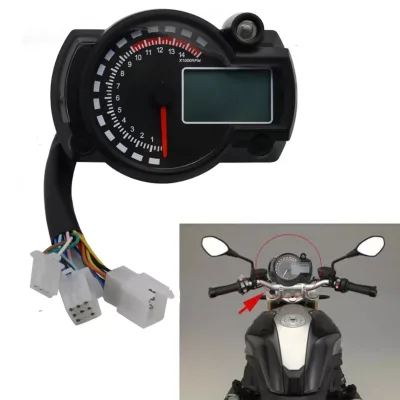

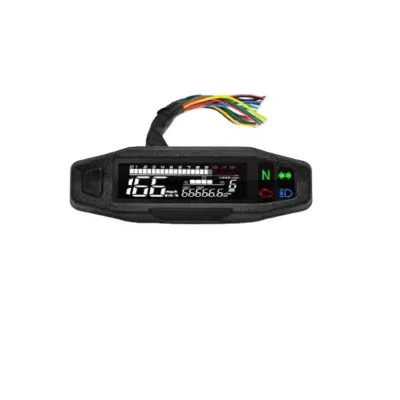
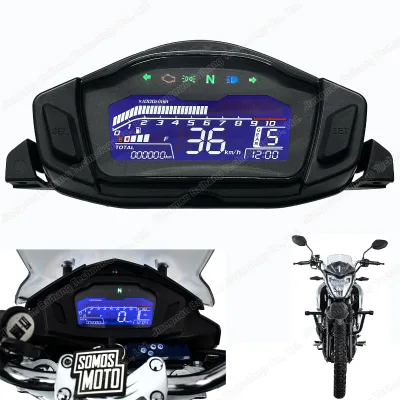
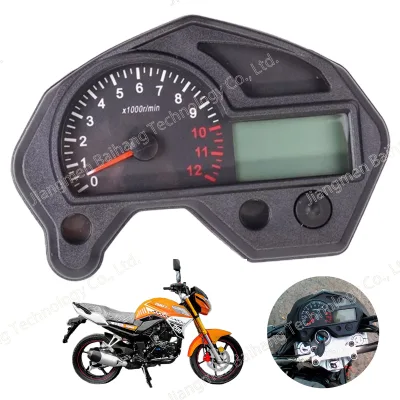
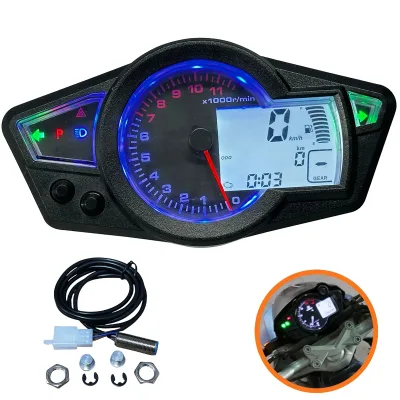


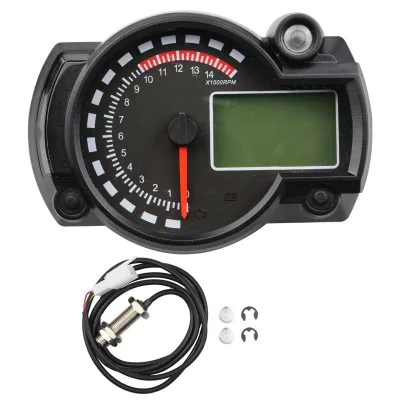


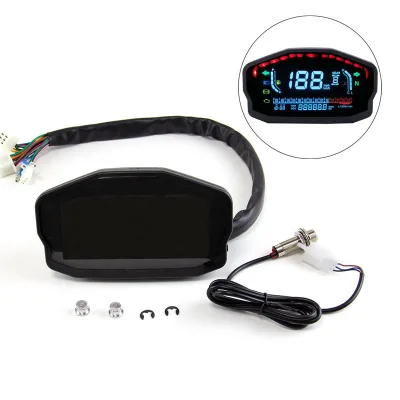
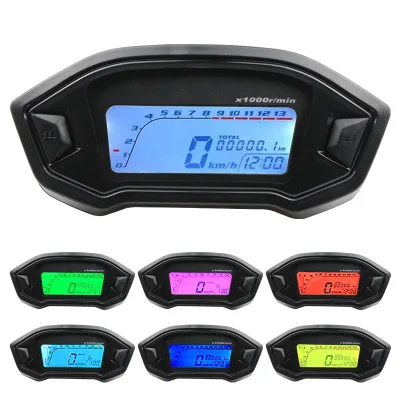
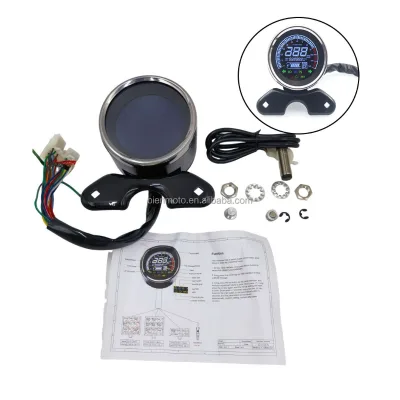
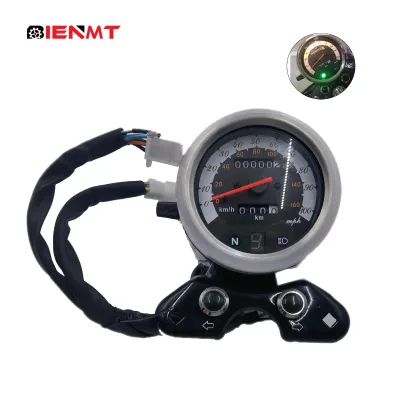
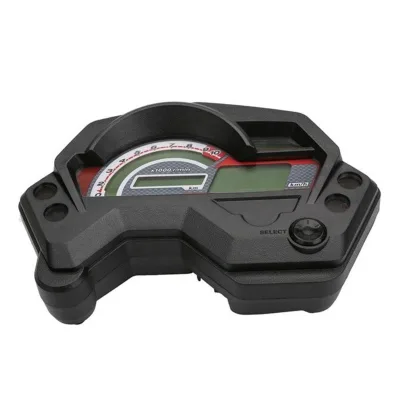
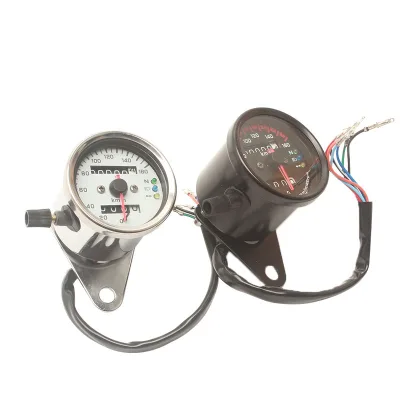
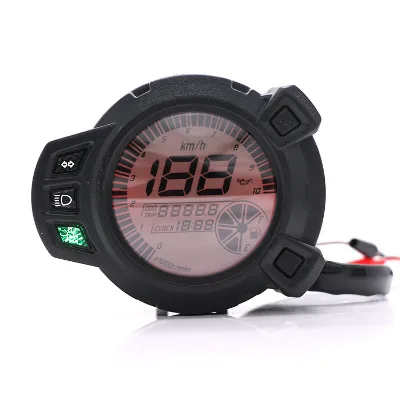

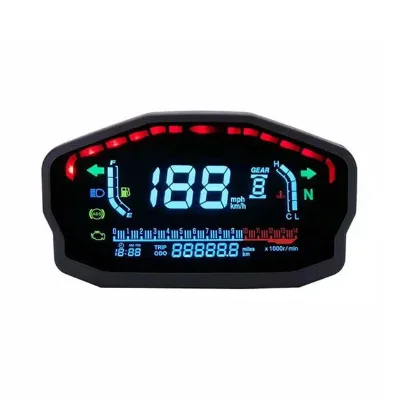
Comprehensive Sourcing Guide
Digital Motorcycle Odometer Sourcing Guide
Sourcing digital motorcycle odometers requires a careful balance between technological precision and mechanical reliability, as these instruments serve as the primary interface for vehicle performance monitoring. The market offers a diverse range of solutions, from traditional mechanical gauges to advanced digital LED and LCD displays, each catering to different retrofit and upgrade needs. Buyers must navigate a landscape where customization is readily available, allowing for specific branding and functional adjustments that align with particular motorcycle models or regional market preferences. Understanding the distinction between purely mechanical systems and those integrating electronic sensors is crucial for ensuring compatibility with modern motorcycle architectures.
The procurement process is further complicated by the variety of origins and manufacturing standards present in the supply chain. Products originate from key manufacturing hubs in China, including Hebei, Chongqing, and Guangdong, each potentially offering different cost structures and production capabilities. While some listings emphasize high-quality materials like ABS plastic and robust construction, others focus on specific features such as brushless commutation or universal fitment. Buyers need to establish clear verification protocols to ensure that the observed specifications, such as voltage requirements and operating temperature ranges, match the intended application environment without relying on generic marketing claims.
Product Scope and Observed Listing Signals
The current market for digital motorcycle odometers presents a wide spectrum of product types, ranging from basic mechanical indicators to sophisticated digital LED displays. Observed listings indicate that products are often categorized under broader terms such as "Motorcycle Meters" or "Motorcycle Speedometer," with specific models like the KD and LCD instruments representing distinct technological approaches. The presence of both mechanical and electronic types suggests that buyers should not assume all digital displays are purely electronic; some may retain mechanical linkages while adding digital readouts. This hybrid nature requires careful scrutiny of the product description to determine the exact mechanism of data transmission and display, ensuring it aligns with the motorcycle’s existing wiring and sensor setup.
Listing signals also reveal significant variability in packaging and physical attributes, which can impact logistics and final assembly. Products are frequently described with specific packaging details, such as colorful boxes or neutral packaging, and single package sizes that vary considerably, from compact units to larger dimensions like 80x30x60 cm. These physical characteristics are critical for calculating freight costs and storage requirements, especially for bulk orders. Additionally, the observation of different brand names, including JK, DEJIA, and Baihang, highlights the fragmented nature of the market, where OEM and private label opportunities are common. Buyers should treat these brand identifiers as indicators of potential customization capabilities rather than guarantees of uniform quality across all suppliers.
Technical Specifications to Verify
Voltage compatibility is a fundamental technical requirement that must be verified before placing any order. Most observed products operate on a 12V system, which is standard for many motorcycles, but buyers must confirm this specification for each specific model to avoid compatibility issues with 24V systems or other electrical architectures. The working environment specifications, such as a range of -30 to +50 degrees Celsius, provide a baseline for thermal resilience, but buyers should verify if the specific unit has been tested under these extreme conditions. Ensuring that the electrical parameters match the motorcycle’s power supply is essential to prevent damage to the instrument or the vehicle’s electrical system during operation.
Material composition and construction quality are equally important factors that influence the durability and lifespan of the odometer. Products are often described as being made from ABS plastic, which offers a good balance of strength and weight, but buyers should request detailed material specifications to ensure resistance to UV degradation and impact. The condition of the products, whether described as new, brand-new, or A-Class, should be clearly defined in the contract to avoid receiving refurbished or substandard units. Additionally, the type of commutation, such as brushless designs, can affect the longevity and maintenance requirements of the instrument, so buyers should prioritize units with proven reliability in these areas.
Compliance and Safety Documentation
Certification requirements vary significantly depending on the target market and the specific regulations applicable to motorcycle parts. Observed listings mention certifications such as CCC and ISO9001:2015, which indicate adherence to certain quality management and safety standards. However, buyers must verify if these certifications are valid for the specific product line and if they meet the regulatory requirements of the destination country. For instance, while CCC certification is relevant for the Chinese market, other regions may require different approvals, such as E-mark for Europe or DOT compliance for the United States. Relying solely on the presence of a certification label without verifying its scope and validity can lead to compliance failures and potential legal issues.
Documentation regarding product standards and testing procedures is another critical aspect of the procurement process. Some listings reference standards like SGS, which suggests that third-party testing may have been conducted, but buyers should request detailed test reports to understand the specific parameters evaluated. It is essential to confirm that the testing covers not only electrical safety but also environmental resilience, such as vibration resistance and temperature cycling, which are common stressors for motorcycle instruments. Without comprehensive documentation, buyers risk importing products that may fail prematurely in real-world conditions, leading to warranty claims and reputational damage.
Cost Drivers and Commercial Terms
The cost of digital motorcycle odometers is influenced by several factors, including the complexity of the display technology, the materials used, and the level of customization required. Observed price ranges vary widely, reflecting the diversity of products available in the market. Buyers should be aware that lower prices may correspond to basic mechanical units or lower-quality materials, while higher prices may reflect advanced digital features, better build quality, or specific OEM branding. Understanding these cost drivers helps buyers make informed decisions about where to allocate their budget and which features are essential for their specific needs.
Commercial terms, such as minimum order quantities (MOQ) and payment methods, also play a significant role in the procurement process. MOQs can range from small trial orders of 20 pieces to larger bulk orders of 500 pieces or more, depending on the supplier and the product type. Buyers should negotiate terms that align with their inventory management strategy and cash flow constraints. Payment methods, including TT, PayPal, Western Union, and Trade Assurance, offer different levels of security and convenience, so buyers should choose options that provide adequate protection against fraud and non-delivery. Clear communication of these terms in the initial stages of negotiation can prevent misunderstandings and ensure a smooth transaction process.
Supplier Qualification and Quality Control
Supplier qualification is a critical step in ensuring the reliability and consistency of the digital motorcycle odometers. Buyers should verify the supplier’s manufacturing capabilities, including their production capacity, quality control processes, and experience in the motorcycle parts industry. Observations of product origins in regions like Hebei, Chongqing, and Guangdong suggest that there are established manufacturing clusters, but buyers should conduct due diligence to confirm that the specific supplier has a proven track record of delivering high-quality products. Requesting samples and conducting factory audits can provide valuable insights into the supplier’s operational standards and commitment to quality.
Quality control measures should be clearly defined and enforced throughout the production process. Buyers should specify acceptance criteria for defects, such as display errors, wiring issues, or cosmetic flaws, and require suppliers to implement rigorous inspection protocols. The warranty period, often listed as 12 months, should be clearly stated in the contract, along with the procedures for handling defective units. Establishing a clear quality assurance framework helps mitigate risks and ensures that the products meet the expected standards of performance and durability. Regular communication with the supplier regarding quality issues and feedback can also foster a collaborative relationship that leads to continuous improvement.
Long-Term Procurement Checks
Long-term procurement success depends on the ability to monitor supplier performance and adapt to changing market conditions. Buyers should establish key performance indicators (KPIs) to track metrics such as on-time delivery, product quality, and responsiveness to issues. Regular reviews of these metrics can help identify potential problems early and allow for corrective actions to be taken. Additionally, buyers should stay informed about technological advancements in digital motorcycle odometers, such as new display technologies or connectivity features, to ensure that their product offerings remain competitive.
Building a resilient supply chain involves diversifying suppliers and maintaining strong relationships with key partners. Buyers should avoid over-reliance on a single supplier and consider developing relationships with multiple vendors to mitigate risks associated with supply disruptions. Regular communication and collaboration with suppliers can also lead to opportunities for cost savings and product improvements. By maintaining a proactive approach to supplier management and staying attuned to market trends, buyers can ensure a steady supply of high-quality digital motorcycle odometers that meet the evolving needs of their customers.
FAQs
What materials are used for digital motorcycle odometers?
These instruments are constructed from ABS plastic to ensure durability. The product specifications confirm the use of high-quality plastic materials suitable for motorcycle applications.
Can I customize the design of the motorcycle instrument?
Customization is available for this product line to meet specific buyer requirements. Buyers can request OEM services and choose from various packaging options including neutral or customized boxes.
What is the minimum order quantity for these meters?
The minimum order quantity varies between 20 pieces and 500 pieces depending on the specific model. Trial orders are acceptable, allowing buyers to test the product before committing to larger volumes.
Which certifications do these motorcycle speedometers hold?
The products hold CCC and ISO9001:2015 certifications to ensure quality standards. Some listings also reference SGS standards, indicating compliance with recognized international quality management systems.
How does the voltage requirement affect installation?
These instruments operate on a standard 12V electrical system compatible with most motorcycles. The working environment supports temperatures ranging from -30 to +50 degrees Celsius for reliable performance.
What warranty is provided for the digital tachometer?
A 12-month warranty is provided for the motorcycle instrument to cover manufacturing defects. This ensures buyers receive high-quality products that are 100% brand new upon delivery.