Source Digital Stereo FM Radio Transmitter for Broadcasts
Compare 30 Digital Stereo FM Radio Transmitter units from verified suppliers. Buyers can evaluate models with varying output power, frequency ranges, and certifications to find the right equipment for commercial broadcasting, campus stations, and emergency alert systems.
Key considerations
Products List

$1900.00 - $2200.00
MOQ: 1 Pieces


$12000.00 - $15000.00
MOQ: 1 Pieces

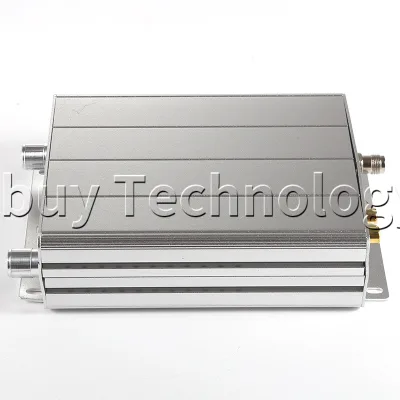
FM Transmitter Stereo 15W FM Radio Transmitter U Disk Playback Export Boutique
$9.99 - $59.90
MOQ: 1 Minimum

$135.00 - $530.00
MOQ: 1 Pieces




Comprehensive Sourcing Guide
Strategic Sourcing Guide for Digital Stereo FM Radio Transmitters
Understanding Technical Specifications and Frequency Bands
When sourcing a Digital Stereo FM Radio Transmitter, the primary focus must be on the technical parameters that define the device's operational capability and regulatory compliance. The core function of these units is signal transmission, specifically designed to broadcast audio content over the standard FM frequency band. Based on observed market data, the operational frequency range for these devices typically spans from 87.00MHz to 108.00MHz, covering the entire commercial FM spectrum used globally. This range is critical for ensuring that the transmitter can be tuned to any available channel within the band without interference.
The output power is a significant variable that dictates the coverage area and the complexity of the installation. Market observations indicate a wide spectrum of power ratings available, ranging from low-power units at 100W to high-power industrial transmitters capable of 1000W. Specific models have been identified with output powers of 300W and 500W, which are common for medium-range broadcasting applications. Buyers must align their power selection with their intended coverage radius, as higher wattage requires more robust cooling systems and potentially larger antenna setups.
Physical dimensions and weight are also essential for logistics and rack integration. Standard units often conform to industry rack-mount dimensions, such as 483mm in width, which allows for standard 19-inch rack installation. Depth and height vary, with some units measuring approximately 440mm in depth and 88mm in height, while others may have different form factors like 445mm by 500mm by 88mm. Weight is another logistical factor, with observed units ranging from 13.5kg to 18kg, and some heavy-duty models potentially exceeding these figures. The structural design often includes features like capacitive pressure transmitters or magnetic sensors for internal monitoring, ensuring the device operates within safe thermal and pressure limits.
Compliance and Certification Verification
Regulatory compliance is non-negotiable in the telecommunications sector. Buyers must verify that the transmitter meets the safety and electromagnetic compatibility standards of the target market. Observed certification data includes ISO standards, specifically ISO9001:2008, which indicates a quality management system. Additionally, certifications such as GS, CE, BV, and SGS have been noted in product listings. These certifications suggest that the manufacturer adheres to specific safety and quality protocols, but buyers must confirm that these certificates are current and valid for the specific model being purchased.
The "CE" marking is particularly crucial for European markets, indicating conformity with health, safety, and environmental protection standards. Similarly, "GS" denotes German safety certification, which is often recognized internationally. For industrial applications, explosion protection levels such as "Exct6" may be required, especially if the transmitter is to be installed in hazardous environments. The product standard "Professional" and specific dimensions like 56cm x 56m x 20cm (noting the unusual length dimension which may refer to packaging or specific installation requirements) should be scrutinized against local regulatory bodies' requirements.
It is vital to distinguish between the product's origin and the certification validity. While many units originate from manufacturing hubs in China, such as Hangzhou, Hefei, or Zhejiang, the certifications must be issued by recognized bodies. Buyers should request copies of the actual certificates rather than relying on marketing claims. The presence of a "Digital Pressure Transmitter" or "Float" mechanism within the product description may indicate internal monitoring systems that require their own calibration and certification, separate from the RF transmission certification.
Cost Drivers and Pricing Dynamics
The pricing of FM radio transmitters is influenced by a complex interplay of factors, including output power, build quality, and the level of customization required. The observed price range in the market is extensive, spanning from $1 to $30,000. This vast disparity reflects the difference between low-power, basic models and high-power, feature-rich industrial units. A 100W unit will naturally cost significantly less than a 1000W model, which requires more expensive components, advanced cooling systems, and rigorous testing.
Material costs play a substantial role in pricing. Transmitters utilizing high-grade materials such as 316L stainless steel, Hastelloy Alloy C, Tantalum, or Titanium for diaphragms and pressure sensors will command a premium. These materials are essential for durability and resistance to corrosion, particularly in harsh environments. The choice of connection methods, such as Flange, Threaded, or Tri-Clamp, also impacts the cost. Units offering a wide range of thread options like M20*1.5, G1/2, 1/2NPT, and G3/4 provide versatility but may increase manufacturing complexity and cost.
Customization is another major cost driver. While many suppliers offer "Available" or "Customized" options, the extent of customization determines the final price. Custom packaging, such as Export Wooden Boxes versus standard Paper Boxes, adds to the cost. Furthermore, the inclusion of optional accessories like Needle Valves, Steel Elbows, and Welding Bases will increase the total procurement cost. Buyers should be aware that the Minimum Order Quantity (MOQ) can range from 1 to 2000 units, which affects the unit price. Bulk orders typically benefit from economies of scale, but the initial investment for a single high-spec unit can be substantial.
Typical Applications and Use Cases
Digital stereo FM radio transmitters serve a diverse range of applications, from community broadcasting to industrial monitoring and safety systems. The primary use case is, of course, radio broadcasting. With frequencies covering 87-108MHz, these transmitters are ideal for campus radio, community stations, and commercial FM stations. The ability to transmit digital stereo signals ensures high-quality audio delivery to listeners within the coverage area.
Beyond traditional broadcasting, these devices are often integrated into industrial monitoring systems. The presence of attributes like "Capacitive Pressure Transmitter," "Normal Pressure Transmitter," and "Magnetic Sensors" suggests that some units are designed for dual-purpose use or are part of a larger system where RF transmission is used to relay sensor data. For instance, a transmitter with a pressure range of 0.001MPa to 35MPa could be used to monitor industrial processes and transmit this data wirelessly. The explosion protection level "Exct6" makes these units suitable for use in petrochemical plants, mining operations, or other hazardous environments where spark-free operation is mandatory.
The "Float" kind and "Process Temperature" range of -20℃ to 80℃ indicate suitability for liquid level monitoring and temperature-sensitive environments. In such scenarios, the transmitter might be part of a telemetry system where the FM signal carries data regarding fluid levels or temperature readings to a central control room. The "Signal Monitoring Equipment" function further supports this, allowing for real-time verification of the transmission integrity. Whether for audio broadcasting or industrial telemetry, the reliability of the signal transmission is paramount.
Supplier Evaluation and Origin Analysis
Evaluating suppliers requires a deep dive into their geographical origins and manufacturing capabilities. The observed data points to several key manufacturing regions, including Hangzhou, Zhejiang, and Hefei in China, as well as Andorra. The concentration of suppliers in Hangzhou and Zhejiang suggests a mature supply chain with access to specialized electronic components and assembly expertise. The "Place of Origin" being listed as "China (Mainland)" for many units indicates a high volume of production, which can be beneficial for scalability but requires careful vetting of quality control processes.
When evaluating a supplier, buyers should look for evidence of a robust quality management system. The presence of ISO9001:2008 certification is a strong indicator, but it should be verified. Suppliers that offer "Professional" standards and detailed product specifications, such as exact dimensions and weights, are generally more reliable. The availability of "Customization" options suggests a flexible manufacturing process, which is valuable for buyers with specific requirements. However, buyers must ensure that the customization does not compromise the core functionality or safety certifications.
The origin of the product also impacts logistics and lead times. Units originating from Andorra may have different shipping profiles compared to those from China. Buyers should consider the total landed cost, including shipping, duties, and insurance. The "prod_packing" details, such as "Paper Box" or "Export Wooden Boxes," provide insight into the supplier's attention to detail during shipping. Wooden boxes are typically used for heavier, more delicate equipment, indicating a higher level of care in logistics.
Quality Control and Long-Term Procurement
Quality control is the backbone of a successful procurement strategy for FM transmitters. Buyers must implement a rigorous inspection process that covers both the RF performance and the mechanical integrity of the device. The "Accuracy" of 0.1% and "Measurement Accuracy" of ±3mm are critical metrics that should be verified through independent testing. For pressure transmitters, the diaphragm material and thread compatibility must be checked to ensure they meet the specific application requirements.
Long-term procurement considerations include the availability of spare parts and after-sales support. The "Warranty" period, often listed as 1 Year, is a baseline expectation, but buyers should negotiate for extended coverage or service level agreements. The "Optional Accessories" list, including needle valves and welding bases, should be evaluated for long-term availability. If a specific thread type or diaphragm material is required, the supplier must guarantee that these components will be available for replacement years down the line.
Maintenance is another key factor. Units with "New" condition and robust construction, such as those with "Stainless Steel" or "Hastelloy" components, generally require less frequent maintenance. However, the cooling systems and power supplies are potential points of failure. Buyers should inquire about the expected lifespan of critical components and the availability of technical support for troubleshooting. The "Process Temperature" range of -20℃ to 80℃ defines the operational envelope, and buyers must ensure that the installation environment stays within these limits to prevent premature failure.
Comparative Analysis of Key Specifications
To assist in decision-making, the following table summarizes the key specifications observed in the market for digital stereo FM radio transmitters. This comparison highlights the variability in power, dimensions, and certifications, helping buyers identify the most suitable options for their specific needs.
| Specification Category | Low/Medium Power Range | High Power Range | Industrial/Pressure Variant |
|---|---|---|---|
| Output Power | 100W - 300W | 500W - 1000W | Variable (Sensor dependent) |
| Frequency Range | 87.00MHz - 108.00MHz | 87.00MHz - 108.00MHz | 87.00MHz - 108.00MHz |
| Dimensions (WxHxD) | 445mm x 500mm x 88mm | 483mm x 88mm x 440mm | Varies (Customizable) |
| Weight | 13.5kg - 18kg | 18kg+ | 150KG (Standard reference) |
| Certifications | ISO, CE, GS | ISO, BV, SGS | ISO, Exct6, CE |
| Material | Standard Alloys | High-Grade Alloys | 316L, Hastelloy, Titanium |
| Pressure Range | N/A | N/A | 0.001MPa ~ 35MPa |
| Accuracy | Standard | High (0.1%) | ±3mm (Measurement) |
| Warranty | 1 Year | 1 Year | 1 Year |
| Origin | Hangzhou, Zhejiang | Hangzhou, Zhejiang | Hefei, China / Andorra |
This table illustrates that while the core frequency and function remain consistent, the physical and performance characteristics vary significantly based on the intended application. Buyers should use this data to filter suppliers and narrow down the options that best match their technical requirements and budget constraints. By focusing on these specific attributes, procurement teams can ensure they select a transmitter that not only meets immediate needs but also offers long-term reliability and compliance.
FAQs
What frequency range do digital stereo FM radio transmitters cover?
These transmitters typically cover the 87.00MHz to 108.00MHz range. This spans the entire commercial FM spectrum, ensuring compatibility with global broadcasting standards and allowing tuning to any available channel without interference.
Which output power options are available for these transmitters?
Available output powers range from 100W to 1000W, with specific models offering 300W and 500W. Buyers must select power based on their intended coverage radius, as higher wattage requires robust cooling and larger antenna setups.
Can these devices be customized for specific industrial needs?
Yes, customization is available for various requirements including pressure ranges and connection methods. Options include specific diaphragm materials like 316L stainless steel and thread types such as M20*1.5 or G1/2 for diverse industrial applications.
What certifications ensure regulatory compliance for these units?
Certifications include ISO9001:2008, CE, GS, BV, and SGS. These indicate adherence to safety and quality protocols, but buyers must verify that certificates are current and valid for the specific model and target market regulations.
How do physical dimensions affect rack integration and shipping?
Standard units often feature 483mm width for 19-inch rack mounting with depths around 440mm. Weights vary from 13.5kg to 18kg, and packaging options include paper boxes or export wooden boxes depending on the unit's size and fragility.
What is the typical warranty period for these transmitters?
The standard warranty period is typically one year. Buyers should negotiate for extended coverage or service level agreements, especially for high-power models where cooling systems and power supplies are critical maintenance points.