Source Digital Soil pH Moist Meter for Farming, Gardening, and Research
Find a Digital Soil pH Moist Meter among 30 available options for agricultural and research applications. Buyers can compare specifications like pH range, moisture accuracy, and portability to select the right tool for soil testing needs.
Key considerations
Products List


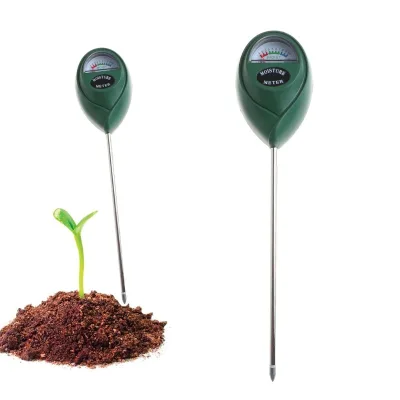
Digital Soil pH Meter Tester LCD Temperature Sunlight pH Soil Moisture Meter Tester
$12.00 - $16.00
MOQ: 100 Pieces




Comprehensive Sourcing Guide
Digital Soil pH Moist Meter Sourcing Guide
Sourcing digital soil pH and moisture meters requires a careful balance between technical precision and commercial viability, as these instruments serve as critical tools for agricultural efficiency, environmental monitoring, and horticultural management. Buyers must navigate a market characterized by a wide variance in sensor technology, ranging from simple resistive probes to more sophisticated capacitive and combined multi-parameter devices. The core keyword, Digital Soil pH Moist Meter, typically refers to handheld or portable devices that provide immediate readings of soil acidity and water content, enabling farmers and researchers to make data-driven decisions regarding irrigation and fertilization. Understanding the specific operational environment and the required accuracy levels is the first step in defining a successful procurement strategy, as the cost and complexity of the device will directly correlate with its intended use case.
The procurement landscape for these devices is diverse, with suppliers offering everything from basic, low-cost units suitable for hobbyist gardening to industrial-grade meters designed for continuous monitoring in large-scale agricultural operations. Buyers should recognize that the term "digital" implies an electronic readout, which generally offers greater consistency and ease of use compared to analog gauges, but it also introduces variables related to power sources, calibration stability, and probe durability. The observed market signals indicate a broad range of product models, such as the SDT-60, TRS-II, and various KS-series meters, each with distinct specifications regarding measurement ranges, accuracy, and additional features like temperature or salinity detection. This diversity necessitates a rigorous evaluation process to ensure that the selected meter aligns with the specific technical requirements of the procurement project.
Product Scope and Observed Listing Signals
The current market for digital soil pH and moisture meters exhibits a significant price range, observed between $2 and $1,020 USD, reflecting the disparity between entry-level consumer devices and high-precision professional instruments. This wide variance is driven by factors such as sensor technology, build quality, and the inclusion of additional measurement capabilities like soil temperature, salinity, or sunlight intensity. For instance, some listings highlight models with specific pH ranges, such as 3.5-9 pH or 0-14 pH, while others offer broader multi-parameter functions. Buyers must carefully analyze these listing signals to determine whether the lower-priced options meet their accuracy requirements or if the higher investment in specialized models is justified by the need for higher resolution and reliability in critical applications.
Minimum Order Quantities (MOQs) in this category also vary considerably, ranging from single units to 300 pieces, which impacts the procurement strategy for both small-scale buyers and large distributors. Low MOQs are common for basic models, allowing for easy sampling and testing, while higher MOQs may be associated with customized solutions or bulk industrial supplies. Additionally, the condition of the products listed ranges from new to used, which introduces further complexity for buyers seeking reliable, long-term equipment. It is essential to verify the condition and warranty status of any used equipment, as sensor degradation over time can significantly affect the accuracy of pH and moisture readings. Buyers should also note that many suppliers offer customization options, which can be valuable for branding or specific technical modifications but may require higher MOQs and longer lead times.
Technical Specifications to Verify
When evaluating digital soil pH and moisture meters, buyers must prioritize the verification of key technical specifications, particularly accuracy and measurement range, as these directly impact the reliability of the data collected. For pH measurements, accuracy levels such as ±0.2 pH or ±1% F.S. are critical indicators of performance, while the pH range itself, whether 3-8 pH or 0-14 pH, must align with the soil types being tested. Similarly, moisture measurement accuracy, often cited as ±1 or within specific percentage ranges, and the corresponding moisture range, such as 0-100% or 1-8, must be confirmed to ensure the device can handle the expected variability in soil conditions. Buyers should also consider the resolution of the device, with some models offering a resolution of 0.01 kPa for pressure or 0.10 pH, which can be crucial for detailed scientific analysis.
Beyond basic pH and moisture readings, many modern meters offer additional features that can enhance their utility, such as soil temperature testing, salinity measurement, and even sunlight or humidity detection. Specifications such as a soil temperature range of -55°C to 150°C or a dew point range of ±0.5% Fs indicate the device's capability to operate in diverse environmental conditions. Buyers should also pay attention to the power source, with some models utilizing 8.4V lithium batteries, which offer portability and convenience, while others may require different power configurations. The physical dimensions and probe length, such as a size of 19*7cm with a probe length of 198mm, are also important considerations for usability, especially in compact or hard-to-reach soil environments.
Compliance and Safety Documentation
Compliance and safety documentation are essential components of the procurement process for digital soil pH and moisture meters, ensuring that the devices meet relevant regulatory standards and are safe for use in various environments. While specific certification requirements may vary by region and application, buyers should verify that the suppliers provide necessary documentation, such as ISO certifications, which indicate adherence to quality management standards. The presence of certifications like ISO can provide assurance regarding the manufacturing processes and the consistency of the product quality, which is particularly important for buyers sourcing in bulk or for critical applications. Buyers should also inquire about any additional certifications required for their specific market, such as CE or FCC compliance for electronic devices, to ensure legal and operational compliance.
In addition to certifications, buyers should request detailed safety data sheets and user manuals that outline the proper handling, maintenance, and calibration procedures for the meters. These documents are crucial for ensuring the longevity and accuracy of the devices, as improper use or lack of maintenance can lead to sensor degradation and inaccurate readings. Buyers should also verify the materials used in the construction of the probes and housings, particularly if the devices will be used in corrosive or harsh environments. Understanding the safety guidelines and maintenance requirements can help buyers develop a comprehensive care plan that minimizes downtime and extends the useful life of the equipment.
Cost Drivers and Commercial Terms
The cost of digital soil pH and moisture meters is influenced by several factors, including the complexity of the sensor technology, the accuracy and range of measurements, and the inclusion of additional features. High-precision devices with multi-parameter capabilities, such as those measuring pH, moisture, temperature, and salinity, typically command higher prices due to the advanced technology and calibration required. Buyers should also consider the cost of accessories, such as replacement probes or calibration solutions, which can add to the total cost of ownership. Understanding these cost drivers can help buyers make informed decisions about the trade-offs between initial purchase price and long-term performance and maintenance costs.
Commercial terms, including payment methods, shipping options, and warranty policies, also play a significant role in the overall procurement cost and risk. Buyers should negotiate favorable terms that align with their cash flow and risk management strategies, such as requesting extended warranties or flexible return policies for defective units. Additionally, the lead time for production and delivery can impact project timelines, so buyers should confirm these details with suppliers before finalizing orders. For customized products, buyers should be aware that lead times may be longer, and additional costs may be incurred for design and setup fees. Clear communication regarding commercial terms can help avoid unexpected expenses and ensure a smooth procurement process.
Supplier Qualification and Quality Control
Supplier qualification is a critical step in the sourcing process, as it ensures that the selected suppliers have the capability and reliability to deliver high-quality digital soil pH and moisture meters. Buyers should conduct thorough due diligence on potential suppliers, including verifying their business licenses, manufacturing capabilities, and quality control processes. Suppliers with ISO certifications and a proven track record of producing accurate and durable devices are generally preferred, as they are more likely to meet the buyer's quality and delivery expectations. Buyers should also request samples for testing and evaluation, allowing them to assess the performance and build quality of the devices before committing to larger orders.
Quality control measures implemented by the supplier are equally important, as they directly impact the consistency and reliability of the products. Buyers should inquire about the supplier's testing procedures, including calibration checks and functional tests, to ensure that each device meets the specified accuracy and performance standards. Additionally, buyers should consider implementing their own quality control checks upon receipt of the goods, such as random sampling and performance testing, to verify that the delivered products conform to the agreed-upon specifications. Establishing a strong relationship with the supplier and maintaining open communication regarding quality issues can help resolve problems quickly and ensure continuous improvement in product quality.
Long-Term Procurement Checks
Long-term procurement checks are essential for maintaining the performance and reliability of digital soil pH and moisture meters over time. Buyers should establish a regular maintenance and calibration schedule to ensure that the devices continue to provide accurate readings throughout their lifespan. This includes periodic calibration using standard solutions, cleaning of the probes, and inspection of the battery and housing for signs of wear or damage. By adhering to a consistent maintenance routine, buyers can extend the useful life of the devices and minimize the risk of inaccurate data affecting their operations.
Additionally, buyers should monitor the performance of the devices over time and be prepared to replace or upgrade them as needed. Advances in sensor technology and changes in application requirements may necessitate the procurement of new models with improved features or higher accuracy. Buyers should also stay informed about industry trends and best practices for soil testing, which can help them make informed decisions about future procurement needs. By maintaining a proactive approach to equipment management and staying engaged with the supplier community, buyers can ensure that their digital soil pH and moisture meters continue to support their operational goals effectively.
FAQs
What is the pH accuracy of the digital soil meter?
The device offers a pH accuracy of plus or minus 0.2 pH units. This precision allows for reliable soil testing within a range of 3 to 8 pH, ensuring consistent results for agricultural applications.
Can the meter measure soil moisture levels accurately?
Yes, the meter measures soil moisture with an accuracy of plus or minus 1 percent. It covers a range from 1 to 8 percent, providing essential data for irrigation management and crop health monitoring.
Which models support customization for specific needs?
Customization is available for several models including the SDT-60 and TRS-II. Buyers can request tailored specifications to meet unique project requirements while maintaining standard performance metrics.
How portable are these digital soil testing devices?
All listed units are designed to be portable for field use. They feature compact dimensions and lightweight construction, making them easy to carry to various testing locations without heavy equipment.
What is the working temperature range for the meter?
The device operates effectively within a temperature range of 5 to 40 degrees Celsius. This ensures stable performance during typical outdoor soil testing conditions in most agricultural environments.
Are these meters available in used condition?
Yes, some units are listed as used condition. Buyers should verify the specific status and remaining lifespan of the device before purchase to ensure it meets their operational requirements.
What certifications do the soil meters hold?
The products hold ISO certification, indicating compliance with international quality standards. This certification applies to the manufacturing process and ensures the reliability of the digital measurement tools.