Find Compare Source Jeep Compass Spray Nozzle for Cooling, Industrial, and Disinfecting
Source 30 verified listings for the Jeep Compass Spray Nozzle, comparing models like H-3 and LX series with features such as rust resistance and full cone spraying. Buyers can evaluate specifications including material, packing, and certifications from suppliers in China.
Key considerations
Products List


$0.50 - $2.00
MOQ: 1 Pieces


$5.00 - $8.00
MOQ: 100 Sets


Dust Controling Full Jet Spray Nozzle
$8.00 - $12.00
MOQ: 50 Pieces
Shanghai Xinhou Spraying & Purification Equipment Co., Limited

Tank Paint Air Spray Gun Nozzle with Top Cup
$23.20 - $45.80
MOQ: 1 Pieces
Shanghai Xinhou Spraying & Purification Equipment Co., Limited


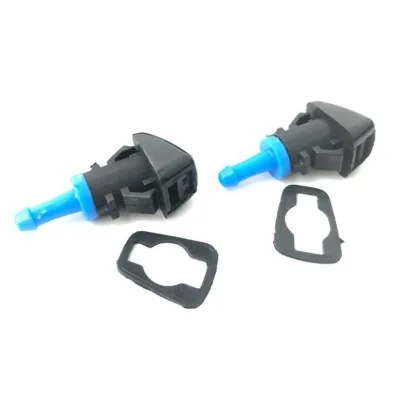


Comprehensive Sourcing Guide
Strategic Sourcing Guide for Jeep Compass Spray Nozzle Procurement
When sourcing components for automotive applications such as the Jeep Compass, specifically focusing on spray nozzle systems, buyers must navigate a complex landscape of technical specifications, material standards, and supply chain logistics. The core keyword "Jeep Compass Spray Nozzle" implies a need for precision fluid delivery components that meet rigorous automotive durability and performance standards. While the specific vehicle model dictates the geometric and functional requirements, the actual procurement process relies on verifying that the supplied nozzles align with established industrial standards for fluid dynamics, material integrity, and manufacturing consistency. This guide outlines the critical factors for evaluating potential suppliers and ensuring the acquisition of high-quality spray nozzles suitable for automotive integration.
Technical Specifications and Material Compatibility
The foundation of any successful procurement for automotive spray nozzles lies in the precise alignment of technical specifications with the vehicle's operational requirements. In the context of the Jeep Compass, spray nozzles are often utilized for washer systems, cooling applications, or specialized fluid delivery within the engine bay. The observed market data indicates that nozzle models vary significantly, ranging from specific designations like H-3, H-1, and LX series to general industrial types such as MSTSN. Buyers must verify that the selected nozzle model corresponds to the specific fluid dynamics required by the Jeep Compass system, whether for a full cone spray pattern or a flat nose configuration.
Material selection is equally critical. The supply data highlights materials such as brass, metal, and stainless steel variants (SS304/SS316). For automotive environments, where exposure to varying temperatures, road salts, and chemical fluids is common, corrosion resistance is paramount. The attribute "Rust / Corrosion Proof" is a key observation that buyers should prioritize. Brass offers excellent machinability and corrosion resistance, while stainless steel variants provide superior durability in harsh chemical environments. The "Metal" classification generally confirms the structural integrity required for high-pressure applications. However, buyers must not assume that all listed metal nozzles are suitable for the specific fluid media used in the Jeep Compass without verifying the chemical compatibility of the specific alloy with the fluid, such as windshield washer fluid or cooling agents.
Furthermore, the connection method must be compatible with the vehicle's existing plumbing. The "Internal Threaded Connection" is a documented attribute that suggests a standard mounting interface. Buyers should confirm that the thread pitch and diameter match the OEM specifications for the Jeep Compass to ensure a leak-free seal. The "Power Supply: Manual" attribute indicates that some nozzles are designed for hand-operated systems, which may differ from the electric pump-driven systems found in modern automotive applications. Therefore, verifying the actuation method is essential to ensure the nozzle functions correctly within the vehicle's automated or semi-automated fluid delivery architecture.
Compliance, Certification, and Quality Standards
In the automotive sector, compliance with international quality management systems is not merely a preference but a prerequisite for supplier qualification. The supply data reveals a mix of certifications, including ISO 9001:2008, ISO 9001:2015, CCC, ISO 14001, and BSCI. These standards indicate a supplier's commitment to quality control, environmental management, and social responsibility. For a buyer sourcing components for a major vehicle manufacturer like Jeep, the presence of ISO 9001 certification is a strong indicator of a consistent manufacturing process. The variation between ISO 9001:2008 and the newer 2015 version suggests that buyers should specifically request the most current certification to ensure the supplier adheres to the latest quality management protocols.
Additionally, the "CCC" (China Compulsory Certification) and "PC" (Product Certification) marks are relevant for products intended for the Chinese market or those manufactured in China. While the Jeep Compass is a global vehicle, understanding the regulatory landscape of the manufacturing origin is vital. The data also lists "ISO, CE" certifications, which are critical for products entering the European market. Buyers must verify that the specific nozzle model they intend to purchase carries the necessary certifications for the target market of the final vehicle assembly. It is important to note that certification status can vary by model; for instance, some entries list "Customized: Non-Customized" regarding certification, implying that specific certifications may need to be requested or verified on a per-order basis.
The "Standard" attributes listed, such as "SS304/SS316/Brass" and "Customized," further emphasize the need for rigorous verification. Buyers should not rely on generic standard claims but must request material test reports (MTRs) that confirm the specific grade of metal used in the production of the nozzle. This ensures that the component meets the mechanical strength and corrosion resistance requirements of the automotive industry. The absence of specific test results in the general data means that buyers must explicitly request these documents during the supplier evaluation phase to validate the claims of "Rust / Corrosion Proof" and "No Blocking" performance.
Cost Drivers and Pricing Dynamics
Understanding the cost structure of spray nozzles is essential for effective budget management and negotiation. The observed price range in the market spans from $0.02 to $45.80 USD, a significant variance that reflects differences in material quality, manufacturing complexity, and order volume. The lower end of the spectrum likely corresponds to basic, mass-produced nozzles made from standard brass or plastic components, while the higher end may represent specialized models with advanced features, custom branding, or higher-grade stainless steel construction.
The Minimum Order Quantity (MOQ) is another critical cost driver, with observed ranges from 1 to 2000 units. For a buyer sourcing for a specific vehicle model like the Jeep Compass, which may require large volumes for mass production, the ability to negotiate MOQs is crucial. Suppliers with lower MOQs may charge a premium per unit, whereas those requiring higher volumes can offer more competitive pricing. The "Customization" attribute is also a significant factor; customized nozzles, whether for specific logos, thread types, or spray patterns, will inherently cost more than standard off-the-shelf models.
Packaging methods, such as "Blister Box in Carton," "Plastic Box in Carton," or "Brown Box," also influence the final cost. More robust packaging may be necessary to prevent damage during international shipping, especially for delicate nozzle components, but this adds to the overall unit cost. Buyers should analyze the total landed cost, including packaging, shipping, and duties, rather than focusing solely on the unit price. The "Key Selling Points" such as "Long Service Life" can justify a higher initial investment if the component reduces maintenance costs and downtime in the field.
Typical Applications and Functional Requirements
While the core keyword focuses on the Jeep Compass, the underlying technology of spray nozzles is versatile. The data indicates applications ranging from "Cooling Tower" systems to general "Industrial" fields. In the context of the Jeep Compass, spray nozzles are likely used for windshield washing, engine cooling, or potentially for specialized cleaning systems in off-road variants. The "Spraying Shape: Full Cone" attribute suggests a broad coverage area, which is ideal for windshield washing to ensure even fluid distribution. Conversely, a "Flat nose pliers" type application might indicate a different use case, perhaps for maintenance tools rather than the nozzle itself, highlighting the need for precise product identification.
The "Liquid Contained: Disinfector" attribute points to applications where the nozzle must handle specific chemical fluids. If the Jeep Compass utilizes a specialized fluid for engine cleaning or de-icing, the nozzle material must be compatible with these chemicals to prevent degradation. The "Ventilation Mode: Natural Ventilation" and "Air Contact Form: Wet" attributes suggest that some nozzles are designed for air-assisted spraying, which could be relevant for cooling systems where atomization is required for efficient heat transfer.
Buyers must ensure that the nozzle's flow rate and pressure rating match the vehicle's pump specifications. A mismatch can lead to poor performance, such as insufficient spray distance or excessive fluid consumption. The "No Blocking" feature is particularly important for automotive applications, where clogging can lead to system failure and safety hazards. Verifying that the nozzle design includes filtration or self-cleaning mechanisms is a prudent step for ensuring reliability in real-world driving conditions.
Supplier Evaluation and Geographic Considerations
The geographic origin of the supplier plays a significant role in the procurement strategy. The data lists origins such as "Jiangsu, China(Mainland)," "Taizhou, Zhejiang," and generally "Zhejiang China" or "China." These regions are known for their manufacturing clusters, particularly in hardware and automotive components. Suppliers from Jiangsu and Zhejiang often have established supply chains and expertise in metalworking and plastic molding. However, buyers should conduct due diligence on the specific factory's capabilities, rather than relying solely on the province name.
Evaluating a supplier involves more than just checking their location. The "Customization: Available" and "Customized" attributes indicate that the supplier is flexible and capable of tailoring products to specific needs. This is a valuable trait for automotive buyers who may require slight modifications to fit the Jeep Compass's unique design constraints. Buyers should assess the supplier's R&D capabilities and their history of working with automotive clients. The presence of "Logo Printing: Without Logo Printing" suggests that some suppliers offer OEM services, while others may only provide generic products.
When evaluating suppliers, buyers should also consider the "Condition: New" attribute, ensuring that all components are brand new and not refurbished. This is critical for maintaining the safety and reliability standards of the vehicle. Additionally, the "Product Name: Spray Nozzles" confirms the general category, but buyers must cross-reference this with the specific model numbers (e.g., H-3, N-64, NO. 66) to ensure they are sourcing the correct component for the intended application.
Quality Control and Long-Term Procurement Strategy
Implementing a robust quality control (QC) protocol is essential for mitigating risks associated with component failure. Given the "Key Selling Points" of "Long Service Life," buyers should request evidence of durability testing, such as pressure cycling tests or corrosion resistance trials. The "Standard" attributes like "ISO9001" provide a baseline, but specific automotive standards (such as ISO/TS 16949) may be required for higher-level integration. Buyers should establish a clear QC plan that includes incoming inspection, random sampling, and final acceptance testing.
For long-term procurement, building a strategic partnership with the supplier is beneficial. The "Customized" nature of the products suggests that ongoing collaboration can lead to continuous improvement and cost optimization. Buyers should consider the "Lead Time" and "MOQ" flexibility when planning their inventory. A supplier with a stable production capacity and a history of meeting delivery schedules is preferable to one that frequently delays shipments.
Finally, buyers should maintain a clear record of all specifications, certifications, and test results for each batch of nozzles received. This documentation is crucial for traceability and compliance audits. By focusing on these strategic elements, buyers can ensure a steady supply of high-quality spray nozzles that meet the demanding requirements of the Jeep Compass and other automotive applications. The integration of technical precision, regulatory compliance, and strategic supplier management will ultimately define the success of the procurement process.
FAQs
What materials are used for jeep compass spray nozzles?
Materials include brass, metal, and stainless steel variants like SS304 or SS316. These options provide necessary corrosion resistance and durability for automotive environments.
Which certifications do Jeep Compass Spray Nozzle manufacturers hold?
Manufacturers often hold ISO 9001:2008, ISO 9001:2015, CCC, and CE certifications. These standards ensure consistent quality management and compliance with international safety regulations.
How are jeep compass spray nozzles typically packaged for shipping?
Packaging options include blister boxes in cartons, plastic boxes in cartons, or brown boxes. The specific method depends on the supplier and order volume requirements.
Can jeep compass spray nozzles be customized for specific needs?
Yes, customization is available for logos, specifications, and production standards. Buyers should verify specific model requirements before requesting custom modifications from the supplier.
What is the price range for jeep compass spray nozzles?
Prices range from 0.02 to 45.8 USD depending on material and customization. Lower costs typically reflect basic mass-produced units while higher prices indicate specialized models.
Where are Jeep Compass Spray Nozzle manufacturers located?
Manufacturers are primarily located in Jiangsu, Zhejiang, and other regions of China. These areas have established supply chains for automotive components and metalworking.
What is the minimum order quantity for jeep compass spray nozzles?
Minimum order quantities range from 1 to 2000 units based on the supplier. Buyers should negotiate MOQs to align with their production volume and budget constraints.