Source disposable customized premolar band for ID Bands, Waist Bands, and Elastic Bands
Find and compare 30 listings for disposable customized premolar band options including ID bands, elastic waist bands, and non-woven materials. Buyers can review specifications like GSM, width, and customization availability from suppliers in China.
Key considerations
Products List


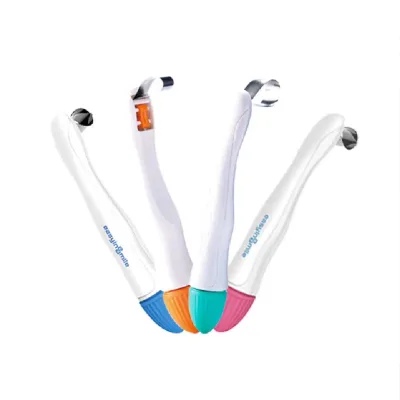
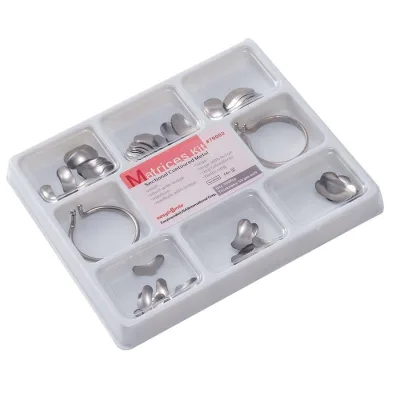


Comprehensive Sourcing Guide
Strategic Sourcing Guide for Disposable Customized Premolar Bands
Navigating the global market for disposable customized premolar bands requires a disciplined approach to technical verification, compliance assessment, and supplier evaluation. The term "premolar band" in a B2B context often intersects with specialized dental orthodontic components, yet the available supply chain data frequently reveals a broader ecosystem of elastic waist bands, ID bands, and non-woven materials that share similar manufacturing characteristics. For procurement professionals, the primary challenge lies in distinguishing between generic elastic products and those specifically engineered for dental applications, ensuring that the final selection meets strict clinical and operational requirements. This guide outlines the critical factors for sourcing these specialized items, leveraging observed market data to inform decision-making without relying on unverified claims.
Technical Specifications and Material Composition
The foundation of a successful procurement strategy for disposable customized bands lies in a rigorous understanding of material composition and physical specifications. In the current market, products labeled as elastic bands often utilize a blend of Spandex and Cotton or non-woven materials reinforced with Spandex and adhesive layers. For dental applications, the material must offer a balance of elasticity, breathability, and structural integrity. Observed data indicates that raw materials can range from 100% Polypropylene to complex multi-layer constructions involving Spandex and Cotton.
When evaluating technical specifications, buyers must scrutinize the weight per square meter (GSM), as this directly impacts the band's durability and comfort. Market observations show weight specifications ranging from 10gsm to 20gsm, with specific instances of 52-58 GSM for non-woven variants. The extension rate is another critical parameter; for a premolar band to function correctly, it must stretch to accommodate the tooth structure without losing tension. Data suggests an extension rate of approximately 85% ±5% is available, a figure that buyers should verify against their specific clinical needs.
Width and length specifications are equally vital. While some products offer standard widths of 90mm or 110mm, the market also supports highly customizable widths ranging from 60mm to 2500mm. Roll lengths can vary significantly, with observed standards including 1700 meters per roll. The core diameter of the roll, typically 76mm or 152mm, and the maximum roll diameter, often capped at less than 550mm, are logistical details that affect storage and handling efficiency. Furthermore, the shape of any perforations or holes, if present for adjustment, can include pentagon, hexagon, or other patterns, with up to ten different patterns potentially available.
Compliance and Certification Verification
In the medical and dental sectors, compliance is not merely a formality but a prerequisite for market entry and clinical safety. Buyers must verify that suppliers possess valid quality certifications, specifically looking for CE and ISO marks, which are frequently cited in product attributes. These certifications indicate that the manufacturing process adheres to specific European and international standards for quality management and medical device safety.
A critical distinction in compliance is the sterilization method. Some products in the supply chain are subjected to Ethylene Oxide (EO) Sterilization, a common method for medical devices, while others are explicitly marked as "Without Ethylene Oxide Sterilization." For disposable premolar bands intended for single-use in a clinical setting, the sterilization status must align with the intended use case. If the product is designed for a sterile environment, the supplier must provide documentation confirming the sterilization process. Conversely, if the product is for non-sterile applications, the absence of EO sterilization must be clearly documented to avoid confusion.
Buyers should also investigate the origin of the products, as supply chain transparency is a key component of compliance. Data indicates origins in regions such as China, Fujian, and Hubei. While these locations are active manufacturing hubs, the specific origin does not inherently guarantee quality; rather, it necessitates a deeper review of the supplier's quality control protocols and adherence to international standards. The presence of a "CE&ISO" certification passed by the supplier is a strong indicator, but it should be cross-referenced with the specific product model and batch numbers to ensure validity.
Cost Drivers and Pricing Dynamics
Understanding the cost structure of disposable customized premolar bands is essential for budgeting and negotiation. The observed price range in the market spans from $0.01 to $2,500, a wide variance that reflects differences in order volume, customization complexity, and material quality. The Minimum Order Quantity (MOQ) also plays a significant role in pricing, with observed ranges from 1 unit to 200,000 units. High-volume orders typically drive down the unit cost, while low-volume or highly customized orders may incur premium pricing.
Several factors drive the final cost of these products. First, the material composition is a primary driver; blends involving Spandex and Cotton or specialized non-woven fabrics with adhesive layers generally cost more than single-material options like 100% Polypropylene. Second, customization options, such as specific colors (White, Blue, Green, Red), custom widths, or unique hole patterns, add to the production complexity and cost. Third, the packaging requirements influence the price; options range from simple PP bags and PE wrapping films to more complex cartons with 6 rolls per box or custom configurations.
Payment terms are another consideration in the cost analysis. The standard term observed in the market is T/T 30%, which requires an initial deposit before production begins. Buyers should also factor in logistics costs, as the Free on Board (FOB) port is typically Shanghai, and shipping costs from this location will vary based on the destination and volume.
Typical Applications and Functional Requirements
While the core keyword focuses on "premolar bands," the market data reveals a diverse range of applications for similar elastic and non-woven products. These include ID bands, elastic waist bands, and general orthodontic applications. The versatility of these products stems from their design features, such as being soft and breathable, possessing 3D leak prevention channels, and offering high elasticity.
For dental applications, the band must be able to secure orthodontic appliances securely while remaining comfortable for the patient. The "Elastic" feature is paramount, with designs available in 2, 3, or 4 elastic configurations to provide varying levels of tension. The "Soft Breathable" attribute ensures that the band does not cause skin irritation or discomfort during extended wear. Additionally, the "Anti-Leak" feature, often achieved through a 3D channel design, is crucial for maintaining hygiene and preventing fluid accumulation, which is particularly relevant in medical and dental contexts.
The customization aspect allows for specific applications beyond standard dental use. For instance, the availability of "Several Types Available" and "More Colors Available" suggests that these bands can be adapted for various patient demographics or specific clinical protocols. The ability to customize the standard to specific requirements, such as 10gsm, 12gsm, 15gsm, 18gsm, or 20gsm, allows manufacturers to tailor the product to the exact needs of the application, whether it be for light-duty support or heavy-duty retention.
Supplier Evaluation and Sourcing Strategy
Evaluating suppliers for disposable customized premolar bands requires a multi-faceted approach that goes beyond price comparison. Buyers should prioritize suppliers who demonstrate transparency in their manufacturing processes and offer clear documentation of their certifications. The availability of free samples is a significant advantage, allowing buyers to physically test the product's quality, elasticity, and comfort before committing to a large order.
When assessing suppliers, consider the following criteria:
- Certification Validity: Ensure that CE and ISO certifications are current and applicable to the specific product model.
- Customization Capability: Verify the supplier's ability to meet specific requirements regarding width, color, material, and packaging.
- Production Capacity: Check if the supplier can handle the required volume, given the wide range of MOQs from 1 to 200,000 units.
- Logistics and Lead Time: Understand the shipping terms, specifically the FOB Shanghai port, and estimate lead times based on the order size and customization level.
- Quality Control: Inquire about the supplier's internal quality control processes, particularly regarding the consistency of GSM, extension rates, and material composition.
Buyers should avoid suppliers who make unverifiable claims about performance or standards. Instead, focus on those who provide concrete data and are willing to share technical specifications and test results. The presence of a "Customizable" standard and "Available" customization options indicates a flexible supplier, but the buyer must define their specific needs clearly to ensure the final product meets expectations.
Quality Control and Long-Term Procurement Considerations
Maintaining consistent quality is paramount in the procurement of medical and dental supplies. Buyers should implement a robust quality control protocol that includes incoming inspection of materials, in-process monitoring, and final product testing. Key metrics to monitor include the extension rate (85% ±5%), weight (10-20gsm or 52-58 GSM), and the integrity of the adhesive layers.
For long-term procurement, establishing a strategic partnership with a reliable supplier is more beneficial than transactional purchasing. This approach ensures a steady supply of high-quality products and facilitates better communication regarding customization needs and quality issues. Buyers should also consider the environmental impact of their procurement choices, as the market offers various material options, including non-woven and biodegradable alternatives.
Finally, buyers must remain vigilant regarding regulatory changes and updates to international standards. The medical and dental industries are subject to frequent regulatory updates, and suppliers must be able to adapt their products to meet new requirements. By maintaining a proactive approach to supplier evaluation and quality control, buyers can ensure a secure and efficient supply chain for disposable customized premolar bands.
Summary of Key Product Attributes
| Attribute Category | Observed Specifications / Options |
|---|---|
| Material | Spandex / Cotton, Non-woven + Spandex + Glue, 100% Polypropylene |
| Weight (GSM) | 10gsm, 12gsm, 15gsm, 18gsm, 20gsm, 52-58 GSM |
| Width | 60-2500mm, 90mm, 110mm, or Custom |
| Extension Rate | 85% ±5% |
| Sterilization | Ethylene Oxide Sterilization or Without EO Sterilization |
| Certifications | CE, ISO |
| Origin | China (Shanghai, Fujian, Hubei) |
| Packing | PP Bag + PE Film, 6 Rolls/Carton, 1PC/Bag, 1000PCS/Carton |
| Customization | Available (Color, Width, Pattern, Standard) |
By adhering to these guidelines and leveraging the available market data, procurement professionals can make informed decisions that balance cost, quality, and compliance, ensuring the successful acquisition of disposable customized premolar bands for their specific needs.
FAQs
What certifications do these bands have?
The products have passed CE and ISO quality certifications. This ensures compliance with international standards for medical and dental applications, providing a verified baseline for safety and quality management in the supply chain.
Can I get free samples for testing?
Yes, free samples are available for evaluation. This allows buyers to physically verify the elasticity, material composition, and comfort before committing to a larger order, ensuring the product meets specific clinical requirements.
How is the material composition defined?
Materials vary from 100% Polypropylene to Spandex and Cotton blends. Some options include non-woven layers with adhesive, offering different levels of breathability and strength depending on the specific application needs.
What are the standard width options?
Standard widths include 90mm and 110mm, with custom options ranging from 60mm to 2500mm. This flexibility allows for precise fitting across various patient demographics and specific orthodontic appliance requirements.
Is Ethylene Oxide sterilization available?
Sterilization options include both with and without Ethylene Oxide treatment. Buyers must verify the specific product model to ensure it aligns with the intended sterile or non-sterile clinical environment.
What is the typical extension rate?
The extension rate is approximately 85% plus or minus 5%. This high elasticity ensures the band can stretch to accommodate tooth structures while maintaining necessary tension for secure retention.
Where are the products manufactured?
Products originate from China, specifically regions like Fujian and Hubei. These locations are active manufacturing hubs, though buyers should verify specific quality control protocols for each batch.