Source Disposable Detoxification Slimming Patch for Home, Salon, and Weight Management
Explore 30 listings for the Disposable Detoxification Slimming Patch, featuring options for home and salon use. Buyers can compare models like Slimming Patch and Weight Management Patch with varying pack sizes and shelf lives to find suitable weight loss solutions.
Key considerations
Products List


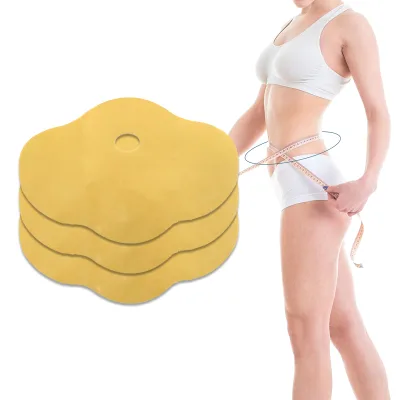


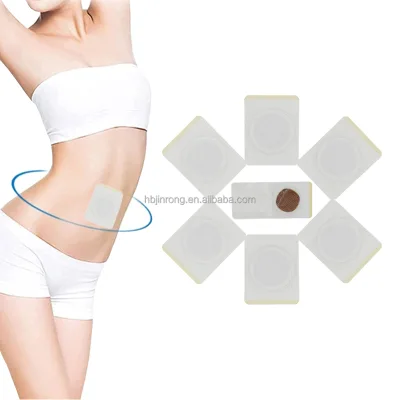
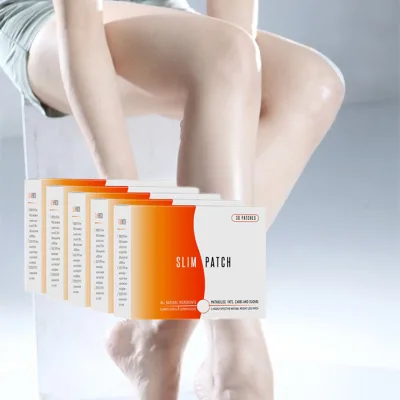
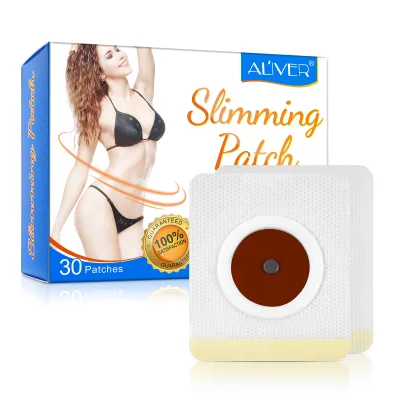
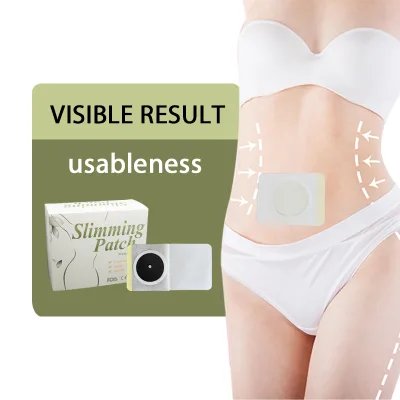
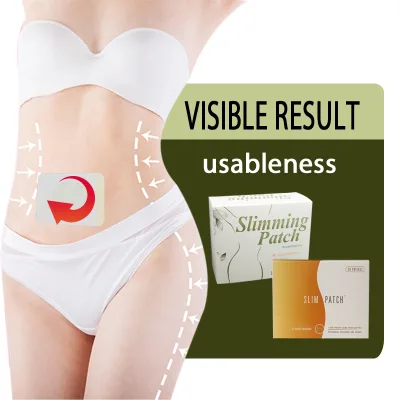
Comprehensive Sourcing Guide
Strategic Sourcing Guide for Disposable Detoxification Slimming Patches
The global demand for non-invasive weight management solutions has elevated the profile of disposable detoxification slimming patches within the B2B procurement landscape. These products, often categorized under health care products or herbal patches, represent a specific segment of the topical application market where buyers must navigate a complex array of technical specifications, regulatory environments, and supply chain variables. Sourcing these items requires a disciplined approach that distinguishes between marketing claims and verifiable product attributes. This guide outlines the critical factors for procurement professionals evaluating disposable slimming patches, focusing on the intersection of product formulation, packaging standards, and supplier reliability.
Technical Specifications and Product Formulation
Understanding the technical architecture of a slimming patch is the first step in defining procurement requirements. The core functionality of these products often centers on the delivery of active ingredients through the skin, typically via the navel or other designated application sites. Based on observed market data, the primary active material is frequently derived from natural product extraction, specifically plant extracts. This aligns with the "Natural Product Extraction" pharmaceutical technology often cited in product descriptions. The efficacy claims generally target weight loss and slimming, positioning the product as a health care solution rather than a pharmaceutical intervention.
Buyers must scrutinize the physical specifications, as these vary significantly across different product models. For instance, one observed model, designated as G-MSMO1, utilizes a specific packing standard of five pieces in an OPP bag, with one bag per box. Another model, G-MLM, presents distinct dimensional variations, with sizes ranging from 9.35cm to 165.3/3.9 cm. In contrast, the G-SMP model and others may feature larger dimensions, such as 18.5*31cm, which suggests a different application surface area or intended usage duration. The "Slimming Patch" and "Herbal Patch" designations often appear interchangeably, but the underlying material composition remains consistent: a plant-based extract designed for external use.
The physical form factor is critical for user experience and logistics. Most products are disposable, meaning they are designed for single-use or short-term application cycles. The color of the patch can also be a differentiating factor, with green and pink variants observed in the market. These aesthetic choices often correlate with specific branding strategies or target demographics, such as unisex applications. When evaluating technical specifications, procurement teams should verify the exact dimensions, material composition, and the nature of the adhesive or backing material to ensure compatibility with the intended application method, whether for home use or professional salon settings.
Compliance, Certification, and Regulatory Verification
In the realm of health care products and weight management patches, compliance is a paramount concern that transcends simple product functionality. While the supplied data indicates that these products are marketed with "No" side effects and are intended for external use, buyers must independently verify these assertions against local regulations in their target markets. The absence of a listed certification in the source data does not imply a lack of compliance, nor does the presence of a standard imply universal acceptance.
Procurement professionals should prioritize suppliers who can provide documentation regarding Good Manufacturing Practices (GMP) and specific product safety standards. The origin of the product is a significant variable; many observed listings indicate production in China, with specific mentions of Henan as a manufacturing hub. While this provides a geographical baseline, it does not guarantee adherence to international safety standards. Buyers must request evidence of compliance with the regulatory bodies of their destination country, such as the FDA in the United States, the CE marking in Europe, or local health authority approvals in Asia and the Middle East.
Furthermore, the distinction between a "health product" and a "pharmaceutical" is legally significant. Products labeled as "health care products" or "herbal patches" often fall under dietary supplement or cosmetic regulations rather than strict pharmaceutical guidelines. This distinction impacts the required testing protocols, labeling requirements, and import duties. Buyers should verify if the supplier has undergone third-party testing for heavy metals, microbial contamination, and allergen presence, particularly given the use of plant extracts. The claim of "No Side Effect" should be supported by clinical or toxicological data provided by the manufacturer, rather than accepted as a marketing statement.
Cost Drivers and Pricing Structures
The pricing of disposable slimming patches is influenced by a complex matrix of factors, including raw material costs, packaging complexity, order volume, and customization requirements. The observed price range in the market spans from $0.03 to $2.89 per unit, a variance that reflects differences in quality, branding, and order quantity. The Minimum Order Quantity (MOQ) is another critical cost driver, with observed ranges extending from 1 unit to 2000 units. Some suppliers offer "No MOQ" options, which can be advantageous for market testing but may carry a higher per-unit cost or longer lead times.
Customization is a significant value-add that impacts the final price. The availability of OEM (Original Equipment Manufacturer) and ODM (Original Design Manufacturer) services allows buyers to brand the product with their own logos, packaging, and specifications. However, these services typically require higher MOQs, often starting at 50 units or 100 bags, depending on the supplier. The packaging structure also plays a role in cost; options range from simple OPP bags to more complex carton configurations, such as 2pcs/bag, 5bags/box, and 40boxes/carton.
Buyers should also consider the payment terms and sample availability. Suppliers offering samples can help validate product quality before committing to large orders, though this may involve additional shipping costs. Payment methods vary, with options including PayPal, credit cards, and Telegraphic Transfer (TT). The total cost of ownership should include not only the unit price but also shipping, insurance, and potential tariffs. For large-scale procurement, negotiating volume discounts based on the MOQ tiers is essential to optimize the budget.
Typical Applications and Usage Scenarios
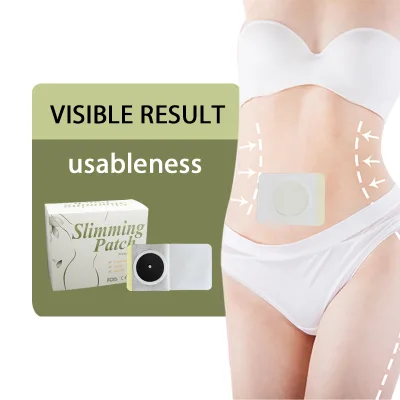
The versatility of disposable detoxification slimming patches allows for deployment in various settings, from personal home use to professional salon environments. The "Application" attribute often lists both "Home" and "Salon," indicating a dual-market potential. For home users, the product is marketed as a convenient, non-invasive weight management tool that can be applied to the navel or other designated areas. The "Navel Slimming Detox Patch" is a specific variant designed for this application, leveraging the belief that the navel area is a focal point for absorption.
In a professional salon context, these patches are often used as part of a broader wellness or body contouring treatment plan. The "Weight Management" and "Health Care Weight Loss" functions align with services offered by spas and fitness centers. The unisex nature of the product broadens the target audience, making it suitable for both male and female clients. The shelf life of the product, observed to range from 3 to 5 years, ensures that inventory can be stored for extended periods without degradation, provided it is kept in a cool and dry place.
Buyers should evaluate the intended usage scenario when selecting a supplier. Products designed for home use may prioritize ease of application and discreet packaging, while those for salons might require bulk packaging or specific branding options. The "Usage" attribute, explicitly stating "For External Use," reinforces the safety profile and application method, which is crucial for consumer education and liability management. Understanding the specific use case helps in aligning product specifications with market expectations and regulatory requirements.
Supplier Evaluation and Quality Control
Selecting the right supplier is critical to ensuring product consistency and reliability. The market contains a mix of manufacturers with varying levels of transparency and capability. Key evaluation criteria include the supplier's ability to provide samples, their responsiveness to customization requests, and their track record in meeting delivery timelines. The availability of samples is a strong indicator of a supplier's confidence in their product quality.
Quality control processes should be a central part of the supplier assessment. Buyers should inquire about the supplier's internal quality assurance protocols, including raw material sourcing, in-process inspections, and final product testing. The use of plant extracts necessitates rigorous control over the extraction process to ensure purity and potency. Additionally, the packaging integrity is vital; the standard of 30 patches per box or 10 patches per box must be maintained to prevent damage during transit.
When evaluating suppliers, buyers should look for those who offer clear communication regarding their production capabilities and capacity. The "OEM & ODM: Acceptable" attribute suggests flexibility, but the buyer must verify the supplier's ability to meet specific design and branding requirements without compromising quality. The "Storage" requirement of a cool and dry place should be communicated to the supplier to ensure proper handling during the shipping process. A reliable supplier will also provide clear documentation regarding the product's origin, manufacturing date, and expiration date to facilitate compliance with local regulations.
Long-Term Procurement Considerations
Sourcing disposable slimming patches is not merely a transactional activity but a strategic partnership that requires long-term planning. The shelf life of the product, ranging from 3 to 5 years, allows for strategic inventory management, but buyers must balance stock levels with market demand to avoid obsolescence. The "Product Name" and "Function" attributes may evolve as market trends shift, requiring suppliers to be agile in updating their formulations or packaging.
Sustainability and supply chain resilience are also becoming increasingly important. Buyers should assess the supplier's ability to scale production in response to demand fluctuations and their contingency plans for supply chain disruptions. The "Payment" and "MOQ" terms should be structured to support long-term growth, with flexible options for increasing order volumes as the business expands.
Furthermore, the regulatory landscape for health care products is dynamic. Buyers must stay informed about changes in local and international regulations that could impact the import, sale, or marketing of slimming patches. Maintaining a relationship with a supplier who is proactive about regulatory compliance can mitigate risks and ensure continuous market access. The "Customization" availability offers a pathway to differentiate the product in a crowded market, but it requires ongoing collaboration with the supplier to maintain brand consistency and quality standards.
In conclusion, successful procurement of disposable detoxification slimming patches requires a comprehensive understanding of technical specifications, regulatory requirements, and market dynamics. By rigorously evaluating suppliers, verifying product quality, and planning for long-term growth, buyers can secure a reliable supply chain that meets the demands of the health and wellness market. The observed data provides a foundation for decision-making, but the ultimate success lies in the buyer's ability to apply this knowledge to their specific strategic objectives.
FAQs
What materials are used in these slimming patches?
These patches are primarily made from plant extracts derived through natural product extraction technology. The formulation targets weight loss and slimming while being designed for external use only, ensuring a non-invasive approach to health care.
How are the patches packaged for shipping?
Packaging varies by model but typically includes OPP bags, individual boxes, or cartons. Common standards range from 10 to 30 patches per box, with bulk options like 40 boxes per carton to facilitate efficient logistics and storage.
Can I customize the product with my own branding?
Yes, OEM and ODM customization services are available for many suppliers. Buyers can request specific branding, packaging, or formulation adjustments, though these custom orders often require meeting a minimum order quantity threshold.
What is the minimum order quantity for these patches?
Minimum order quantities vary significantly, ranging from no minimum to 2000 units depending on the supplier. Some vendors accept orders as low as 50 units or 10 bags, while others may require larger bulk purchases for standard pricing.
Where are these health care products manufactured?
The majority of these patches originate from China, with specific manufacturing hubs noted in regions like Henan. Buyers should verify the specific origin for each supplier to ensure compliance with their local import regulations.
How long is the shelf life of the slimming patches?
The shelf life typically ranges from 3 to 5 years when stored correctly. Products must be kept in a cool and dry place to maintain their efficacy and ensure the plant extracts remain stable throughout the storage period.